How Much Are Used Square D Breakers Worth in 2026? (Price Guide)
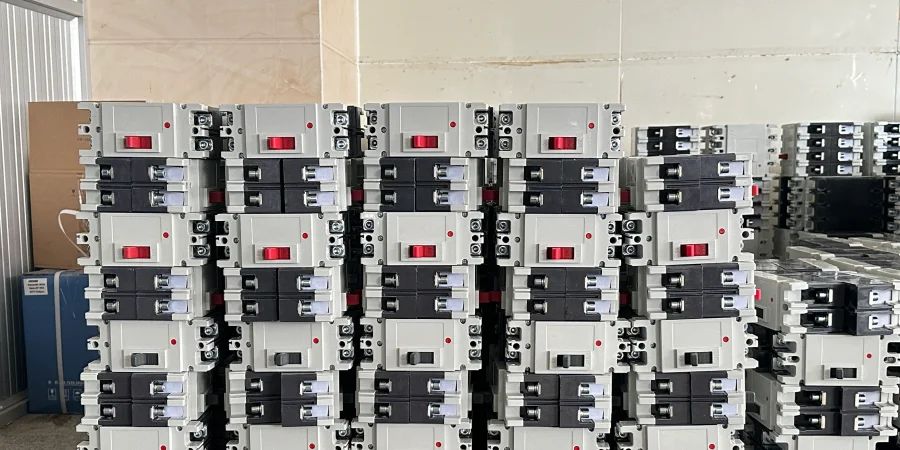
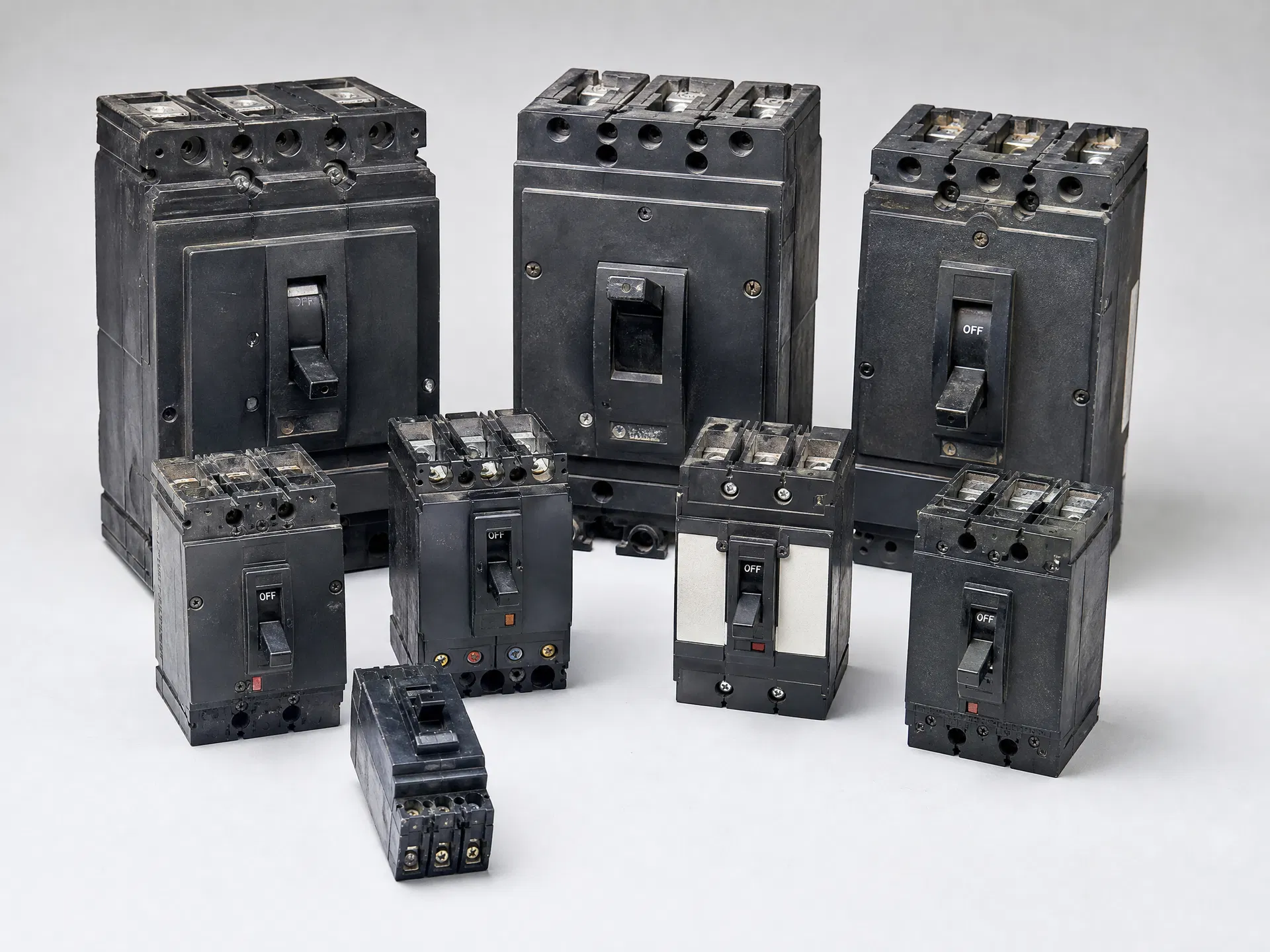
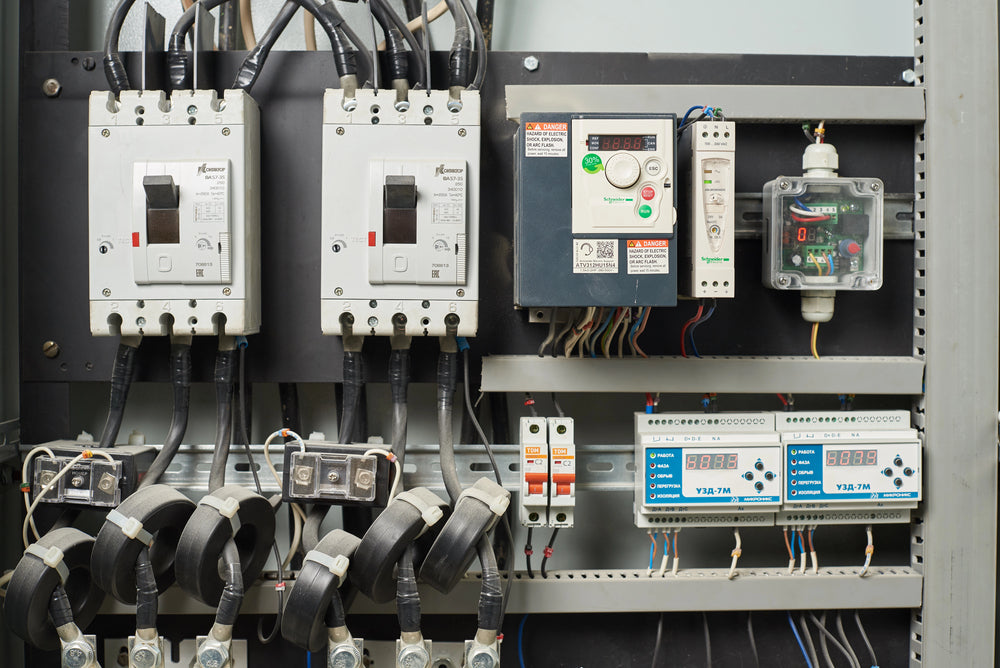
If you have a box of used Square D breakers sitting in a maintenance room, warehouse, or pulled from a recent panel upgrade, they may be worth significantly more than scrap value in 2026. Square D remains one of the most recognized names in commercial and industrial electrical distribution, and many discontinued or hard-to-source breakers still have strong resale demand. A used Square D QO, HOM, FA, KA, LA, MA, PowerPact, or Masterpact breaker can range from a modest resale item to a high-value asset depending on amperage, frame size, trip unit, voltage rating, condition, and current market availability.
Square D breakers hold their value because they are widely installed across the United States in facilities that cannot always replace an entire panelboard, switchboard, or MCC just because one breaker fails. Older Square D systems are common in manufacturing plants, hospitals, office towers, retail centers, schools, data centers, and municipal buildings. When a replacement breaker is needed for an existing lineup, buyers often need an exact match—such as a Square D QOB320, QO260, FA34030, KA36100, LA36400, MG24400, or NW-style Masterpact breaker—rather than a generic substitute. That urgency is one reason used and surplus Square D breakers continue to bring strong offers when they are clean, tested, complete, and properly identified.
The value is also supported by the quality and breadth of Square D’s product lines. Residential QO and Homeline breakers are common, but some QO bolt-on breakers, 3-pole commercial breakers, shunt trip configurations, ground fault models, and older molded case breakers can be much more desirable. Industrial breakers used in switchgear, panelboards, and large distribution equipment may have adjustable trip settings, electronic trip units, high interrupting ratings, or accessory combinations that make them difficult to replace quickly through normal supply channels. In 2026, lead times, discontinued catalog numbers, and retrofit constraints continue to affect what buyers are willing to pay.
This guide will break down how used Square D breaker pricing works in the real world—not just by brand, but by model family, amp rating, pole count, voltage, AIC rating, condition, and application. We’ll look at common resale ranges for residential, commercial, and industrial Square D breakers; explain why some units are only worth a few dollars while others can be worth hundreds or even thousands; and show how buyers evaluate surplus inventory from electrical contractors, demolition projects, facility upgrades, and plant shutdowns.
You’ll also learn how condition affects value, what information to collect before requesting a quote, when breakers are better sold for reuse versus scrap, and how Square D compares with other major brands of used circuit breakers. If you are planning to sell circuit breakers, this price guide will help you understand what you have, what drives demand, and how to avoid leaving money on the table when liquidating used Square D electrical equipment.
The State of the Used Square D Market in 2026
The used Square D breaker market in 2026 remains strong because industrial buyers, electrical contractors, facility managers, and OEM maintenance teams are still dealing with a difficult mix of long lead times, aging installed equipment, and rising replacement costs. Square D has one of the largest installed bases in North America, especially in commercial buildings, manufacturing plants, hospitals, data centers, municipal facilities, and industrial campuses. That installed base keeps demand high for both current-production and obsolete Square D breakers, particularly when downtime is measured in thousands—or even tens of thousands—of dollars per hour.
While supply chain conditions have improved compared with the peak disruption years, many buyers are still seeing extended lead times on certain molded case, insulated case, and power circuit breakers. New Square D / Schneider Electric breakers in popular frame families may be available quickly, but specialty configurations, higher interrupting ratings, electronic trip units, and older retrofit-compatible units can still be difficult to source. This has made the secondary market for Square D equipment especially active in 2026.
Demand is especially strong for commonly needed Square D models such as FA, KA, LA, QO, QOB, EDB, EGB, EJB, JDA, LAL, LAP, MAL, MHL, PAF, PJF, PAF361000, and Masterpact-style low-voltage power breakers. Three-pole 480V breakers with higher amperage ratings—such as 225A, 400A, 600A, 800A, 1200A, and 1600A units—often attract more interest than small residential breakers because they serve commercial and industrial applications where replacement options may be limited. Breakers with shunt trips, auxiliary switches, undervoltage releases, ground-fault protection, or electronic trip units can also carry higher resale value if they are clean, tested, and properly identified.
Several industries are driving this demand. Data centers and telecom facilities need reliable replacement circuit breakers to support uptime-critical electrical distribution. Manufacturing plants—especially food processing, plastics, metal fabrication, and automotive suppliers—often rely on legacy Square D switchgear and panelboards that cannot be easily replaced without major downtime. Healthcare facilities continue to maintain older emergency power systems, distribution panels, and transfer equipment where exact-match breakers are needed for code compliance and operational continuity. Commercial real estate, universities, wastewater plants, airports, and logistics warehouses are also steady buyers of refurbished and surplus Square D electrical equipment.
Another factor supporting values in 2026 is the growing acceptance of refurbished electrical equipment. Many buyers are no longer viewing used breakers as a last resort; they see them as a practical, cost-effective way to keep existing infrastructure running. A properly inspected, cleaned, and tested breaker can be an excellent solution when the alternative is waiting months for a new unit or replacing an entire panel lineup. For example, a facility with a Square D I-Line panel may not want to replace the whole distribution section just because it needs one compatible 600A plug-in breaker. In that scenario, a good-condition used Square D unit can solve the problem quickly and economically.
This is also why 2026 is a strong time to sell surplus Square D breakers. Owners of closed facilities, electrical contractors with leftover project inventory, and companies upgrading old distribution systems may be holding equipment that has real resale value. Even breakers removed from decommissioned electrical panels may be worth significantly more than scrap, especially if they are clean, undamaged, and have legible labels. Sellers in active construction and industrial markets such as Houston, Dallas, Chicago, Atlanta, and Phoenix are seeing continued interest because these regions have heavy concentrations of manufacturing, energy, logistics, healthcare, and commercial redevelopment.
The best opportunities are usually with breakers that are complete, unmodified, and not heavily corroded or burned. Buyers will look for catalog numbers, amperage, voltage class, AIC rating, pole count, trip type, and accessories. A Square D LAL36400, for instance, will be evaluated differently than a QOB120, because the LAL frame serves a higher-value commercial and industrial market. Likewise, a Masterpact breaker with a Micrologic trip unit may have a different resale profile than a standard thermal-magnetic molded case breaker.
For sellers, the key takeaway is simple: the gap between new equipment lead times and urgent field demand continues to support strong used Square D breaker values in 2026. Before scrapping old breakers or letting them sit in storage, it is worth checking the resale market and understanding how we price used electrical equipment. In many cases, surplus Square D breakers are not just leftover inventory—they are urgently needed replacement parts for facilities trying to stay online.
Factors That Determine the Value of Used Square D Breakers
Used Square D breakers can range from low-value residential surplus to high-demand industrial inventory worth hundreds or even thousands of dollars per unit. The difference usually comes down to technical specifications, condition, availability, and whether the breaker can be resold for reliable reuse rather than treated as commodity scrap. When appraising Square D circuit breakers, buyers look beyond the nameplate and consider frame family, interrupting rating, trip unit type, mounting style, age, and current market demand.
Condition: New in Box vs. Used vs. Damaged
Condition is one of the most important pricing factors. A new-in-box Square D breaker, especially if it has the original factory labeling, intact packaging, instruction sheets, and no signs of installation, typically commands the highest resale value. For example, a Square D QO220, QO230, or HOM250 in new surplus condition may bring a stronger price than the same breaker pulled from a panel, even though both may be electrically functional.
For molded case and insulated case breakers, condition becomes even more important. A Square D PowerPact H-frame, J-frame, or L-frame breaker with clean terminals, an undamaged case, and a working electronic trip unit is far more valuable than one with missing lugs or visible heat damage. Industrial breakers such as LA36400, KA36200, MA36600, or PowerPact LHL36400 units are evaluated for cracked housings, bent stabs, stripped lug screws, missing phase barriers, and signs of overheating around the line and load terminals.
Used breakers can still have strong resale value if they were removed from operating switchgear, motor control centers, or electrical panels during a planned upgrade. Breakers removed from clean commercial facilities, data centers, hospitals, or manufacturing plants are often more desirable than equipment pulled from outdoor enclosures, flood-damaged buildings, or heavily contaminated industrial environments.
Damaged breakers are valued differently. Burned contacts, nuisance tripping, broken toggles, cracked arc chutes, missing trip units, corrosion, or evidence of arc flash exposure can significantly reduce value. In some cases, damaged Square D breakers may only be purchased for parts, rebuilding cores, or scrap recovery. Understanding the difference between resale value and material recovery value is essential, and the comparison between scrap vs resale is especially important for large-frame breakers with copper and silver contact content.
Amperage and Voltage Ratings
Amperage and voltage ratings heavily influence what used Square D breakers are worth. Residential plug-on breakers such as QO115, QO120, QO230, HOM120, and HOM230 are common, so their individual resale value is usually modest unless they are new, in bulk quantity, or part of a larger lot. However, specialty residential and light-commercial models, such as QO-GFI, QO-EPD, QO-CAFI, QO-AFI, QO tandem breakers, and older obsolete configurations, may bring stronger prices because replacement demand remains steady.
In commercial and industrial settings, higher amperage usually increases value, but not always in a straight line. A 100-amp, 225-amp, 400-amp, 600-amp, 800-amp, 1200-amp, or 1600-amp Square D breaker may be valuable if it matches a still-installed system. For example, Square D FA, FH, KA, KH, LA, LH, MA, MH, PA, and PJ frame breakers are commonly used in panelboards, switchboards, and distribution equipment. A 3-pole 480Y/277V breaker with a high interrupting rating may be much more desirable than a lower-rated breaker with limited applications.
Voltage matters as well. Common ratings include 120/240V, 240V, 480Y/277V, 480V, and 600V AC. Industrial buyers often look for 3-pole breakers rated for 480V systems because they are widely used in manufacturing plants, warehouses, HVAC systems, water treatment facilities, and commercial buildings. Breakers with DC ratings or special applications may have niche value if they match battery systems, solar equipment, transit applications, or industrial control installations.
Interrupting capacity is another key technical factor. A Square D breaker rated at 10kAIC will generally have less commercial demand than a comparable unit rated 22kAIC, 42kAIC, 65kAIC, or 100kAIC, depending on the application. High AIC ratings are critical where available fault current is substantial, such as near large transformers, service entrances, and main distribution switchboards.
Frame Type
Frame type is often the biggest technical driver of value. Square D residential breaker families such as QO and Homeline are widely recognized, but industrial frames tend to create higher-dollar transactions. A single QO breaker may have limited value, while a pallet of LA, MA, PowerPact, or Masterpact breakers can represent a significant resale opportunity.
Common Square D molded case frame families include FA/FH, KA/KH, LA/LH, MA/MH, PA/PH, and newer PowerPact H, J, L, P, and R frames. These breakers may use thermal-magnetic trip units, electronic trip units, or interchangeable rating plugs depending on the series. For example, a PowerPact L-frame breaker with a Micrologic trip unit may be worth more than a standard thermal-magnetic breaker because it can offer adjustable long-time, short-time, instantaneous, and ground-fault protection settings.
Large insulated case and low-voltage power circuit breakers, such as Square D Masterpact NT and NW models, are typically evaluated differently from smaller molded case units. These breakers may include drawout mechanisms, charging motors, shunt trips, undervoltage releases, auxiliary switches, communication modules, and LSIG trip functions. A Masterpact NW32H, NW40H, or NW50H with a functioning Micrologic 5.0, 6.0, or 7.0 trip unit can have strong market value if it is complete and testable.
Mounting style also matters. Plug-in, bolt-on, I-Line, drawout, and fixed-mounted breakers each serve different equipment types. Square D I-Line breakers, such as certain FA, KA, LA, and PowerPact models with I-Line mounting jaws, are in steady demand because many commercial facilities still operate Square D I-Line panelboards. Similarly, breakers removed from Square D busway systems may be evaluated alongside related bus plugs/busway equipment, especially when facilities are decommissioning older distribution systems.
Market Demand
Market demand is the factor that turns technical specifications into real resale value. A breaker may be expensive when purchased new, but if there is little demand for that exact model, the used value may be lower than expected. Conversely, obsolete Square D breakers can sometimes sell quickly because building owners need exact replacements to keep existing systems operational without replacing an entire panelboard or switchboard.
Demand is especially strong for discontinued or hard-to-source Square D models used in commercial maintenance. Facility managers often need exact replacements for FA, KA, LA, MA, and I-Line breakers because changing the entire distribution lineup would be costly and disruptive. This is why accurate model numbers, catalog numbers, pole count, amperage, voltage, AIC rating, and accessory details are essential when requesting a quote.
Regional demand can also affect pricing. Industrial markets such as Houston, Dallas, Chicago, and Los Angeles often generate steady demand for commercial and industrial Square D breakers due to plant expansions, tenant improvements, data center upgrades, and electrical contractor surplus. Large lots from facility closures or switchgear replacements may be priced differently than small mixed lots from a contractor’s storage room.
The resale channel matters, too. Selling to a knowledgeable buyer who understands Square D breaker families, testing requirements, and replacement demand usually produces a better outcome than selling by weight or disposing of equipment as scrap. If you are preparing to sell circuit breakers, organize the breakers by model number, take clear photos of the labels and terminals, note whether they are new or used, and include any accessories such as shunt trips, auxiliary contacts, rating plugs, or mounting hardware. For broader electrical surplus, including panels, switchgear sections, and related components, it may be more efficient to sell electrical equipment as a complete package rather than separating every item individually.
Square D QO and QOB Series Pricing Guide
Square D QO and QOB breakers remain some of the most commonly traded low-voltage molded case breakers in the U.S. surplus market. In 2026, their buyback value depends heavily on amperage, pole count, construction type, age, cosmetic condition, and whether the breaker is a standard thermal-magnetic unit or a specialty model such as GFI, EPD, HID-rated, shunt trip, or high-interrupting-capacity version. These breakers are widely used in commercial tenant spaces, light industrial facilities, retail buildouts, schools, churches, medical offices, and residential-grade commercial panels. Because the installed base is so large, demand is steady—but pricing varies sharply between common small-amp breakers and harder-to-source large-frame or bolt-on units.
The Square D QO series is best known as a plug-on breaker line used in QO load centers and panelboards. Common examples include QO120, QO130, QO250, QO260, and QO2100. QO breakers are recognized for their Visi-Trip indicator, compact footprint, and widespread use in 120/240V single-phase and 120/208V three-phase applications. Standard 15A and 20A single-pole QO breakers are abundant, so individual buyback prices are usually modest unless they are new surplus, boxed, or purchased in bulk quantities. Larger two-pole QO breakers—such as 50A, 60A, 70A, 90A, 100A, and 125A—typically perform better because they are used for HVAC equipment, feeders, commercial kitchen equipment, small machinery, and subpanel distribution.
The QOB series is the bolt-on counterpart to the QO line. QOB breakers, such as QOB120, QOB230, QOB250, QOB3100, and QOB2125, are commonly found in commercial electrical panels where a more secure connection is required. Bolt-on breakers are generally preferred in offices, industrial control rooms, shopping centers, and facilities where vibration, service reliability, and maintenance control matter. As a result, QOB breakers often bring stronger buyback prices than equivalent plug-on QO breakers, especially in three-pole versions used in 208Y/120V and 480Y/277V distribution systems.
It is important to separate ordinary QO/QOB branch breakers from larger Square D main breakers. A 200A “QO” breaker in the field is often not a standard branch breaker; it may be a QOM-style main breaker, a panel main kit, or part of a larger panelboard assembly. These can still have resale value, but appraisal requires photos of the label, catalog number, lugs, mounting hardware, and interrupting rating. For example, a QOM2200VH main breaker removed from a QO load center may be evaluated differently than a QOB bolt-on branch breaker from a commercial panelboard.
Condition also plays a major role. A breaker that is clean, unmodified, mechanically sound, and has intact terminals is worth more than one with paint overspray, rust, cracked casing, missing screws, heat discoloration, or stripped lugs. New surplus in original boxes commands the highest pricing. Professionally removed take-outs from remodels or decommissioned facilities can still be attractive if they were not overloaded, water-damaged, or exposed to corrosive environments. For additional context on resale versus scrap recovery, see our guide to scrap vs resale, and for broader equipment valuation factors, review how buyers evaluate used circuit breakers.
The following 2026 buyback estimates reflect typical U.S. wholesale purchasing ranges for reusable Square D QO and QOB breakers. Actual offers may vary based on quantity, testing requirements, regional demand, and whether the lot includes matching panel interiors, dead fronts, or related switchgear.
| Series / Example Catalog Numbers | Typical Application | Amperage / Poles | New Surplus or New Take-Out | Clean Tested Used | Average Take-Out / Untested | Damaged, Rusty, or Scrap-Only |
|---|---|---|---|---|---|---|
| QO120, QO115 | Residential/light commercial branch circuits | 15A–20A, 1P | $1.50–$4.00 each | $0.75–$2.00 each | $0.25–$1.00 each | Usually scrap only |
| QOB120, QOB115 | Commercial bolt-on panel branch circuits | 15A–20A, 1P | $2.00–$5.00 each | $1.00–$3.00 each | $0.50–$1.50 each | Usually scrap only |
| QO250, QO260 | HVAC, small feeders, equipment circuits | 50A–60A, 2P | $8.00–$18.00 each | $5.00–$12.00 each | $2.00–$7.00 each | $0.50–$2.00 each |
| QOB250, QOB260 | Commercial HVAC, rooftop units, feeders | 50A–60A, 2P | $12.00–$28.00 each | $7.00–$18.00 each | $4.00–$10.00 each | $1.00–$3.00 each |
| QO350, QO360 | Three-phase equipment in QO panelboards | 50A–60A, 3P | $18.00–$40.00 each | $10.00–$26.00 each | $5.00–$15.00 each | $1.00–$4.00 each |
| QOB350, QOB360 | Three-phase commercial bolt-on panels | 50A–60A, 3P | $25.00–$55.00 each | $15.00–$35.00 each | $8.00–$22.00 each | $2.00–$6.00 each |
| QO2100, QO2125 | Subpanel feeders, larger HVAC, shop equipment | 100A–125A, 2P | $25.00–$60.00 each | $15.00–$40.00 each | $8.00–$25.00 each | $2.00–$8.00 each |
| QOB2100, QOB2125 | Commercial feeders and distribution panels | 100A–125A, 2P | $35.00–$80.00 each | $22.00–$55.00 each | $12.00–$35.00 each | $3.00–$10.00 each |
| QOB3100, QOB3125 | Three-phase commercial loads and panel feeders | 100A–125A, 3P | $50.00–$120.00 each | $30.00–$85.00 each | $18.00–$50.00 each | $5.00–$15.00 each |
| QOM2200VH / QO-style main breaker assemblies | Main breaker for QO load centers or panel mains | 200A, 2P | $60.00–$150.00 each | $40.00–$110.00 each | $20.00–$70.00 each | $5.00–$20.00 each |
| QOB/QO GFI, EPD, HID, or shunt trip variants | Specialty protection or control applications | 20A–100A, 1P–3P | $25.00–$200.00+ each | $15.00–$125.00 each | $8.00–$75.00 each | Case-by-case |
If you are preparing a surplus list, include the catalog number, amp rating, pole count, voltage, AIC rating, and clear photos of the face label and terminals. Bulk lots of clean QO and QOB breakers are usually easier to value than one-off pieces, especially when the breakers were removed from active service during a remodel rather than from a fire, flood, or demolition pile. For a formal quote, sellers can review the process to sell circuit breakers or compare related Square D product demand on the Square D brand page.
Square D Homeline Series Pricing Guide
Square D Homeline breakers are among the most common residential breakers in the U.S., especially in single-family homes, rental properties, tract housing, townhomes, and light-duty outbuildings. The Homeline line—typically identified by the HOM prefix—is designed for use in Homeline load centers and is known for straightforward installation, broad availability, and competitive pricing compared with Square D’s commercial-grade QO line. For homeowners and contractors, Homeline is popular because it covers the most common residential needs: 120/240V single-phase service, standard plug-in branch circuits, tandem options for space-limited panels, and GFCI/AFCI protection required by modern electrical codes.
From a resale perspective, Homeline breakers usually bring lower buyback prices than Square D QO, PowerPact, or obsolete industrial breakers, but they can still have value—especially when they are new surplus, clean used, in bulk quantities, or specialty AFCI/GFCI models. Standard 15A and 20A single-pole Homeline breakers are abundant, so individual used units may only have modest resale value. However, two-pole breakers such as HOM220, HOM230, HOM240, HOM250, HOM260, HOM280, and HOM2100, along with combination AFCI and GFCI models, tend to perform better in the used market.
When appraising Homeline inventory, condition matters. Breakers removed from a clean residential remodel in working panels are more marketable than units from water-damaged, corroded, or fire-exposed equipment. Buyers also look for uncracked housings, intact clips, readable labels, no heat discoloration, and no evidence of nuisance tripping. If you are clearing out surplus from a service upgrade, remodel, apartment complex maintenance room, or contractor overstock, it is worth comparing resale value against scrap value before discarding the breakers. Our guide on scrap vs resale explains why even lower-cost residential circuit breakers can be worth separating from general electrical scrap.
The following estimated 2026 buyback ranges reflect typical resale-market conditions for Square D Homeline breakers in good, reusable condition. Actual offers vary based on quantity, testing requirements, demand, and whether the breakers are new, used, boxed, or bulk-packed.
| Square D Homeline Model | Poles / Amps | Common Application | Estimated 2026 Buyback Price Per Breaker |
|---|---|---|---|
| HOM115 | 1P / 15A | Standard lighting and receptacle circuits | $0.25 – $1.00 |
| HOM120 | 1P / 20A | General 120V residential branch circuits | $0.50 – $1.50 |
| HOM130 | 1P / 30A | Small 120V equipment circuits, specialty loads | $1.00 – $3.00 |
| HOM215 | 2P / 15A | 240V residential circuits, small equipment | $1.50 – $4.00 |
| HOM220 | 2P / 20A | 240V appliances, pumps, mini-splits | $2.00 – $5.00 |
| HOM230 | 2P / 30A | Dryers, water heaters, HVAC equipment | $3.00 – $7.00 |
| HOM240 | 2P / 40A | Ranges, subpanels, HVAC condensers | $4.00 – $9.00 |
| HOM250 | 2P / 50A | Ranges, welders, EV charger circuits | $5.00 – $12.00 |
| HOM260 | 2P / 60A | Subpanels, large HVAC, shop feeders | $6.00 – $14.00 |
| HOM280 | 2P / 80A | Larger residential feeders and subpanels | $8.00 – $18.00 |
| HOM2100 | 2P / 100A | Main feeder, detached garage, subpanel feed | $10.00 – $25.00 |
| HOMT1515 / HOMT2020 | Tandem / 15A or 20A | Space-saving circuits in approved Homeline panels | $1.00 – $4.00 |
| HOMT2020CP | Tandem / 20A | Contractor-pack tandem breaker | $1.50 – $5.00 |
| HOM115CAFIC / HOM120CAFIC | 1P / 15A or 20A CAFCI | Bedrooms, living areas, code-required AFCI protection | $5.00 – $15.00 |
| HOM115PDF / HOM120PDF | 1P / 15A or 20A Dual Function AFCI/GFCI | Kitchens, laundry, bathrooms where required by code | $8.00 – $22.00 |
| HOM115GFI / HOM120GFI | 1P / 15A or 20A GFCI | Bathrooms, garages, exterior circuits | $6.00 – $18.00 |
| HOM220GFI / HOM230GFI / HOM250GFI | 2P GFCI / 20A–50A | Spas, hot tubs, pool equipment, EV circuits | $20.00 – $75.00 |
In real-world buying scenarios, volume often makes the difference. A box of ten mixed used Homeline singles may not justify much handling cost by itself, but a pallet of removed Homeline panels, branch breakers, and feeder breakers from an apartment renovation can be worth evaluating. Specialty breakers are the exception: a clean HOM250GFI from a hot tub disconnect or a HOM120PDF dual-function breaker from newer construction may have meaningful resale demand even in small quantities.
If you are unsure whether your Homeline breakers are resale-grade, check the labeling and condition before disposal. You can review our broader Square D buying information or learn how the process works when you sell circuit breakers in bulk or as part of a larger electrical equipment removal.
Square D PowerPact Series Pricing Guide
Square D PowerPact molded case circuit breakers remain one of the strongest used-breaker categories going into 2026, especially in commercial, industrial, data center, manufacturing, and multi-tenant service applications. The PowerPact line is valued because it covers a broad ampere range, offers interchangeable trip options on many models, and is widely used in Square D panelboards, I-Line distribution gear, motor control centers, and low-voltage distribution systems. In the secondary market, PowerPact breakers often outperform generic molded case breakers because contractors and facilities teams frequently need exact replacements for existing Square D equipment.
PowerPact breakers are commonly identified by frame size: H-Frame, J-Frame, L-Frame, M-Frame, P-Frame, and R-Frame. H-Frame and J-Frame breakers are often found in lighting panels, small distribution boards, HVAC equipment, and commercial tenant buildouts. L-Frame breakers are more common in larger feeders, manufacturing equipment, pumps, compressors, and service distribution. M-, P-, and R-Frame units are larger, higher-value breakers typically used in main distribution gear, industrial switchboards, and heavier switchgear lineups.
In general, 2026 buyback value depends on amp rating, interrupting capacity, trip unit type, number of poles, condition, current demand, and whether accessories are included. Breakers with Micrologic electronic trip units, LSIG protection, ground fault, shunt trips, auxiliary switches, or communication modules can bring stronger offers than standard thermal-magnetic units. Clean used take-outs from operating facilities usually bring more than breakers pulled from outdoor gear, flood-damaged equipment, or incomplete assemblies.
The following estimates reflect typical 2026 buyback ranges for reusable PowerPact breakers in good used or surplus condition. Actual offers may vary based on testing, quantity, market timing, and whether the breaker is new surplus, used, refurbished, or missing components. For a deeper explanation of valuation factors, see our guide on how we price used electrical equipment.
| PowerPact Series / Frame | Common Model Examples | Typical Amp Range | Common Voltage / AIC Ratings | Typical Applications | Estimated 2026 Buyback Range |
|---|---|---|---|---|---|
| PowerPact H-Frame | HDA, HGA, HJA, HLA | 15–150A | 240V / 480V / 600V, standard to high interrupting | Branch circuits, HVAC disconnects, lighting panels, small feeders | $20–$125 each |
| PowerPact H-Frame with Accessories | HGA36100, HJA36125 with shunt trip or aux switch | 60–150A | 480V or 600V, higher AIC preferred | Commercial control panels, packaged equipment, building automation | $50–$175 each |
| PowerPact J-Frame | JDA, JGA, JJA, JLA | 70–250A | 240V / 480V / 600V, high AIC models in demand | Feeders, mechanical equipment, panelboard mains, small service gear | $75–$275 each |
| PowerPact J-Frame Electronic Trip | JGA36250U31X, JLA36250 with Micrologic trip | 100–250A | 480V / 600V, adjustable trip settings | Data centers, industrial feeders, selective coordination applications | $150–$450 each |
| PowerPact L-Frame Thermal-Magnetic | LGA, LJA, LLA | 250–600A | 480V / 600V, standard or high interrupting | Distribution feeders, chillers, pumps, manufacturing equipment | $175–$650 each |
| PowerPact L-Frame Electronic Trip | LGA36400U31X, LJA36600U43X, LLA36400 with LSIG | 250–600A | 480V / 600V, high AIC versions preferred | Hospitals, industrial plants, large commercial facilities | $350–$1,250 each |
| PowerPact M-Frame | MGA, MJA, MLA | 300–800A | 480V / 600V, high interrupting | Larger feeders, service distribution, industrial switchboards | $500–$1,800 each |
| PowerPact P-Frame | PGA, PJA, PLA, PPA | 600–1,200A | 480V / 600V, electronic trip common | Main breakers, distribution switchboards, heavy commercial service | $900–$3,500 each |
| PowerPact R-Frame | RGA, RJA, RLA, RPA | 800–2,500A | 480V / 600V, LSIG and ground fault options | Main service protection, large industrial distribution, utility service entrances | $1,500–$6,500+ each |
| PowerPact I-Line Style Breakers | H-, J-, L-, P-Frame I-Line configurations | 15–1,200A | 240V / 480V / 600V | Square D I-Line panelboards and distribution gear | $50–$3,000+ each depending on frame |
| New Surplus PowerPact Breakers | Unused HJA, JLA, LLA, PJA, RLA units in original packaging | Varies by frame | Matching factory labels, packaging, and accessories increase value | Contractor surplus, warehouse liquidations, canceled projects | Often 25%–60% above comparable used buyback value |
H-Frame PowerPact breakers are the most common and generally the lowest-value category on a per-unit basis, but large quantities can still be worthwhile. For example, a contractor removing dozens of HGA and HJA breakers from a commercial renovation may have a strong resale package if the breakers are clean, three-pole, and rated for 480V or 600V service. Single-pole or low-amp branch breakers usually have lower demand unless they are new surplus or part of a larger lot of circuit breakers.
J-Frame and L-Frame PowerPact breakers tend to provide the best balance of availability and resale value. A used JLA36250 or LJA36400 with a desirable interrupting rating may be needed by a facility trying to avoid replacing an entire panelboard. L-Frame electronic trip breakers with Micrologic trip units are especially marketable when labels are intact and the trip unit is complete. Missing trip units, cracked cases, burned lugs, or altered labels can significantly reduce the offer.
Large PowerPact P-Frame and R-Frame breakers can command the highest buyback prices, but they are also evaluated more carefully. Buyers will look for complete pole assemblies, intact operating mechanisms, clean terminals, valid catalog numbers, and trip unit details. For example, a PowerPact R-Frame 1,600A breaker with LSIG protection and ground fault capability may be highly desirable for a plant expansion or emergency replacement, while a damaged or incomplete unit may only be valued for parts.
Real-world market demand also varies by region. Industrial markets such as Houston, Dallas, Chicago, Atlanta, and Los Angeles often see steady demand for PowerPact inventory because of ongoing facility upgrades, plant maintenance, and commercial redevelopment. If you are planning a shutdown, panelboard replacement, or equipment liquidation, documenting catalog numbers, amp ratings, and photos before removal can help establish value and reduce delays when you sell circuit breakers.
Square D I-Line Series Pricing Guide
Square D I-Line breakers remain one of the strongest performers in the used breaker market because they serve a large installed base of commercial and industrial panelboards across the U.S. The I-Line platform is widely used in factories, warehouses, schools, hospitals, office buildings, retail centers, and multi-tenant industrial facilities where quick installation, compact distribution, and reliable branch circuit protection are critical. Compared with many bolt-on molded case breakers, I-Line breakers often command better buyback value because contractors and facility teams still need replacements for existing I-Line panelboards, especially when downtime is expensive and a full panel replacement is not practical.
The defining feature of Square D I-Line breakers is the plug-on connection design. Instead of landing directly with line-side lugs or bolting onto a traditional bus arrangement, I-Line breakers use a distinctive jaw-style plug-on interface that connects to the vertical bus stack inside an I-Line panelboard. This allows breakers to be installed, removed, or rearranged more efficiently when the panel interior and breaker frame are compatible. In real-world applications, this matters: a maintenance team replacing a failed 3-pole 225 amp breaker in a manufacturing plant may be able to source a matching I-Line unit and restore service without replacing the entire electrical panel. That replacement demand is one of the main reasons used Square D I-Line breakers hold value.
In 2026, the most valuable used I-Line breakers are typically 3-pole units in common industrial voltages such as 240V, 480Y/277V, and 600Y/347V, especially in higher amp ratings. Models from the FA, KA, LA, LH, MA, MH, and larger frame families are frequently bought for resale when they are clean, tested, complete, and have intact mounting hardware. Breakers with electronic trip units, adjustable long-time/short-time/instantaneous settings, ground fault protection, or high interrupting ratings may bring higher offers than standard thermal-magnetic versions. On the other hand, breakers with broken plug-on jaws, missing load lugs, cracked cases, paint overspray, corrosion, field modifications, or unknown trip history may be valued closer to parts or scrap. For a broader look at market factors, see how we evaluate used circuit breakers and our guide on how we price surplus equipment.
The table below provides realistic estimated 2026 buyback ranges for common used Square D I-Line breakers. These are not retail resale prices; they are estimated cash purchase values for surplus, takeout, or decommissioned units in good used condition. Actual offers depend on condition, quantity, testability, current demand, shipping costs, and whether the breaker is new surplus, reconditionable used, or only suitable for parts.
| Square D I-Line Model / Frame | Typical Poles | Common Amp Ratings | Voltage / Interrupting Class Notes | 2026 Estimated Buyback Range |
|---|---|---|---|---|
| FA / FAL I-Line | 2P or 3P | 15A–100A | Common 240V/480V thermal-magnetic branch breakers; strong demand in clean 3P units | $10–$45 each |
| FH / FHL I-Line | 2P or 3P | 15A–100A | Higher interrupting versions than standard FA/FAL in some configurations | $20–$75 each |
| KA / KAL I-Line | 2P or 3P | 70A–250A | Common commercial distribution frame; 3P 125A–225A units are especially liquid | $40–$160 each |
| KH / KHL I-Line | 2P or 3P | 70A–250A | Higher AIC versions; value improves with clean case and complete lugs | $75–$250 each |
| LA / LAL I-Line | 2P or 3P | 125A–400A | Very common in 480V commercial panels; 3P 400A units often sell well | $125–$450 each |
| LH / LHL I-Line | 2P or 3P | 125A–400A | Higher interrupting rating; desirable for industrial and healthcare settings | $200–$700 each |
| MA / MAL I-Line | 3P | 300A–800A | Larger molded case frame; demand depends heavily on trip style and condition | $350–$1,200 each |
| MH / MHL I-Line | 3P | 300A–800A | High interrupting industrial units; clean tested examples can be premium inventory | $600–$1,800 each |
| PA / PAL I-Line | 3P | 600A–1,200A | Large frame distribution breakers; freight and test history affect pricing | $800–$2,500 each |
| PJ / PJA / PJL I-Line | 3P | 600A–1,200A | Higher AIC or specialty configurations; strong value when complete and testable | $1,000–$3,500 each |
| Micrologic I-Line Electronic Trip Units | 3P | 400A–1,200A+ | Adjustable LSIG, LI, LSI, or ground fault functions can increase value significantly | $750–$4,500+ each |
| Obsolete / Specialty I-Line Breakers | Varies | Varies | Unusual amperages, shunt trip, auxiliary switches, or hard-to-find configurations | Quote required |
A key pricing detail is that Square D model numbers can be very specific. For example, an LAL36400 and an LHL36400 may both be 3-pole 400 amp I-Line breakers, but the higher interrupting rating of the LHL version can make it more valuable to a buyer serving industrial customers. Similarly, a MAL36800 with a clean case, factory labels, and intact line-side plug-on assembly will typically be worth far more than the same frame with missing lugs or signs of overheating. Accessories also matter. Shunt trips, auxiliary contacts, alarm switches, undervoltage releases, mechanical interlocks, and ground fault modules can add value if they are intact and identifiable.
Quantity can also change the buyback price. A single 20 amp FA breaker may not justify much freight cost by itself, but a pallet of mixed I-Line breakers removed from a school renovation, office tower upgrade, or plant shutdown can be much more attractive. Buyers can sort, test, and resell the higher-demand units while grouping lower-value breakers for parts recovery. This is why a contractor in Houston, Dallas, or Chicago removing multiple I-Line panels during a service upgrade should avoid tossing breakers into scrap bins before getting a resale evaluation.
For best results when selling I-Line breakers, keep the breakers matched with their labels and hardware, avoid cutting off lugs or damaging the plug-on jaws, and take clear photos of the faceplate, side labels, amperage, pole count, and any trip unit markings. If the breakers came from operating switchgear or panelboards with known service history, that information can support a stronger offer. Sellers with mixed surplus can also review options to sell circuit breakers or compare resale value against metal recovery using the scrap vs resale guide. In most cases, clean Square D I-Line breakers are worth evaluating for resale before being scrapped, particularly higher-amp 3-pole models and any units with electronic trip or high-interrupting configurations.
Square D Legacy Frames (FA, KA, LA, MA) Pricing Guide
Square D legacy molded-case frames—especially FA, KA, LA, and MA—remain some of the most actively traded used circuit breakers in the replacement market. Even though many of these frames are older designs, they are still installed across commercial buildings, industrial plants, schools, hospitals, municipal facilities, and older manufacturing sites where replacing an entire panelboard, MCC, or section of switchgear would be far more expensive than sourcing a compatible replacement breaker.
The strongest demand is usually for clean, tested 3-pole units with common amperages and higher interrupting ratings. For example, breakers such as FAL36100, KAL36225, LAL36400, and MAL36800 are frequently requested because they fit existing Square D installations where downtime matters. A facility maintenance manager may need a direct replacement after a nuisance trip, cracked case, failed handle, missing lug, or failed megger test. In those situations, a properly inspected used or surplus Square D breaker can have meaningful resale value.
These frames are also desirable because many legacy panelboards and distribution sections were designed around very specific breaker footprints. A newer breaker may not physically fit without retrofit hardware, replacement interiors, or engineering review. That is why older Square D FA, KA, LA, and MA breakers often sell for far more than scrap value, especially when they are complete with lugs, have readable labels, and show no heat damage. For sellers, the key value factors are frame size, amperage, pole count, AIC rating, voltage class, accessory configuration, condition, and current market need. Our broader methodology is explained on our how we price page, but the table below gives a practical 2026 buyback range for common legacy frames.
Estimated pricing assumes used, working, resale-grade breakers with intact cases, readable labels, no burned terminals, no severe corrosion, and standard thermal-magnetic trip units unless noted.
| Square D Legacy Frame / Example Catalog Numbers | Typical Specs & Applications | Estimated 2026 Buyback Price |
|---|---|---|
| FA / FAL 2-pole, 15–60A — examples: FAL22020, FAL22030, FAL22060 | Smaller feeder and branch circuit applications in older panelboards; moderate demand unless quantity is available | $10–$35 each |
| FA / FAL 3-pole, 15–60A — examples: FAL36020, FAL36030, FAL36060 | Common 3-phase motor, HVAC, and equipment circuits; stronger demand than 2-pole | $20–$65 each |
| FA / FAL 3-pole, 70–100A — examples: FAL36070, FAL36090, FAL36100 | Highly usable size range for commercial replacement work; 100A units move well | $45–$110 each |
| FH / FHL high-interrupting FA-style units — examples: FHL36060, FHL36100 | Higher AIC versions used where fault-current requirements are stricter; value depends heavily on label and testability | $60–$160 each |
| KA / KAL 2-pole, 125–250A — examples: KAL22150, KAL22200, KAL22250 | Less common than 3-pole but still useful in certain single-phase feeder applications | $45–$140 each |
| KA / KAL 3-pole, 110–150A — examples: KAL36110, KAL36125, KAL36150 | Common commercial feeder sizes; steady demand from contractors and maintenance departments | $85–$190 each |
| KA / KAL 3-pole, 175–225A — examples: KAL36175, KAL36200, KAL36225 | One of the better legacy Square D buyback categories; popular for panelboard and equipment feeder replacements | $125–$300 each |
| KA / KAL 3-pole, 250A — example: KAL36250 | Top end of the KA range; desirable when lugs are intact and case is clean | $175–$375 each |
| KH / KHL high-interrupting KA units — examples: KHL36150, KHL36225, KHL36250 | Higher interrupting rating can substantially increase value in replacement situations | $175–$475 each |
| LA / LAL 2-pole, 250–400A — examples: LAL26250, LAL26300, LAL26400 | Useful but more application-specific; value improves when paired with matching lugs or mounting hardware | $100–$275 each |
| LA / LAL 3-pole, 225–300A — examples: LAL36225, LAL36250, LAL36300 | Strong replacement-market demand for older distribution equipment | $175–$425 each |
| LA / LAL 3-pole, 350–400A — examples: LAL36350, LAL36400 | High-demand legacy feeder breakers; clean 400A units are especially marketable | $250–$650 each |
| LH / LHL high-interrupting LA units — examples: LHL36300, LHL36400 | Premium legacy category when tested and complete; often needed in higher fault-current systems | $350–$850 each |
| MA / MAL 3-pole, 500–600A — examples: MAL36500, MAL36600 | Large feeder and service distribution applications; condition and shipping logistics affect offer | $350–$900 each |
| MA / MAL 3-pole, 700–800A — examples: MAL36700, MAL36800 | Sought after for legacy distribution replacements; 800A units can command strong buyback pricing | $500–$1,300 each |
| MH / MHL high-interrupting MA units — examples: MHL36600, MHL36800 | Higher-value units when clean, complete, and electrically sound; limited supply supports pricing | $750–$1,800+ each |
Legacy Square D breakers are a good example of why “old” does not automatically mean “low value.” A damaged or obsolete-looking FAL36100 might be worth very little if it has burned load-side terminals, missing lugs, or a broken handle. But a clean, tested KHL36225 or LHL36400 with intact factory labels can be worth several hundred dollars because it solves a real compatibility problem for an operating facility.
The best buyback results usually come from organized lots removed during panel upgrades, plant shutdowns, tenant improvements, or service changes. If you are preparing to sell circuit breakers, separate Square D legacy frames by catalog number and amperage, keep lugs and mounting hardware attached when possible, and avoid scrapping larger LA and MA frames before getting a resale quote. In many cases, these breakers are worth far more in the replacement market than as copper, steel, and contact material, which is why comparing scrap vs resale is especially important for FA, KA, LA, and MA inventories.
Where to Sell Your Used Square D Breakers for the Best Price
Finding the best place to sell used Square D breakers depends on what you have, how quickly you need payment, and whether the equipment still has resale value beyond scrap. A pallet of late-model PowerPact breakers is very different from a bucket of damaged QO plug-on breakers pulled from a water-damaged panel. In 2026, the strongest offers usually come from buyers who understand Square D model families, frame sizes, interrupting ratings, accessories, and replacement demand—not just the copper or steel content.
Local Scrap Yards
Scrap yards are often the fastest option, but they are rarely the highest-paying outlet for reusable Square D breakers. Most scrap yards price breakers by weight as mixed electrical scrap, sometimes separating copper-bearing material, aluminum, or steel. That approach ignores the functional value of breakers such as Square D QO, QOB, FA, KA, LA, MA, PowerPact H/J/L/P/R-frame, Masterpact, and legacy I-Line units.
For example, a Square D LA36400 400A 3-pole molded case breaker or an MJ-frame PowerPact breaker may be worth far more on the resale market than its scrap value. The same is true for I-Line breakers like FA36100, KA36200, or LA36300, especially when they are clean, complete, and have the correct lugs or mounting hardware. A scrap yard may treat these as generic metal, while a specialized equipment buyer will evaluate amperage, voltage, AIC rating, trip unit, poles, frame type, and current demand.
Scrap may make sense for broken, burnt, incomplete, or obsolete units with no reliable resale path. If you are deciding whether to scrap or resell, it helps to compare the equipment condition and marketability first. Our guide on scrap vs resale explains why many industrial breakers are worth more as electrical inventory than as raw material.
Online Marketplaces Like eBay
Online marketplaces can produce strong retail prices for certain used Square D breakers, especially small-quantity items such as QO120, QO230, QOB320, HOMT tandem breakers, or replacement units for older panels. eBay can also be useful for uncommon items where a facility maintenance buyer is searching for a specific catalog number.
However, selling online requires time, testing confidence, accurate descriptions, shipping materials, and a willingness to handle returns. A buyer may ask whether a breaker has been electrically tested, whether it was removed from service due to failure, whether the lugs are included, or whether the catalog label is intact. Heavy molded case breakers and drawout air breakers can also be expensive to ship, and damage claims can erase profit quickly if packaging is inadequate.
There is also a difference between an asking price and a real market-clearing price. A Square D breaker listed online for $900 may sit for months, while the actual wholesale value may be substantially lower. For contractors, plant managers, demolition companies, and electrical surplus sellers, the time required to photograph, list, store, and ship each item can outweigh the potential upside.
Specialized National Buyers
Specialized national buyers are often the best option when you have commercial or industrial Square D breakers in quantity, especially if they were removed from operating electrical panels, I-Line distribution sections, motor control centers, or switchgear. A buyer focused on used circuit breakers can identify value in details that general liquidators often miss—frame class, trip range, voltage rating, interrupting capacity, mounting style, and accessory configuration.
For example, Square D PowerPact H-frame and J-frame breakers with Micrologic trip units, I-Line LA and MA frame breakers, and Masterpact NW/NT drawout breakers can bring meaningful resale value when complete and in good condition. Even older Square D equipment may have demand if replacement parts are scarce and facilities need a matching breaker to avoid costly panel or switchgear modifications.
Circuit Breaker Buyer USA works with sellers nationwide who want to sell circuit breakers without managing individual listings, freight problems, or uncertain buyers. This is especially useful for real-world situations such as:
- An electrical contractor replacing a Square D I-Line panelboard during a tenant buildout
- A facility in Houston or Dallas removing 480V distribution gear during a plant upgrade
- A demolition company recovering PowerPact and Masterpact breakers from a decommissioned commercial building
- A maintenance department clearing surplus QO, QOB, FA, KA, LA, and MA breakers from storage
- A switchgear shop liquidating take-out Square D inventory after retrofits or service replacements
The main advantage of a specialized buyer is valuation accuracy. Instead of paying by weight, they price based on resale demand, current inventory needs, condition, completeness, and model-specific market data. You also avoid many online marketplace issues, including listing delays, customer disputes, payment uncertainty, and freight coordination.
If you have a mixed lot that includes Square D along with Siemens, Eaton/Cutler-Hammer, or General Electric breakers, a national buyer can usually evaluate the full package. That can be more efficient than separating brands or trying to sell each breaker one at a time. For larger removals, services such as circuit breaker removal may also help recover value while keeping the project organized.
To get the best price, provide clear photos of the labels, front face, side markings, lugs, trip units, and any visible damage. Include quantities, amperage, pole count, voltage, AIC rating, and whether the breakers were working when removed. If you are not sure what the lot is worth, reviewing how we price can help you understand the factors that separate high-value resale breakers from low-value scrap material.
Comparison of Selling Channels
When estimating what used Square D breakers are worth in 2026, the selling channel often matters almost as much as the breaker model itself. A clean, tested Square D QO, QOB, I-Line, PowerPact, or Masterpact breaker can have very different value depending on whether it is treated as scrap metal, listed one piece at a time online, or evaluated by a buyer who understands secondary-market demand for Square D circuit breakers.
| Selling Channel | Payout Amount | Speed of Payment | Effort Required | Shipping Costs | Best Fit |
|---|---|---|---|---|---|
| Scrap Yards | Lowest — usually based on copper, aluminum, and steel weight rather than model value | Fast, often same day | Low; little sorting required | Usually none if delivered locally | Damaged, obsolete, incomplete, or non-resalable breakers |
| Online Marketplaces | Potentially high retail price, but inconsistent after fees, returns, and delays | Slow to moderate; depends on buyer and platform payout rules | High; requires photos, listing, testing details, messages, packing, and returns handling | Seller may pay or subsidize shipping; heavy molded-case and insulated-case breakers can be expensive | Small quantities of common residential or light commercial breakers |
| Specialized Buyers | Typically strongest net payout for resalable Square D breakers, especially commercial and industrial models | Fast; often paid after quote approval and inspection terms | Moderate to low; bulk lists and photos are usually enough to start | Often arranged, prepaid, or factored into the offer for larger lots | Contractors, MRO departments, demolition firms, and facilities with surplus panels or switchgear |
Scrap yards are the simplest option, but they rarely produce the best return for usable Square D equipment. A 20-amp QO120 or QOB120 plug-on or bolt-on breaker may not weigh much, so scrap value is minimal. Larger units such as Square D KA36200, LA36400, LH36400, MJ, MA, or PowerPact H-, J-, and L-frame breakers have more metal content, but their resale value can still exceed scrap by a wide margin if the breaker is complete, clean, and not physically damaged. For example, a functioning 600-amp Square D L-frame breaker removed from active switchgear may be worth many times its commodity weight if there is current demand for that frame, trip unit, and interrupting rating.
Online marketplaces can work for sellers who have time to manage listings and understand breaker identification. The challenge is that Square D catalog numbers can be very specific. A QO breaker, a QOB bolt-on breaker, an I-Line FA34020, and a PowerPact HGA36100 are not interchangeable simply because they share amperage or pole count. Buyers may ask for close-up photos of lugs, labels, AIC ratings, date codes, trip units, and evidence that the breaker was not exposed to water or fault damage. Returns can also be costly, especially on three-pole industrial breakers weighing 20 to 80 pounds. After marketplace fees, shipping materials, freight damage risk, and time spent answering technical questions, the “asking price” may not reflect the true net payout.
Specialized buyers are usually the most practical channel for larger lots, commercial takeouts, and industrial surplus. This is especially true when the material includes mixed Square D breakers, panel interiors, bus plugs, disconnects, or related electrical panels. A buyer familiar with the used electrical market can separate fast-moving items—such as QOB bolt-on breakers, I-Line molded-case breakers, PowerPact units with Micrologic trip systems, or Masterpact draw-out breakers—from low-demand or damaged inventory. If you are comparing options, reviewing how professionals sell circuit breakers or how buyers determine value on a how we price basis can help set realistic expectations.
For most sellers in 2026, the best channel depends on quantity, condition, and urgency. A handful of common residential breakers may be manageable online. A pallet of commercial Square D QOB, FA, KA, LA, PowerPact, or Masterpact breakers removed during a renovation is usually better suited to a specialized buyer. Damaged breakers with cracked cases, missing lugs, burned terminals, or unknown history may belong in the scrap stream, but it is worth confirming first—especially before discarding older Square D equipment that still has replacement demand in the field.
Real-World Scenarios: Recent Square D Purchases
Below are three fictional but realistic examples of how surplus Square D equipment can be valued in 2026. Actual offers depend on condition, testing needs, age, quantity, current demand, and whether the breakers are loose, panel-mounted, or part of complete switchgear or electrical panels. These scenarios reflect the kinds of Square D surplus Circuit Breaker Buyer USA commonly evaluates for contractors, plant managers, and electrical distributors.
1. Houston Manufacturing Plant Upgrade: PowerPact and QO Surplus
A food packaging facility outside Houston upgraded several production lines and replaced older distribution equipment during a scheduled shutdown. The contractor originally planned to scrap the removed gear, but the electrical foreman noticed several clean Square D breakers still had strong resale potential.
The surplus lot included:
- 6 Square D PowerPact H-frame breakers, including HJA36050, HJA36100, and HGA36125
- 3 Square D PowerPact J-frame breakers, including JGA36250 and JJA36225
- 42 Square D QO plug-on breakers, mostly QO120, QO230, and QO250
- 2 Square D NQ panel interiors with usable branch breakers
- Miscellaneous neutral bars, dead fronts, and panel trim kits
The higher-value items were the 3-pole PowerPact breakers rated 480Y/277V, especially the 225A and 250A units. The QO breakers had modest individual value, but because they were clean, organized, and sold in bulk, they added meaningful total value.
The seller sent photos of the labels, amperage ratings, terminal condition, and the removed panelboards. Circuit Breaker Buyer USA reviewed the lot, confirmed the breakers were not water-damaged or heavily corroded, and arranged freight pickup from the contractor’s yard. Because the equipment was already palletized and labeled, the transaction moved quickly.
Estimated payout: approximately $3,850 for the full Square D surplus lot.
In this case, the plant avoided sending reusable circuit breakers to scrap and received a substantially higher return than commodity metal value. For similar projects, it is worth comparing scrap vs resale before assuming removed electrical gear has little value.
2. Chicago Commercial Office Renovation: I-Line Breakers and Panelboard Takeouts
A commercial electrical contractor in Chicago was renovating a 14-story office building built in the late 1980s. The building’s tenant improvements required new electrical layouts, and several Square D I-Line panelboards were removed from mechanical rooms and tenant electrical closets.
The contractor contacted Circuit Breaker Buyer USA after separating reusable breakers from damaged panel tubs. The lot included:
- 4 Square D I-Line breakers, FA36100
- 5 Square D I-Line breakers, KA36200
- 2 Square D I-Line breakers, LA36400
- 1 Square D I-Line breaker, MA36600
- 18 assorted Square D bolt-on branch breakers
- Several panelboard interiors with usable mounting hardware
The standout item was the MA36600, a 600A, 3-pole I-Line breaker commonly used in larger commercial distribution systems. The LA36400 breakers also carried strong resale value because 400A Square D I-Line breakers remain in demand for replacement and expansion work. Condition mattered: two breakers had chipped handles and were discounted, while the others had intact lugs, readable labels, and no obvious signs of overheating.
The process began with a photo-based quote. The contractor provided pictures of each breaker faceplate, side label, wire lugs, and rear mounting jaws. Circuit Breaker Buyer USA then issued a formal offer subject to inspection. Since the contractor was already shipping other construction materials, the breakers were boxed and palletized with cardboard spacing between units to protect the handles and line-side jaws.
Estimated payout: approximately $7,200 for the Square D I-Line breakers and associated panelboard components.
This scenario highlights why contractors should not treat large-frame I-Line breakers as incidental demolition debris. Even if the original electrical panels are obsolete or not worth shipping complete, individual Square D breakers may still command strong resale pricing. Contractors looking for a step-by-step selling process can review How to Sell Used Circuit Breakers before removing and staging equipment.
3. Miami Hotel Service Retrofit: Square D Micrologic and Molded Case Breakers
A hotel property in Miami completed a service retrofit after adding new HVAC loads and backup power equipment. The old electrical room contained a mix of Square D molded case breakers and larger electronic-trip units. The facility manager wanted the equipment removed quickly but also needed documentation for asset recovery.
The removed surplus included:
- 1 Square D Masterpact breaker, NW32H2, 3200A frame with Micrologic trip unit
- 2 Square D PowerPact P-frame breakers, PJA36120U33A
- 3 Square D PowerPact L-frame breakers, including LGA36400 and LJA36600
- 8 Square D 3-pole branch breakers, 60A to 225A
- Copper bus components from the decommissioned gear
The Masterpact breaker required more careful evaluation than standard molded case breakers. Circuit Breaker Buyer USA asked for close-up photos of the nameplate, trip unit, charging handle, racking mechanism, secondary disconnects, and arc chute area. The Micrologic trip unit was present, the breaker had not been stored outdoors, and the hotel’s maintenance team had records showing it was removed during a planned upgrade rather than after a failure.
Logistics were an important part of the transaction. A 3200A low-voltage power breaker is heavy and must be secured properly for freight. Circuit Breaker Buyer USA coordinated with the onsite electrical contractor to palletize the Masterpact separately, wrap the smaller PowerPact breakers, and load the material after final lockout/tagout and removal were complete.
Estimated payout: approximately $12,500 for the full lot, with the Masterpact unit representing the majority of the value.
For hotels, hospitals, and commercial facilities, the lesson is simple: large Square D breakers with electronic trip units can be worth far more than their scrap weight. Before disposal, property teams should request a resale evaluation through a buyer that understands Square D equipment, current replacement demand, and the difference between reusable electrical assets and scrap material.
Frequently Asked Questions (FAQ)
How much are used Square D breakers worth in 2026?
Used Square D breaker values in 2026 depend heavily on the breaker family, amperage, voltage class, trip unit, condition, and current market demand. Common residential QO and Homeline breakers may only be worth a few dollars each in small quantities, while commercial and industrial Square D breakers can be worth significantly more.
For example, a standard QO120 or HOM120 single-pole 20 amp breaker usually has modest resale value unless sold in volume. However, molded case breakers such as the Square D FA, KA, LA, MA, NA, and PA frame series can command stronger prices, especially in 3-pole configurations rated 240V, 480V, or 600V. A Square D LA36400, MA36600, or PA36600 in good working condition may be far more valuable than a box of small branch breakers.
Higher-value examples often include:
- Square D I-Line breakers such as FA34100, KA36225, LA36400, MA36600, and PA36800
- Micrologic trip breakers, including PowerPact and Masterpact models
- Obsolete or hard-to-find breakers used in existing switchgear
- Larger 3-pole 480V industrial breakers removed from plants, hospitals, data centers, or commercial buildings
- Breakers with intact labels, handles, lugs, and trip units
The best way to determine value is to identify the full catalog number, amperage, pole count, voltage rating, AIC rating, and physical condition. A professional buyer will also consider whether the breaker is currently in demand for resale or whether it is closer to commodity value.
Do used Square D breakers need to be tested before selling?
Testing is not always required before selling, but it can significantly affect value—especially for larger commercial and industrial breakers. Small plug-in breakers are typically evaluated visually and by market demand. Larger molded case or insulated case breakers may benefit from electrical testing, inspection, or documentation.
For higher-value Square D breakers, buyers may look for:
- Continuity across each pole
- Proper mechanical operation of the handle
- No visible arc damage or melted case material
- Clean, undamaged line and load terminals
- Functional trip unit or rating plug, if applicable
- No missing lugs, screws, shields, or accessories
- Clear catalog labels and ratings
For example, a Square D PowerPact H-frame or J-frame breaker with a Micrologic trip unit may be worth more if it is complete, clean, and testable. A Masterpact NW or NT breaker removed from serviceable electrical panels or switchgear can have substantial resale value, but missing trip units, damaged drawout mechanisms, or unknown operational history can reduce the offer.
If you do not have testing equipment, that does not automatically prevent you from selling. Many professional buyers can evaluate, test, refurbish, or resell used circuit breakers after purchase. However, honest information about removal conditions, storage, and known issues helps establish a realistic price.
What information should I provide to get an accurate quote?
To receive the most accurate quote, provide clear photos and complete technical information. A photo of the front label is usually the most important starting point. For Square D breakers, the catalog number may appear as FA34030, KA36150, LA36400, MA36500, QOB320, HJA36100, MHL36400, or similar combinations depending on the product line.
Helpful information includes:
- Full catalog number or model number
- Amp rating, such as 20A, 100A, 225A, 400A, 600A, or 1200A
- Number of poles
- Voltage rating, such as 120/240V, 240V, 480V, or 600V
- Interrupting rating, such as 10kA, 22kA, 65kA, or 100kA AIC
- Frame type and trip unit information
- Quantity available
- Condition: new surplus, used working, removed from service, damaged, or untested
- Photos of the front, side label, terminals, handle, and accessories
If the breakers are still installed, include photos of the panelboard, switchboard, or I-Line interior if it is safe to do so. Never remove energized equipment just to get a better photo. If you are clearing out a facility, warehouse, or electrical contractor inventory, you can also reference our guide on How to Sell Used Circuit Breakers for practical steps before requesting pricing.
Are obsolete Square D breakers worth more than newer models?
Sometimes, but not always. Obsolete Square D breakers can be valuable when they support installed electrical systems that are still in use but no longer easy to source through standard distribution. For instance, certain older I-Line, QMB, SE, SF, and legacy molded case breakers may be in demand because replacement projects are expensive and facility managers need compatible units quickly.
However, “obsolete” does not automatically mean “valuable.” A breaker’s worth depends on whether there is active demand, whether it is safe and serviceable, and whether the model is commonly replaced. A rare breaker with no current demand may sit longer in inventory, while a more common Square D LA36400 or KA36225 may sell faster because it fits many commercial applications.
Condition also matters. An obsolete breaker with burned terminals, a cracked case, a missing handle, or illegible labeling may have limited resale potential. In that case, the value may be closer to parts recovery or scrap. Understanding the difference between resale value and commodity value is important; our scrap vs resale resource explains why two breakers of the same size can be worth very different amounts depending on reusability.
Can I sell Square D breakers that were removed during a building upgrade?
Yes. Breakers removed during tenant improvements, service upgrades, plant shutdowns, data center refreshes, or demolition projects are often sellable if they are removed carefully and kept organized. Many used Square D breakers come from working systems that were replaced due to expansion, code upgrades, standardization, or equipment modernization—not because the breakers failed.
Real-world examples include:
- A commercial building replacing older Square D I-Line panelboards during a service upgrade
- A manufacturing plant removing 480V switchgear during a line relocation
- A hospital or university standardizing equipment across multiple buildings
- An electrical contractor liquidating leftover Square D QO, QOB, FA, KA, and LA breakers
- A solar or mechanical contractor removing panelboards and disconnects from a retrofit project
If you are removing a large quantity of breakers or associated equipment, it may be worth coordinating professional circuit breaker removal rather than treating everything as demolition debris. Breakers, bus plugs, panel interiors, disconnects, and related gear may have resale value when handled properly. Keeping breakers dry, boxed, and labeled by project can make a major difference in final pricing.
How should I package and ship used Square D breakers?
Proper packaging protects both the breaker and its resale value. Small Square D QO, QOB, and Homeline breakers can usually be boxed together if they are wrapped or separated to prevent broken handles and chipped cases. Heavier molded case breakers such as LA, MA, PA, PowerPact, or Masterpact units require more careful packaging.
Recommended shipping practices include:
- Wrap each breaker individually with bubble wrap or foam
- Protect handles from impact
- Cover exposed lugs or terminals to prevent bending
- Do not allow heavy breakers to crush smaller breakers
- Use double-wall boxes for medium-weight shipments
- Use pallets or crates for large frame breakers
- Keep trip units, rating plugs, and accessories attached or clearly labeled
- Avoid shipping breakers loose in a container where they can strike each other
For large industrial breakers, palletizing is often safer than parcel shipping. A Square D MA36600 or PA36800 can be heavy enough to damage itself or other units if packed poorly. Drawout breakers and Masterpact units should be secured to prevent movement, with fragile accessories protected.
If you are selling from a major metro area such as Houston, Dallas, Chicago, or Los Angeles, pickup or freight coordination may be available depending on the quantity and value of the equipment.
Will I get paid more for selling Square D breakers in bulk?
In many cases, yes. Bulk lots are often more efficient to evaluate, purchase, and process than one or two small breakers. Electrical contractors, facility managers, and demolition companies frequently receive better overall recovery when they sell an organized lot of Square D breakers, panelboards, and related equipment instead of disposing of items piece by piece.
A bulk lot might include:
- Dozens of QO or QOB branch breakers
- Multiple 3-pole I-Line breakers from 30A to 1200A
- Square D panelboards, interiors, and disconnects
- PowerPact breakers with electronic trip units
- Breakers from multiple brands, such as Square D, Siemens, Eaton/Cutler-Hammer, and General Electric
That said, bulk does not guarantee high value if the lot consists mainly of low-demand, damaged, or incomplete breakers. A mixed pallet with several clean LA, MA, or PowerPact breakers will usually be more attractive than hundreds of heavily used residential breakers with broken handles. Organization helps: separate by manufacturer, series, amperage, and condition when possible.
If your goal is to sell circuit breakers for the best practical return, avoid throwing everything into scrap bins before the material is reviewed. Once labels are destroyed or parts are mixed with general debris, resale value may be lost.
What are the biggest factors that reduce the value of used Square D breakers?
The most common value reducers are physical damage, missing parts, poor storage, and incomplete identification. A Square D breaker that was working when removed can still lose value if it is tossed into a dumpster, left in the rain, or stripped of lugs and accessories.
Major issues that reduce pricing include:
- Cracked or broken case
- Burned or pitted terminals
- Missing load lugs
- Broken handle or handle tie
- Missing trip unit or rating plug
- Heavy corrosion from outdoor storage
- Paint overspray or contamination
- Illegible catalog label
- Signs of overheating or arc flash exposure
- Unknown modifications or mismatched parts
For example, a Square D KA36150 with clean terminals and a readable label may be resellable, while the same breaker with melted line-side lugs and a cracked housing may only be useful for parts or scrap. Similarly, a PowerPact breaker missing its Micrologic trip unit can be worth much less than a complete unit.
Before selling, do not clean breakers with harsh chemicals, disassemble them, or remove labels. Light dusting is fine, but internal cleaning, testing, and reconditioning should be handled by qualified professionals. For a transparent look at how condition, demand, and logistics affect offers, review our how we price process before requesting a quote.
Ready to Sell? Get Your Free Quote Today
Circuit Breaker Buyer USA purchases electrical equipment from sellers in all 50 states. We pay top dollar, provide free on-site pickup, and issue same-day payment. Call (951) 903-9804 or submit your equipment online for a free, no-obligation quote within 24 hours. See real examples of what we pay on our recent purchases page.
Ready for a quote?
Call Circuit Breaker Buyer USA for a fast, no-obligation offer on your equipment.