How to Sell Circuit Breakers from Hospital Renovations in Nashville, TN
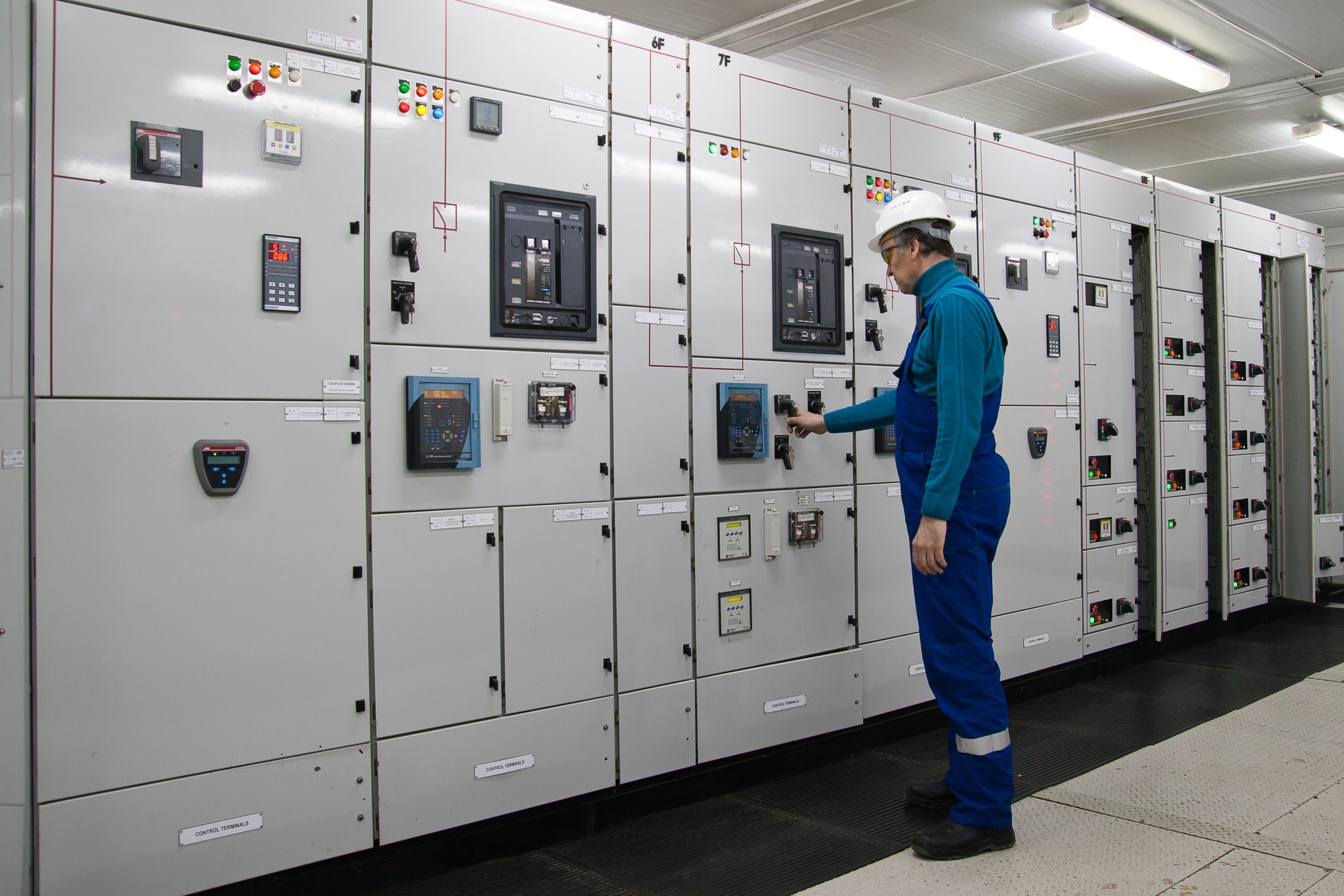
Nashville’s healthcare engine is expanding at a record pace, and with every tower addition, bed expansion, and MEP upgrade, sizable volumes of perfectly serviceable electrical equipment are coming out of service. If you manage a hospital campus or run renovation packages across Middle Tennessee, learning how to responsibly and profitably sell circuit breakers Nashville projects remove during hospital renovations is no longer optional—it’s a line item that can offset budgets, improve sustainability metrics, and reduce waste. The key is understanding which breakers have secondary-market demand, how to document their condition, and how to move them through a compliant, healthcare-appropriate disposition channel.
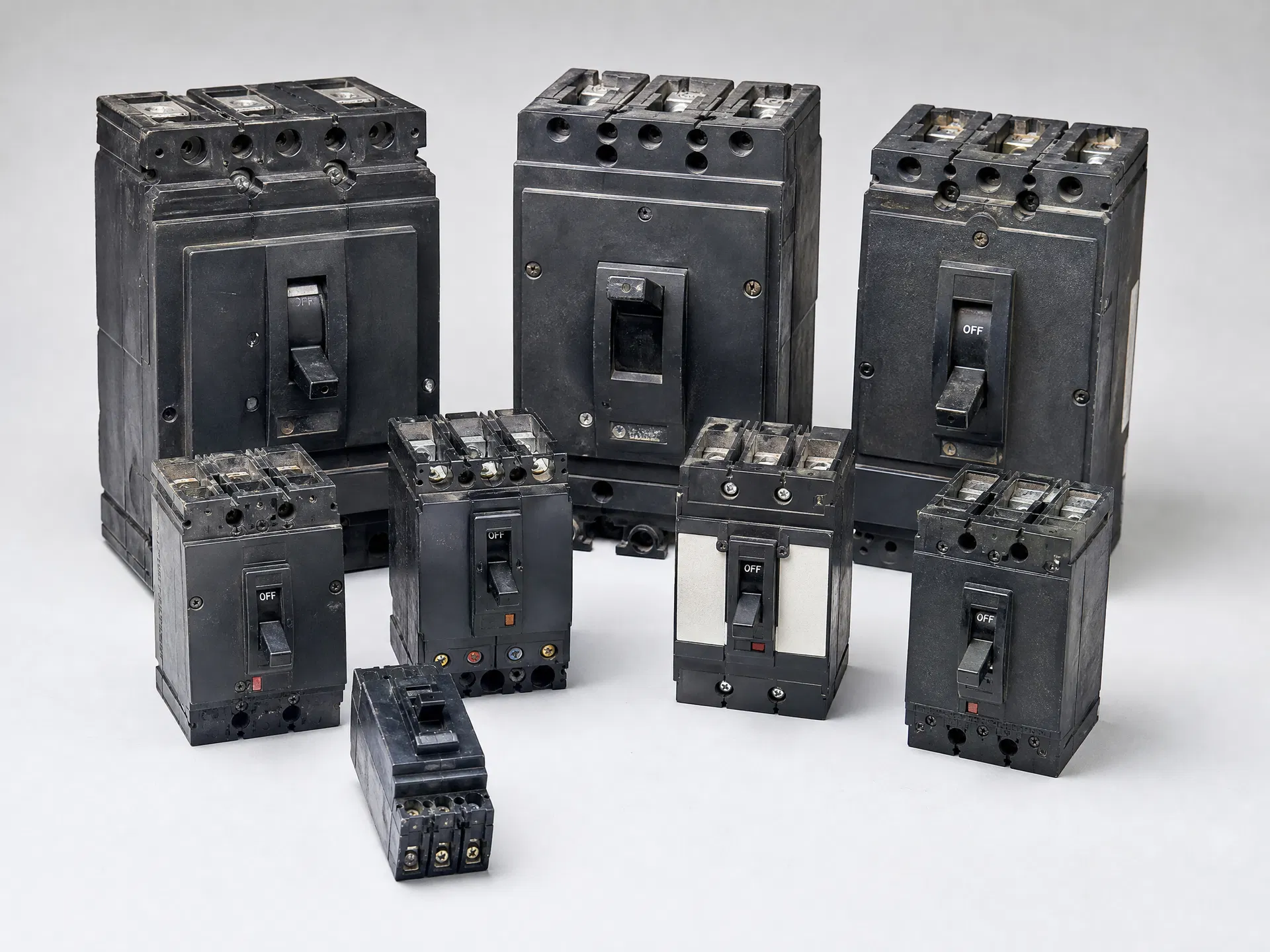
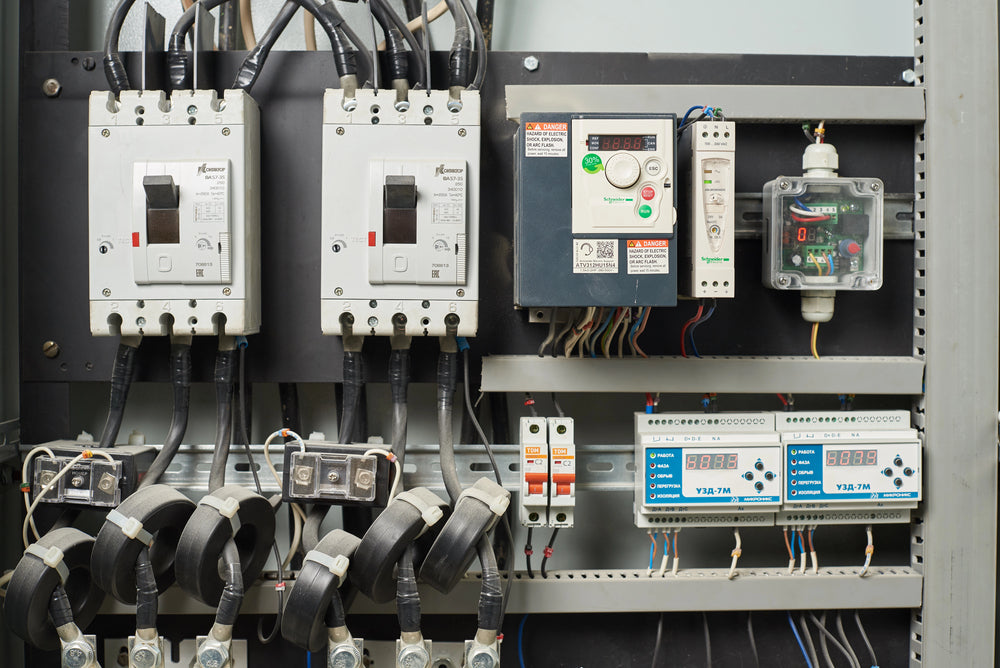
On most Nashville hospital renovations, the breaker mix spans molded case and power circuit breakers tied to essential electrical system distribution. Expect UL 489 MCCBs in 208Y/120V and 480Y/277V panels and switchboards, plus UL 1066 draw-out breakers in low-voltage switchgear. Common families include Square D/Schneider PowerPact H/J/L frames and legacy LA/KA/FA, Masterpact NW/NX with Micrologic trip units; Eaton/Cutler-Hammer Series C (HFD/JD/LD), Magnum DS with Digitrip; GE Spectra RMS and AKR/EntelliGuard; Siemens Sentron VL and WL lines; and ABB Tmax/Tmax XT. Clean, late-model breakers with electronic trips, 65–150 kAIC ratings, and hospital-maintained service histories typically command the strongest pricing, especially amid ongoing OEM lead times.
Hospitals are unique electrical environments governed by NEC Article 517 and NFPA 99. That means your decommissioned breakers often come with value-add documentation—selective coordination studies, IR scan results, maintenance logs, and arc-flash labels—that buyers use to qualify and price assets. Breakers pulled from life safety, critical, or equipment branches, ATS-fed lineups, and isolation power panel subfeeds can be attractive to reputable refurbishers when removal and handling are done correctly. Protecting line and load lugs, maintaining trip unit covers, capturing nameplate photos, noting frame/sensor/long-time settings, and palletizing by frame size all increase recoverable value.
Because we work daily with Nashville healthcare facility managers and ECs, we streamline chain-of-custody and compliance. From pre-bid asset walks and serialized takeoff lists to on-site segregation, HIPAA-safe routing, and manifesting by model and kA rating, our process is designed for hospital campuses—not just generic construction sites. Whether you’re gutting a legacy 480V switchboard feeding med-surg floors or swapping out OR panelboards to meet current selective coordination requirements, we can help you monetize removed breakers through surplus disposition without disrupting project schedules.
If you’re planning a phased demo or turnkey change-out, start the conversation early. Explore our surplus purchasing options under surplus buying or structure a project-wide demolition buyback to capture maximum value and simplify logistics. In a booming healthcare market like Nashville, aligning your electrical equipment disposition with an expert buyer is the fastest, most compliant path to recovering dollars from decommissioned circuit breakers.
The Unique Landscape of Nashville Healthcare Facility Upgrades
Nashville’s reputation as the healthcare capital isn’t just branding—it’s a day-to-day reality of continuous construction, modernization, and fit-outs across bed towers, hybrid OR suites, imaging departments, research labs, and central utility plants. Major systems headquartered or expanding here—HCA Healthcare, Vanderbilt University Medical Center, TriStar, and Ascension Saint Thomas—operate on aggressive project cycles to meet clinical demand, cybersecurity and resiliency mandates, and the evolving requirements of NFPA 99 and the NEC (Articles 517, 700, and 701). Electrically, that means larger service capacities, tighter selective coordination, lower incident energy, higher short-circuit ratings, and more sophisticated monitoring—changes that directly drive the retirement of otherwise serviceable low-voltage switchgear, panelboards, MCCs, and, notably, circuit breakers.
Healthcare upgrades typically reconfigure essential electrical systems into robust, dual-ended, selectively coordinated topologies with main–tie–main switchgear, ZSI (zone-selective interlocking), ERMS (energy-reducing maintenance switches), and integration with N+1 generator plants and UPS systems. As facilities migrate from legacy protection to modern trip technology—addressing NEC 240.87 arc energy reduction for 1200 A and above, improving coordination on the Life Safety, Critical, and Equipment Branches, and meeting higher available fault current—the result is a predictable surplus of commercial and industrial breakers. We routinely see removal of UL 1066 low-voltage power circuit breakers (LVPCBs) and UL 489 molded-case circuit breakers (MCCBs) during gear replacements, riser consolidations, and panelboard standardization.
Common surplus examples from Nashville hospital projects include:
- LVPCBs: Schneider/Square D Masterpact NW12H1/NW20H1 and NT08H1 with Micrologic 5.0/6.0 trip units; Schneider Masterpact MTZ2/MTZ3; Eaton Magnum DS 2000–4000 A with Digitrip 520/1150; Siemens WL 3200–4000 A with ETU776B/ETU977; ABB Emax/Emax 2 (E2/E4) with PR122/PR123; GE AKR 30/50 in AKD-8/AKD-10 lineups; GE EntelliGuard G with RMS-Trip or EntelliGuard TU.
- MCCBs and insulated-case: Square D PowerPact H/J/L frames (e.g., HGL36120, JDL36225, LGL36400), and older Spectra SE/SH frames; Eaton Series C (HJD, JGH, LGH, NGH), and NRX insulated-case; Siemens Sentron FXD6, JD6, LD6, and VL/3VA; ABB TMAX T5/T7 and SACE Tmax XT; Cutler-Hammer HMCP motor-circuit protectors in MCC buckets.
These units are often removed not due to failure, but because the facility is migrating to higher AIC ratings, integrating ZSI across feeders, adding networked metering, or consolidating to a single OEM for spares and training. Phased night cutovers and temporary power schemes also generate “never-energized” spares that become orphaned inventory once the final configuration changes.
Because healthcare campuses demand high reliability and strict compliance, proper asset recovery is critical. A professional recovery process should include:
- Pre-demolition audit and BOM with frame sizes, interrupting ratings, trip units, and firmware revisions.
- De-energized removal under a documented LOTO, with serial capture and chain-of-custody.
- Protection-grade packaging for draw-out frames, racking mechanisms, shutters, and secondary disconnects.
- Post-removal testing (primary injection, insulation resistance, mechanical operations) to NETA ATS/MTS and PEARL reconditioning standards, with clear labeling of condition and test data.
- Verification of listings/markings (UL 489/1066), accessory functionality (Shunt Trip, UVR, Bell Alarm), and any ZSI/ERMS wiring maps so the equipment can be responsibly redeployed.
Done right, asset recovery prevents unnecessary scrap, documents environmental stewardship, and returns meaningful capital to the project budget—especially for high-value frames like Masterpact NW/MTZ, Eaton Magnum DS, Siemens WL, and ABB Emax 2. For a snapshot of the breaker frames and switchgear lines Nashville facilities are divesting right now, view our Recent Purchases.
Identifying Valuable Circuit Breakers in Hospital Demolitions
Hospitals are rich in recoverable switchgear because they operate parallel utility/generator systems, rely on redundancy, and often run 24/7 critical loads. During demolitions or major upgrades, focus on main switchgear lineups, generator paralleling gear, central utility plants, imaging/MRI electrical rooms, and large mechanical rooms. High-value breakers are typically drawout, high-amperage, and feature electronic trip units.
Insulated Case Circuit Breakers (ICCBs) These sit between MCCBs and low-voltage power (air) breakers in size and duty. Look for 800A–2000A frames at 480Y/277V or 600V with LSIG electronic protection. Common identifiers: UL 489 listing, drawout cassette, and plug-in secondary disconnects. High-demand trip units include Micrologic (Schneider) and Digitrip (Eaton/Cutler-Hammer). ICCBs often protect large AHUs, imaging suites, and distribution switchboards. Even legacy insulated-case units with scuffed faces or dust from mechanical rooms retain strong core value because the cradles, rating plugs, and trip brains are refurbishable and frequently needed for like-for-like replacements in functioning hospitals.
Molded Case Circuit Breakers (MCCBs) Hospitals deploy many MCCBs, but the most valuable are higher frames and high-interrupting ratings: 600V class, 65kAIC or 100kAIC at 480V. Target 600A, 800A, and 1200A frames, especially with electronic trips. Examples you’ll see:
- Schneider/Square D PowerPact L/P/R frames with Micrologic LS/I/LSI/LSIG.
- GE Spectra RMS series (SE/SF/SG/SJ) with interchangeable rating plugs.
- Siemens Sentron VL with ETU packs.
- Eaton Series C KD/LD/LG frames and Series G equivalents. Pull units complete with auxiliaries (shunt trip, UVR, bell alarm) and line/load lugs if possible—accessories significantly increase resale value.
Air Circuit Breakers (ACBs) These are the crown jewels in hospital low-voltage switchgear. Typical ratings: 1200A, 2000A, 3000A, and 4000A at 480/600V, UL 1066, drawout design. Look for:
- Eaton/Westinghouse DS family (DS-206, DS-306, DS-416) with Digitrip 520/1150 trip units.
- Schneider Masterpact NW (e.g., NW20H1, NW32H1, NW40H1) with Micrologic 5.0/6.0.
- GE AKR/EntelliGuard G (AKR-30/50; EntelliGuard G with ETU 8.0).
- Siemens WL with ETU745/776. High short-circuit ratings (e.g., 85 kA at 480V) and LSIG functionality command premiums. Retain the drawout cradle, racking mechanism, and secondary couplers—hospitals often need exact replacements to keep legacy lineups compliant and minimize outage time. Even weathered DS or AKR breakers are valuable cores; refurbishers replace arc chutes, springs, and contacts.
Vacuum Circuit Breakers (Medium Voltage) Hospitals commonly run 4.16 kV or 13.8 kV distribution to unit substations and large chillers. Valuable MV vacuum breakers are drawout 1200A–2000A at 4.76 kV or 15 kV with 25–40 kA interrupting ratings. Watch for:
- Eaton VCP-W.
- GE Powervac (VB/VB2).
- Siemens 3AH.
- ABB VD4. Truck-mounted mechanisms, racking interlocks, and potential transformers add value. Even older, dirty carts are sought-after for parts and retrofit projects.
Fast identification checklist
- Nameplate: amperage (800A/1200A/3000A/4000A), voltage (480V/600V; 4.76 kV/15 kV), and kAIC.
- Trip unit: Micrologic, Digitrip, ETU/EntelliGuard—photograph firmware and rating plug.
- Configuration: drawout vs. fixed; drawout units and complete cradles are highest value.
- Accessories: LSIG functions, CTs, shunt trip/UVR, aux/bell alarms, communication modules.
- Standards: UL 489 (MCCB/ICCB) vs. UL 1066 (ACB); MV per ANSI C37.
Don’t scrap on appearance—older or dirty breakers, especially drawout frames with electronic trips, carry substantial core value. Keep them intact, protect primary stabs, and tag locations. For fast valuation and logistics, send photos and nameplate data: Get a Quote.
Top Brands and Models Recovered from Medical Facilities
Hospitals standardize on Tier‑1 low‑voltage switchgear built to UL 1066 (power circuit breakers) and UL 489 (molded‑case breakers), favoring OEMs with deep parts support and proven selectivity schemes. The most common gear we recover from 480Y/277V and 208Y/120V hospital electrical rooms comes from Square D, Siemens, Eaton, GE, and ABB.
Square D. For main and tie breakers, Square D Masterpact NW and NT frames dominate, typically in drawout cradles with Micrologic trip units (5.0/6.0 LSIG) and zone‑selective interlocking across feeders. We frequently see NW20H1 (2000A), NW32H1 (3200A), and NW40H1 (4000A) with ground‑fault sensing and secondary disconnects. A used Square D Masterpact NW 4000A can fetch thousands of dollars depending on condition; more specifically, tested, clean NW40H1 cradles with Micrologic 6.0 and shunt trip typically trade around $6,000–$15,000. On the feeder side, Square D PowerPact H/J/L/R frames are prevalent—examples include HJA36120 (120A, 35kA@480V), JDA36500 (500A, 65kA@480V), and RGF36400 (400A, 100kA@480V). Clean PowerPact J‑frame breakers with factory LS/I electronics often bring $400–$1,200, while R‑frame units with 100kAIR ratings can reach $1,500–$3,500.
Siemens. Hospitals with Siemens switchboards commonly use Siemens WL low‑voltage power circuit breakers (UL 1066) in drawout: WL12 (1200A), WL18 (1800A), WL32 (3200A), and WL40 (4000A), equipped with ETU776/776B or newer ETU8xx electronic trip units. Expect WL32 3200A mains with ZSI wiring harnesses and UVR/shunt trips recovered from normal and essential system gear. Pricing is configuration‑dependent, but a serviced Siemens WL 3200A with cradle and ETU7xx typically sells for $4,000–$10,000. For molded‑case feeders, Siemens VL series (e.g., VL1600, VL800 with Sentron electronic trip) are common, with 65–100 kAIC ratings; used VL800 feeders often land in the $1,200–$3,500 range.
Eaton. Many medical campuses standardize on Eaton Magnum DS drawout breakers (DS 2000–4000A) with Digitrip 520/1150 trip units, often in NEMA 1 switchgear with breaker‑mounted flux shifters and secondary test plugs. We routinely recover DS‑II 3200A mains/ties and 2000A feeders from generator paralleling gear. A clean, primary‑injection‑tested Eaton Magnum DS 3000A with Digitrip 1150 and cradle typically brings $5,000–$12,000. Downstream, Eaton Series C molded‑case L‑ and N‑frame breakers (e.g., LGL36400, NGH36800) with 65–100 kAIC ratings are common; pricing ranges from $800–$2,500 depending on frame and accessories.
GE. Legacy and mid‑vintage GE installations frequently feature GE Power Break II (PBII) drawout breakers—2000A, 3200A, and 4000A—with MicroVersaTrip Plus/PM trip units. Hospitals appreciate PBII for robust bus interface kits and available ZSI configurations in Spectra gear. A tested GE Power Break II 2000A with UVR and shunt trip typically sells in the $2,500–$7,500 range; 3200–4000A units command more. On the molded‑case side, GE Spectra RMS SE/SF/SK frames (e.g., SKHA36AT0100, SEHA36AT0800) are widespread in panelboards and switchboards; clean pulls often trade at $300–$1,200, higher with electronic trips.
ABB. ABB Emax and Emax 2 low‑voltage power breakers (E1–E6 and E2.2/E4.2/E6.2) with PR122/PR123 or Ekip trip units are increasingly common in newer hospitals, especially where arc‑flash mitigation and comms (Modbus/Profibus) are specified. Emax E4 3200A and E6 4000A drawouts with ZSI and UFV/UVR accessories are typical recoveries; market values of $4,000–$9,000 are common depending on trip unit generation and test documentation. ABB Tmax T5/T7 molded‑case feeders with 65–100 kAIC at 480V (e.g., T7N 800A, T5S 400A) often resell for $400–$1,500.
Across brands, hospitals often specify LSIG trip functions, zone‑selective interlocking, shunt trip/UVR for emergency power off, and factory maintenance/test records (NETA ATS/MTS). Units with documented primary injection test reports, intact cradles, and OEM secondary disconnects consistently realize top resale values.
Safety Protocols and Compliance During Electrical Decommissioning
Removing switchgear, panelboards, MCCs, and circuit breakers in a hospital is fundamentally a life-safety activity. Critical patient care areas depend on uninterrupted power across life safety, critical, and equipment branches; any misstep risks outages to ORs, ICUs, imaging suites, or sterile processing. That’s why decommissioning must be executed under a rigorous Method of Procedure (MOP), compliant with NFPA 70E and OSHA, and aligned with the facility’s Infection Control Risk Assessment (ICRA) and Interim Life Safety Measures (ILSM).
NFPA 70E compliance begins with planning. A qualified person performs an energized electrical work risk assessment and arc-flash hazard analysis (Article 130), confirms shock and arc-flash boundaries, and ensures equipment is properly labeled. The default approach is to establish an electrically safe work condition per Article 120: verify the correct source, open and rack-out breakers (e.g., Eaton Magnum DS, Square D Masterpact NW, Siemens WL, GE EntelliGuard G), apply Lockout/Tagout with personal locks, use absence-of-voltage testing (AVT or CAT III/IV meters), and install physical barriers. Energized work, if absolutely unavoidable for diagnostic testing, requires an Energized Electrical Work Permit (EEWP), incident energy calculations, and arc-rated PPE selection by the incident energy method—not just the PPE category table.
OSHA standards govern work practices and control of hazardous energy: 29 CFR 1910.333 (selection and use of work practices), 1910.335 (safeguards for personnel protection), and 1910.147 (LOTO). Hospital crews and the decommissioning team must coordinate disconnects and transfers through ATS bypass-isolation positions, STS/UPS maintenance bypass, and generator paralleling gear to maintain redundancy (N+1) for the Essential Electrical System. Load transfers are scheduled off-hours or during clinical downtimes, verified by pre-functional testing and live monitoring of alarms via BAS/EPMS.
In parallel, hospital-specific ICRA protocols control dust, airflow, and noise. Before any panel is opened or conduits are cut, the project ICRA matrix (ASHE ICRA 2.0 or facility standard) defines containment class, negative air requirements, HEPA filtration, anterooms, tack mats, and clean/dirty pathways. Penetrations are sealed with firestop systems rated to the assembly. All debris handling follows ICRA housekeeping checkpoints and terminal cleaning is verified prior to area turnover. Where silica or other particulates may be generated, respiratory protection follows OSHA 1910.134 and ICRA dictates wet methods, HEPA shrouded tools, and daily environmental monitoring.
A professional circuit breaker buyer with hospital experience streamlines this process and reduces risk. Their in-house, NFPA 70E–qualified technicians and riggers coordinate MOPs with Facilities, Clinical Engineering, and Infection Prevention; stage temporary power (cam-lock tap boxes, roll-up switchboards, or temporary ATS) to minimize outages; and provide full LOTO plans, Job Safety Analyses (JSA), and pre-task briefings. During removal, they de-energize, torque-verify per OEM specs, extract frames and draws, and protect assets for resale—crating Masterpact NW08H3, WL 3200 A frames, or EntelliGuard G 4000 A buckets with impact-resistant packaging and serialized chain-of-custody. Hazardous and universal wastes (e.g., mercury thermostats, old PCB-suspect capacitors, batteries) are segregated for compliant disposal.
Critically, logistics are choreographed to avoid patient-care disruptions: rigging routes avoid sterile corridors; elevator reservations and noise windows match clinical schedules; and clean equipment exits through negative-pressure containment with HEPA-scrubbed air. Documentation includes redline one-lines, breaker settings capture, arc-flash label updates, and turnover packages for Joint Commission readiness.
When bundled through a buyer’s demolition buyback program, the financial and operational advantages compound: monetized asset recovery offsets project costs while a single accountable party manages compliance, safety, and schedule. Learn more about our hospital-focused demolition buyback approach and how it keeps active care areas running while obsolete gear comes out safely.
The Financial Impact of Asset Recovery on Renovation Budgets
Hospital renovations are capital-intensive, especially when electrical scope expands to meet NEC 517 selective coordination, NFPA 99 essential systems, and arc-flash mitigation under NEC 240.87. One overlooked lever is monetizing the breakers and gear you’re removing. Turning surplus low-voltage power circuit breakers (LVPCBs), molded-case breakers (MCBs), ATSs, and MCC buckets into cash can materially offset contingencies, change orders, and owner-supplied equipment.
Consider a main-switchgear upgrade scenario typical of a 480Y/277V campus loop. A 4000–5000A M-T-M lineup with drawout LVPCBs—say a Square D Masterpact NW40H1/NW32H1 mix with Micrologic 5.0A/6.0A trip units, or Eaton Magnum DS 2500–4000A with Digitrip 1150/520—gets replaced to add ZSI, maintenance energy-reduction switches, and improved arc-flash labeling. The retired inventory often includes two mains, a tie, and 8–14 feeder breakers, plus cradles, racking tools, and spares.
Hypothetical but realistic recovery ranges (as tested, cleaned, and ready for resale to NETA ATS/ANSI C37.50 standards):
- Drawout mains/ties (e.g., Masterpact NW40H1 4000A, GE EntelliGuard G 3200–4000A, Eaton Magnum DS 3000–4000A): $4,000–$12,000 each depending on frame, interrupt rating, and trip unit options.
- Feeder LVPCBs (e.g., Masterpact NW12H1/NW16H1 1200–1600A; Siemens Sentron VL1600 drawout retrofits): $2,000–$7,500 each.
- MCC and distribution assets (e.g., Allen‑Bradley Centerline 2100 Size 2–4 buckets, Square D I-Line with PowerPacT H/J/L-frames, GE Spectra SRPE): $150–$900 per molded-case feeder; $300–$1,200 per across‑the‑line MCC bucket; $1,000–$3,000 for VFD buckets with intact E3/E3+.
- ATS equipment (ASCO 7000 800–1600A, Russelectric RPTCS 1000–2000A): $5,000–$18,000 per lineup based on amperage, pole count, and control package.
What that looks like in a hospital budget:
- Main switchgear upgrade: Two 4000A drawout mains + one tie at $7,500 each = $22,500. Ten 800–1600A drawout feeders at $2,500 average = $25,000. Plus accessories (Micrologic 6.0A trip units, Kirk key interlocks, shunt trips, UVRs, motor operators) at $3,000–$6,000. Total recovery: roughly $50,000–$55,000.
- West tower refresh: Removal of 24 MCC buckets (mix of Size 2–4 and VFD) averaging $800 = $19,200; add 30 PowerPacT H/J/L-frame breakers averaging $350 = $10,500. Total: ~$30,000.
- ATS right-sizing after generator plant modernization: One ASCO 7000 1200A at $9,500 plus a 400A at $2,000 = $11,500.
Even at the conservative end, campuses routinely realize $20,000–$50,000+ from a single main-switchgear project. For a $1.2M electrical package inside a $9M renovation GMP, a $45,000 recovery is roughly 3.75% of the electrical line—enough to:
- Fund isolation power panels and LIMs for two procedure rooms.
- Add 20+ networked patient monitors or infusion pumps to close a clinical equipment gap.
- Expand PACS storage and redundant UPS capacity for imaging suites.
- Upgrade to RTLS/badge infrastructure on a med-surg floor or add infant security to the NICU.
- Absorb an unforeseen change order (e.g., additional infection-control barriers, AHU HEPA upgrades, or lead-lined penetrations for a CT room) without touching contingency.
Operationally, a structured asset-recovery plan also compresses schedule risk: one lot purchase, on-site de-install, and immediate payment (often net-7) reduces dumpster pulls, scrap handling, and storage costs while preserving traceability for future coordination studies. We routinely extract high-value components—Micrologic A/E/H trip units, Digitrip 520/1150, Siemens ETU776, GE EntelliGuard TU, motor operators, aux/UVR coils—and pay a premium for complete drawout frames with cradles and racking gear.
Hospitals outside our core region benefit as well. If your site is in Texas, our Houston and North Texas teams streamline pickups from active healthcare campuses—see our Houston Circuit Breaker Buyer and Dallas Circuit Breaker Buyer pages for rapid valuations and scheduling:
- Houston: Houston Circuit Breaker Buyer
- Dallas: Dallas Circuit Breaker Buyer
Bottom line: treating removed breakers and switchgear as revenue-generating assets—not demolition debris—creates real budget relief that can be reinvested directly into patient care technology and resiliency.
Step-by-Step Guide to Selling Your Surplus Hospital Breakers
Nashville contractors: when hospital renovations, MRI/OR expansions, or emergency power upgrades leave you with surplus breakers, we make liquidation fast, clean, and profitable. Here’s exactly how to sell them to us—start to funds in your account with minimal touches from your team.
- Inventory and Photos (clear nameplates are key)
- Pull together a lot list by manufacturer and model. Common hospital SKUs we buy daily: Square D I-Line FA/KA/LA/LG/LL/LX, PowerPact H/J/L, Masterpact NT/NW; Eaton/Cutler‑Hammer Series C EHD/FD/JD/KD/LD and Series G, Magnum DS; Siemens Sentron ED/FD/MD/FXD6, 3VA/3VL, WL; GE Spectra RMS SGL/SJG/SFK/SFHA and EntelliGuard G.
- Capture straight-on, glare-free photos of:
- The breaker nameplate (catalog number, frame/trip rating, poles, voltage).
- Trip unit label (e.g., Micrologic 5.0A/6.0E, Digitrip 520/1150, PM trip values).
- Interrupting rating/AIR or AIC (e.g., 65 kA or 100 kA @ 480 V).
- Accessory labels: shunt trip (ST), undervoltage release (UVR), bell alarm/aux switch (S1/S2), rating plug, LSIG settings.
- Mounting interface (I-Line stab, bolt-on, plug-in cassette for WL/Masterpact, Spectra jaw).
- Condition details: lug sets, broken handles, heat discoloration, arc marks, missing hardware.
- Pro tip: include a wide shot of each pallet plus a close-up of each nameplate. If it came from a specific panelboard or switchboard, photograph the panel schedule/label.
- Note quantities and condition (NOS, take-out, tested, for rebuild). Only photograph equipment that is de-energized and locked out/tagged out.
- Submission (send details for a fast quote)
- Submit everything through our short form at Get a Quote (/contact). Include:
- Project location and pickup ZIP (e.g., 372xx), onsite contact, and dock/ground-hours.
- Manufacturer, catalog number, frame/trip (e.g., LA36400, SGLA36AT0600, NW20H1), poles, voltage class.
- AIC rating, accessories, mounting style (I-Line, Spectra, bolt-on), and any test reports.
- Quantities per SKU and whether palletized.
- Target timeline (e.g., demo ends Friday), and any site constraints (dock height, badge access).
- Attach photos (JPEG/PNG). Large files are fine—multiple uploads acceptable.
- Evaluation and Offer (same-day turnaround)
- We confirm specs against OEM catalogs and market demand, prioritize high‑value hospital gear: electronic-trip MCCBs and ICCBs with LSIG/selective coordination, 480 V 65–100 kAIC, and 400–4000 A frames.
- Typical premium items: Square D Masterpact NW20–NW63 with Micrologic; Eaton Magnum DS with Digitrip 1150; GE EntelliGuard G; Siemens WL; plus molded-case JD/LG/LD/T5–T8 with 65/100 kAIC.
- You’ll receive a firm written offer same business day (often within hours) with line-by-line pricing, freight included, and a net-to-you total. We can also bid lot-price if you prefer zero sorting.
- Logistics and Payment (we handle freight, pay upfront)
- We provide prepaid BOLs, pallet labels, and pickups across Greater Nashville. No dock? We dispatch liftgate trucks. Need packaging? We can send crates/Gaylords and banding in advance.
- Simple prep:
- Box small frames (FA/EHD/ED) by catalog number; bag hardware and rating plugs.
- Band larger frames (LA/JD/KD/MD) to pallets; protect trip units with cardboard corners.
- For Masterpact/WL/Magnum, ship in cassettes if available; otherwise pad the primary stabs.
- Once you accept our offer, we issue upfront payment via ACH or wire before the truck arrives. You’ll have funds confirmed and paperwork in hand—no consignment, no delays.
- Driver scans, loads, and goes. We handle claims, carrier coordination, and downstream testing—zero hassle on your side.
Ready to move your surplus? Start with photos and a quick upload at Get a Quote (/contact). We’ll price it today, schedule pickup on your timeline, and put cash in your account before wheels roll.
Why Partner with Circuit Breaker Buyer USA?
For Nashville healthcare facilities and electrical contractors, time, compliance, and certainty matter. Circuit Breaker Buyer USA combines deep low-voltage power distribution expertise with fast, transparent asset recovery to turn surplus breakers, switchgear, and ATS equipment into top-dollar value—without disrupting patient care or project timelines.
Healthcare-grade expertise you can trust
- We understand essential electrical systems (EES) under NEC 517, NFPA 99, and NFPA 70E. Our crews plan around life-safety, critical, and equipment branches, coordinate shutdown windows with Facilities/Clinical Engineering, and comply with ICRA protocols and interim life safety measures.
- We buy and handle UL 489 MCCBs and UL 1066 LVPCBs across major OEMs: Schneider/Square D PowerPact H/J/L/P/R and Masterpact NT/NW; Eaton Series C/G (FD, HFD, HKA, KD, MDL) and Magnum DS; GE Spectra RMS (SE/SF/SG), Power Break/Power Break II, EntelliGuard G; Siemens Sentron VL/3VA, WL; ABB Tmax T2–T7 and Emax 2 E1–E6; Cutler-Hammer/Westinghouse KD/LD/MD/ND frames. We also purchase associated gear like Square D I-Line and NF/NQ boards, Eaton PRL1/2/4, GE Spectra switchboards, Siemens P1–P4, LV switchgear lineups, MCC buckets (Square D 8536, Allen-Bradley Centerline 2100), and hospital-grade ATS units (ASCO 300/4000/7000, Zenith ZTG/ZTX).
- We know the accessories that retain value—Micrologic and Digitrip trip units, EntelliGuard trip units, LSIG functions, ground-fault modules, UVR, shunt trip, bell alarm, and metering kits—and we price accordingly.
Competitive, data-driven pricing
- We benchmark live secondary-market demand down to model numbers (e.g., Masterpact NW25H2, Eaton Magnum DS 3200A, Siemens WL 4000A, GE AKR-75S, ABB Emax 2 E4.2) to deliver immediate, firm offers. No cherry-picking—we buy complete lots, from 15A branch MCCBs to 5000A mains.
- Same-day POs, rapid ACH on pickup, and options for guaranteed-outcome buyouts or revenue-sharing on premium items. We provide serialized manifests with photos so your finance and compliance teams have full traceability.
Seamless, hospital-safe logistics
- White-glove removal coordinated with your shutdown plans and AHJ requirements. OSHA-30 supervisors, badged crews, and a clean, quiet work footprint that respects clinical areas.
- Turnkey rigging, palletization, and crating for large frames and lineups; liftgate or dock-height trucks; COI naming your facility; and chain-of-custody documentation. We handle on-site testing/labeling when needed and remove gear quickly to free space for new builds or upgrades.
Nationwide reach with Nashville responsiveness
- Headquartered to serve Middle Tennessee’s contractor ecosystem and healthcare corridor, we mobilize quickly for Vanderbilt-area projects, HCA facilities, and expanding outpatient networks.
- Our national footprint streamlines multi-site disposals and rollouts; while we serve Nashville daily, we also maintain strong buyer presence in Chicago and Los Angeles, enabling consistent pricing and scheduling across your portfolio.
Sustainability without compromise
- We prioritize reuse first. Test, recondition, and recertification pathways keep UL 489/1066-compliant equipment in service and out of landfills. When reuse isn’t viable, we channel material into certified downstream recyclers, segregating copper, aluminum, and steel to maximize recovery and minimize environmental impact.
- Detailed environmental diversion reporting supports ESG goals and capital project closeouts.
Bottom line: whether you’re decommissioning a central plant switchboard, replacing aging Masterpact mains, or clearing storerooms of surplus MCCBs, Circuit Breaker Buyer USA delivers healthcare-savvy execution, market-leading payouts, nationwide scale, and frictionless logistics—while advancing your sustainability commitments.
Frequently Asked Questions About Selling Hospital Electrical Equipment
Do you buy broken or non-operational breakers and components?
Yes. We purchase non-functioning and decommissioned breakers for parts, rebuild cores, or recycling. Frames and accessories from air, insulated-case, and molded-case breakers retain value even when the unit won’t pass trip or insulation tests. Examples include Square D/Schneider Masterpact NT/NW (e.g., NW25H1, NW32H), Eaton/Cutler-Hammer Magnum DS (DS-416, DS-632), GE AKR/EntelliGuard G (AKR-50, AKR-75, EGG25), Siemens WL, and ABB Emax/Emax 2. We also buy rating plugs, trip units (Micrologic 5.0/6.0A/E, Digitrip 810/1150, EntelliGuard TU), shunt/UV trips, and motor operators. Units with shattered phenolic frames, melted arc chutes welded to carriers, or missing bus stabs may be purchased as scrap. Send clear photos of nameplates, frames, accessory labels, and any damage. We’ll price cores, repairables, and scrap separately so you know what’s driving the offer.
How fast can you pick up from a Nashville hospital?
In Greater Nashville, we routinely mobilize within 24–72 hours and can do same-day in urgent cases (OR or imaging suite turnovers, generator changeouts, storm damage). We work across Vanderbilt/West End, Midtown, Donelson, and Williamson County locations. Provide a bill of materials, a few photos, and dock or street access details by noon and we’ll slot a liftgate box truck or rigging crew accordingly. Our crews carry OSHA 30, NFPA 70E arc-flash training, background checks, and can meet hospital badging and ICRA requirements. We coordinate after-hours/overnight pickups to avoid critical care disruptions and comply with hot work, LOTO, and infection control protocols. Certificates of Insurance (COI) naming your facility, job-specific JSAs, and site orientations are standard. Payment terms (ACH or company check) can be arranged for release at pickup.
Do we need to test the breakers before selling?
No testing is required. We buy “as-removed” and perform our own bench, primary-injection, and insulation testing to NETA ATS/MTS guidelines. For molded-case breakers (UL 489), we function-test mechanisms, measure contact resistance (DLRO), and exercise accessories. For ACB/ICCB (UL 1066), we remove and bench-test trip units (Micrologic, Digitrip, EntelliGuard), verify CT ratios, perform secondary injection, and primary-inject up to 50 kA depending on frame size. If your in-house shop can provide recent megger readings, contact resistance, or secondary-injection screenshots, include them—they can improve valuation, especially on high-amp frames (e.g., Masterpact NW32H, Magnum DS-632). Tag known issues (won’t charge/close, UV won’t reset, cradle latch wear). We handle reconditioning, replacement of arc chutes/springs, and full test reports downstream; it’s not a prerequisite for sale.
What if we have an entire low-voltage switchgear lineup or ATS room?
We purchase complete lineups and transfer equipment rooms, including mains-tie-mains, feeders, and associated protection/controls. Common examples: Square D QED-2/QED-6 with Masterpact NT/NW; Eaton Pow-R-Line C with Magnum DS; GE AKD-8/AKD-10 with AKR/EntelliGuard G; Siemens Sentron with WL; and legacy Westinghouse DS or ITE K-Line. For hospitals, we also buy ASCO 4000/7000, Zenith ZTS/ZTG, and Russelectric 3- or 4-pole bypass/isolation ATS (NFPA 110 Level 1). Send single-line diagrams, section nameplates (AIC rating, bus rating, voltage), breaker lists (frame/LSIG trip), metering/relay types, and photos of bus and cable compartments. We’ll propose an asset recovery plan, coordinate de-energization windows with Facilities, maintain life-safety and critical branches per NFPA 99, and provide rigging, crating, and site restoration (blank plates/covers). We can remove, purchase, and stage gear in phases to match your cutover schedule.
How is shipping handled for heavy air circuit breakers and large ATS cabinets?
For ACBs (typically 250–600 lb each), we custom-crate on 4x4 or 4x6 hardwood skids with through-bolts into frame mounting ears, shock/tilt indicators, and 2-inch steel banding. Trip units, rating plugs, and accessory modules are removed and boxed separately with anti-static padding. Breakers ship upright; never lay Masterpact, WL, AKR, or Magnum DS on operating handles. We schedule LTL or dedicated flatbed with liftgate as needed; dock-to-dock preferred. Typical single-breaker shipments rate at NMFC Class 70–85 with declared value insurance. For large ATS enclosures (e.g., ASCO 7000 3000A 4-pole with bypass, 1,200–2,200 lb), we palletize, block/bracing internal components, protect control panels, and wrap against dust/moisture. If you prefer, we dispatch our riggers to palletize on-site, manage chain-of-custody, and handle freight paperwork and pickup appointments.
What documentation and compliance do you require for hospital asset disposition?
We keep hospital compliance front and center. Prior to removal or pickup, we provide COI, W-9, and a site-specific safety plan. From you, we request a bill of sale, asset tag list, and a decontamination/clean release (important for equipment removed from procedure or sterile areas). If radiology adjacency exists, confirm no radiation-contaminated components. For emergency power assets (NFPA 110), note branch designation (life safety/critical/equipment), so we can plan outage windows accordingly—many projects require temporary feeds or bypass settings. We maintain serialized intake with photos and chain-of-custody logs. Items not reused are processed through certified downstreams (R2/RIOS) with certificates of recycling upon request. We do not require HIPAA documentation since PHI is not involved, but we adhere to hospital security, access control, and ICRA/IPC measures.
What brands and model numbers are you most interested in from healthcare facilities?
We buy modern and legacy low-voltage power distribution common in hospitals:
- Air/insulated-case: Schneider Masterpact NT/NW, Square D Masterpact M, Eaton/C-H Magnum DS, Westinghouse/CH DS, GE AKR/EntelliGuard G, Siemens WL, ABB Emax/Emax 2.
- MCCB and plug-ins: Square D PowerPact H/J/L/P/R, I-Line LA/LG/LI/MA/ML; Eaton Series C/Series G (FD/HFD/LFD, LXD/LX, NGH/ND); Siemens Sentron JD/LD/MD/PD; GE Spectra/Record Plus FE/TE/SE.
- ATS: ASCO 4000/7000, Zenith ZTS/ZTG/ZBTS, Eaton ATC-800/900, Russelectric RTS/RMT with bypass/isolation.
- Switchboards/gear: QED-2/QED-6, Pow-R-Line C, AKD-8/10, Sentron.
- Hospital-specific: Isolated power panels and LIMs (Bender LIM2000, PG LifeLink), MCC buckets (Allen-Bradley Centerline 2100, Siemens Tiastar), and VFDs serving AHUs/chillers (ABB ACH550/ACH580, Danfoss VLT). Include clear photos of nameplates and accessory labels to maximize valuation.
Conclusion and Next Steps for Nashville Contractors
To wrap up, the core takeaways are clear: choose the right breaker technology for the duty and fault current, engineer selective coordination where required, and verify ratings across the entire system. For most Nashville commercial and industrial projects at 480Y/277V or 208Y/120V, properly sized MCCBs (e.g., Square D PowerPact H/K/R, Eaton Series C/NRX, ABB Tmax XT, Siemens VL) with 35–100 kAIC interrupting capacity handle feeders and branch circuits, while ACBs (Masterpact MTZ, Eaton Magnum DS, Siemens WL, ABB Emax 2) anchor mains and tie breakers in UL 1558 switchgear. Smart trip units (Micrologic 5.0/6.0, Digitrip 520/1150, ETU 7xx) enable metering, Modbus/BACnet, zone-selective interlocking, and energy-reduction per NEC 240.67/240.87. Apply fully rated or series-rated solutions to meet available fault current and panel SCCR, validate with TCC curves, and coordinate emergency/healthcare systems per NEC 700/701/517. Close out with NETA ATS/MTS acceptance testing (primary/secondary injection), IR scanning, torque verification, and PE-stamped short-circuit/coordination/arc flash studies to IEEE 1584/NFPA 70E. We support AHJ/NES submittals, legacy cross‑references (Westinghouse/Cutler‑Hammer/ITE/GE Spectra to current Eaton/Siemens/ABB/Schneider equivalents), and fast-turn retrofits with shunt trip/UVR/aux contacts and breaker-to-breaker kits.
Your next move: reduce risk, compress schedules, and lock in compliant gear before long-lead items impact your critical path. Send your one-lines, available fault current, utility transformer data, and panel schedules; we’ll return a bill of materials, coordination snapshots, and a value-engineered, code-conforming path—often with quick‑ship options.
Call (951) 903-9804 now for a free, no-obligation quote, or use Get a Quote to upload drawings and specs. We can schedule a site walk, verify nameplate data, and turn submittals quickly—whether you need a Masterpact MTZ main with ZSI, a PowerPact R-frame retrofit with maintenance-mode switch, an Eaton NRX feeder with Modbus RTU, or an ABB Emax 2 tie with Synchrocheck. If you’re facing NES service upgrades, generator/ATS coordination, or tenant-improvement timelines, we’ll align breaker ratings, arc-flash boundaries, and lead times to keep inspections smooth and punch lists short.
Don’t let protection gaps, mismatched kAIC, or supply constraints stall your project. Call (951) 903-9804 or click Get a Quote to get started today. Free, no-obligation, and tailored for Nashville job sites.
Ready for a quote?
Call Circuit Breaker Buyer USA for a fast, no-obligation offer on your equipment.