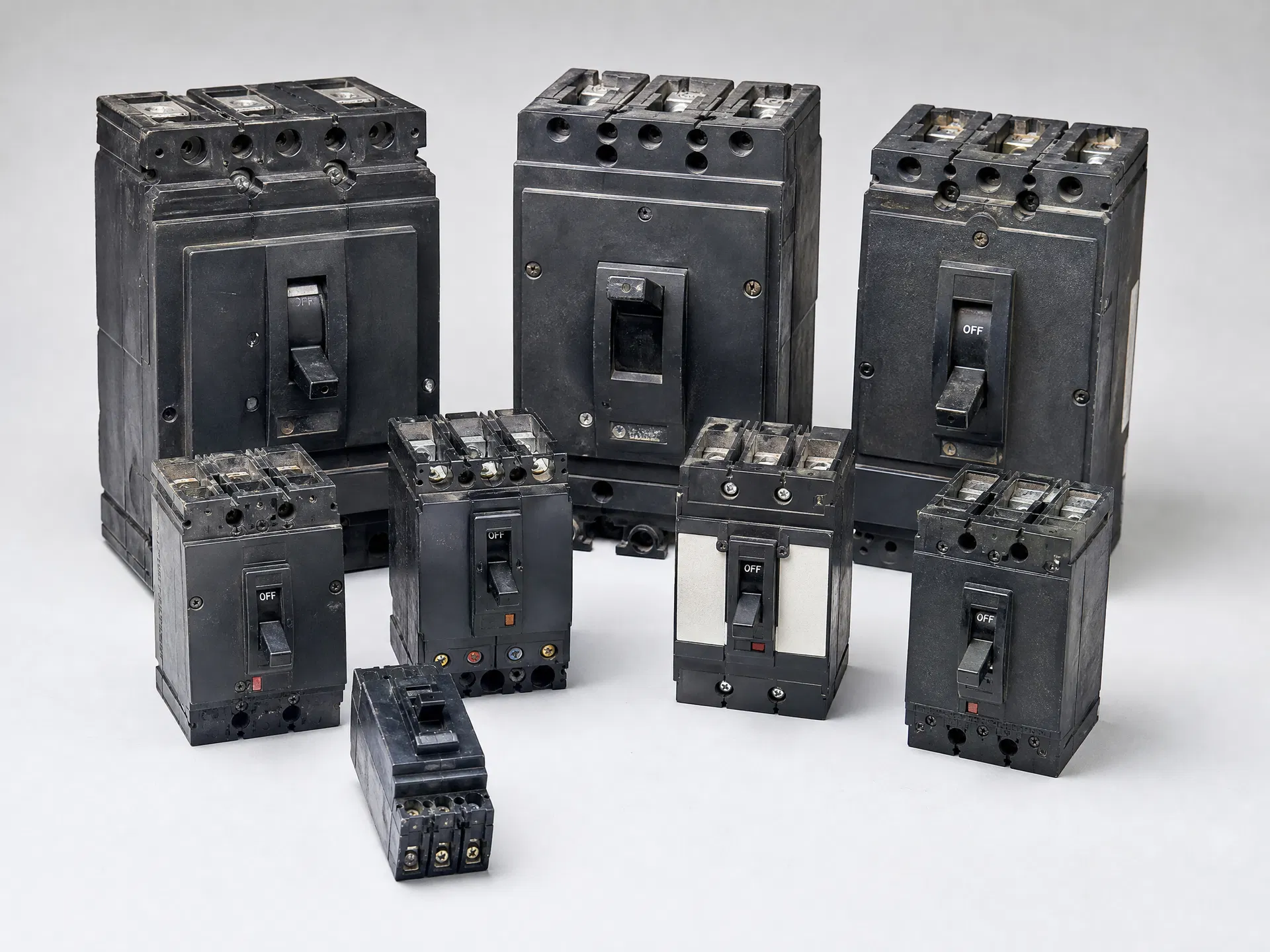
How to Get Top Dollar for GE Circuit Breakers in Dallas Texas
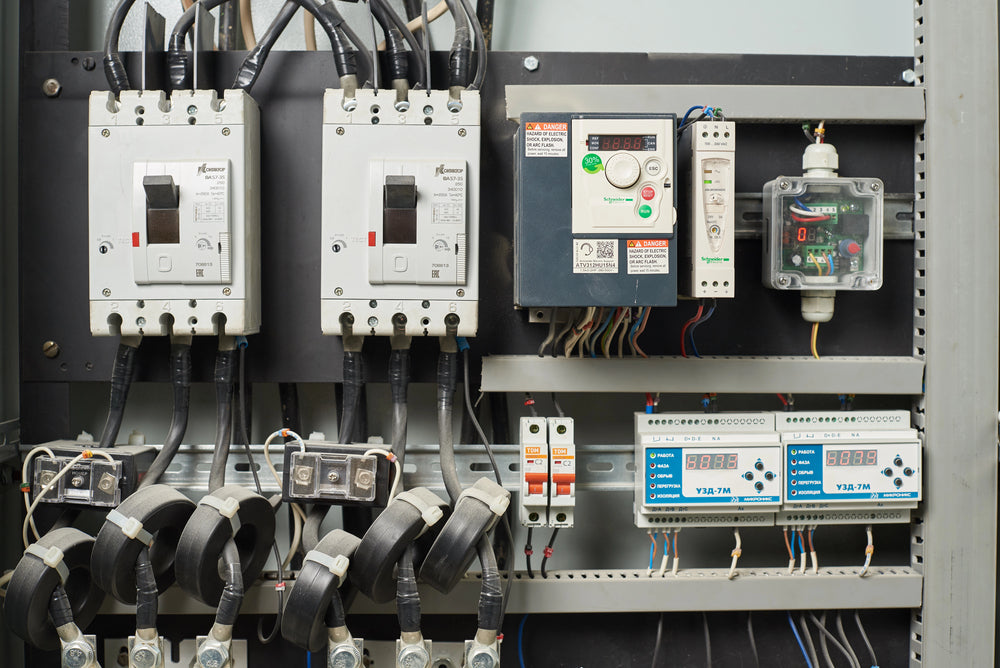
In the Dallas-Fort Worth (DFW) metroplex, the market for surplus and replacement electrical equipment is being shaped by one major force: growth. From data centers and logistics hubs in Plano, Richardson, and Irving to manufacturing expansions in Fort Worth, Arlington, and Mesquite, the region’s industrial and commercial footprint continues to accelerate. That expansion creates steady demand for dependable electrical components—especially circuit breakers that can keep existing switchgear, panelboards, and distribution equipment operating without long OEM lead times or costly system upgrades.
For facility managers, electrical contractors, plant maintenance teams, and surplus equipment sellers, this demand can translate into strong resale value—particularly for the right General Electric breakers. GE has a deep installed base across commercial buildings, industrial plants, schools, hospitals, retail centers, and municipal facilities throughout North Texas. When a building needs a direct replacement breaker, buyers often prefer a tested, compatible unit over redesigning equipment or waiting weeks for factory availability. That is where knowing how to properly identify, evaluate, and price your breakers becomes essential.
This guide focuses on the GE breaker lines most commonly encountered in the DFW surplus market: THQL, Spectra, and PowerBreak. Each category serves a different segment of the electrical distribution system, and each carries different resale potential. THQL breakers are widely used in lighting and appliance panel applications and tend to move quickly when in good condition and common amperages. Spectra breakers, including molded case units used in commercial distribution equipment, can command higher values depending on frame size, trip rating, interrupting capacity, and accessories. PowerBreak breakers—especially larger insulated case and draw-out style units—often represent the highest-value opportunities, particularly when they are clean, complete, and properly documented.
Getting top dollar for GE circuit breakers in Dallas is not just about having a recognizable brand name. Pricing depends on the exact catalog number, condition, amperage, voltage class, AIC rating, trip unit type, mounting configuration, demand in the local and national market, and whether the breaker has been tested or comes with supporting documentation. A breaker removed from a decommissioned facility in excellent condition may be worth significantly more than a similar-looking unit with missing hardware, unknown history, or signs of heat damage.
Whether you are liquidating equipment from a tenant improvement project, clearing inventory from an electrical shop, or removing switchgear during an industrial renovation, understanding the DFW market can help you avoid undervaluing your assets. The following pricing guide breaks down what buyers look for, which GE breakers typically bring the strongest offers, and how to position your THQL, Spectra, and PowerBreak inventory for the best possible return.
The Dallas-Fort Worth Market for Surplus GE Circuit Breakers
The Dallas-Fort Worth metroplex has become one of the most active markets in the country for surplus GE circuit breakers, driven by a rare combination of population growth, industrial expansion, commercial redevelopment, and critical infrastructure investment. Unlike markets dominated by a single industry, DFW’s electrical equipment demand is spread across Dallas, Fort Worth, Arlington, Irving, Plano, Frisco, Garland, Grand Prairie, Denton, and the broader North Texas logistics corridor. That diversity creates a steady need for both current-production and obsolete GE circuit breakers used in switchgear, panelboards, motor control centers, and facility power distribution systems.
Dallas continues to see substantial demand from commercial real estate, healthcare, financial services, and technology operations. Office towers, mixed-use developments, hospitals, universities, and high-rise residential projects all depend on reliable electrical distribution equipment, and renovation projects often require matching existing gear rather than replacing an entire lineup. In those situations, surplus GE breakers can be especially valuable. A facility manager may need a specific frame size, trip rating, mounting configuration, or vintage GE molded case or insulated case breaker to keep an existing system operational without the cost and downtime of a full electrical retrofit.
Fort Worth adds a different but equally important layer to the market. Its economy is heavily tied to aerospace, defense, rail, energy services, food processing, and large-scale industrial operations. Manufacturing plants and production facilities often maintain extensive inventories of electrical spares, but when equipment is decommissioned, upgraded, or consolidated, surplus GE breakers frequently enter the secondary market. These breakers may still have strong resale value, particularly when they are clean, tested, and suitable for use as replacements in active industrial facilities. For companies evaluating surplus assets, working with a specialized Dallas circuit breaker buyer can help ensure that GE breakers are identified correctly and priced according to real market demand.
Arlington and the surrounding Mid-Cities area further strengthen the regional surplus market. With automotive suppliers, entertainment venues, distribution facilities, municipal infrastructure, and commercial campuses located between Dallas and Fort Worth, electrical maintenance teams often face the challenge of supporting equipment installed over multiple decades. GE breakers from older switchboards, panelboards, and industrial control systems may no longer be readily available through traditional distribution channels, which makes the surplus market an important resource for emergency replacements and planned maintenance.
One of the largest drivers of demand in North Texas is the rapid growth of data centers and mission-critical facilities. The DFW area has become a major data center hub due to its central location, relatively stable weather profile, strong fiber connectivity, and access to major business customers. Data centers require redundant power systems, extensive switchgear lineups, UPS infrastructure, generators, and carefully coordinated protection schemes. Even when these facilities standardize on new equipment, surplus and replacement breakers remain important for maintenance, commissioning support, temporary power applications, and legacy system compatibility.
Commercial real estate development also plays a major role. As older buildings in Dallas, Fort Worth, and nearby suburbs are renovated for modern tenants, electrical contractors frequently remove existing GE equipment during service upgrades. Some breakers are scrapped, but many retain significant value if they are reusable, obsolete, or in demand for matching installed systems elsewhere. This creates a continuous flow of surplus electrical inventory from demolition projects, tenant improvements, plant relocations, and capital upgrades.
Compared with the Gulf Coast market, where petrochemical and heavy industrial facilities create strong demand for surplus electrical gear, North Texas is more diversified. A Houston circuit breaker buyer may see a higher concentration of refinery, offshore, and process-industry equipment, while the Dallas-Fort Worth market is shaped by data centers, logistics, aerospace, manufacturing, healthcare, and commercial construction. That breadth makes DFW a uniquely resilient market for surplus GE circuit breakers, with demand coming from both legacy electrical systems and fast-growing modern infrastructure.
General Electric THQL Series: Residential and Light Commercial Value Guide
General Electric’s THQL series is one of the most recognizable plug-in breaker families in the residential and light commercial market, particularly across North Texas where GE load centers are common in tract homes, multifamily properties, retail finish-outs, and small office buildings. THQL breakers are full-size, 1-inch per pole devices designed for use in compatible GE/ABB load centers, with a broad range of amperages that makes them practical for everything from standard branch circuits to larger appliance and feeder applications.
In the DFW area, the most frequently requested THQL breakers are 1-pole 15A and 20A units for lighting and receptacle circuits, 1-pole 30A breakers for dedicated equipment loads, and 2-pole 30A, 40A, 50A, and 60A breakers for HVAC condensers, electric water heaters, ranges, subpanels, and shop equipment. Larger 2-pole 100A THQL breakers are often used as feeders to detached garages, secondary panels, or small commercial distribution sections. While less common than 1-pole and 2-pole configurations, 3-pole THQL breakers are encountered in certain light commercial installations where 3-phase GE panelboards are still in service, typically in the 20A through 100A range depending on the equipment served.
From a value standpoint, THQL pricing depends heavily on pole count, amperage, condition, and current availability. Standard 1-pole 20A THQL breakers are usually among the most economical, with new-in-box (NIB) units often valued around $8 to $18 each, while used or professionally reconditioned units may trade in the $4 to $10 range when clean and tested. A 1-pole 30A THQL typically brings slightly more, commonly $12 to $25 NIB and $6 to $15 used or reconditioned. For 2-pole breakers, a THQL 30A or 50A unit may range from $20 to $45 NIB, with used/reconditioned examples often in the $12 to $30 range. Higher-amperage 2-pole breakers, such as 70A, 90A, or 100A THQL models, can command $45 to $100+ NIB depending on catalog number and supply, while reconditioned units often land between $25 and $70.
Three-pole THQL breakers tend to be more situational. A 3-pole 20A or 30A breaker may be valued around $35 to $75 NIB, while used or reconditioned inventory may sell for $20 to $50. Larger 3-pole 60A to 100A THQL units can move higher, especially when a contractor needs an exact replacement to avoid panel modifications. In those cases, the value is less about commodity pricing and more about speed, compatibility, and avoiding downtime.
Compared with the broader residential breaker market, GE THQL equipment generally sits in a competitive middle range. It is often more readily available than obsolete specialty breakers, but pricing can vary more than comparable modern lines from Square D or Siemens, especially when contractors are matching older GE panels in occupied properties. In Dallas, Fort Worth, Arlington, Plano, Irving, and surrounding suburbs, THQL breakers are routinely needed for remodels, HVAC changeouts, rental property maintenance, restaurant repairs, and warehouse office additions.
For surplus buyers and facility managers, condition matters. NIB THQL breakers are preferred for active service upgrades and customer-facing jobs, particularly when labeling and packaging are important. Used or reconditioned THQL breakers can be a strong value for maintenance inventories, temporary repairs, or like-for-like replacements, provided they are inspected, tested, and sourced from a reputable supplier. As with any molded-case breaker, confirming the exact catalog number, amperage, interrupting rating, pole count, and panel compatibility is essential before installation.
GE Spectra RMS Series: Maximizing Returns on Industrial Breakers
The GE Spectra RMS molded case circuit breaker line remains one of the stronger performers in the surplus and reconditioned breaker market, particularly for industrial facilities, OEM panels, switchboards, and distribution equipment that still rely on legacy GE gear. Now associated with ABB following ABB’s acquisition of GE Industrial Solutions, Spectra RMS breakers continue to command attention because they combine compact frame construction, true RMS sensing, field flexibility, and broad installed-base compatibility—four factors that directly support resale value.
The most actively traded Spectra RMS frames include the SG, SK, SF, and SR families, with ampacity ranges commonly spanning from smaller industrial feeders up through high-capacity distribution applications. The SG frame is widely encountered in 150–600 amp applications, while SK frame breakers are frequently used in heavier feeder and service equipment ratings up to 1,200 amps. Larger SF and SR frame units, depending on configuration, are often found in switchgear-style distribution environments where replacement availability is critical and downtime is expensive. Because many facilities prefer replacing like-for-like rather than redesigning gear, clean surplus Spectra RMS units often have a ready buyer base.
Specific model numbers such as SGLA36AT0400 and SKHA36AT0800 are good examples of configurations that can retain meaningful value. An SGLA36AT0400 typically represents a 3-pole SG-frame breaker with a 400 amp trip configuration, making it attractive for plant distribution, motor control center feeders, and commercial switchboard replacements. The SKHA36AT0800, an 800 amp SK-frame unit, is especially desirable because higher-amperage industrial breakers are more expensive new and harder to source quickly when a facility is down. In the secondary market, buyers often prioritize breakers like these when they are complete, tested, and equipped with usable electronic trip units, lugs, mounting hardware, and intact labels.
A major reason Spectra RMS breakers remain sought after is their electronic trip technology. Unlike older thermal-magnetic designs, Spectra RMS trip units use RMS current sensing to improve accuracy under non-linear loads—an important consideration in facilities with variable frequency drives, UPS systems, welders, rectifiers, and other harmonic-producing equipment. Many Spectra RMS breakers use interchangeable or configurable trip components, allowing maintenance teams to match protection requirements without replacing the entire frame. Features such as long-time, short-time, instantaneous, and ground-fault protection—depending on trip unit type—make these breakers practical for selective coordination and modern industrial protection schemes.
From a resale perspective, condition and completeness are everything. A used Spectra RMS breaker with a verified catalog number, clean housing, functioning operating mechanism, undamaged terminals, and a tested electronic trip unit will typically outperform an incomplete or untested unit. Accessories also influence value: auxiliary switches, shunt trips, undervoltage releases, bell alarms, plug-in adapters, rear connections, and factory lugs can materially improve marketability. For larger SK, SF, and SR frame breakers, the presence of compatible trip units and rating plugs may determine whether the breaker is sold quickly or treated as parts inventory.
Industrial buyers favor GE Spectra RMS because these breakers are proven, space-efficient, and deeply embedded in existing electrical infrastructure. Many plants do not want to retrofit switchboards or panels simply because a breaker has failed; they need a compatible replacement that can be installed with minimal engineering review. That urgency supports strong demand for common models, especially 3-pole 480V-rated units in the 400–1,200 amp range.
For sellers, maximizing returns means identifying the exact catalog number, documenting amperage and interrupting rating, noting trip-unit functions, and verifying whether accessories are included. Proper testing and clear photos of labels, terminals, and trip components can significantly improve buyer confidence. In a market where lead times and compatibility drive purchasing decisions, GE Spectra RMS breakers remain a valuable surplus asset—particularly when they are complete, clean, and ready for industrial reuse.
GE PowerBreak and PowerBreak II: Heavy-Duty Asset Recovery
GE PowerBreak and PowerBreak II insulated case circuit breakers are among the most valuable molded/insulated case assets recovered from industrial switchgear, data centers, utility facilities, manufacturing plants, and large commercial electrical rooms. Built for high-duty distribution applications, these breakers commonly range from 800A through 4000A and beyond, with frame sizes and interrupting ratings designed for demanding low-voltage power systems. When a facility is being upgraded, decommissioned, or demolished, these breakers are often some of the highest-value electrical assets on the floor.
The original GE PowerBreak line earned a strong reputation for reliability in main and feeder positions, especially in switchboards and low-voltage distribution gear where service continuity matters. PowerBreak II expanded that platform with more advanced electronic trip functionality, improved coordination capabilities, and broader integration into modern switchgear architectures. Because these breakers are still widely installed across industrial infrastructure, replacement demand remains strong. Facilities often need exact-fit breakers to maintain existing switchgear without costly lineups, bus modifications, or extended downtime. That demand is what gives properly recovered PowerBreak and PowerBreak II breakers substantial resale and surplus market value.
Configuration matters significantly. Drawout GE PowerBreak and PowerBreak II breakers are especially desirable because they are designed for fast removal, inspection, testing, and replacement without disturbing the entire switchgear structure. A complete drawout asset may include the breaker, cassette or cradle, racking mechanism, secondary disconnects, shutters, position indicators, and related hardware. These details can dramatically affect value. Fixed-mount units are also marketable, particularly when they are clean, complete, and fitted with desirable trip units, but drawout construction typically commands stronger interest due to its role in maintainable switchgear lineups and critical power applications.
Trip unit type is another major value driver. GE MicroVersaTrip and MicroVersaTrip Plus/PM trip units are commonly found across PowerBreak installations and are recognized for long-time, short-time, instantaneous, and ground-fault protection options depending on configuration. In later PowerBreak II applications, EntelliGuard trip units introduced more advanced protection, metering, communication, and system coordination features. Buyers evaluating these breakers are often looking for specific sensor ratings, plug ratings, LSIG protection, zone-selective interlocking compatibility, communication capability, and display condition. A 3000A or 4000A PowerBreak II with the right EntelliGuard trip package can represent a major recoverable asset, not just a scrap component.
For switchgear upgrades, these breakers have value in two directions. First, removed breakers can offset project costs through resale rather than being treated as demolition waste. Second, surplus PowerBreak and PowerBreak II breakers provide a practical solution for facilities that need to support existing GE gear without replacing an entire lineup. In plant teardowns, the opportunity is even larger. A single main-tie-main lineup may contain multiple high-amperage drawout breakers, each with trip units, accessories, and cubicle components that can be recovered, documented, and remarketed.
Condition, completeness, and handling are critical. Breakers should be removed carefully, protected from weather, and kept with their associated cradles, rating plugs, shutters, secondary blocks, and nameplate information whenever possible. Even accessories such as motor operators, shunt trips, undervoltage releases, bell alarms, auxiliary switches, and communication modules can influence value. Clear photos of labels, amp ratings, interrupting ratings, trip unit model numbers, and breaker condition help determine accurate market pricing.
We frequently buy these large assets through facility cleanouts, switchgear modernization projects, and industrial surplus packages, as shown on our Recent Purchases. For owners, contractors, and demolition teams, GE PowerBreak and PowerBreak II breakers should never be overlooked. They are heavy-duty electrical assets with real market demand, especially when recovered complete, identified correctly, and handled by a buyer who understands their technical and resale value.
Factors That Influence the Buyback Price of Your GE Breakers
The buyback value of surplus GE breakers depends on more than the catalog number stamped on the label. While model, amp rating, frame size, interrupting capacity, and trip unit configuration all matter, a qualified surplus buyer will also evaluate condition, age, completeness, and current resale demand. Two breakers with the same part number can receive very different offers depending on how they were stored, whether they include original packaging, and whether the market is actively requesting that specific GE or ABB/GE design.
One of the first classifications used in surplus valuation is New in Box (NIB). These breakers typically command the highest buyback price because they are unused, factory-packaged, and usually include original labels, instruction sheets, accessories, and protective inserts. For discontinued GE molded case breakers, Spectra RMS components, insulated case breakers, and other legacy product lines, NIB condition can be especially valuable because end users often need direct replacements that are no longer readily available through standard distribution.
The next category is New no Box (NNB). These breakers have not been installed or energized, but they are missing the original packaging. NNB breakers can still carry strong value, particularly if they are clean, complete, and show no signs of shelf wear or mishandling. However, because there is no factory packaging to verify storage history, buyers will inspect them more closely for scuffs, oxidation, missing hardware, bent terminals, damaged labels, or signs that the breaker was previously mounted.
Used/tested GE breakers are evaluated differently. A used breaker may still have significant resale value if it has been professionally removed, kept dry, and passes electrical and mechanical testing. Buyers will look for smooth handle operation, intact case construction, readable nameplates, clean line and load terminals, and contacts that do not show excessive pitting, heat discoloration, or contamination. For higher-value breakers, testing may include insulation resistance checks, contact resistance, trip verification, and inspection of adjustable trip units or electronic components. A used breaker that tests properly and has no visible damage will generally receive a stronger offer than one with an unknown operating history.
At the lowest end of the valuation scale are broken, damaged, or scrap breakers. Units with cracked cases, missing covers, broken lugs, burned terminals, stripped hardware, severe corrosion, or evidence of fault damage may have little or no resale value as functional equipment. In some cases, they may still be purchased for parts recovery, copper content, or obsolete components, but the price will be far below that of a serviceable breaker. Breakers that have been exposed to water, fire, chemical environments, or heavy impact are usually treated very cautiously.
Date codes also play an important role. Newer date codes may increase confidence in storage life and compatibility, especially for products still supported by the manufacturer. However, older GE breakers are not automatically undesirable. In the surplus market, obsolete and hard-to-find breakers can be highly sought after when facilities need exact replacements to avoid costly switchgear modifications. The key is whether the date code aligns with demand, condition, and the buyer’s ability to verify authenticity and performance.
Physical condition is equally important. Clean contacts, intact lugs, undamaged mounting feet, legible labels, and complete accessory hardware all support a higher valuation. Even cosmetic issues can affect resale potential if they raise questions about handling or storage. A breaker that appears well-maintained is easier to test, certify, and resell with confidence.
Finally, market demand can outweigh almost every other factor. Common breakers with abundant inventory may bring modest offers, while discontinued GE breakers needed for hospitals, industrial plants, utilities, and commercial facilities can command premium pricing. Demand fluctuates based on replacement needs, lead times, and availability in the secondary market. Working with an experienced buyer that understands GE breaker applications, testing requirements, and real-time resale trends is the best way to maximize recovery value. If you have surplus inventory to evaluate, professional surplus buying services can help determine which breakers have strong resale potential and which should be treated as parts or scrap.
How Our Demolition and Surplus Buyback Process Works in DFW
For electrical contractors, facility managers, and demolition crews working across Dallas–Fort Worth, surplus electrical equipment can quickly become a logistics problem if it is not handled by a buyer who understands the jobsite, the gear, and the schedule. Our demolition buyback process is designed to make equipment recovery straightforward, safe, and financially worthwhile—whether you are clearing out a commercial switchgear room in downtown Dallas, decommissioning industrial gear in Arlington, or removing panels and breakers from a retail redevelopment project in Plano.
The process typically starts with a quick inventory review. You can send photos, nameplate data, equipment lists, one-line references, or jobsite details, and our team will evaluate the material based on manufacturer, condition, age, interrupting rating, amperage, frame type, configuration, and current resale demand. Common equipment we purchase includes molded case circuit breakers, insulated case breakers, low-voltage power breakers, panelboards, switchboards, transformers, bus plugs, disconnects, motor controls, and related electrical distribution gear. We understand that demolition schedules move fast, so we do not require a perfectly formatted asset list to begin the conversation. Clear photos of labels, fronts, interiors, and breaker handles are often enough for an initial valuation.
Once we understand the scope, we provide a purchase offer or range based on the recoverable value of the equipment. For contractors and facility teams, this helps turn material that might otherwise be scrapped into a revenue stream for the project. For demolition crews, it can reduce disposal volume, improve site efficiency, and add value without slowing down the teardown. We are realistic about field conditions: equipment may still be mounted, staged in an electrical room, palletized in a warehouse, or sitting in a laydown area after removal. Our team factors those conditions into the logistics plan upfront.
After the offer is approved, we coordinate pickup around your jobsite schedule. In the DFW market, timing matters—especially when general contractors, property owners, utility shutdowns, and abatement crews are all working against the same deadline. We can arrange on-site pickup, dock pickup, or coordinated loading from a demolition site, depending on access and project requirements. If equipment is large, heavy, or still located inside a building, we discuss loading conditions in advance, including forklift availability, dock height, freight access, parking restrictions, and any site-specific safety requirements.
On pickup day, our goal is to keep the transaction efficient and organized. We identify the purchased material, confirm quantities where needed, and help ensure equipment is removed without disrupting the rest of the project. For many Dallas contractors, the biggest advantage is not having to find separate buyers for different categories of electrical gear or spend internal labor hours trying to market used equipment one piece at a time. We know what the equipment is, how to handle it, and how to move it.
Payment is handled quickly after verification, with clear documentation for your records. Depending on the transaction size and agreement, payment can be issued promptly by check, ACH, or other approved method. Our priority is to make the buyback process dependable from start to finish: fast evaluation, fair pricing, coordinated logistics, and prompt payment.
Whether you are managing a tenant improvement, plant shutdown, service upgrade, or full building demolition in Dallas–Fort Worth, selling surplus electrical equipment should not complicate the job. With an experienced electrical surplus buyer involved early, you can recover value, reduce waste, and keep your project moving.
Why Sell to Circuit Breaker Buyer USA Instead of Local Scrap Yards
When facilities, contractors, electricians, and maintenance teams remove circuit breakers from service, the first instinct is often to call a local scrap yard. While that may seem convenient, it is rarely the most profitable option. General scrap yards typically value electrical equipment by commodity weight—mostly copper, steel, aluminum, or mixed electrical scrap. That approach ignores the real resale value of many molded case breakers, insulated case breakers, power breakers, trip units, switchgear components, bus plugs, and obsolete electrical parts that still have demand in the secondary market.
Circuit Breaker Buyer USA evaluates equipment differently. Instead of reducing your breakers to scrap metal pricing, we identify manufacturer, frame size, interrupting rating, trip unit type, condition, series, amperage, voltage class, and current market demand. A breaker that may look like “used electrical scrap” to a general recycler could be a valuable replacement unit for an industrial plant, commercial facility, manufacturing line, utility operation, or contractor trying to keep older equipment in service. That specialized knowledge is what allows us to offer substantially stronger payouts than yards paying pennies by the pound.
The difference is especially important with major brands such as Square D, Eaton, Cutler-Hammer, Siemens, GE, ABB, ITE, Westinghouse, Federal Pacific, Zinsco, and other legacy or hard-to-find equipment. Many older breakers are no longer manufactured, yet facilities across the country still rely on matching replacements for existing panels and switchgear. A scrap yard may not distinguish between a common low-value breaker and a discontinued high-demand unit. Circuit Breaker Buyer USA does. We understand the secondary electrical market and price equipment based on usability, rarity, and resale potential—not just metal content.
Working with a specialized buyer also simplifies the process for large removals, plant cleanouts, electrical contractor surplus, warehouse overstock, and decommissioned gear. Local scrap yards are built for commodity intake, not electrical asset recovery. They may require you to sort materials, deliver heavy equipment yourself, or accept a flat low-grade scrap rate. We provide a more strategic outlet for surplus electrical inventory, helping sellers recover value from breakers and related components that would otherwise be undervalued or destroyed.
Circuit Breaker Buyer USA serves sellers nationwide, with a particularly strong presence in Texas markets including Houston, Dallas-Fort Worth, San Antonio, Austin, Corpus Christi, Midland-Odessa, and surrounding industrial corridors. Texas has a large base of refineries, data centers, manufacturing facilities, commercial construction, oil and gas operations, and electrical contractors—exactly the kinds of organizations that frequently generate surplus or obsolete circuit breakers. Our experience in these markets allows us to move quickly, evaluate equipment accurately, and provide competitive offers for both small lots and large-scale electrical removals.
At the same time, our reach extends well beyond Texas. We routinely work with sellers across major U.S. markets, including customers looking for a trusted Chicago circuit breaker buyer or a reliable Los Angeles circuit breaker buyer. This national scale gives us broader visibility into demand, pricing trends, and hard-to-find breaker requirements across multiple regions. That market intelligence directly benefits sellers because we are not limited to local scrap conditions or regional recycling prices.
Selling to Circuit Breaker Buyer USA is not just about getting rid of unwanted equipment—it is about recovering the highest practical value from electrical assets. If your breakers are reusable, obsolete, surplus, or in demand, they deserve more than scrap weight pricing. By working with a buyer who understands the equipment, the applications, and the resale market, you can turn surplus circuit breakers into a stronger return while keeping valuable electrical components in productive use.
Frequently Asked Questions About Selling GE Breakers in Texas
Do you buy obsolete GE breakers?
Yes. Obsolete and legacy GE breakers often have strong resale value, especially when they support installed switchgear that is still operating in commercial, industrial, municipal, and utility facilities across Texas. Many plants continue to use older GE low-voltage and medium-voltage equipment because a full switchgear replacement can be expensive, disruptive, and unnecessary when the existing gear is still serviceable.
Common obsolete GE breaker lines include Spectra RMS, Power Break, Power Break II, AK, AKR, AKRU, TJK, THJK, THLC, THH, TED, THED, SELA, SEHA, and various molded-case, insulated-case, and low-voltage air circuit breakers. We are particularly interested in surplus GE breakers with higher ampere ratings, adjustable trip units, draw-out construction, shunt trips, undervoltage releases, auxiliary switches, or solid-state trip devices.
Condition matters, but age alone does not disqualify a breaker. A breaker that has been properly stored, removed from clean service, or maintained under a preventive maintenance program can still be highly marketable. Even discontinued breakers with cosmetic wear may have value if the frame, contacts, operating mechanism, trip unit, and accessories are intact.
How do I identify my GE breaker model?
The most reliable way to identify a GE breaker is by locating the nameplate or label on the breaker body, faceplate, side frame, or trip unit. For draw-out air breakers, the data plate is often found on the front escutcheon, right or left side frame, or near the secondary disconnect area. For molded-case breakers, look for printed or stamped information on the front label, toggle area, or side of the case.
Important information includes the catalog number, frame type, amp rating, voltage rating, interrupting rating, trip unit type, number of poles, and any accessory codes. For example, a GE AKR breaker may be identified by an AKR frame designation, continuous current rating, draw-out configuration, trip device, and short-circuit rating. A Spectra RMS breaker may include an SG, SK, SF, or similar frame designation, along with rating plugs or electronic trip settings.
Photos are often the fastest way to confirm identification. Clear images of the front label, side labels, trip unit, lugs or stabs, and any accessory wiring help determine exact resale value. If the label is faded or missing, we can often identify the breaker using physical characteristics such as frame size, pole configuration, contact arrangement, mounting style, trip unit design, and handle or mechanism layout.
Do you handle freight from Dallas, Houston, San Antonio, Austin, or other Texas cities?
Yes. Freight coordination is a major part of buying GE breakers in Texas, especially when dealing with large frame breakers, palletized switchgear parts, or multi-breaker surplus lots. We can assist with pickups from Dallas-Fort Worth, Houston, San Antonio, Austin, El Paso, Corpus Christi, Beaumont, Midland-Odessa, Amarillo, Lubbock, and surrounding industrial areas.
For smaller molded-case breakers, shipping may be handled by parcel carrier if the breakers are properly packaged. Larger GE air circuit breakers, insulated-case breakers, and draw-out units usually require LTL freight. These breakers should be secured to a pallet, protected against impact, and wrapped to prevent moisture exposure during transit. Draw-out breakers should be strapped in a stable position so the primary disconnects, secondary contacts, arc chutes, and racking mechanism are not damaged.
If you are selling a large lot, we can discuss coordinated freight, dock pickup, liftgate service, or commercial carrier arrangements. Accurate dimensions, approximate weight, pallet count, and pickup conditions help streamline the logistics process. In many cases, freight cost is factored into the purchase offer, so sellers receive a clear net value before the transaction is finalized.
What if my GE breakers are used, dirty, or removed from service?
Used and dirty breakers can still be worth money, provided they are not physically destroyed, water-damaged, burned beyond evaluation, or missing critical components. Industrial breakers commonly accumulate dust, oxidation, paint overspray, label wear, or surface grime after years in service. These issues do not automatically eliminate resale value.
However, the technical condition of the breaker is important. We look for signs of overheating at terminals or primary disconnects, cracked molded cases, missing arc chutes, broken handles, damaged operating mechanisms, modified wiring, stripped lugs, missing trip units, and evidence of fault interruption. A breaker that has cleared a major short-circuit event may have internal contact damage, arc chute deterioration, or weakened insulation, all of which affect value.
You do not need to clean or refurbish the breaker before offering it for sale. In fact, aggressive cleaning can remove labels, disturb factory markings, or conceal useful inspection clues. The best approach is to provide accurate photos and describe the breaker’s history if known. Breakers removed during upgrades, facility closures, tenant improvements, or switchgear retrofits are often good candidates for resale even if they appear cosmetically rough.
Which GE breakers are most valuable in the Texas surplus market?
Value depends on demand, condition, configuration, and availability. In Texas, demand is often driven by industrial facilities, oil and gas operations, data centers, manufacturing plants, commercial buildings, hospitals, water treatment facilities, and utility infrastructure that still use GE equipment.
Higher-value GE breakers typically include large-frame insulated-case and air circuit breakers, draw-out breakers, high-interrupting-capacity molded-case breakers, and breakers with electronic trip units. GE AK and AKR breakers are commonly sought after because they remain installed in many legacy switchgear lineups. Spectra RMS breakers can also be valuable, particularly higher-amp frames with rating plugs and solid-state trip units. Power Break and Power Break II breakers are frequently in demand due to their use in low-voltage distribution systems.
Accessories can increase value. Shunt trips, undervoltage releases, bell alarms, auxiliary contacts, motor operators, zone-selective interlocking features, communication modules, rating plugs, and specialized trip units may make a breaker more desirable. Conversely, missing trip units, damaged stabs, incorrect modifications, or incomplete draw-out hardware can reduce the offer.
Can I sell GE breakers without test reports or maintenance records?
Yes. Test reports and maintenance records are helpful but not always required. Many surplus breakers are sold after building renovations, equipment upgrades, warehouse cleanouts, or plant shutdowns where formal documentation is unavailable. A lack of records does not automatically prevent a purchase.
That said, documentation can improve buyer confidence and may increase value. Useful records include primary injection test results, insulation resistance readings, contact resistance readings, trip time-current verification, maintenance reports, service history, and repair documentation from qualified electrical testing companies. For low-voltage power breakers, documentation showing proper operation of the trip unit, charging mechanism, close/trip coils, and auxiliary devices is especially useful.
If no records are available, detailed photos and honest condition notes become more important. Let us know whether the breakers were operational when removed, stored indoors, exposed to moisture, or removed due to a fault, upgrade, or demolition. Transparency allows for a more accurate offer and avoids delays during inspection.
Do you buy GE breaker parts, trip units, and accessories?
Yes. Individual GE breaker components can have value, especially for obsolete frames where replacement parts are difficult to source. We may buy trip units, rating plugs, arc chutes, primary disconnects, secondary disconnect blocks, charging motors, close coils, trip coils, undervoltage devices, shunt trips, auxiliary switches, handles, mechanisms, lugs, mounting hardware, and draw-out cassette components.
Electronic trip units are particularly important in the surplus market because many installed breakers are mechanically sound but need replacement protection components. Rating plugs for Spectra RMS and other GE systems may also be valuable when they are clean, identifiable, and undamaged. For AK, AKR, and Power Break families, accessory packages and control components may be needed to keep existing switchgear operational.
When selling parts, identification is critical. Provide part numbers, photos of labels, and the breaker frame from which the parts were removed if known. Even if you are unsure whether a part is reusable, we can usually determine marketability from images and basic measurements.
How quickly can I get an offer for GE breakers in Texas?
In most cases, an initial offer can be prepared quickly once the breaker information is complete. The most important details are manufacturer, catalog number, frame type, amp rating, voltage, interrupting rating, pole count, trip unit type, quantity, condition, and location in Texas. Photos of each breaker or representative photos of a matching lot are strongly recommended.
For standard molded-case breakers, valuation may be straightforward. For large GE air breakers, draw-out units, or mixed surplus inventories, the review may require closer evaluation of trip units, accessories, condition, and freight requirements. Large lots from warehouses, electrical contractors, demolition projects, refineries, manufacturing plants, and commercial switchgear upgrades may receive a structured offer based on itemized value and logistics.
To receive the strongest offer, separate GE breakers by type when possible, avoid cutting off labels or accessory wiring, and keep related parts together. If the breakers are still installed, take photos before removal so configuration and application details can be verified. The more accurate the information, the faster the transaction can move from quote to pickup and payment.
Ready to Sell Your GE Circuit Breakers in Dallas?
If your facility is carrying surplus GE circuit breakers, switchgear components, or obsolete electrical equipment, now is the time to turn that idle inventory into recovered capital. In a market where lead times, discontinued product lines, and replacement demand continue to affect industrial electrical supply chains, quality GE breakers can hold significant value—especially when they are properly identified, inspected, and matched with active buyer demand.
Whether you have molded case breakers, insulated case breakers, low-voltage power circuit breakers, trip units, frames, switchgear sections, or hard-to-find legacy GE equipment, selling to an experienced surplus electrical buyer helps you avoid the uncertainty of auctions, scrap pricing, and time-consuming resale channels. Dallas-area contractors, data centers, manufacturers, commercial facilities, and maintenance teams often remove serviceable GE equipment during upgrades, retrofits, expansions, or decommissioning projects. Instead of letting those assets sit in storage, you can recover value quickly while keeping dependable electrical equipment in circulation.
An expert evaluation matters. The value of your GE circuit breakers depends on factors such as catalog number, amperage, voltage class, interrupting rating, condition, accessories, trip unit type, and current market demand. Working with a knowledgeable buyer ensures your equipment is reviewed accurately—not treated as generic surplus or scrap.
If you have GE circuit breakers or related electrical equipment available in Dallas, we are ready to review your inventory and provide a competitive offer. Send photos, part numbers, quantities, and condition details, and our team will help determine the best path forward.
Call (951) 903-9804 today to discuss your surplus GE breakers, or submit your equipment details through our Get a Quote page. Let us help you convert unused electrical inventory into real return.
Ready for a quote?
Call Circuit Breaker Buyer USA for a fast, no-obligation offer on your equipment.