How to Sell Industrial Circuit Breakers in Detroit Michigan
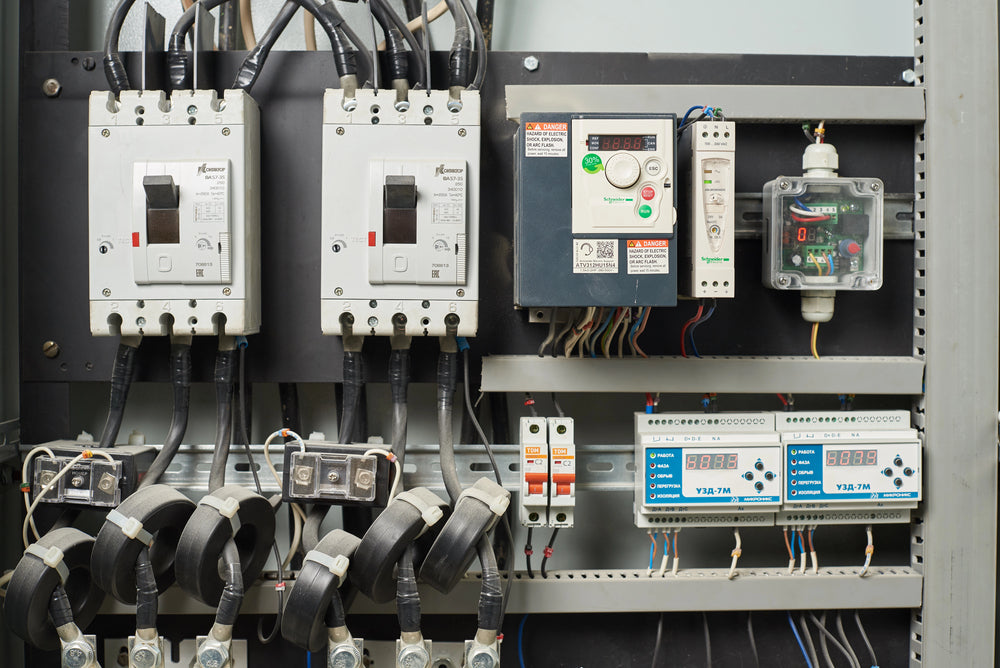
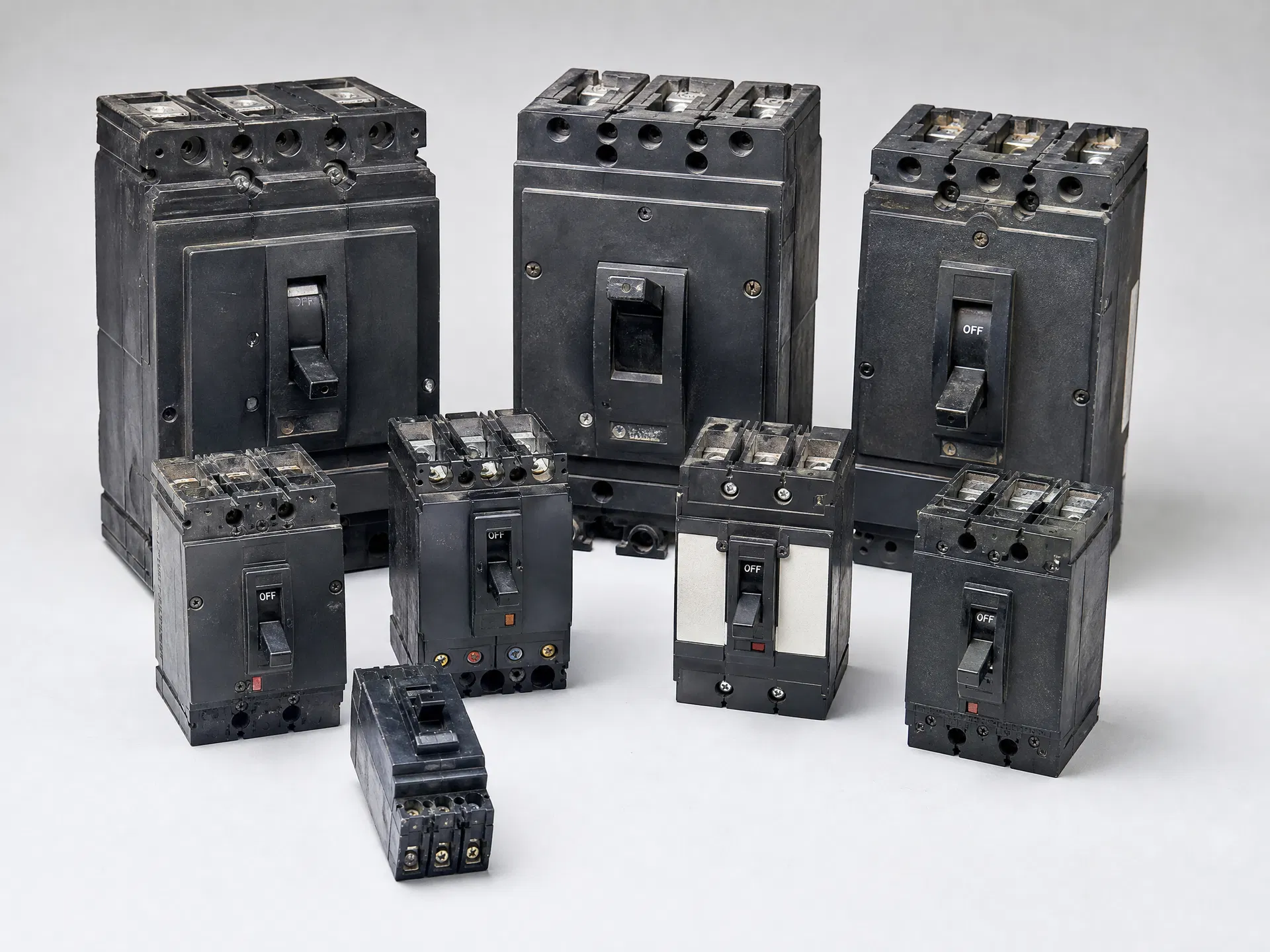
Detroit’s longstanding reputation as the heart of the American automotive and manufacturing industries means that heavy-duty electrical infrastructure is a critical component of daily operations. Facilities throughout the region routinely engage in upgrading, decommissioning, or replacing high-capacity industrial circuit breakers, particularly those rated 800 amps and above, to maintain efficiency, safety, and compliance with evolving industry standards. For plant managers, electrical engineers, and maintenance supervisors, understanding how to effectively sell surplus or used industrial circuit breakers is essential to maximizing asset value and minimizing downtime.
When dealing with 800A+ industrial breakers, the process requires not only technical knowledge but also access to reliable, specialized buyers who understand the unique demands and specifications of such equipment. Circuit Breaker Buyer USA stands out as Detroit’s premier buyer of surplus and used industrial circuit breakers, offering industry-leading expertise, competitive pricing, and a streamlined transaction experience tailored to the automotive and manufacturing sectors. Their team is highly experienced in handling breakers from major manufacturers, ensuring proper evaluation and quick turnaround.
This guide will walk you through the key considerations for selling your 800A+ industrial circuit breakers in Detroit, including how to assess equipment condition, prepare documentation, and connect with trusted buyers like Circuit Breaker Buyer USA. If you’re ready to explore your options or get an immediate assessment of your surplus breakers, don’t hesitate to Get a Quote today and take the first step toward turning unused electrical assets into valuable capital.
The Detroit Industrial Landscape: Why High-Amperage Breakers Are in Demand
Detroit’s industrial backbone is historically rooted in automotive manufacturing, steel production, and heavy industry—sectors that demand robust and reliable electrical infrastructure. These facilities operate high-capacity machinery and complex electrical systems requiring circuit protection capable of handling substantial electrical loads. Consequently, high-amperage circuit breakers rated at 800A, 1200A, 1600A, 2000A, 3000A, and even 4000A are integral components in maintaining operational safety and efficiency across Detroit’s industrial landscape.
Automotive Plants: Powering Production Lines with Precision
Detroit’s automotive plants are among the most electrically intensive facilities in the region. Assembly lines, robotic welders, stamping presses, and large-scale HVAC systems all necessitate high-amperage breakers to manage the significant electrical currents involved. Breakers in the 800A to 1600A range are commonly employed to protect subpanels and motor control centers, while 2000A and 3000A breakers often serve as main disconnects for larger distribution panels.
As automotive manufacturers undertake facility upgrades and retool their plants to accommodate electric vehicle (EV) production, electrical demands are evolving. The integration of new battery assembly lines and high-capacity charging infrastructure increases the need for breakers with even higher amperage ratings, such as 3000A and 4000A units, to ensure safe and reliable power distribution.
Steel Mills and Heavy Manufacturing: Managing Massive Electrical Loads
Steel mills and heavy manufacturing plants in Detroit are characterized by their immense power requirements. Electric arc furnaces, rolling mills, and large motor drives necessitate breakers capable of handling extremely high current loads. Here, 2000A to 4000A breakers are essential for safeguarding equipment and minimizing downtime due to electrical faults.
These facilities often have complex electrical distribution systems with multiple layers of protection to accommodate the heavy and fluctuating loads typical in steel production. High-amperage breakers not only protect against overloads and short circuits but also facilitate selective coordination, ensuring that faults isolate only the affected sections without compromising the entire plant’s operation.
Facility Upgrades, Retooling, and Plant Decommissioning: Impact on Breaker Demand
Detroit’s industrial sector is currently experiencing a significant transition. Many plants are upgrading their electrical infrastructure to improve energy efficiency and adapt to new manufacturing technologies, especially with the rise of EV production. These upgrades often involve the replacement or augmentation of existing circuit breakers to meet increased electrical load requirements and comply with modern safety standards.
Simultaneously, some traditional manufacturing facilities are undergoing decommissioning as operations shift or consolidate. This process frequently generates surplus electrical equipment, including high-amperage breakers, that remain in good working condition. Proper handling and resale of this equipment provide economic and environmental benefits.
Companies specializing in Demolition Buyback Services play a crucial role in facilitating the efficient recovery and redistribution of such surplus equipment. By salvaging high-amperage breakers from decommissioned plants, they help meet the ongoing demand in other facilities requiring reliable, high-capacity circuit protection.
The Strategic Value of High-Amperage Breakers in Detroit’s Industry
In summary, the unique combination of Detroit’s automotive, steel, and heavy manufacturing industries creates a sustained demand for high-amperage breakers across a wide range of ratings. These breakers are vital to ensuring operational continuity, safety, and compliance with electrical codes in facilities that rely on heavy electrical loads.
As Detroit’s industrial framework evolves, the availability and strategic reuse of breakers rated from 800A up to 4000A become increasingly important. Facility managers and electrical engineers prioritize sourcing high-quality, reliable breakers to support both new construction projects and retrofit initiatives. The dynamic interplay between industry growth, technological advancement, and equipment lifecycle management underscores the critical role of high-amperage breakers in Detroit’s industrial ecosystem.
Identifying Your 800A+ Industrial Circuit Breakers
Accurately identifying 800A and above industrial circuit breakers is critical for facility managers and electrical contractors to ensure safe operation, proper maintenance, and effective replacement or upgrade planning. This detailed guide outlines key steps and technical considerations to help professionals precisely determine the specifications and characteristics of their circuit breakers.
Reading the Nameplate Information
The nameplate on an industrial circuit breaker is the primary source of information. It typically contains essential data such as:
- Manufacturer and Model Number: Identifies the brand and series, crucial for sourcing parts or replacements.
- Frame Size (e.g., 800A, 1200A, 1600A): Indicates the physical and electrical size of the breaker.
- Interrupting Capacity (kAIC): Measured in kiloamperes interrupting capacity, this rating specifies the maximum fault current the breaker can safely interrupt. For industrial breakers rated 800A and above, common kAIC values range from 25kA up to 200kA, depending on the model and application.
- Voltage Rating: Most industrial breakers are rated for 480V or 600V systems; this must match or exceed the facility voltage to ensure safety and compliance.
- Trip Unit Type: Indicates whether the breaker uses a thermal-magnetic or electronic trip unit.
Facility managers should carefully inspect the nameplate for these details, noting any wear or obscurity that may require cleaning or magnification tools for proper reading.
Identifying Frame Sizes
The frame size of a circuit breaker reflects its physical dimensions and maximum continuous current rating. For 800A+ breakers, frame sizes often correspond to standard industry increments such as 800A, 1200A, 1600A, and beyond. This information is usually printed clearly on the breaker frame or nameplate.
Understanding the frame size is vital because it determines compatibility with switchgear, bus bars, and panelboards. Additionally, frame size influences the breaker’s mechanical and thermal capacity, affecting the selection of appropriate trip units and accessories.
Trip Unit Types: Electronic vs. Thermal-Magnetic
Industrial breakers employ different trip units to detect and respond to electrical faults:
-
Thermal-Magnetic Trip Units: Utilize bimetallic strips for thermal overload detection and an electromagnetic coil for short-circuit protection. These are common in older or simpler breaker models. They offer reliable protection but have less precise trip characteristics.
-
Electronic Trip Units: Incorporate microprocessor-based electronics to provide advanced protection features, including adjustable settings for long-time, short-time, instantaneous, and ground-fault trips. Electronic trip units offer enhanced accuracy, communication capabilities, and data logging, making them preferred in modern industrial installations.
Identifying the trip unit type involves examining the breaker’s front face or nameplate for designations such as “EL” or “ETU” for electronic trip units, or model numbers associated with thermal-magnetic units. Some electronic trip units have visible digital displays or adjustment knobs.
Mounting Types: Drawout vs. Fixed
Mounting configuration affects maintenance procedures and breaker replacement:
-
Drawout Breakers: These breakers are mounted on a carriage that allows them to be physically drawn out from the switchgear for inspection, maintenance, or replacement without disconnecting wiring. Drawout types are common in high-capacity industrial applications due to ease of service and enhanced safety.
-
Fixed Breakers: Fixed-mount breakers are bolted directly to the switchgear bus bars and require wiring disconnection for removal. They tend to be simpler and less expensive but offer less flexibility during maintenance.
Identifying the mounting type involves inspecting the breaker installation. Drawout breakers typically feature handles or latch mechanisms for withdrawal, whereas fixed breakers do not.
Additional Technical Considerations
Beyond nameplate and physical inspection, consider the following technical details:
-
Interrupting Capacity (kAIC): Ensure the breaker’s interrupting capacity matches or exceeds the maximum available fault current at the installation point. Using breakers with insufficient kAIC can lead to catastrophic failure during faults.
-
Voltage Ratings: Verify the voltage rating is appropriate for the facility’s electrical system (commonly 480V or 600V for industrial applications). Using breakers rated for lower voltages than the system can compromise safety.
-
Trip Settings and Coordination: For breakers with adjustable trip units, record the current trip settings to assist in coordination studies and fault analysis.
Leveraging Professional Surplus Services
If you need assistance in identifying, sourcing, or upgrading 800A+ industrial circuit breakers, professional surplus buying services can provide valuable support. They offer expertise in verifying breaker specifications and sourcing high-quality equipment that meets your operational requirements. Learn more about these solutions at Surplus Buying Services.
Top Brands We Buy from Detroit Facilities
When sourcing industrial circuit breakers from Detroit facilities, certain brands consistently stand out due to their reliability, performance, and widespread application across multiple industries. These brands and their specific models maintain high demand in the secondary market, driven by their proven track records and compatibility with legacy and modern electrical systems.
Square D
Square D, a Schneider Electric brand, is renowned for its robust and versatile circuit breakers. Two primary series dominate the market:
- Masterpact Series: This line includes air circuit breakers designed for high-current applications and industrial plants. Models such as the Masterpact NW and Masterpact NT are valued for their advanced electronic trip units and modular design, which simplify maintenance and upgrades.
- PowerPact Series: These molded case circuit breakers (MCCBs), including the PowerPact H, J, and L frames, are widely used in commercial and industrial power distribution. Their adjustable trip settings and durability make them ideal for retrofits and expansions.
The Square D brand’s reputation for quality, combined with the availability of replacement parts and technical support, ensures these breakers retain strong resale value.
Siemens
Siemens offers a comprehensive range of circuit breakers favored for their innovation and efficiency:
- WL Series: The WL line comprises molded case circuit breakers known for their compact size and high interrupting capacity, suitable for industrial control panels and power distribution.
- RL Series: These are air circuit breakers designed for large-scale electrical systems, with models like RL250 and RL400 offering adjustable trip units and extensive monitoring capabilities.
Siemens breakers are prized in the secondary market for their flexible configurations and compatibility with various industrial systems, making them a reliable choice for facility upgrades and replacements.
Eaton
Eaton’s circuit breakers are synonymous with durability and advanced protection features:
- Magnum DS Series: Industrial molded case circuit breakers in this series are designed to provide superior electrical protection in harsh environments. Models such as the Magnum DSJ and DSL are known for their electronic trip units, which offer precise control and diagnostics.
The Magnum DS series’ blend of ruggedness and smart technology makes these breakers highly sought after for reuse in industrial facilities seeking to enhance electrical safety while minimizing costs.
GE
General Electric’s industrial circuit breakers have long been trusted for performance and innovation:
- WavePro Series: WavePro molded case circuit breakers combine compact design with electronic trip units, offering reliable protection for industrial and commercial applications.
- PowerBreak Series: This series of air circuit breakers provides high interrupting capacities and flexible trip settings, suitable for large-scale electrical distribution systems.
GE breakers, particularly from these series, are valued in the secondary market due to their widespread installation, ease of integration, and availability of technical documentation, which facilitate refurbishment and redeployment.
ABB
ABB is a global leader in electrical equipment, and its circuit breakers are noted for their cutting-edge technology:
- Emax Series: The Emax air circuit breakers include models such as Emax 2 and Emax 3, which feature digital trip units, real-time diagnostics, and energy management capabilities. These breakers support smart grid and IoT applications, enhancing operational efficiency.
The advanced features and modularity of ABB’s Emax series drive strong demand in the secondary market, especially among facilities aiming to upgrade to intelligent power distribution systems without incurring the cost of new equipment.
By focusing on these top brands and their key models, Detroit facility buyers can identify high-value industrial circuit breakers that combine proven performance with market demand, ensuring optimal returns and reliable electrical protection for end users.
The Valuation Process: How We Price Your Surplus Breakers
At Circuit Breaker Buyer USA, our approach to valuing used and surplus industrial circuit breakers is both meticulous and market-driven, ensuring you receive a fair and competitive offer. Understanding the intrinsic and market-related factors that affect breaker pricing allows us to accurately assess your equipment’s worth. Here’s a detailed look into how we determine the value of your surplus breakers.
Age and Condition
One of the primary factors influencing valuation is the breaker’s age and overall condition. Breakers that are “New in Box” (NIB) or unused typically command the highest prices because they offer immediate reliability without the need for refurbishment. Conversely, breakers that have been previously installed and show signs of wear or require maintenance will be priced accordingly.
Obsolete breakers, which are no longer manufactured or supported by the original equipment manufacturer (OEM), tend to have variable value. While some obsolete models may be highly sought after due to scarcity, others might depreciate significantly if replacement parts and technical support are unavailable.
Brand Reputation and Model
Brand recognition plays a significant role in pricing. Industry-leading manufacturers such as Square D, Siemens, ABB, Schneider Electric, and Eaton generally retain higher resale values due to their reliability, availability of parts, and market demand.
Within these brands, specific product lines and models can also impact value. For example, a Square D Masterpact breaker often holds more value than a lower-tier model due to its advanced features and durability. Similarly, breakers designed for high-performance industrial applications are typically more valuable than general-purpose units.
Amperage Rating and Specifications
The amperage rating of your breaker is a critical factor in valuation. Industrial breakers typically range from 800 amps to over 4000 amps, with higher amperage breakers generally commanding higher prices due to their capacity and application in heavy industrial settings.
For instance, a 2000A breaker is often more versatile and in greater demand than an 800A unit, and thus may receive a higher valuation. However, other specifications, such as the trip unit type (thermal-magnetic, electronic, adjustable), frame size, and interrupting capacity, also influence price. Breakers with advanced trip units or specialized features usually yield better offers.
Market Demand and Availability
Market demand fluctuates based on industry trends, project cycles, and supply chain conditions. We continuously monitor the marketplace to gauge the current demand for specific breaker models and ratings. For example, during periods of increased industrial construction or equipment upgrades, demand for certain breakers may spike, positively affecting pricing.
Conversely, if a particular breaker model is overstocked or less favored due to newer technologies, prices may be more conservative. Our pricing strategy incorporates real-time market intelligence to ensure you benefit from current trends.
Hypothetical Pricing Examples
To illustrate how these factors come together in our valuation process, consider the following examples:
- A used Square D Masterpact NW 2000A breaker with an electronic trip unit in good working condition might fetch between $3,500 and $5,000, depending on the exact trip unit model and overall condition.
- An ABB Tmax T4N 1600A breaker, “New in Box,” could be valued around $4,000 to $5,500, reflecting its high amperage and NIB status.
- A lightly used Siemens Sentron 800A breaker with a thermal-magnetic trip unit may be priced between $1,200 and $1,800, factoring in lower amperage and usage.
- An obsolete Eaton I-T-A 4000A breaker, still operational but with limited parts availability, might be valued at approximately $2,500 to $3,200, depending on the condition and market demand.
These examples are indicative and subject to adjustment based on inspection and final assessment.
For a transparent view of our pricing history and client satisfaction, we invite you to review our Recent Purchases, where you can see actual transactions and understand the fairness and competitiveness of our offers.
By carefully considering these variables—age, condition, brand, amperage, and market demand—Circuit Breaker Buyer USA ensures that every valuation reflects true market value, providing you with confidence and clarity throughout the selling process.
Demolition and Plant Decommissioning Buybacks in Michigan
When industrial facilities in the Detroit metro area undergo teardowns, electrical room upgrades, or full-scale relocations, the process of recovering value from existing electrical equipment is a critical consideration. At Circuit Breaker Buyer USA, we specialize in partnering with demolition contractors and facility managers to maximize returns on electrical switchgear and large circuit breakers during plant decommissioning projects. Our expertise ensures that valuable assets, including heavy-duty 800A and larger breakers, are safely extracted and efficiently processed for resale or recycling.
The decommissioning phase of a plant often involves complex logistical challenges, particularly when handling substantial electrical components. Large breakers and switchgear units are not only bulky but require careful disconnection, rigging, and transport to avoid damage and ensure compliance with safety standards. Circuit Breaker Buyer USA collaborates closely with demolition teams from project inception, providing detailed planning and on-site support to coordinate the safe removal of equipment. Our technicians are trained in the proper handling of high-amperage breakers, mitigating risks associated with heavy lifting and electrical hazards.
Our buyback process begins with a thorough assessment of the electrical assets slated for removal. We evaluate condition, make, model, and capacity to determine fair market value. This upfront appraisal allows facility managers to incorporate buyback proceeds into their project budgets, enhancing overall financial planning for plant shutdowns or relocations. By recovering value from switchgear and breakers no longer needed, companies can offset demolition costs while supporting sustainable reuse of industrial electrical equipment.
Logistics play a pivotal role in our buyback operations. Breakers rated 800 amps and above can weigh several hundred pounds and often require specialized rigging equipment and transportation vehicles. Circuit Breaker Buyer USA maintains a fleet and network of rigging professionals experienced in navigating the unique challenges present in industrial environments. Our team coordinates schedules with demolition contractors to minimize downtime and ensure seamless integration of equipment removal into the broader teardown timeline.
Beyond the Detroit area, our reach extends throughout the Midwest, exemplified by our affiliated service in Illinois. For instance, our Chicago Circuit Breaker Buyer division operates under the same rigorous standards and commitment to safety and value recovery. This regional presence enables us to support multi-site decommissioning projects with consistent service quality and logistical efficiency across state lines.
In summary, Circuit Breaker Buyer USA serves as a trusted partner in the Michigan industrial sector for recovering maximum value from electrical switchgear and breakers during facility demolitions and upgrades. Our professional collaboration with demolition contractors and facility managers, combined with deep expertise in handling large, heavy electrical components, ensures a secure, profitable, and environmentally responsible decommissioning process.
Common Mistakes to Avoid When Selling Industrial Electrical Equipment
Selling industrial electrical equipment, especially circuit breakers and related components, requires a strategic approach to maximize return and preserve asset value. Many sellers inadvertently make costly mistakes that diminish the worth of their equipment or complicate the transaction process. Understanding these pitfalls is essential for anyone looking to sell industrial electrical gear efficiently and profitably.
One of the most common and detrimental errors is scrapping valuable breakers purely for their copper content. Industrial circuit breakers often contain significant copper, but their true value extends far beyond the metal weight. Many breakers include sophisticated trip units, rare frame sizes, and specialized configurations that are highly sought after in the secondary market. Disassembling and scrapping these breakers for copper not only destroys potential resale value but also eliminates unique components that could command premium prices. Sellers should evaluate the entire breaker assembly and consult with knowledgeable buyers before deciding to scrap equipment.
Improper storage is another frequent mistake that compromises equipment quality and resale potential. Industrial electrical devices are designed to operate within specific environmental parameters, and exposure to moisture, dust, or extreme temperatures can lead to corrosion, insulation degradation, and mechanical failures. Moisture damage is particularly insidious, as it can affect internal contacts and trip mechanisms, making breakers unsafe or nonfunctional. Sellers often overlook these risks, especially when equipment is stored outdoors or in unconditioned warehouses. To maintain optimal condition, breakers should be stored in clean, dry environments with controlled humidity levels. Additionally, proper packaging and protective coatings can help shield components during transit or extended storage periods.
Another significant pitfall is selling industrial electrical equipment to middlemen who lack specialization in this niche. While it might seem convenient to sell to the highest bidder or a general scrap dealer, these buyers often undervalue the equipment due to limited knowledge of industrial specifications and market demand. Specialized industrial breakers have intricacies that general buyers may not recognize—such as the significance of trip unit types, frame size rarity, and manufacturer certifications. Working with a buyer who understands these technical details ensures a fair valuation and smoother transaction process. Specialized buyers can also assist with logistics, testing, and documentation, adding value beyond mere purchase price.
Partnering with an experienced buyer who comprehends the nuances of industrial electrical equipment is critical. Such buyers are familiar with the importance of trip units—the protective devices that monitor and interrupt electrical faults—and rare frame sizes that are no longer in production but remain in demand for maintenance and repairs. Their expertise enables them to assess equipment accurately, offer competitive pricing, and provide tailored solutions for pickup, testing, or refurbishment.
For sellers nationwide, leveraging the knowledge and resources of a reputable buyer like Houston Circuit Breaker Buyer or Dallas Circuit Breaker Buyer can significantly enhance the selling experience. These specialized buyers have extensive networks and technical expertise, ensuring industrial electrical equipment is valued correctly and handled professionally from start to finish.
In summary, avoiding the common mistakes of scrapping valuable breakers, neglecting proper storage, and selling to unspecialized middlemen can preserve and even increase the resale value of industrial electrical equipment. Choosing a knowledgeable, specialized buyer is the cornerstone of a successful transaction in this market.
The Circuit Breaker Buyer USA Advantage for Detroit Manufacturers
Detroit manufacturers operate in one of the most demanding industrial environments in the United States, requiring reliable and efficient electrical equipment to maintain uninterrupted production. When it comes to managing and upgrading electrical infrastructure, particularly industrial circuit breakers, selecting the right partner is crucial. Circuit Breaker Buyer USA stands out as the premier choice for Detroit facilities seeking to sell or upgrade their high-amperage circuit breakers, offering an unmatched combination of fast payment, nationwide logistics, expert valuation, and hassle-free transactions.
One of the primary advantages Detroit manufacturers enjoy when working with Circuit Breaker Buyer USA is our commitment to fast payment. We understand that cash flow and timely financial settlements are vital to maintaining operational efficiency. Unlike other buyers who may delay payments or impose complicated procedures, Circuit Breaker Buyer USA guarantees prompt and transparent payment processes. Upon agreement and inspection, payments are processed swiftly, allowing Detroit manufacturers to reinvest capital quickly into their operations or new equipment.
Our extensive nationwide logistics network is another significant benefit for Detroit-based companies. Whether your facility is located near the bustling automotive hubs of the Motor City or in the surrounding industrial parks, Circuit Breaker Buyer USA ensures smooth and efficient handling of equipment transportation. Our logistics specialists coordinate pickups and deliveries with precision, minimizing downtime and avoiding unnecessary shipping costs. This capability stems from years of experience managing complex equipment transfers across the country, including major industrial centers such as Los Angeles. Manufacturers interested in our services on the West Coast can learn more via our dedicated Los Angeles Circuit Breaker Buyer page, reflecting our broad national reach and expertise.
Expert valuation is a cornerstone of our service offering. Circuit breakers, especially those rated at 800 amperes and above, are critical to industrial power distribution and represent significant asset value. Our team of certified electrical equipment appraisers possesses deep knowledge of industrial circuit breaker specifications, market demand, and regulatory compliance. This expertise ensures that Detroit manufacturers receive fair and accurate valuations that reflect current market conditions. We carefully assess each breaker’s condition, brand, model, and amperage rating, ensuring transparent and competitive offers. This level of professionalism reassures sellers that their equipment is being handled with the utmost respect and technical understanding.
Furthermore, Circuit Breaker Buyer USA is dedicated to providing hassle-free transactions tailored to the busy schedules of Detroit manufacturers. We streamline the entire selling process—from initial inquiry through equipment inspection to final payment—eliminating unnecessary paperwork and logistical challenges. Our team is responsive and communicative, providing clear guidance every step of the way. We understand the operational pressures faced by manufacturers and design our processes to minimize disruption while maximizing value extraction from surplus or decommissioned breakers.
Our specialization in high-amperage industrial circuit breakers (800A and above) uniquely positions us to serve Detroit’s heavy manufacturing and industrial sectors. These breakers are vital components in facilities with substantial electrical loads, such as automotive plants, heavy machinery manufacturers, and large-scale fabrication shops. By focusing exclusively on this segment, Circuit Breaker Buyer USA has developed unparalleled expertise in assessing, purchasing, and reselling these critical assets. This specialization ensures Detroit manufacturers are dealing with buyers who truly understand the technical and financial importance of their equipment.
In summary, Detroit manufacturers seeking a reliable partner for selling high-amperage industrial circuit breakers benefit greatly from Circuit Breaker Buyer USA’s fast payment policies, robust nationwide logistics, expert equipment valuation, and streamlined, hassle-free transactions. Our nationwide experience, highlighted by our presence in key industrial markets like Los Angeles, underscores our capability to serve Detroit’s unique manufacturing community effectively. Choosing Circuit Breaker Buyer USA means entrusting your valuable electrical assets to seasoned professionals committed to delivering maximum value with minimal disruption.
Frequently Asked Questions (FAQ)
1. How do you handle shipping heavy industrial circuit breakers in Detroit?
Shipping heavy industrial circuit breakers requires specialized logistics to ensure safety and minimize damage. We partner with experienced freight carriers who offer palletizing, crating, and liftgate services. We also provide detailed packaging instructions to protect components during transit. For Detroit sellers, we coordinate pickup times that comply with local regulations and use tracking systems to keep you informed throughout the shipping process. Whether you ship via LTL or full truckload, our process ensures your breakers arrive securely and on time.
2. What payment methods are accepted when selling industrial circuit breakers?
We accept multiple secure payment methods to accommodate sellers in Detroit, including wire transfers, ACH payments, and major credit cards. For large transactions, wire transfers are preferred due to their speed and security. We also offer PayPal and escrow services for additional buyer and seller protection. Payment is typically processed promptly after inspection and approval of the breakers to ensure transparency and trust throughout the transaction.
3. Can I sell broken or damaged industrial circuit breakers?
Yes, we buy broken or damaged industrial circuit breakers, although the price may vary based on condition. Even if the breaker is non-functional, many parts can be refurbished or recycled. Our expert evaluators assess the extent of damage and provide a fair market offer. Selling damaged breakers helps you recover value while supporting sustainable disposal practices. Be sure to provide detailed descriptions and photos to expedite the evaluation process.
4. What is the typical turnaround time for selling industrial circuit breakers?
The turnaround time usually ranges from 3 to 7 business days after we receive your breakers at our Detroit facility or through arranged pickup. This includes inspection, valuation, and payment processing. For sellers who provide complete documentation and accurate descriptions upfront, the process can be expedited. We prioritize efficient service without compromising thorough quality checks to ensure you receive timely and fair compensation.
5. Are there any local regulations in Detroit I should be aware of when selling industrial circuit breakers?
Yes, Detroit has specific environmental and safety regulations related to the disposal and sale of electrical equipment. It’s important to comply with hazardous material handling laws, especially if the breakers contain PCBs or other regulated substances. We help sellers navigate these requirements by providing guidance on documentation and proper labeling. Our team ensures that all transactions meet local and federal compliance standards to protect both parties and the environment.
6. How do you determine the value of industrial circuit breakers?
We assess the value based on several factors including make, model, age, amperage rating, condition, and market demand. Brand reputation and compatibility with common industrial systems also influence pricing. For Detroit sellers, we consider regional market trends and availability of similar breakers. Our evaluation process combines expert knowledge with up-to-date industry data to offer competitive, fair prices. Detailed inspection reports support transparent pricing and help sellers understand how values are derived.
7. Can I sell a large inventory of circuit breakers at once?
Absolutely. We specialize in bulk purchases and can handle large inventories efficiently. Selling in volume often results in better pricing and faster transactions. For Detroit-based businesses, we offer on-site pickup and logistics coordination to simplify the process. Our team works closely with you to schedule inspections and payments that fit your timelines. Large inventory sales also benefit from our streamlined documentation and consolidated invoicing to reduce administrative burden.
8. What documentation is required when selling industrial circuit breakers?
To facilitate smooth transactions, we typically require proof of ownership, equipment specifications, and condition reports. For Detroit sellers, additional regulatory paperwork may be necessary depending on the breaker’s classification. Providing serial numbers, maintenance history, and any certifications helps expedite valuation. We also request safety data sheets if applicable. Clear and complete documentation minimizes delays and ensures compliance with legal and environmental standards throughout the sale process.
Ready to Sell Your Industrial Circuit Breakers in Detroit?
If you’re looking to sell your industrial circuit breakers in Detroit, now is the perfect time to maximize their value with a trusted buyer who understands the complexities of industrial electrical equipment. We specialize in purchasing a wide range of circuit breakers, ensuring you receive competitive offers based on current market conditions and the specifications of your equipment.
Our expert team evaluates each unit meticulously, considering factors such as brand, model, condition, and compliance with industry standards. Whether you have surplus stock, outdated models, or equipment from facility upgrades, we provide a seamless selling experience designed to minimize downtime and maximize your return.
Selling your industrial circuit breakers with us means partnering with professionals committed to transparency, fast transactions, and reliable payouts. We understand Detroit’s industrial landscape and the importance of efficient asset management, making us the ideal choice for your electrical equipment resale needs.
Don’t let your unused or obsolete circuit breakers gather dust—turn them into immediate cash and free up valuable space in your facility. Contact us today at (951) 903-9804 to discuss your inventory and get a personalized offer. For your convenience, you can also Get a Quote online and start the selling process with ease.
Take the first step toward a smart, profitable sale—reach out now and experience the difference of working with Detroit’s preferred industrial circuit breaker buyers!
Ready for a quote?
Call Circuit Breaker Buyer USA for a fast, no-obligation offer on your equipment.