How to Sell Surplus Siemens Breakers in San Francisco Bay Area
The San Francisco Bay Area stands at the epicenter of technological innovation, hosting some of the world's most sophisticated data centers, semiconductor fabrication facilities, biotech campuses, and enterprise headquarters. With this concentration of mission-critical infrastructure comes an equally significant volume of electrical equipment turnover. Whether you're decommissioning a legacy data hall in Santa Clara, upgrading switchgear at a Silicon Valley corporate campus, or clearing inventory from a completed construction project in San Francisco, chances are you're sitting on valuable surplus Siemens circuit breakers that represent substantial untapped capital.
Siemens breakers—including popular lines such as the Sentron series, ITE-Siemens legacy units, molded case breakers like the FD, HFD, JD, LD, and MD frames, and low-voltage power breakers such as the WL and RL series—command strong resale value in the secondary electrical market. Demand for these units has intensified in recent years due to persistent supply chain constraints, extended manufacturer lead times that can stretch 40 to 60 weeks, and the growing need for legacy replacement parts in industrial facilities nationwide. For Bay Area facility managers, procurement teams, and electrical contractors, this creates a unique opportunity: your surplus inventory isn't just clutter taking up valuable warehouse real estate—it's a revenue-generating asset waiting to be liquidated.
However, navigating the surplus electrical equipment market requires expertise. Pricing varies dramatically based on amperage, voltage rating, interrupting capacity, condition, and current market demand. Selling to the wrong buyer can mean leaving thousands of dollars on the table, while improper handling and documentation can create liability concerns. That's where partnering with a specialized industry buyer like Circuit Breaker Buyer USA becomes invaluable. In this comprehensive guide, we'll walk you through exactly how to identify, evaluate, and sell your surplus Siemens breakers throughout the Bay Area—maximizing your return while streamlining the entire liquidation process from initial inventory assessment to final payment.
The Growing Demand for Siemens Circuit Breakers in the San Francisco Bay Area
The San Francisco Bay Area stands as one of the most electrically demanding regions in North America, with power consumption patterns that rival major metropolitan hubs worldwide. From the hyperscale data centers dotting Silicon Valley to the high-rise commercial developments transforming downtown San Jose and Oakland, the region's insatiable appetite for reliable, high-capacity electrical infrastructure has created unprecedented demand for Siemens circuit breakers across every voltage class—from low-voltage molded case breakers to medium-voltage vacuum interrupters and switchgear assemblies.
Silicon Valley's Data Center Explosion
The proliferation of AI computing, cloud services, and edge data centers throughout Santa Clara, Sunnyvale, and San Jose has fundamentally reshaped regional load profiles. Hyperscale operators and colocation providers require redundant N+1 and 2N electrical distribution systems, driving substantial procurement of Siemens equipment including the WL and 3WL air circuit breakers, VB3 vacuum breakers, and type SB low-voltage power circuit breakers. With PG&E interconnection queues extending 24-36 months in some substations, facility managers are increasingly turning to surplus and reconditioned Siemens gear to meet aggressive commissioning timelines. A single 15kV lineup can require six to twelve breakers, and lead times on new OEM equipment frequently exceed 52 weeks—making the secondary market not just an option, but a critical procurement channel.
San Francisco's Commercial and Municipal Upgrades
Downtown San Francisco's aging electrical infrastructure, much of it dating from the 1970s and 1980s, is undergoing systematic modernization. Class A office towers, biotech campuses in Mission Bay, and municipal facilities are replacing obsolete ITE, Gould, and legacy Siemens-Allis equipment with modern Siemens breakers featuring solid-state trip units, arc flash mitigation, and IEC 61850 communication protocols. The California Title 24 energy code and Cal/OSHA arc flash compliance requirements (NFPA 70E) further accelerate retrofit projects, particularly for facilities operating breakers beyond their 25-30 year service life expectancy.
Oakland, East Bay, and Port Infrastructure
The Port of Oakland's shore power electrification initiatives, coupled with warehouse and logistics expansion throughout the East Bay corridor, has generated demand for heavy-duty industrial breakers rated for continuous-duty maritime and industrial applications. Battery energy storage systems (BESS) supporting grid stabilization and renewable integration require Siemens medium-voltage switchgear with specialized protection schemes—another segment where surplus inventories help bridge supply gaps.
The Strategic Role of Surplus Equipment
Surplus Siemens circuit breakers play an indispensable role in Bay Area electrical projects for three primary reasons. First, they provide immediate availability when OEM lead times threaten project schedules and revenue-generating occupancy dates. Second, they offer significant capital expenditure savings—typically 40-60% below new pricing—which matters substantially on multi-million-dollar switchgear lineups. Third, surplus channels supply legacy and obsolete frames (such as RL, LA, and older Siemens-Allis models) that are essential for maintaining existing installations where full switchgear replacement is neither feasible nor economical.
Contractors, facility engineers, and electrical distributors throughout Alameda, Contra Costa, San Mateo, Santa Clara, Marin, and San Francisco counties increasingly recognize surplus equipment as a legitimate procurement strategy. Much like the parallel market dynamics observed in Southern California—where our Los Angeles buying operations serve similar high-demand industries—the Bay Area has developed a mature ecosystem for buying, selling, and redeploying quality Siemens breakers. This circular economy not only accelerates project delivery but also supports sustainability goals by extending the service life of manufactured electrical assets that would otherwise be scrapped.
Identifying Your Surplus Siemens Electrical Equipment
Before selling your surplus Siemens inventory, accurately identifying each unit is critical to receiving a fair, competitive offer. Siemens manufactures one of the broadest portfolios of low- and medium-voltage breakers in the industry, and small variations in catalog numbers can significantly impact resale value. Just as with surplus Square D or Eaton equipment we purchase, proper documentation of Siemens gear starts with understanding which category your breaker falls into.
Common Siemens Breaker Categories
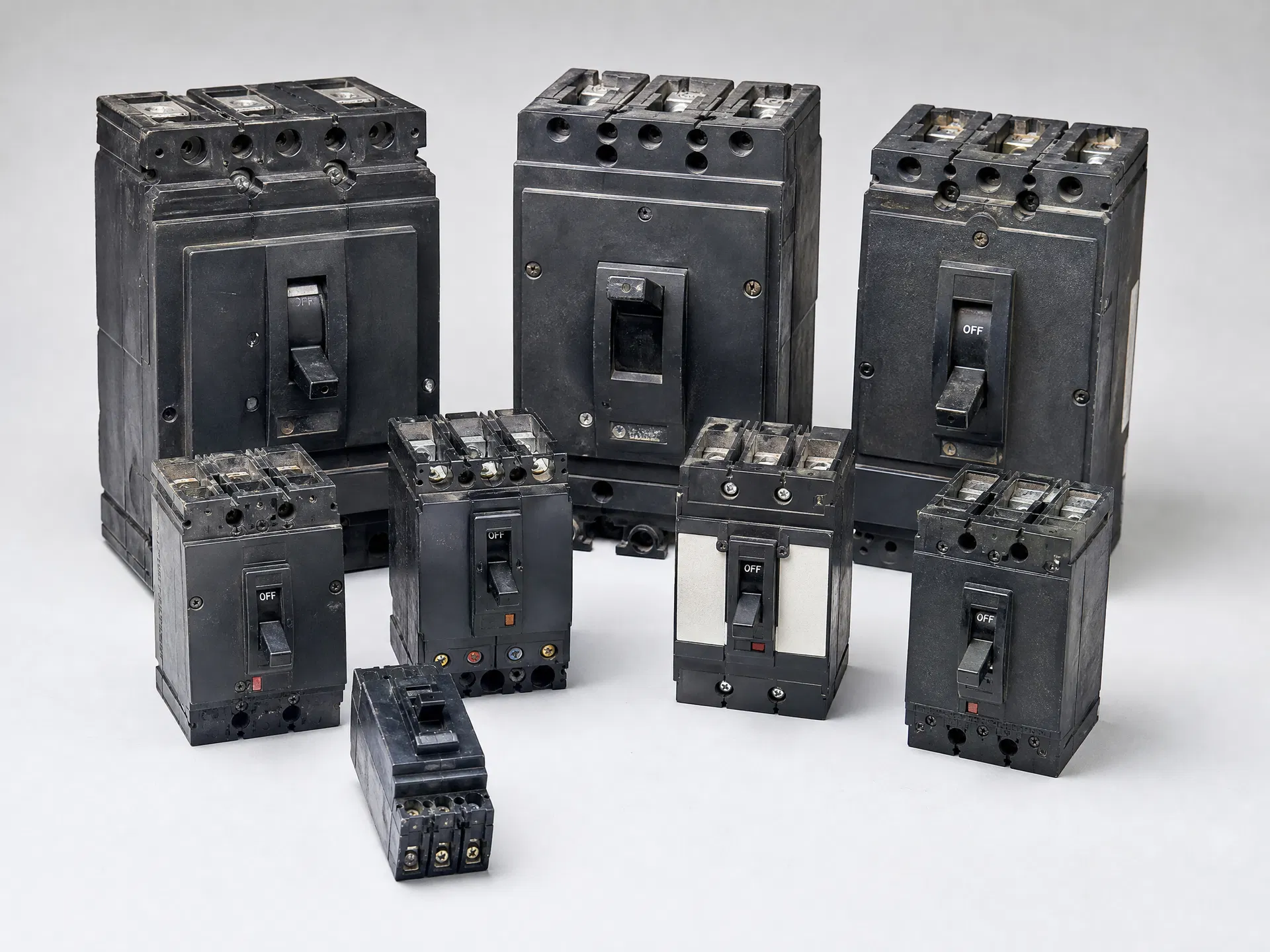
Molded Case Circuit Breakers (MCCBs): The Siemens Sentron series is the flagship MCCB line, replacing the earlier ITE and Gould-branded units still found in many facilities. Look for legacy models like the ED4, FD6, HFD6, JD6, LD6, MD6, ND6, and PD6 frames, ranging from 15A to 1200A. The newer VL series (VL160X, VL250, VL400, VL630, VL800, VL1250, and VL1600) offers ratings from 15A up to 1600A with interchangeable ETU (Electronic Trip Unit) options.
Insulated Case and Air Circuit Breakers: The Siemens WL series low-voltage power circuit breakers are among the most valuable surplus items on the secondary market. WL frames include the WLN, WLS, WLH, WLL, and WLLL designations, with continuous current ratings from 800A to 6300A. Common part number prefixes include 3WL (e.g., 3WL1108, 3WL1220, 3WL1332). Older RL, RLE, and RLF series ACBs are also in demand for legacy switchgear repairs.
Vacuum Circuit Breakers: For medium-voltage applications, the SB series (formerly Allis-Chalmers heritage) and the newer type GMSG, GMI, and 3AH vacuum breakers rated 5kV, 15kV, and 27kV are highly sought after. Look for catalog numbers beginning with 3AH3, 3AH4, or 3AH5, along with amperage ratings of 1200A, 2000A, or 3000A.
Miniature Circuit Breakers and Load Centers: The QP, BQD, BLH, HBQ, and ED series bolt-on and plug-in breakers, though lower in individual value, move quickly in bulk quantities.
What to Document
To get an accurate quote, gather the following from each unit's nameplate:
- Full Catalog/Part Number – Example:
HED43B100(Sentron 100A, 3-pole, 480V) or3WL1216-2EB32-1AA2(WL frame breaker). Never abbreviate; a single character changes the SKU. - Amperage Rating (In) – Frame size and sensor/rating plug amperage. For WL and VL breakers, note both frame amps and installed rating plug.
- Voltage Rating – 240V, 480V, 600V, 5kV, 15kV, etc.
- Interrupting Capacity (kAIC) – Standard, high (H), or extra-high (L/X) interrupting ratings dramatically affect value.
- Number of Poles – 2P, 3P, or 4P.
- Trip Unit Type – Thermal-magnetic, electronic (ETU745, ETU755, ETU776), or LSIG.
- Accessories – Shunt trips, aux switches, UVR, motor operators, and drawout cradles.
Assessing Condition
Grade your equipment honestly into one of four tiers: new surplus (unused, original packaging, ideally with mill certs), new take-out (removed from unused gear, no packaging), reconditioned/tested, or used as-is. Inspect for arc pitting on contacts, corrosion on line/load lugs, cracked arc chutes, missing hardware, and evidence of prior faults. Photograph the nameplate, front cover, line/load side, and any accessory compartments. For WL and 3AH breakers, note the operations counter reading if visible—low-cycle units command premium pricing.
Accurate identification upfront eliminates back-and-forth and accelerates payment on your surplus Siemens inventory.
Why Tech Companies and Data Centers Need a Reliable Surplus Buyer
The Bay Area's concentration of hyperscale data centers, semiconductor fabs, biotech campuses, and enterprise headquarters creates a constant churn of electrical infrastructure. Every server refresh cycle, cooling system overhaul, or capacity expansion leaves behind a substantial footprint of decommissioned switchgear, transformers, UPS systems, PDUs, switchboards, and busway. For facility managers and corporate real estate teams, this surplus equipment represents a complex operational problem that goes far beyond simply "getting rid of stuff." It's a liability, a space consumer, and often a significant unrealized asset sitting idle on the loading dock or in a leased storage yard.
The Hidden Costs of Sitting Surplus
In markets like Santa Clara, San Jose, Mountain View, and Fremont, commercial real estate costs are among the highest in the nation. Every square foot occupied by a palletized 2500A switchboard or a row of decommissioned dry-type transformers is space that could be revenue-generating whitespace, lab area, or expanded electrical capacity. Tech companies frequently discover that "temporary" storage of retired gear becomes semi-permanent, quietly draining budgets through extended warehouse leases, insurance riders, and inventory tracking overhead.
Compounding the issue, obsolete electrical equipment carries compliance exposure. Older units may contain PCBs, SF6 gas, or components that trigger EPA and Cal/OSHA reporting obligations if mishandled. Internal EHS teams are rarely staffed to manage disposition at scale, and improper handling can create audit findings that ripple into ESG reporting and stakeholder disclosures.
Speed and Discretion Are Non-Negotiable
Data center decommissioning projects operate on aggressive timelines. When a hyperscaler consolidates a colocation footprint or a chip manufacturer retools a fab for a new process node, the electrical scope often needs to be cleared within days—not weeks—to allow demolition, tenant improvements, or new equipment installation to proceed. Delays cascade through the entire project schedule, with general contractors and MEP subs sitting idle while surplus gear blocks staging areas.
Beyond speed, tech companies demand discretion. Serial numbers, asset tags, and configuration details can reveal proprietary information about facility capacity, redundancy design, and operational scale. A professional surplus buyer understands the need for NDAs, secure data destruction on any embedded controllers, and chain-of-custody documentation that satisfies both legal and security stakeholders.
What a Reliable Surplus Buyer Delivers
A qualified partner solves these challenges end-to-end. Through structured Surplus Buying programs, we provide fair-market valuations on used and unused electrical equipment, coordinate rigging and transport with licensed carriers, and handle all environmental documentation. Rather than paying disposal fees, facility teams recover capital that can be redirected into new infrastructure investments. Equipment that still has useful life—Square D, Eaton, ABB, GE, Siemens, and Cutler-Hammer gear in particular—gets refurbished and redeployed to secondary markets, supporting circular-economy commitments that align with corporate sustainability goals.
Just as important, a reliable buyer offers a single point of accountability. Facility managers juggling simultaneous projects across multiple campuses don't have bandwidth to solicit bids, vet scrap dealers, or manage logistics with a dozen vendors. A trusted partner with capacity to mobilize crews across the Bay Area on short notice—whether for a single transformer removal or a full substation buyout—becomes an extension of the internal facilities team.
For tech companies where uptime, security, and speed define competitive advantage, the surplus disposition process deserves the same rigor applied to procurement. The right buyer turns a logistical burden into recovered value.
The Financial and Environmental Benefits of Selling Surplus Breakers
For Bay Area facility managers, electrical contractors, and industrial operators, surplus circuit breakers often sit forgotten in storage rooms, warehouses, and mechanical yards—slowly depreciating while occupying valuable square footage in one of the most expensive real estate markets in the country. What many businesses fail to realize is that this idle inventory represents a significant untapped revenue stream, and choosing to sell rather than scrap can transform a liability into a measurable financial and environmental win.
Maximizing ROI on Idle Inventory
Scrapping a surplus breaker typically yields only a fraction of its true market value—often just the recycled copper and steel content, which may amount to pennies on the dollar. In contrast, selling that same breaker to a specialized buyer can recover anywhere from 20% to 70% of its original purchase price, depending on brand, condition, and demand. High-demand manufacturers like Square D, Cutler-Hammer, General Electric, Siemens, and Westinghouse retain particularly strong resale value, especially for obsolete or hard-to-source models that end users desperately need for legacy system maintenance.
Consider the math: a single 800-amp molded case breaker that costs $3,500 new might yield $15 at a scrap yard but $1,200 to $1,800 when sold to a reseller. Multiply that across a warehouse containing dozens or hundreds of surplus units, and the recovered capital becomes substantial—often enough to fund new equipment purchases, offset upgrade costs, or improve quarterly balance sheets. To see real-world examples of the types of transactions and equipment values businesses have recovered, review our Recent Purchases page.
Powering the Circular Economy
Selling surplus breakers is a foundational practice of the circular economy—a regenerative model that keeps products, components, and materials in use for as long as possible. Rather than following the traditional linear "take-make-dispose" path, resold breakers re-enter the supply chain, extending their useful life by decades and reducing demand for newly manufactured units. This directly conserves raw materials, energy, and manufacturing emissions associated with producing new electrical equipment.
For Bay Area companies operating in industries like biotech, semiconductor manufacturing, data centers, and commercial real estate, participating in the circular economy also strengthens supply chain resilience. Many facilities still rely on discontinued breakers to maintain aging switchgear, and every resold unit prevents a critical operational failure elsewhere in the region.
Reducing E-Waste and Meeting Sustainability Goals
Electrical equipment is one of the fastest-growing categories of e-waste globally, and California generates more of it than nearly any other state. Circuit breakers contain copper, aluminum, plastics, and occasionally trace hazardous materials that require proper handling. When breakers are discarded improperly, these materials leach into landfills or require energy-intensive recycling. Selling surplus breakers diverts them from the waste stream entirely, keeping functional equipment in service where it belongs.
This aligns directly with the aggressive sustainability commitments made by Bay Area corporations. Companies pursuing CDP disclosures, SBTi-validated emissions targets, LEED certifications, or California's SB 253 climate reporting requirements can document reused electrical equipment as a Scope 3 emissions reduction and a measurable contribution to zero-waste initiatives. ESG reporting increasingly rewards businesses that demonstrate tangible circular practices, and reselling surplus is one of the easiest, most verifiable actions a facility can take.
The bottom line: selling surplus breakers converts dead inventory into capital, supports regional infrastructure, cuts landfill contributions, and advances corporate sustainability metrics—all from equipment you were already planning to remove.
How Our Demolition Buyback and Surplus Buying Services Work
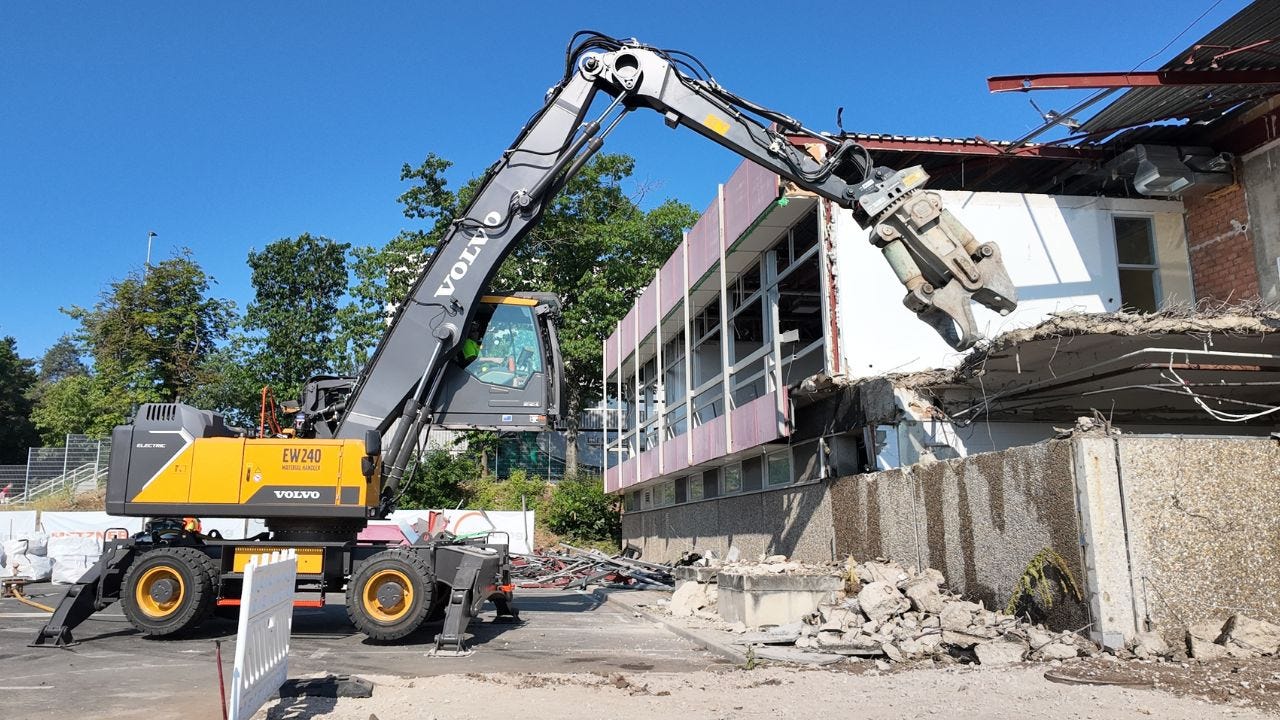
Selling your surplus electrical equipment or coordinating a full-scale Demolition Buyback with Circuit Breaker Buyer USA is designed to be simple, transparent, and profitable. We've refined our process over years of working with contractors, facility managers, electrical wholesalers, and demolition crews throughout the Bay Area and beyond. Here's exactly what to expect when you partner with us.
Step 1: Initial Contact and Inventory Submission
The process begins the moment you reach out via phone, email, or our online quote form. Share whatever information you have on hand—photos, nameplate data, spec sheets, or even a rough handwritten list. We work with all levels of documentation, so don't worry if your inventory records are incomplete. Our team specializes in identifying circuit breakers, switchgear, transformers, motor control centers, bus plugs, panelboards, and related electrical distribution equipment from every major manufacturer, including Square D, Siemens, ABB, Eaton/Cutler-Hammer, GE, and Allen-Bradley.
Step 2: Professional Evaluation and Quote
Once we receive your inventory details, our appraisal specialists get to work. We evaluate each item based on current market demand, condition, manufacturer, amperage, voltage, and reusability. Unlike scrap dealers who only pay for copper and steel content, we recognize the true resale value of functional and reconditionable equipment—often paying significantly more. You'll typically receive a written offer within 24 to 48 hours. Our quotes are firm, competitive, and come with no hidden deductions or last-minute price reductions.
Step 3: Site Visit and On-Site Assessment (When Needed)
For larger jobs, active demolition projects, or facility decommissioning, we schedule an on-site visit. Our team travels throughout the Bay Area—San Francisco, Oakland, San Jose, Fremont, and every city in between—to assess equipment in person. This is especially valuable for substation removals, industrial plant closures, and data center refreshes where equipment quantities and complexity make remote evaluation difficult. Site visits are always free and come with no obligation.
Step 4: Logistics and Removal
This is where we truly stand apart. We handle every logistical detail, including rigging, crating, freight, permits, and coordination with your general contractor or facility team. Bay Area jobsites present unique challenges—narrow San Francisco streets, tight loading docks in SoMa, tower crane requirements in downtown Oakland high-rises, restricted access at refineries in Richmond and Martinez, and strict scheduling at Silicon Valley tech campuses. We've worked in all of these environments and know how to navigate union rules, building management protocols, and municipal permitting requirements. Our crews arrive with the right equipment—forklifts, pallet jacks, flatbeds, box trucks, and heavy rigging gear—to remove your equipment safely and on schedule.
Step 5: Fast, Secure Payment
Payment is issued promptly once equipment is verified at pickup or upon arrival at our facility, depending on the terms agreed upon. We offer multiple payment options including ACH transfer, wire, and business check. For large-scale demolition buybacks, we can structure progress payments tied to project milestones. Every transaction is documented with detailed paperwork for your accounting, environmental compliance, and asset disposition records.
Step 6: Follow-Up and Ongoing Partnership
Our relationship doesn't end at pickup. We provide certificates of recycling and reuse for LEED documentation, ESG reporting, and internal compliance needs. Many of our Bay Area clients return to us project after project because we deliver consistent value, professional service, and reliable turnaround. Whether you have one obsolete breaker or an entire substation, we're ready to turn your surplus into revenue.
Common Siemens Models We Purchase and Their Market Value
Siemens has manufactured some of the most reliable and widely-deployed electrical distribution equipment in North America, which means there's a robust secondary market for their circuit breakers, switchgear, and related components. Below is a breakdown of the most sought-after Siemens models we actively purchase, along with realistic pricing ranges based on condition. Keep in mind that final offers depend on model number, amperage, voltage rating, trip unit configuration, and overall physical condition.
Siemens MD6800 Molded Case Circuit Breakers
The MD6800 series is a heavy-duty molded case breaker frequently found in industrial facilities and large commercial buildings. These 800-amp frame breakers command strong resale value due to consistent demand from maintenance contractors and facility managers.
- New in box (NIB): $2,800–$4,500
- Refurbished/tested: $1,400–$2,400
- Used, untested surplus: $600–$1,100
Higher interrupting ratings (65kA or 100kA) push pricing toward the upper end of these ranges.
Siemens ND6 Frame Breakers
The ND6 is a 600-amp frame breaker widely used in switchboards and panelboards. Because these are commonly replaced during upgrades, we see steady inventory turnover.
- NIB: $1,600–$2,800
- Refurbished: $800–$1,400
- Used: $350–$700
Siemens HND6 High Interrupting Capacity Breakers
The HND6 variant offers higher AIC ratings than the standard ND6, making it valuable for applications requiring enhanced fault protection. Because fewer of these were produced, refurbished units often sell quickly.
- NIB: $2,200–$3,600
- Refurbished: $1,100–$1,900
- Used: $500–$900
Siemens RD6 and RXD6 Frame Breakers
The RD6 (800A frame) and RXD6 (higher interrupting version) are premium breakers found in critical infrastructure. The RXD6 in particular is prized for data center and hospital applications.
- RD6 NIB: $3,200–$5,500 | Refurbished: $1,600–$2,800
- RXD6 NIB: $4,500–$7,500 | Refurbished: $2,200–$3,800
Factors That Affect Siemens Pricing
Several variables determine the final valuation of any Siemens equipment we purchase:
1. Condition and Documentation: New-in-box units with original packaging, manuals, and factory seals command premium prices—often 2–3x the cost of used equivalents. Refurbished units with test reports (particularly primary injection testing) sell for significantly more than untested surplus.
2. Trip Unit Type: Solid-state and electronic trip units (like Siemens Sentron or Static Trip III) typically increase value by 15–30% compared to thermal-magnetic equivalents. LSIG (Long-Short-Instantaneous-Ground) configurations are especially desirable.
3. Age and Discontinuation Status: Legacy and obsolete Siemens models—particularly those where OEM replacements are no longer manufactured—can actually appreciate in value. Facilities running older gear need matching replacements to avoid full switchgear retrofits.
4. Market Demand Cycles: Pricing for Siemens equipment tends to run parallel to competing brands like GE and ABB, though Siemens often holds slightly higher resale values in industrial markets due to strong brand loyalty among plant engineers.
5. Quantity and Lot Composition: Bulk lots of matched breakers (same model, same trip unit) typically fetch 10–20% premiums over individual units because resellers can market them as complete switchboard replacements.
Getting an Accurate Quote
The ranges above are starting points, not guarantees. To provide a firm offer, we need model numbers, catalog numbers, quantities, and photographs showing nameplate data and physical condition. Larger lots—especially those including switchgear sections, transformers, or motor control centers—warrant custom valuations that often exceed the sum of individual component values.
Navigating the Logistics of Selling Heavy Electrical Equipment in the Bay Area
Selling surplus circuit breakers, transformers, switchgear, and motor control centers in the San Francisco Bay Area presents a unique set of logistical hurdles that sellers in other regions simply don't face. Between the notorious congestion on I-880 and the Bay Bridge, restricted delivery windows in San Francisco's SoMa and Financial District, weight-restricted routes across the Richmond-San Rafael and Dumbarton bridges, and the maze of one-way streets in Oakland's industrial corridors, coordinating the removal of heavy electrical assets requires meticulous planning. A 5,000-pound medium-voltage switchgear lineup cannot simply be rolled out the loading dock at 4:30 PM on a Friday—not if you want it to arrive at its destination without incurring overtime freight surcharges or missing crane windows.
Bay Area–Specific Challenges We Solve Daily
Building access and high-rise removals. Many Bay Area data centers, biotech facilities, and legacy industrial buildings in cities like South San Francisco, Fremont, and San Jose have narrow freight elevators, limited dock heights, or require equipment to be broken down before extraction. Our team pre-surveys sites via video walkthrough or in-person visit to confirm door dimensions, elevator capacities, and rigging paths before a truck is ever dispatched.
Union labor and jurisdictional rules. Facilities in San Francisco, Oakland, and parts of the Peninsula frequently require IBEW electricians for disconnection and Teamsters or ILWU-affiliated riggers for moving. Circuit Breaker Buyer USA maintains established relationships with union-signatory riggers and licensed C-10 electrical contractors throughout Northern California, ensuring your removal complies with project labor agreements and building management requirements.
Permits and street closures. Extracting a pad-mounted transformer from a lot in Berkeley or a substation component from a Silicon Valley campus may require encroachment permits, traffic control plans, and coordination with PG&E for temporary service isolation. We handle the permitting paperwork and municipal coordination so your facilities team isn't stuck chasing signatures.
Traffic and delivery windows. We schedule pickups to avoid Bay Area rush hours, coordinate with your security desk for after-hours access when needed, and route oversized loads through Caltrans-approved corridors to prevent costly delays or citations.
Freight, Packing, and Transportation Handled End-to-End
Once logistics are mapped, our team executes the physical removal with the care that high-value electrical assets demand. Vacuum interrupters, bushings, and CT/PT compartments are individually padded and crated. Switchgear sections are shrink-wrapped, banded to heat-treated pallets or custom skids, and loaded onto air-ride flatbeds or enclosed vans depending on sensitivity. Transformers are drained of oil where required, sealed, and secured with rated chains and edge protectors. All shipments are fully insured door-to-door, and we provide a bill of lading and photo documentation before the truck leaves your site.
Because we operate as one of the country's largest surplus electrical buyers, we leverage a nationwide freight network with dedicated lanes connecting the Bay Area to our other major hubs. Equipment picked up in Hayward on Monday may be consolidated with loads moving to our partners in Chicago or Dallas, giving us the scale to offer competitive freight-inclusive pricing that smaller regional buyers simply cannot match.
The result: you receive a single wire transfer, a clean facility, and zero logistical headaches. From initial quote to final pickup, Circuit Breaker Buyer USA transforms what could be a weeks-long coordination nightmare into a straightforward transaction—no matter how tight the loading dock or how heavy the gear.
Frequently Asked Questions About Selling Siemens Breakers
How fast can you pick up Siemens breakers in San Jose?
For most locations throughout the San Jose metro area—including Santa Clara, Sunnyvale, Milpitas, Cupertino, and Fremont—we can typically arrange pickup within 24 to 48 hours of accepting our offer. For larger inventories (pallet-sized loads or full warehouse liquidations), we often dispatch a truck the same day or next business day. If you're located in outlying areas like Gilroy, Morgan Hill, or the East Bay, expect a 2-3 day window. For truly urgent situations, such as facility shutdowns or lease-end deadlines, contact us directly and we'll do our best to expedite. We handle all logistics, freight, and packaging at no cost to you on qualifying loads.
Do you buy broken or damaged Siemens breakers?
In most cases, no—we primarily purchase Siemens breakers that are in new, used-working, or surplus condition. Breakers with cracked casings, burnt terminals, tripped internal mechanisms, missing handles, or evidence of arc flash damage generally have no resale value in the secondary market. However, there are exceptions. High-value molded case and low-voltage power breakers like the Siemens SB, SBS, RL, or 3WL series may still be worth purchasing even with cosmetic damage, since certain internal components can be salvaged or refurbished. If you're unsure about the condition of your units, send us photos and we'll give you an honest assessment. We'd rather tell you upfront if something isn't worth shipping than waste your time.
What information do you need to provide an accurate quote?
To generate a firm, competitive quote quickly, we need the following details:
- Catalog number (the full part number printed on the breaker label, e.g., HED43B100 or NGB3B100L)
- Quantity of each part number
- Condition (new in box, new surplus, used-tested, or used-untested)
- Amperage, voltage, and pole configuration if the catalog number is illegible
- Photos of the breakers, ideally showing the nameplate and overall condition
- Location for pickup logistics
The more detail you provide upfront, the faster we can commit to a real number rather than a ballpark estimate. Spreadsheets or inventory lists in Excel format are ideal for larger lots. We typically respond with a formal quote within a few hours during business days.
Do you buy other brands besides Siemens?
Absolutely. While Siemens is one of our specialties, we actively purchase circuit breakers from all major manufacturers including Square D, Eaton/Cutler-Hammer, General Electric, ABB, Westinghouse, Federal Pacific, ITE, Allen-Bradley, and Zinsco. We're especially interested in industrial-grade molded case breakers, low-voltage power breakers (drawout style), motor control components, bus plugs, transformers, and switchgear. If you have a mixed lot of electrical surplus, don't sort it by brand—just send us the full inventory list and we'll evaluate everything together, which often results in a higher combined offer.
Are there minimum order requirements to sell?
We don't enforce a strict minimum, but the economics work best when the total lot value exceeds roughly $500. For smaller quantities, we recommend shipping to us directly (we can provide a prepaid label for qualifying shipments). For larger inventories valued in the thousands, we cover all freight and pickup costs. Contractors with recurring surplus—even smaller weekly quantities—can set up an ongoing account with us for streamlined transactions.
How do you determine the price you pay for Siemens breakers?
Our pricing is based on real-time secondary market demand, current OEM lead times, condition, quantity, and catalog rarity. High-demand items with long factory lead times (often 20-40+ weeks for certain Siemens breakers) command premium prices. Common residential load center breakers pay less per unit but add up quickly in volume. We continuously monitor market trends and adjust our offers accordingly—if Siemens announces a discontinuation or extended lead time on a specific model, our buying prices reflect that increase immediately.
Do you serve areas outside of San Jose?
Yes. While this page focuses on San Jose and the greater Bay Area, we operate nationwide with buying hubs in multiple regions. If you have inventory in Texas, for example, our Houston team handles pickups throughout the Gulf Coast. No matter where your surplus is located in the continental United States, we can arrange logistics and provide the same competitive pricing.
Conclusion: Turn Your Surplus Siemens Breakers Into Capital Today
Sitting on surplus Siemens circuit breakers is the same as leaving money on the table. Whether you've completed a large industrial retrofit, decommissioned a facility, or simply have overstock gathering dust in your warehouse, that idle inventory represents untapped capital waiting to be unlocked. Throughout this guide, we've covered the essentials of maximizing your return: identifying high-demand Siemens models like the ITE, Sentron, and VL series, understanding how condition and documentation impact valuation, gathering nameplate data and photos to expedite quotes, and partnering with a reputable buyer who understands the true market value of your equipment.
We've also highlighted why the secondary market for Siemens breakers remains strong—supply chain delays, discontinued legacy models, and the growing demand for cost-effective replacements have created a seller's market for quality surplus gear. By acting quickly and working with an experienced buyer, you can convert dormant assets into working capital that fuels new projects, offsets operational costs, or bolsters your bottom line.
Don't let valuable Siemens breakers depreciate in storage or end up as scrap for pennies on the dollar. Our team offers competitive pricing, fast payment, nationwide pickup, and hassle-free transactions from initial quote to final settlement. Whether you have a single high-voltage breaker or a warehouse full of assorted units, we're ready to make a strong offer.
Ready to cash in on your surplus inventory? Call us today at (951) 903-9804 to speak directly with a specialist, or Get a Quote online in minutes. Turn your idle Siemens breakers into capital today—your bottom line will thank you.
Ready for a quote?
Call Circuit Breaker Buyer USA for a fast, no-obligation offer on your equipment.