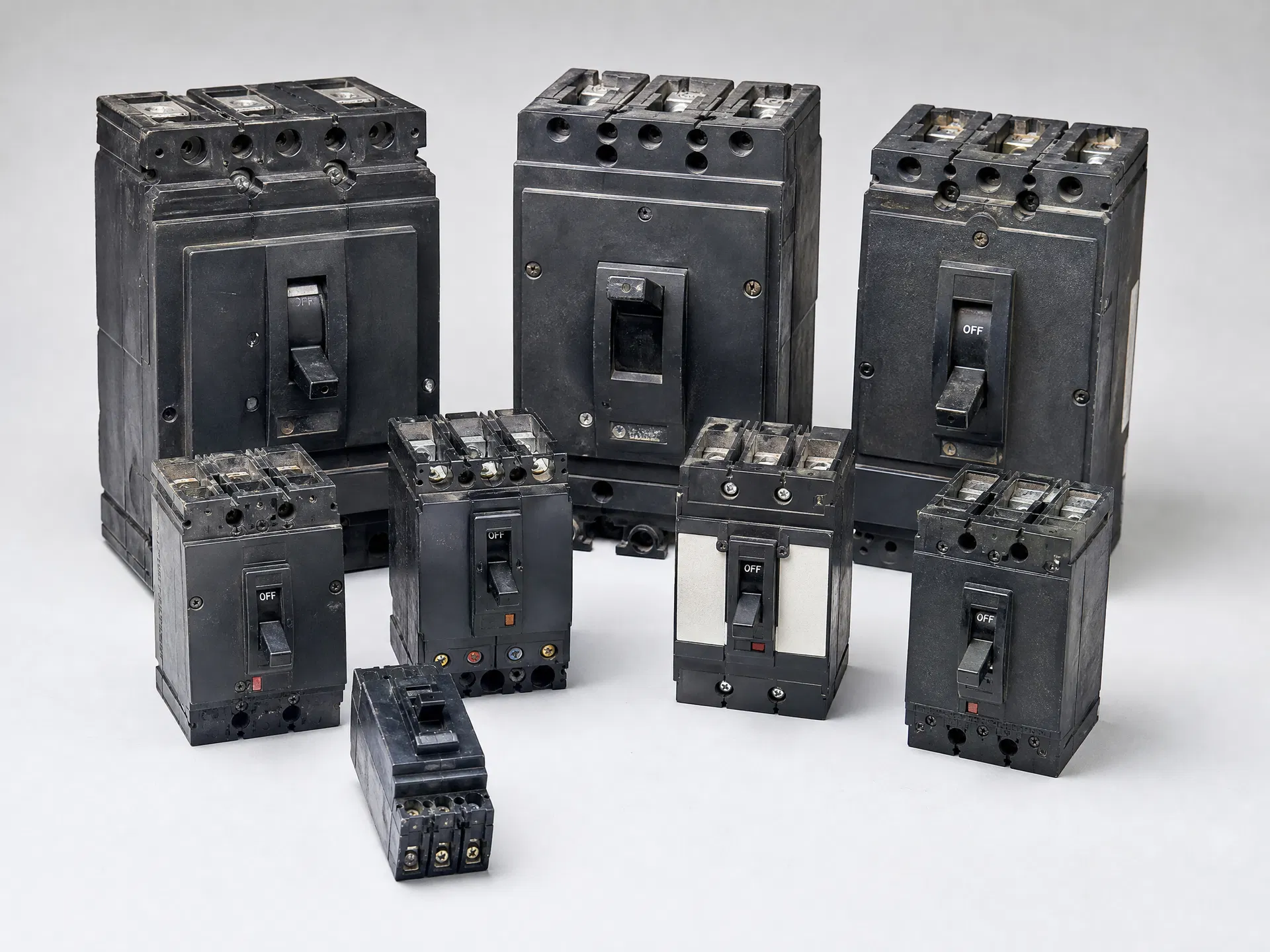
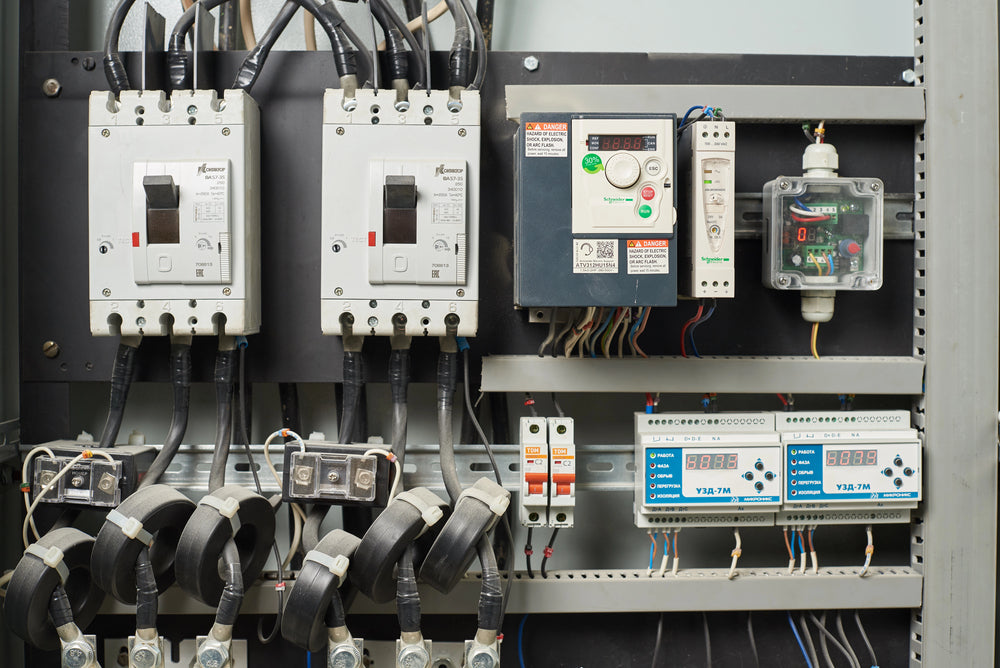
Selling GE Spectra Series Breakers in Boston Massachusetts
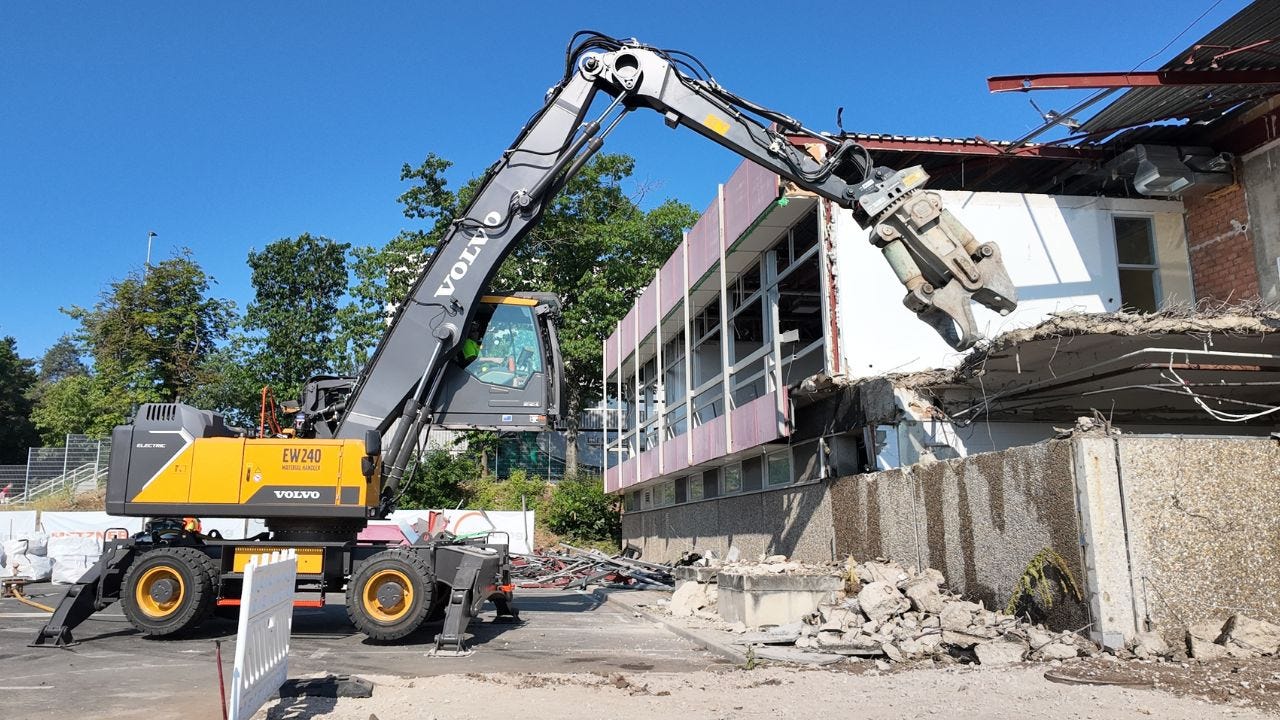
For facility managers in Boston overseeing critical electrical infrastructure, the decision to sell GE Spectra Series Breakers is one that demands careful consideration and expert insight. These breakers, known for their robust design and reliable performance, remain a vital component in many industrial and commercial power distribution systems. However, as facilities upgrade or transition to newer technologies, the market for selling GE Spectra Series Breakers in Boston has grown increasingly dynamic. Understanding the nuances of this process is essential to maximizing value while ensuring compliance with local regulations and industry standards.
The GE Spectra Series, alongside legacy equipment like AKR and PowerBreak breakers, represents a significant investment in electrical safety and system integrity. Facility managers familiar with these models recognize their durability and the extensive support network that GE has provided over the decades. When it comes time to sell these breakers, whether as part of an equipment refresh, system decommissioning, or asset liquidation, having an authoritative approach ensures that these high-quality components are accurately evaluated and positioned to attract the right buyers.
Selling GE Spectra Series Breakers in Boston requires not only technical expertise but also a deep understanding of the regional market demand and resale channels. Boston’s industrial environment—with its mix of manufacturing, healthcare, education, and commercial facilities—creates a unique landscape where these breakers continue to have considerable value. Collaborating with specialized partners who can provide detailed appraisals and facilitate secure transactions is a critical step in the process. For those interested in exploring this further, we invite you to Get a Quote to receive a tailored assessment of your equipment’s current market value.
Moreover, reviewing our Recent Purchases can offer valuable insights into pricing trends and the types of Spectra Series and related breakers actively being acquired in the Boston area. By leveraging such expert resources, facility managers can confidently navigate the sale of GE Spectra Series Breakers, ensuring they optimize returns while maintaining the highest standards of operational integrity and safety.
The Legacy of GE Spectra Series Breakers in Boston's Industrial Landscape
The GE Spectra Series circuit breakers have long been a cornerstone in the electrical infrastructure of Boston’s manufacturing, commercial, and industrial sectors. Their legacy is deeply intertwined with the city’s industrial evolution, reflecting decades of reliance on robust, reliable, and technologically advanced electrical protection solutions. Understanding this legacy requires a close examination of the history, technical attributes, and continued relevance of not only the Spectra Series but also the related AKR and PowerBreak equipment, all of which have played pivotal roles in powering Boston’s industrial landscape.
Historical Context and Prevalence
General Electric (GE), a longstanding industrial giant headquartered in the northeastern United States, established the Spectra Series as part of its commitment to delivering high-performance electrical distribution and protective devices. Introduced in the late 20th century, the Spectra Series quickly gained traction across Boston’s industrial sectors due to its adaptability and superior protection capabilities. The series, alongside the AKR and PowerBreak lines, became standard equipment in many of Boston’s manufacturing plants, commercial complexes, and heavy industrial facilities.
Boston’s industrial growth, particularly in sectors such as pharmaceuticals, aerospace, and food processing, demanded electrical systems capable of handling complex loads and ensuring operational continuity. The Spectra Series breakers met these requirements with their advanced trip mechanisms and rugged construction. AKR and PowerBreak breakers complemented this portfolio by offering solutions tailored to different voltage and current ratings, enabling facility managers and engineers to customize their system protection according to precise operational needs.
Technical Excellence of the Spectra Series
At the core of the Spectra Series’ success is its sophisticated trip unit technology. These breakers typically feature thermal-magnetic trip units, providing dual protection against overload and short-circuit conditions. The thermal component responds to prolonged overloads by utilizing a bimetallic strip that bends with heat, while the magnetic component provides instantaneous tripping during high fault currents.
Spectra breakers are designed for use in low-voltage applications, generally rated up to 600 volts, with interrupting capacities ranging from 10 kA to 50 kA, depending on the model. This high interrupting rating made them particularly suitable for Boston’s industrial facilities, where fault currents can escalate rapidly due to dense electrical networks. The breakers also offer adjustable trip settings, allowing facility engineers to fine-tune protection parameters to optimize safety and minimize nuisance trips.
Mechanically, the Spectra Series breakers are known for their robust construction. The molded case design provides excellent insulation and durability, while the trip units incorporate magnetic latches and calibrated springs that ensure consistent, reliable operation over many cycles. This mechanical reliability is critical in industrial environments where breaker failure can lead to costly downtime or equipment damage.
Complementary AKR and PowerBreak Equipment
While the Spectra Series was dominant in many applications, the AKR and PowerBreak lines filled essential niches within Boston’s industrial electrical ecosystem. AKR breakers, often rated for lower current capacities but with enhanced sensitivity, were favored in control panels and smaller distribution boards where precision protection was paramount. PowerBreak breakers, on the other hand, offered higher interrupting ratings and were frequently utilized in main distribution panels and heavy-duty industrial applications.
Together, these three lines provided a comprehensive portfolio that enabled Boston’s electrical engineers to design layered and scalable protection schemes. This modularity was instrumental in supporting Boston’s complex industrial operations, allowing for seamless integration with motor starters, busways, and switchgear assemblies.
Transition to ABB and Continued Relevance
In recent years, the acquisition of GE Industrial Solutions by ABB has marked a new chapter in the legacy of the Spectra Series and related product lines. ABB’s stewardship has ensured continuity of parts, technical support, and product upgrades, which is critical for Boston’s facilities still reliant on these breakers. ABB’s integration of advanced digital trip units and smart monitoring capabilities is gradually modernizing the installed base without compromising the rugged reliability that the Spectra Series is known for.
For professionals managing Boston’s industrial electrical systems, understanding both the historical significance and technical specifications of these breakers is essential. Detailed knowledge of the legacy GE equipment and its evolution under ABB’s umbrella allows for informed decisions on maintenance, retrofits, and upgrades.
For more detailed information on the original equipment and the current ABB lineup, visit our pages on GE and ABB.
Conclusion
The GE Spectra Series breakers, alongside the AKR and PowerBreak lines, have left an indelible mark on Boston’s industrial infrastructure. Their combination of reliable protection, mechanical durability, and adaptable trip settings provided a foundation for the city’s robust manufacturing and commercial electrical systems. As ABB continues to evolve these technologies, the legacy of the Spectra Series remains a testament to the enduring importance of high-quality circuit protection in industrial environments.
Identifying Your GE Equipment: Spectra, AKR, and PowerBreak Models
For facility managers and industrial maintenance professionals tasked with managing electrical infrastructure, accurately identifying your General Electric (GE) circuit breaker equipment is foundational to effective maintenance, troubleshooting, and procurement. GE’s legacy product lines—Spectra, AKR, and PowerBreak—remain prevalent in many industrial and commercial settings. Each line has distinct characteristics, model designations, and technical specifications that must be clearly understood to ensure compatibility with replacement parts, upgrades, or retrofit projects. This section provides a detailed, expert-level guide to identifying these GE equipment models, focusing on model numbers, frame sizes, trip units, and amperage ratings.
GE Spectra Series: Recognizing Model Numbers and Specifications
The GE Spectra line represents one of the most widely installed series of molded case circuit breakers (MCCBs) and air circuit breakers (ACBs) originating in the late 20th century. Spectra breakers are particularly common in medium voltage applications and industrial distribution panels.
Typical Spectra model numbers include prefixes such as SGHA, SGLA, and SGPA, where each prefix denotes specific design and frame characteristics:
- SGHA: This designation refers to Spectra air circuit breakers with a higher frame rating, often used in heavy industrial settings. SGHA models typically cover frame sizes ranging from 600 to 1200 amperes. These breakers feature robust mechanical construction designed for high interrupting capacity.
- SGLA: These are smaller frame air circuit breakers, generally rated for lower amperage ranges, often between 400 to 800 amperes. SGLA breakers are commonly found in commercial and light industrial environments.
- SGPA: This series is typically associated with power circuit breakers with frame sizes and current ratings tailored for power distribution applications. The SGPA models often incorporate advanced trip units enabling precise protection settings.
Frame Sizes and Amperage Ratings in Spectra Breakers
Understanding frame size is critical when identifying Spectra breakers. Frame size refers to the physical dimensions and the maximum continuous current the breaker can safely handle without tripping. For example:
- SGHA frame sizes commonly range from 600A, 800A, up to 1200A.
- SGLA frames often cover 400A to 800A.
- SGPA models may have frames rated similarly but are distinguished by their power circuit breaker construction.
Amperage ratings are typically printed on the breaker’s nameplate or molded into the breaker case. It is essential to cross-reference these ratings with the frame size to ensure you are working with the correct breaker class.
Trip Units: MicroVersaTrip and Beyond
One of the defining features of GE Spectra breakers is the integration of MicroVersaTrip trip units. The MicroVersaTrip is a microprocessor-based electronic trip unit allowing for enhanced protection with adjustable settings for overload, short circuit, ground fault, and instantaneous trip characteristics.
- MicroVersaTrip trip units are often labeled as VME, VMS, or other suffixes indicating specific trip capabilities and communication options.
- These trip units enable facility managers to customize protection parameters directly on the breaker, which is critical for tailored electrical system protection.
When identifying Spectra breakers, check if the trip unit is electronic (MicroVersaTrip) or traditional thermal-magnetic. The trip unit type will impact maintenance strategies and compatibility with control systems.
AKR Series: Compact MCCBs with Clear Model Designations
The AKR series by GE represents a line of molded case circuit breakers designed for a range of industrial and commercial applications requiring compact size and reliable protection. The AKR breakers are often found in switchboards, panelboards, and motor control centers.
Key AKR models include:
- AKR-30: Designed for smaller frame sizes with ratings commonly up to 30 amperes.
- AKR-50: Larger frame sizes with amperage ratings typically up to 50 amperes.
These breakers are characterized by their compact form factor and ease of installation. The AKR series uses thermal-magnetic trip units, which are simpler but effective for many standard applications.
Frame Sizes and Trip Units in AKR Breakers
Unlike the Spectra line, AKR breakers generally have smaller frame sizes due to their targeted application in lower current circuits. Identification involves noting the breaker’s physical size and amperage rating, which is often molded into the casing. For example, an AKR-50 breaker will be physically larger and have a higher amperage rating than an AKR-30.
The trip units in AKR breakers are typically non-electronic, thermal-magnetic types, meaning they use bimetallic strips for overload protection and electromagnetic coils for short-circuit protection. This distinction is important when considering retrofit or replacement options.
PowerBreak Series: Differentiating PowerBreak I and PowerBreak II
The PowerBreak series comprises GE’s robust air circuit breakers designed for heavy-duty power distribution applications. These breakers are known for their modular design, ease of maintenance, and high interrupting ratings.
PowerBreak models are generally categorized into:
- PowerBreak I: The original series, characterized by solid mechanical construction and standard trip unit options. These breakers typically cover frame sizes from 800A to 1600A.
- PowerBreak II: An updated version featuring enhanced trip units, improved mechanical linkages, and often integrated electronic trip units for more precise protection and diagnostics.
Both PowerBreak I and II breakers incorporate trip units such as the MicroVersaTrip or older electromechanical types, depending on the model and vintage.
Identifying PowerBreak Frame Sizes and Amperage Ratings
PowerBreak breakers come in relatively large frame sizes to accommodate high current ratings typically required in main distribution panels, switchgear, and motor control centers. Common frame sizes include:
- 800 amperes
- 1200 amperes
- 1600 amperes
Amperage ratings and frame sizes are clearly marked on the breaker nameplates and molded into the housing. Proper identification ensures that replacement parts and trip units are compatible with the breaker’s interrupting capacity and mechanical frame.
Best Practices for Facility Managers
To accurately identify your GE Spectra, AKR, or PowerBreak equipment, facility managers should:
- Inspect Nameplates and Model Numbers: Carefully document the complete model number, including prefixes and suffixes, which hold critical information about frame size, trip unit type, and amperage rating.
- Refer to Manufacturer Documentation: Use GE’s original equipment manuals and datasheets for cross-referencing model numbers and technical specifications.
- Examine Trip Units: Identify whether the breaker uses MicroVersaTrip electronic trip units or traditional thermal-magnetic units, as this affects maintenance and replacement strategies.
- Measure Physical Dimensions: When documentation is unavailable, physical measurement of frame size can help narrow down model identification.
- Consult with GE or Authorized Distributors: For complex identification or obsolete models, contacting GE support or authorized distributors can provide definitive answers.
Understanding the nuances of GE’s Spectra, AKR, and PowerBreak models ensures facility managers maintain system reliability, safety, and compliance with electrical codes by selecting appropriate replacement breakers, trip units, and accessories. Accurate identification is the cornerstone of effective electrical system management in industrial environments.
Why Boston Facility Managers Choose to Sell Surplus GE Circuit Breakers
In the dynamic environment of industrial facility management, Boston’s facility managers consistently face the challenge of optimizing operational efficiency while maintaining stringent budget controls. One strategic decision gaining traction among these professionals is the sale of surplus GE circuit breakers. This practice not only alleviates logistical and financial burdens but also aligns with long-term asset management and capital reinvestment goals.
Financial Benefits: Recovering Capital and Funding Upgrades
One of the primary motivators for liquidating surplus GE circuit breakers is the opportunity to recover significant capital. These circuit breakers, often high-value assets with long service lives and robust engineering, retain considerable resale value even after being removed from active use. By converting these idle assets into liquid funds, facility managers can inject much-needed capital back into their operational budgets without dipping into new funding sources.
This recovered capital is frequently redirected towards critical infrastructure upgrades, such as installing advanced switchgear, integrating smart monitoring technologies, or enhancing energy efficiency measures. These investments are essential in maintaining compliance with evolving electrical codes and standards, especially in a region like Boston where industrial regulations are rigorous. The financial flexibility gained from selling surplus equipment thus directly supports continuous improvement and modernization initiatives.
Operational Benefits: Space Optimization and Reduced Maintenance Burden
Beyond financial gains, selling surplus GE circuit breakers addresses a significant operational pain point: space optimization. Industrial facilities, particularly those in urban or constrained environments like Boston, often struggle with limited floor space. Surplus equipment, if left unused, occupies valuable real estate that could otherwise support productive activities or new equipment installations.
By liquidating these circuit breakers, facility managers free up critical space within electrical rooms, warehouses, or maintenance shops. This not only improves overall facility organization but also enhances safety by reducing clutter and potential hazards associated with storing obsolete or excess electrical gear.
Additionally, surplus circuit breakers require ongoing maintenance and periodic testing to remain compliant with facility safety policies—even if they are not currently in service. This maintenance represents a hidden operational cost. Disposing of such surplus equipment through sale eliminates these recurring expenses, allowing maintenance teams to focus resources and attention on actively deployed assets. The result is a leaner, more efficient maintenance program that aligns with best practices in asset lifecycle management.
Strategic Asset Management and Environmental Responsibility
Selling surplus GE circuit breakers also fits within a broader strategic asset management framework. By systematically reviewing and offloading obsolete or redundant equipment, facility managers gain clearer visibility into their existing asset base. This clarity supports more accurate forecasting, budgeting, and procurement decisions, ultimately reducing the risk of overstocking or unnecessary capital expenditures.
Moreover, responsibly selling surplus electrical equipment contributes to sustainability objectives. These circuit breakers often contain valuable materials and components that, when reintroduced into the market, reduce the demand for newly manufactured parts. This circular approach minimizes environmental impact compared to disposal or scrapping and aligns with corporate social responsibility policies increasingly emphasized in Boston’s industrial sectors.
Trusted Surplus Buying Services to Maximize Value
Engaging with professional surplus buying services further amplifies the benefits for Boston facility managers. Expert buyers provide accurate asset valuations, streamlined logistics, and compliance assurance, ensuring that surplus GE circuit breakers are sold efficiently and transparently. These services often handle the complexities of equipment inspection, testing, and certification, which can be resource-intensive if managed internally.
For facility managers seeking a seamless liquidation process and maximum return on investment, partnering with a reputable surplus buying firm is a prudent choice. To learn more about how professional surplus buying can support your facility’s asset management and capital recovery goals, visit our Surplus Buying page.
Conclusion
In summary, Boston facility managers choose to sell surplus GE circuit breakers because it delivers a trifecta of benefits: financial recovery, operational efficiency, and strategic asset stewardship. By converting dormant electrical assets into capital and freeing up critical space, facilities can enhance their infrastructure, streamline maintenance efforts, and advance sustainability initiatives. This proactive approach to surplus equipment management is a hallmark of forward-thinking industrial operations in Boston’s competitive and regulation-driven landscape.
The Evaluation Process: How We Price Your GE Spectra and PowerBreak Units
Pricing used or surplus GE Spectra and PowerBreak circuit breakers is a complex process that requires a comprehensive understanding of multiple technical and market-driven factors. As industry experts, we approach each evaluation with a meticulous methodology designed to ensure fair, transparent, and competitive pricing. This process not only reflects the intrinsic value of the equipment but also aligns with current market conditions and customer demand. Below, we detail the key elements that influence the valuation of your GE breakers and provide real-world pricing insights to illustrate how these factors interplay.
1. Condition of the Unit
The physical and operational condition of the breaker is arguably the most critical determinant in its valuation. Breakers that have been well-maintained, show minimal wear and tear, and are free from corrosion or physical damage command higher prices. We conduct thorough inspections including:
- Visual checks for cracks, rust, or signs of overheating.
- Verification that all mechanical parts such as the trip mechanism and operating handle function smoothly.
- Testing of electrical integrity, including insulation resistance and contact resistance measurements, when possible.
For example, a refurbished PowerBreak II unit, which has undergone full factory-standard reconditioning and testing, typically commands prices in the range of $3,000 to $5,000 depending on amperage and frame size. In contrast, a used PowerBreak II with visible wear but still operational might be priced between $1,500 and $2,500.
2. Age and Lifecycle Status
Age is a significant factor but not always a disqualifier. Many GE Spectra and PowerBreak breakers were designed for long service lives, often exceeding 20 years with proper maintenance. However, older units may lack compatibility with newer trip units or control accessories, reducing their market value.
We assess the manufacturing date, service history, and any modifications or upgrades performed. Breakers out of production generally depreciate faster unless they serve niche applications where replacement parts are scarce, which can paradoxically increase their value due to scarcity.
As an example, a Spectra frame breaker from the early 1990s in good condition might be valued between $700 and $1,200, whereas a newer Spectra frame with a modern electronic trip unit can be priced upwards of $2,000 to $3,500.
3. Market Demand and Application Specificity
The demand for a particular breaker model fluctuates based on industry trends, regional infrastructure upgrades, and end-user preferences. Breakers used in critical industrial applications—such as power plants, refineries, and large commercial complexes—often have higher demand.
Trip units also heavily influence demand. Electronic trip units with advanced features (such as communication capabilities and adjustable protection settings) add significant value versus older thermal-magnetic trip units. For example, a PowerBreak breaker equipped with a GE ETR trip unit will typically fetch a premium compared to the same frame with a basic non-electronic trip unit.
We continuously monitor auction results, industry buy-back programs, and customer inquiries to gauge current market interest, adjusting our pricing accordingly.
4. Specific Model and Frame Size
GE’s Spectra and PowerBreak series encompass a broad range of frame sizes and configurations, from low-ampere feeder breakers to high-capacity main breakers. Larger frame sizes with higher amperage ratings inherently command higher prices due to their greater power handling capabilities and construction costs.
To illustrate, a refurbished PowerBreak II 800A frame breaker with an advanced trip unit might be priced around $4,000, whereas a 250A Spectra frame breaker in similar condition might range between $1,200 and $1,800.
Custom or hard-to-find models, such as those designed for special voltage ratings or unique mounting configurations, can attract a premium. Conversely, widely available standard models tend to have more competitive pricing due to higher supply.
Summary of Pricing Examples
| Breaker Model | Condition | Approximate Price Range |
|---|---|---|
| PowerBreak II, 800A, Refurbished | Factory-refurbished | $3,000 - $5,000 |
| PowerBreak II, 800A, Used | Operational, moderate wear | $1,500 - $2,500 |
| Spectra Frame, 250A, Good Condition | Used, well-maintained | $1,200 - $1,800 |
| Spectra Frame, 250A, Older Unit | Used, older generation | $700 - $1,200 |
Conclusion
Our evaluation process for pricing GE Spectra and PowerBreak breakers is rooted in a detailed technical assessment combined with real-time market analysis. By considering condition, age, market demand, specific model, and trip unit configuration, we ensure that our pricing reflects true value and meets the expectations of sellers and buyers alike. This approach not only maximizes returns for equipment owners but also supports the broader industrial ecosystem by promoting the effective reuse of high-quality electrical infrastructure components.
Navigating Demolition and Upgrades in Massachusetts Facilities
Undertaking electrical demolition and facility upgrades in Massachusetts, particularly in the Boston metropolitan area, presents a unique set of challenges and opportunities for industrial and commercial operators. The region’s dense urban infrastructure, stringent regulatory environment, and evolving energy standards require meticulous planning and execution to ensure successful project outcomes. As an expert in industrial electrical equipment procurement and facility modernization, I will outline the complexities inherent to these projects and how strategic asset disposition, including programs like our Demolition Buyback, can significantly offset demolition costs.
Regulatory and Environmental Considerations in Massachusetts
Massachusetts enforces rigorous codes and environmental mandates that directly impact electrical demolition and upgrades. Compliance with the Massachusetts Electrical Code (which closely aligns with the National Electrical Code but includes state-specific amendments) is non-negotiable. Additionally, facilities must navigate local Boston ordinances, environmental protection laws such as those enforced by the Massachusetts Department of Environmental Protection (MassDEP), and often, historic preservation restrictions in older buildings.
This regulatory landscape necessitates detailed documentation, permits, and inspections at every stage. For example, removal of electrical infrastructure may involve handling hazardous materials like PCBs in older transformers or mercury in certain switches. Facilities must coordinate with licensed hazardous waste handlers and ensure proper disposal protocols are followed. Failure to comply can result in costly delays and fines, emphasizing the importance of partnering with knowledgeable contractors and equipment buyers who understand these nuances.
Technical Complexities of Electrical Demolition
Electrical demolition is far more than simply tearing out old wiring and panels. It entails a thorough audit of existing infrastructure to identify components that can be safely decommissioned, salvaged, or repurposed. In Massachusetts, many industrial facilities have legacy systems dating back decades, often with custom modifications and non-standard installations that complicate removal.
Key technical challenges include:
- System Isolation and De-energization: Ensuring a safe shutdown without disrupting critical operations requires detailed electrical schematics and coordination with utility companies.
- Asbestos and Lead Paint Abatement: Older electrical enclosures and cable trays may be coated with hazardous materials requiring specialized removal.
- Complex Wiring Networks: Urban facilities often have intricate cable routing through confined spaces, necessitating careful dismantling to avoid structural damage.
- Integration with New Systems: Upgrades frequently involve transitioning to modern, energy-efficient equipment that must be compatible with existing infrastructure or require complete rewiring.
Leveraging Facility Upgrades for Long-Term Efficiency
Massachusetts is a leader in energy efficiency initiatives, driven by programs such as Mass Save® and incentives for renewable energy integration. Electrical upgrades in this context are not merely about replacement but strategic modernization—incorporating smart controls, variable frequency drives (VFDs), LED lighting, and advanced monitoring systems to reduce operating costs and improve reliability.
A comprehensive facility upgrade plan encompasses:
- Energy Audits: To identify inefficiencies and prioritize interventions.
- Equipment Selection: Choosing components that meet Massachusetts’ energy codes and qualify for rebates.
- Phased Implementation: Minimizing downtime by sequencing demolition and installation activities.
- Training and Documentation: Ensuring staff are equipped to operate new systems effectively.
Offsetting Demolition Costs Through Equipment Resale
One of the most effective strategies to mitigate the financial burden of electrical demolition is through the resale of decommissioned equipment. Massachusetts facilities often house valuable assets—transformers, switchgear, motors, control panels—that retain significant market value despite being removed.
Our Demolition Buyback program specializes in evaluating and purchasing surplus electrical equipment from demolition sites. This approach provides multiple benefits:
- Cost Recovery: Selling used equipment offsets demolition and disposal expenses, improving project economics.
- Sustainability: Reusing equipment reduces waste and supports Massachusetts’ environmental goals.
- Inventory Optimization: Facilities can avoid the costs and complexities of storage or scrapping.
By integrating buyback solutions early in the demolition planning process, project managers can maximize the return on obsolete assets and streamline logistics.
Conclusion
Navigating electrical demolition and upgrades in Massachusetts facilities demands a thorough understanding of regulatory requirements, technical complexities, and strategic financial planning. Partnering with experienced professionals who offer comprehensive services—including equipment buyback—ensures projects are executed safely, efficiently, and cost-effectively. Embracing these best practices allows Massachusetts operators to modernize their infrastructure, comply with evolving standards, and achieve long-term operational excellence.
Common Challenges When Liquidating Industrial Electrical Equipment in New England
Liquidating industrial electrical equipment in New England presents a unique set of challenges that require advanced expertise and careful planning. From the logistical complexities of handling substantial, often antiquated machinery to the critical task of identifying the right buyer, the process demands a strategic approach tailored to the region’s infrastructure and market dynamics. This section explores the primary obstacles faced when liquidating assets such as AKR air circuit breakers and other heavy electrical components, emphasizing how collaboration with a specialized buyer mitigates these issues effectively.
Logistical Challenges in the New England Environment
New England’s dense urban centers and older industrial facilities pose significant logistical hurdles during equipment liquidation. Many plants and warehouses are located in areas with limited access or narrow streets, complicating the movement of heavy electrical equipment like AKR air circuit breakers, which can weigh several hundred pounds or more. Additionally, the region’s climate—with cold winters and frequent precipitation—can delay or disrupt scheduled removals, requiring flexible operational planning.
Coordinating the safe transport of bulky, heavy, and sometimes fragile equipment demands specialized rigging and handling expertise. Equipment must be carefully disassembled, secured, and loaded onto vehicles capable of navigating New England’s often challenging roadways and bridge weight restrictions. Mishandling can lead to costly damage or safety incidents, underscoring the necessity of experienced logistics professionals familiar with regional conditions.
Finding the Right Buyer for Specialized Equipment
Another critical challenge is finding a buyer with the technical knowledge and market access to value and purchase industrial electrical equipment appropriately. Unlike commodity goods, equipment such as AKR air circuit breakers, switchgear, transformers, and control panels require buyers with industry-specific insight to accurately assess condition, functionality, and market demand.
Many local buyers may lack the expertise or inventory channels to absorb these assets, especially if the equipment is older or from less common manufacturers. This can result in prolonged liquidation timelines or selling at suboptimal prices. Furthermore, the specialized nature of industrial electrical equipment necessitates buyers who comply with regulatory standards and have the infrastructure to refurbish, resell, or recycle equipment responsibly.
Handling Heavy Equipment and Ensuring Safe Removal
The physical removal of heavy electrical equipment is inherently risky. AKR air circuit breakers, for example, contain components that are not only heavy but also sensitive to mechanical shock and environmental exposure. Improper disconnection procedures or rough handling can damage critical parts, rendering the equipment unusable or hazardous.
Safety regulations must be meticulously followed to protect both personnel and the facility infrastructure during removal. This includes lockout/tagout (LOTO) procedures, grounding to prevent electrical hazards, and employing certified riggers and electricians to manage the process. Additionally, environmental regulations regarding the disposal of oils, insulating materials, and other potentially hazardous substances contained in some electrical equipment add layers of compliance complexity.
The Advantage of Partnering with a Specialized Buyer
Engaging a specialized industrial electrical equipment buyer who understands these challenges is invaluable. Such buyers bring a comprehensive service model that includes technical evaluation, logistics coordination, regulatory compliance assurance, and market expertise. They can efficiently manage disassembly, removal, and transportation, minimizing downtime and risk.
Moreover, specialized buyers maintain extensive nationwide networks, enabling them to connect sellers with the right end-users or refurbishers regardless of geographic constraints. For example, while our local focus remains on Boston and the greater New England area, we also have demonstrated capabilities in markets such as Chicago and Houston, as referenced in our Chicago Circuit Breaker Buyer and Houston Circuit Breaker Buyer services. This broad reach ensures that even highly specialized equipment finds a suitable market, maximizing return on liquidation.
Conclusion
Liquidating industrial electrical equipment in New England demands a nuanced understanding of the logistical, technical, and regulatory landscape. The challenges of maneuvering heavy equipment like AKR air circuit breakers through restrictive environments, identifying qualified buyers, and ensuring safe removal are significant but manageable with the right partner. Specialized buyers bring the expertise, infrastructure, and market connections necessary to streamline the process, mitigate risks, and optimize asset recovery—making them indispensable in this complex field.
The Environmental and Economic Impact of Recycling GE Circuit Breakers
In the industrial electrical sector, the recycling and refurbishment of GE circuit breakers present significant environmental and economic advantages that extend well beyond immediate cost savings. As one of the most critical components in power distribution systems, circuit breakers undergo rigorous use and eventual obsolescence, yet their potential for reuse and sustainable management remains largely untapped by many facilities. Evaluating the environmental and economic impact of recycling GE circuit breakers underscores the importance of adopting circular economy principles within the electrical equipment market, driving value for both sellers and the industry at large.
Sustainability Through Refurbishment and Reuse
The sustainability imperative in industrial electrical equipment arises primarily from the resource-intensive nature of manufacturing new components. GE circuit breakers, composed of metals such as copper, steel, and rare earth materials, require substantial mining, processing, and energy input during initial production. When these breakers are retired from service, discarding them as waste contributes to environmental degradation through landfill accumulation and the loss of valuable materials.
Refurbishing GE circuit breakers involves a thorough inspection, cleaning, replacement of worn parts, and rigorous testing to ensure compliance with original manufacturer specifications. This process extends the operational life of the equipment by years, sometimes decades, effectively reducing the demand for new raw materials and minimizing the carbon footprint associated with manufacturing processes. By diverting circuit breakers from waste streams and reintroducing them into active use, companies actively reduce electronic waste (e-waste), a growing concern globally.
From an energy consumption perspective, refurbishing existing breakers consumes a fraction of the energy required to produce new units. This energy saving translates into lower greenhouse gas emissions, which is particularly relevant as manufacturers and end-users alike face increasing regulatory and social pressure to demonstrate environmental stewardship.
The Circular Economy Advantage
Integrating GE circuit breakers into a circular economy framework reinforces sustainability by promoting a closed-loop system where products and materials remain in continuous use. This shift from traditional linear consumption models—where products are manufactured, used, and discarded—to circular models fosters resource efficiency and resilience.
For sellers of refurbished equipment, the circular economy model offers an opportunity to monetize assets that would otherwise become liabilities. Facilities upgrading their electrical infrastructure can sell or trade-in used GE breakers, reducing disposal costs and recouping investment. This secondary market creates a dynamic ecosystem in which equipment flows from one user to another, ensuring maximum utilization and resource conservation.
The benefits extend to buyers as well. Purchasing professionally refurbished GE circuit breakers provides cost-effective alternatives to new equipment without compromising on quality or reliability. This is particularly beneficial for industries operating under tight budget constraints or those managing legacy systems requiring compatible replacements.
Moreover, the circular economy strengthens supply chain stability. By relying on refurbished breakers, industries reduce dependence on fluctuating raw material markets and mitigate risks related to manufacturing lead times or component shortages. This reliability is crucial for maintaining uninterrupted industrial operations.
Broader Industry Implications and Brand Participation
GE is not alone in fostering a secondary market for industrial electrical components. Other leading manufacturers such as Square D, Siemens, and Eaton have well-established programs and market presence in refurbished circuit breakers and related equipment. Their participation validates the viability and growing acceptance of this sustainable approach.
These brands’ involvement ensures that industry-wide standards for refurbishment quality and safety are maintained, reinforcing confidence among end-users. It also encourages the development of specialized service providers and distributors who focus exclusively on the refurbishment, resale, and lifecycle management of industrial electrical equipment.
Conclusion
Recycling and refurbishing GE circuit breakers is a critical strategy for reducing environmental impact and enhancing economic efficiency within the industrial electrical sector. By embracing circular economy principles, both sellers and buyers benefit from cost savings, resource conservation, and supply chain resilience. The participation of major brands like GE, Square D, Siemens, and Eaton in this secondary market further legitimizes and advances sustainable practices, contributing to a more responsible and efficient industrial ecosystem. For organizations seeking to align operational goals with sustainability commitments, investing in refurbished GE circuit breakers represents a pragmatic and impactful pathway forward.
Step-by-Step Guide to Selling Your GE Breakers to Circuit Breaker Buyer USA
Managing electrical infrastructure in a large facility, such as those found throughout Boston’s industrial and commercial sectors, often results in surplus or outdated equipment. If you’re a facility manager looking to optimize your electrical inventory and generate cash flow by selling GE breakers, Circuit Breaker Buyer USA offers a streamlined, professional process designed to maximize value while minimizing hassle. Below is a detailed, step-by-step guide tailored to help you navigate the sale efficiently, ensuring your facility’s surplus GE breakers transition smoothly from inventory to payment.
1. Conduct a Thorough Inventory of Your GE Breakers
The first and most critical step in selling your GE breakers is to establish an accurate and comprehensive inventory. This process involves physically inspecting your electrical rooms, storage areas, and maintenance closets to locate all GE circuit breakers available for sale. Pay close attention to:
- Model Numbers and Series: Document the exact model numbers, series, and any subtypes (e.g., GE THQL, GE AKD, etc.). These details are essential because buyers evaluate breakers based on compatibility and condition.
- Quantity: Record the number of units for each breaker model.
- Condition: Note whether breakers are new, used, refurbished, or damaged. Functionality and physical condition directly impact the offer price.
- Accessories and Components: Identify if you have any accompanying parts such as breaker handles, trip units, or frame accessories that add value.
Use a spreadsheet or inventory management software to organize this data, ensuring clarity and ease of communication with Circuit Breaker Buyer USA.
2. Take Clear, Detailed Photographs of Your Equipment
Visual documentation is critical in expediting the evaluation process. High-quality photographs provide Circuit Breaker Buyer USA’s expert team with immediate insight into the condition and specifications of your GE breakers. Follow these best practices:
- Multiple Angles: Capture front, side, and back views of each breaker model.
- Close-Ups of Model Numbers and Labels: Ensure model numbers, serial numbers, and manufacturing dates are legible.
- Highlight Condition: Photograph any signs of wear, corrosion, or damage.
- Include Packaging: If breakers are still in original packaging, include photos to emphasize their unused status.
Organize photos systematically by model number and quantity to streamline the review process.
3. Contact Circuit Breaker Buyer USA for a Professional Evaluation
Once your inventory and photographs are ready, reach out to Circuit Breaker Buyer USA through our dedicated contact channels—whether by phone, email, or our website’s inquiry form. When you initiate contact, provide:
- A detailed inventory list.
- The photographic documentation.
- Any additional information such as purchase date, usage history, and maintenance records.
Our team of industry experts will promptly analyze your submission, leveraging extensive market knowledge and current demand trends to determine the optimal value of your GE breakers.
4. Receive a Competitive, Transparent Offer
Within a short turnaround time, Circuit Breaker Buyer USA will present you with a clear and competitive purchase offer. This offer reflects:
- The condition and model desirability of your breakers.
- Current market pricing for GE breakers in the Northeast and nationwide.
- Volume-based incentives for large inventory sales.
Our offer is transparent, with no hidden fees or deductions, ensuring you receive the fair market value your equipment merits.
5. Arrange Shipping or Pickup with Ease
After accepting the offer, the next step is coordinating the transfer of your equipment. Circuit Breaker Buyer USA provides flexible logistics solutions tailored to your facility’s needs:
- Shipping: For smaller quantities or non-urgent sales, we can provide prepaid shipping labels and instructions to streamline your shipment.
- Pickup: For large inventories or onsite convenience, we arrange professional freight pickup directly from your Boston facility, minimizing disruption to your operations.
Our logistics team works closely with you to schedule pickups or shipments at your convenience, ensuring safe and efficient handling of your GE breakers.
6. Receive Prompt Payment
Upon receipt and verification of your equipment, Circuit Breaker Buyer USA processes your payment swiftly. We offer multiple payment options, including wire transfer, check, or ACH, catering to your facility’s financial procedures. Our commitment to timely payment reflects our professionalism and respect for your operational cash flow requirements.
By following this expert-level, step-by-step process, Boston facility managers can confidently sell surplus GE breakers to Circuit Breaker Buyer USA, turning idle electrical assets into immediate capital. Our transparent, efficient approach eliminates typical resale challenges, allowing you to focus on maintaining and upgrading your facility’s electrical infrastructure with ease. Contact us today to initiate your equipment sale and experience the industry’s trusted partner in circuit breaker purchasing.
Frequently Asked Questions About Selling GE Breakers in Boston
Selling GE breakers in Boston, particularly models such as the GE Spectra, AKR, and PowerBreak series, involves nuanced considerations unique to the region’s industrial landscape and the equipment’s technical specifications. Below, we address some of the most detailed and frequently posed questions by professionals aiming to sell these critical electrical components. These insights stem from extensive industry experience and a deep understanding of both the market and the equipment’s operational characteristics.
What Factors Determine the Resale Value of GE Spectra Breakers in the Boston Market?
The resale value of GE Spectra breakers depends on several technical and market-driven factors. First, the breaker’s condition is paramount: breakers that have undergone recent maintenance or refurbishment, with verified operational integrity, command higher prices. Boston’s industrial sectors often require breakers that meet stringent safety and performance certifications, such as UL listing and compliance with NEC codes, which influences resale value.
Additionally, the model’s amperage rating, interrupting capacity (kAIC), and vintage impact its desirability. Spectra breakers with higher interrupting capacities (e.g., 65kAIC or above) are in demand for heavy industrial applications prevalent in Boston’s manufacturing and utility sectors. Lastly, market demand for specific frame sizes and trip units influences pricing—rare or discontinued models may fetch a premium if they are compatible with existing installed equipment.
How Should Sellers Verify the Authenticity and Operational Status of AKR Breakers Before Selling?
Sellers must rigorously authenticate AKR breakers before listing them. Begin with visual inspection for manufacturer labels, serial numbers, and date codes. GE breakers typically have distinct markings indicating model numbers and manufacturing dates, which should be cross-referenced with GE’s official data sheets.
Operational status verification involves conducting insulation resistance tests, contact resistance measurements, and mechanical operation tests using specialized breaker test equipment. Functional trip units should be tested to ensure proper calibration and response times. Sellers in Boston often partner with certified electrical testing labs to provide documented proof of breaker condition, which significantly increases buyer confidence and facilitates smoother transactions.
What Are the Key Market Trends Affecting the Sale of PowerBreak Equipment in Boston?
PowerBreak breakers are widely utilized in commercial and industrial facilities throughout Boston due to their robust design and ease of integration. Current market trends reveal an increased demand for breakers compatible with modern digital controls and energy management systems. Many Boston-area facilities are upgrading to smart breaker solutions, which affects the resale market for older PowerBreak models.
However, there remains a steady demand for PowerBreak breakers in renovation projects and legacy system maintenance. Sellers who can demonstrate that their equipment has up-to-date trip units and optional retrofit kits tend to attract more competitive bids. Additionally, the Boston market shows a preference for breakers that comply with Massachusetts’ energy efficiency and safety codes, so understanding local regulatory frameworks is critical.
Are There Specific Documentation and Compliance Requirements for Selling GE Breakers in Boston?
Yes, compliance documentation is essential when selling GE breakers in Boston. Buyers typically require proof of compliance with the National Electrical Code (NEC), Underwriters Laboratories (UL) certification, and evidence of adherence to OSHA safety standards. For breakers used in critical infrastructure or public facilities, additional documentation such as Factory Mutual (FM) approval or IEEE testing certification may be necessary.
Sellers should provide detailed records including maintenance logs, testing certificates, and original manufacturer documentation. In Boston’s regulated environment, failure to furnish these documents can delay sales or cause price reductions. Additionally, sellers should be prepared to clarify the breaker’s suitability for current installation environments, particularly concerning arc flash mitigation requirements and short-circuit rating compatibility.
How Does the Age of GE Spectra and AKR Breakers Impact Their Marketability in Boston?
The age of a breaker directly influences its marketability. GE Spectra and AKR breakers manufactured within the last 15-20 years typically retain higher value due to better mechanical designs, enhanced safety features, and availability of replacement parts. Older breakers, especially those exceeding 30 years, may face challenges related to obsolete components and potential degradation of insulating materials.
In Boston, where industrial facilities undergo periodic electrical system upgrades, older breakers might only appeal to buyers seeking temporary or emergency replacements. However, breakers with documented refurbishments or those upgraded with modern trip units remain attractive. Sellers should highlight any refurbishment efforts, parts replacements, and testing results to mitigate age-related concerns.
What Are the Best Practices for Packaging and Shipping GE Breakers to Buyers in the Boston Area?
Proper packaging and shipping of GE breakers are critical due to their sensitivity and weight. Breakers like the Spectra, AKR, and PowerBreak series contain intricate mechanical parts and electronic trip units that require protection from shock, moisture, and contaminants during transit.
Best practices include disassembling trip units if possible and packaging them separately with anti-static materials. The breaker frames should be secured in custom-fit crates with internal padding to prevent movement. Moisture barriers and desiccants help prevent corrosion, especially in Boston’s humid coastal climate. Additionally, using reputable freight carriers with experience in handling heavy electrical equipment ensures safe delivery.
Sellers should provide detailed shipping documentation including handling instructions, insurance coverage, and tracking information to buyers to maintain professional standards and reduce liability.
Can Sellers Expect Different Pricing Dynamics for These GE Breakers in Boston Compared to Other U.S. Regions?
Boston’s market for GE breakers exhibits some distinctive pricing dynamics influenced by local industrial activities, regulatory environment, and supply-demand patterns. The region’s concentration of healthcare, educational institutions, and historic manufacturing sites creates a demand for breakers that are compatible with legacy systems as well as modern upgrades.
Compared to other U.S. regions, Boston buyers often prioritize equipment with verified compliance to regional safety codes and prefer sellers who offer testing and refurbishment guarantees. Pricing may be higher than average for breakers meeting these stringent requirements due to enhanced buyer confidence.
Conversely, the availability of local service providers and refurbishment specialists can increase supply, exerting downward pressure on prices for breakers in lesser condition or without documentation. Understanding these regional nuances allows sellers to price their equipment strategically to maximize return.
How Can Sellers Optimize Their Listings to Attract Qualified Buyers for GE Breakers in Boston?
To attract qualified buyers, sellers should provide comprehensive technical details in their listings, including model numbers, frame sizes, interrupting ratings, trip unit types, and maintenance history. High-quality photographs showing serial numbers, nameplates, and internal components enhance credibility.
Incorporating keywords such as “UL-listed,” “tested,” “refurbished,” and “compliant with NEC and OSHA standards” improves search visibility for Boston-based buyers. Including information about local delivery options or partnerships with Boston-area electrical contractors can also broaden appeal.
Finally, transparent communication about warranty terms, return policies, and available technical support reassures prospective purchasers and differentiates sellers in a competitive marketplace.
This collection of expert-level FAQs aims to equip sellers with the technical knowledge and market insights necessary to effectively navigate the Boston marketplace for GE Spectra, AKR, and PowerBreak breakers. Addressing these critical questions thoroughly ensures sellers can maximize their equipment’s value and facilitate smooth transactions in this specialized sector.
Contact Circuit Breaker Buyer USA Today
For facility managers in Boston who demand reliability, safety, and efficiency in their electrical infrastructure, now is the time to take decisive action. Ensuring your facility’s circuit breakers meet stringent industry standards is critical to preventing costly downtime, avoiding safety hazards, and maintaining compliance with regulatory requirements. As an expert buyer specializing in industrial electrical equipment, we understand the unique challenges Boston-based operations face—from aging infrastructure to evolving power demands.
By partnering with us, you gain access to a vetted network of premium circuit breakers tailored to your facility’s specifications, delivered with expert guidance and prompt service. Don’t leave your electrical safety and operational continuity to chance. Reach out today at (951) 903-9804 to discuss your current equipment needs, upgrade options, or emergency replacements. Our team is ready to provide a thorough consultation, helping you identify the optimal solutions that align with both your budget and technical requirements.
For a streamlined purchasing process, we encourage you to Get a Quote through our dedicated portal. This ensures you receive a customized proposal quickly, enabling informed decisions without delay. Boston’s industrial landscape demands precision and expertise—trust us to deliver both. Contact us now and secure the circuit breaker solutions that keep your facility running safely and efficiently.
Ready for a quote?
Call Circuit Breaker Buyer USA for a fast, no-obligation offer on your equipment.