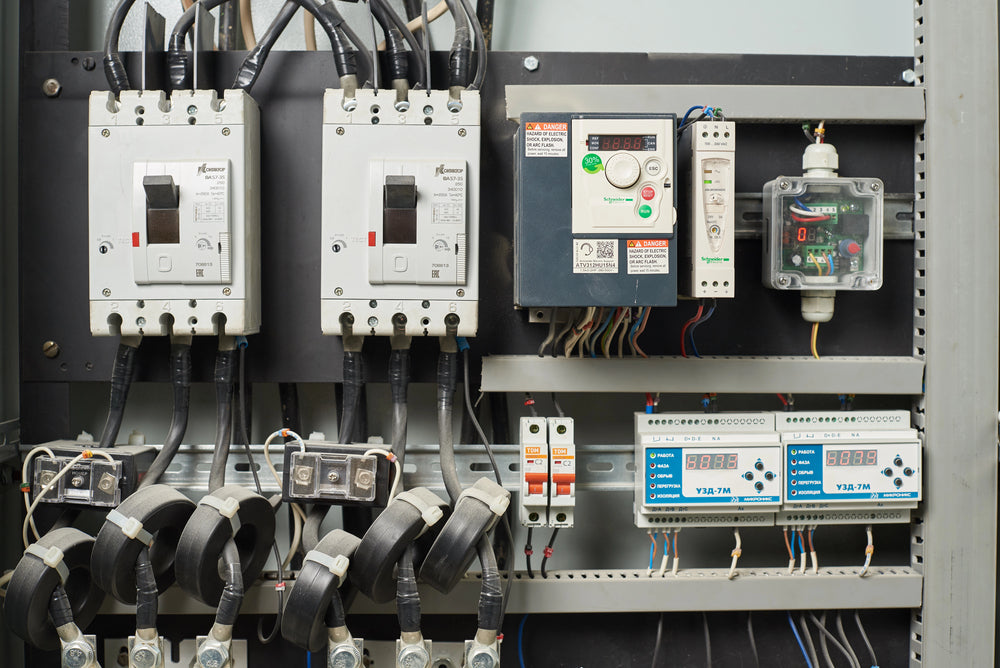
Selling Eaton Breakers From Demolition Projects In Miami, Florida
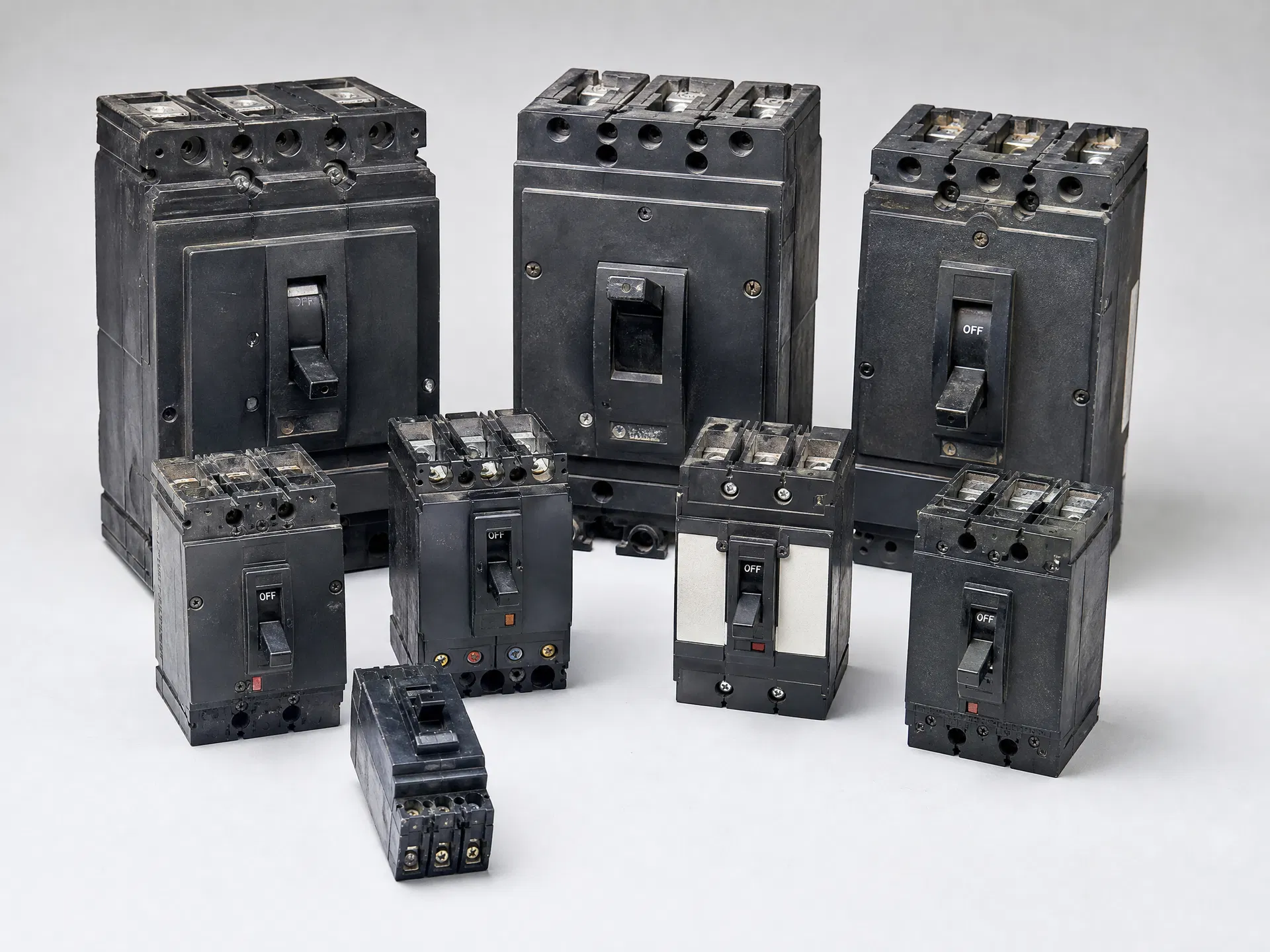
The skyline of Miami, Florida, is in a constant state of evolution. As older commercial buildings, industrial facilities, and aging infrastructure make way for modern high-rises and state-of-the-art developments, demolition contractors are busier than ever. However, amidst the rubble and debris of these massive teardowns lies a hidden goldmine that many contractors overlook: industrial electrical equipment. Specifically, salvaged Eaton circuit breakers and electrical panels represent a significant source of secondary revenue that can dramatically improve the profitability of any demolition project. For Miami demolition contractors, understanding how to properly identify, extract, and sell this equipment is no longer just an option; it is a critical component of maximizing project returns.
When a commercial building is slated for demolition, the focus is often on clearing the site as quickly and safely as possible. Yet, the electrical rooms of these facilities are frequently packed with high-value components. Eaton, a global leader in power management technologies, has been a staple in commercial and industrial electrical systems for decades. Their circuit breakers, motor control centers, and switchgear are renowned for their durability and reliability. Because these components are built to last, they retain substantial value even after years of service. By partnering with a specialized buyer who understands the intricacies of demolition buyback, contractors can turn what would otherwise be considered scrap metal into a lucrative revenue stream.
This comprehensive guide is designed specifically for demolition contractors operating in the Miami area. We will explore the immense value hidden within salvaged Eaton electrical equipment, provide actionable advice on how to identify the most profitable models, and outline the best practices for safe removal and storage. Whether you are tearing down an aging warehouse in Hialeah, a commercial office building in Brickell, or an industrial plant near the Port of Miami, this guide will equip you with the knowledge needed to capitalize on your salvaged electrical assets. By the end of this article, you will understand exactly why selling your Eaton breakers to a trusted partner is the smartest financial decision you can make on your next demolition project.
The Booming Demolition Market in Miami and the Hidden Value of Eaton Breakers
Miami's real estate and construction sectors are experiencing unprecedented growth, driving a massive wave of demolition and redevelopment across the city and its surrounding municipalities. From the revitalization of older neighborhoods to the continuous expansion of the downtown commercial district, demolition contractors are at the forefront of this urban transformation. However, the costs associated with demolition—ranging from labor and heavy machinery to waste disposal and environmental compliance—are substantial. To maintain healthy profit margins, contractors must look beyond traditional scrap recovery and identify high-value assets within the structures they are dismantling. This is where the hidden value of Eaton circuit breakers comes into play.
In many older commercial and industrial buildings throughout Miami, the electrical infrastructure was built to handle significant power loads. These systems are frequently populated with heavy-duty Eaton circuit breakers, including molded case circuit breakers (MCCBs), insulated case circuit breakers (ICCBs), and large air circuit breakers. Unlike standard building materials that are sold for pennies on the dollar as scrap, these electrical components have a robust secondary market. Facilities managers, electrical contractors, and industrial plants across the country are constantly in need of reliable replacement parts, especially for legacy systems where new components may be backordered or entirely obsolete. This high demand translates directly into premium payouts for demolition contractors who take the time to salvage them.
The key to unlocking this value lies in recognizing that electrical equipment is not just scrap metal. While copper wire and aluminum busbars certainly have scrap value, an intact, functional Eaton circuit breaker is worth exponentially more as a reusable component. For example, a large Eaton Magnum DS air circuit breaker salvaged from a commercial high-rise can command thousands of dollars on the secondary market, whereas its raw material weight would yield only a fraction of that amount. By integrating a strategic electrical salvage plan into your standard demolition workflow, you can capture this premium value without significantly disrupting your project timeline.
Furthermore, the climate and environment of Miami present unique challenges and opportunities. Buildings in South Florida are subject to high humidity, salt air, and extreme weather conditions, which means their electrical systems are often over-engineered for resilience. Eaton equipment installed in these environments is typically of the highest commercial grade, featuring robust enclosures and advanced trip units. When these buildings are decommissioned, the internal components of the electrical rooms are often in excellent condition, having been protected from the elements. By carefully extracting these Eaton breakers, Miami contractors can supply the secondary market with high-quality, durable equipment that is highly sought after nationwide.
Identifying High-Value Eaton Circuit Breakers in Commercial Demolitions
For a demolition contractor, the ability to quickly and accurately identify high-value electrical equipment is a crucial skill. When you walk into the main electrical room of a building slated for demolition, you are often faced with a complex array of panels, switchgear, and transformers. Knowing what to look for can mean the difference between a standard scrap payout and a highly profitable salvage operation. Eaton circuit breakers come in a wide variety of types, sizes, and configurations, and while almost all of them have some resale value, certain models and categories are particularly lucrative.
The first category to look for is large air circuit breakers (ACBs). These are typically found in the main switchgear of large commercial buildings, hospitals, and industrial facilities. Eaton's Magnum DS and legacy Cutler-Hammer SPB series are prime examples. These breakers are massive, often weighing several hundred pounds, and are designed to handle extremely high current loads, typically ranging from 800 amps to 5000 amps or more. Because these units are critical to the operation of large facilities and are very expensive to purchase new, they hold tremendous value in the secondary market. If your demolition project includes a main electrical distribution room, these large air breakers should be your top priority for careful extraction.
Next, focus on molded case circuit breakers (MCCBs) with high amperage ratings. While small residential-style breakers have limited resale value, commercial and industrial MCCBs rated from 250 amps up to 2500 amps are highly desirable. Look for Eaton's Series C, Series G, and the newer Power Defense lines. These breakers are ubiquitous in commercial panelboards and motor control centers. Pay special attention to the trip units installed on these breakers. Eaton breakers equipped with advanced electronic trip units, such as the Digitrip series, are significantly more valuable than those with standard thermal-magnetic trips. The electronic trip units offer precise protection and diagnostic capabilities, making them highly sought after by facility managers looking to upgrade or repair their existing systems.
Another highly valuable category includes insulated case circuit breakers (ICCBs), such as the Eaton Magnum SB or legacy Cutler-Hammer models. These bridge the gap between molded case and air circuit breakers, offering high interrupting capacities in a more compact footprint. They are frequently used in main distribution panels and as tie breakers in complex electrical systems. When identifying these units, it is important to document the specific catalog numbers, amperage ratings, and any installed accessories, such as shunt trips, undervoltage releases, or auxiliary switches. These accessories can add significant value to the base breaker.
It is also worth noting that while Eaton is the primary focus, commercial electrical rooms often contain a mix of equipment from various manufacturers. As a comprehensive buyer, we also purchase equipment from other leading brands. If you encounter Square D, Siemens, GE, or ABB breakers during your demolition, these should also be carefully salvaged. By training your crew to recognize the distinctive branding, large frame sizes, and electronic trip units associated with high-value commercial breakers, you can ensure that no profitable assets are inadvertently sent to the scrap yard.
The Financial Impact of Salvaging Eaton Electrical Equipment
The financial dynamics of a demolition project are complex, with contractors constantly balancing the costs of labor, equipment, and disposal against the revenue generated from the contract and salvaged materials. In this tight-margin environment, the financial impact of salvaging Eaton electrical equipment cannot be overstated. By implementing a targeted electrical salvage strategy, Miami demolition contractors can create a substantial secondary revenue stream that goes straight to the bottom line, significantly improving the overall profitability of the project.
To understand the financial impact, it is helpful to look at specific pricing examples and compare the salvage value of electrical equipment to its scrap value. Consider a typical commercial office building demolition in downtown Miami. The main electrical room might contain a lineup of Eaton switchgear featuring two 3200-amp Magnum DS main breakers and a dozen 800-amp Series G distribution breakers. If this equipment is simply torn out with an excavator and sold as mixed heavy melting steel and low-grade copper bearing material, the scrap yard might pay a few hundred dollars for the raw weight. However, if those same breakers are carefully unbolted, removed intact, and sold to a specialized circuit breaker buyer, the financial return is drastically different.
A single, good-condition Eaton Magnum DS 3200-amp breaker can yield thousands of dollars on the secondary market. The 800-amp Series G breakers, depending on their specific trip units and condition, can easily bring in several hundred dollars each. In this scenario, a single electrical room could generate $10,000 to $20,000 or more in salvage revenue. This is not an exaggeration; it is a routine reality for contractors who understand the value of surplus buying programs. This influx of cash can offset the costs of specialized demolition equipment, cover the payroll for the salvage crew, or simply provide a massive boost to the project's profit margin.
Furthermore, the financial benefits extend beyond the direct payout for the equipment. By removing the heavy electrical gear intact, you reduce the total tonnage of debris that must be hauled away and processed, thereby lowering your disposal and transportation costs. Additionally, selling to a specialized buyer often involves streamlined logistics. Reputable buyers will frequently arrange for the freight and transportation of the heavy equipment directly from your job site or storage yard, saving you the time, labor, and expense of hauling it to a scrap facility.
It is also important to consider the competitive advantage this provides when bidding on new demolition contracts. If you know that you can reliably extract $15,000 worth of electrical equipment from a prospective job, you can factor that anticipated revenue into your bid. This allows you to offer more competitive pricing to the property owner or developer while still maintaining your desired profit margins. In the highly competitive Miami demolition market, this strategic advantage can be the deciding factor in winning lucrative contracts. By viewing the electrical room not as an obstacle to be demolished, but as an asset to be monetized, you fundamentally change the financial equation of your business.
Best Practices for Safe and Efficient Extraction of Electrical Gear
Maximizing the value of salvaged Eaton circuit breakers requires more than just identifying the right equipment; it requires a strategic approach to extraction. The goal is to remove the breakers quickly and efficiently without causing damage that would diminish their resale value. For demolition contractors, this means integrating electrical salvage into the early stages of the project timeline, typically during the soft strip or interior gutting phase, before heavy machinery is brought in to take down the structural elements. Proper extraction techniques ensure safety, preserve the integrity of the equipment, and ultimately guarantee the highest possible payout.
The first and most critical step in any electrical salvage operation is verifying that the power has been completely disconnected and locked out. In a demolition scenario, the building's main utility feed should be cut by the local power company, but contractors must never assume a panel is dead. A qualified electrician or a highly trained salvage technician must use proper testing equipment to verify the absence of voltage across all phases and neutral connections before any work begins. Safety is paramount; the high voltages present in commercial electrical systems are lethal, and no piece of equipment is worth risking the lives of your crew. Once the system is confirmed dead, the extraction process can safely commence.
When removing Eaton circuit breakers, the primary objective is to keep the units intact and avoid physical damage to the casings, connection points, and internal mechanisms. For large air circuit breakers, such as the Magnum DS, this often involves racking the breaker out of its cubicle. These breakers are designed to be drawn out for maintenance, and utilizing the proper racking tools and procedures is essential. Never attempt to force or pry a large breaker out of its housing, as this can damage the primary disconnect contacts or the racking mechanism itself, severely reducing the unit's value. Because these breakers are extremely heavy, proper lifting equipment, such as a breaker lift truck or a portable gantry crane, should be used to safely lower them to the ground.
For molded case circuit breakers (MCCBs) mounted in panelboards or switchboards, the extraction process involves unbolting the line and load side connections and removing the mounting hardware. It is crucial to use the correct tools, such as insulated ratchets and torque wrenches, to avoid stripping the bolts or cracking the breaker's plastic casing. When cutting the attached cables, leave a few inches of wire connected to the breaker's lugs rather than trying to wrestle the heavy cables out of the lugs on-site. This saves time during the demolition phase, and the specialized buyer can easily remove the remaining wire later. Additionally, be extremely careful not to damage the electronic trip units or any attached accessories, as these are critical components that drive the resale value of the Eaton breakers.
Proper Storage and Logistics for Salvaged Circuit Breakers
Once the Eaton circuit breakers have been successfully extracted from the demolition site, proper handling and storage are vital to maintaining their value until they can be sold. The harsh environment of a demolition site—filled with dust, debris, moisture, and heavy machinery—is the enemy of sensitive electrical equipment. Failing to protect the salvaged breakers can result in contamination, corrosion, or physical damage that will quickly turn a high-value asset into worthless scrap. Implementing a solid logistics and storage plan is a necessary step in the salvage process.
Immediately upon removal, the breakers should be transported away from the active demolition zones. They should never be left sitting on the floor where they can be kicked, run over by skid steers, or exposed to falling debris. For smaller molded case breakers, place them in sturdy plastic totes or heavy-duty cardboard boxes. It is highly recommended to wrap the breakers in stretch wrap or place them in plastic bags to protect them from the pervasive concrete dust that is common on demolition sites. Concrete dust is highly abrasive and can cause significant damage if it infiltrates the internal mechanisms or electronic trip units of the breakers.
For large air circuit breakers and heavy insulated case breakers, palletizing is the most effective storage method. Carefully place the breakers upright on heavy-duty wooden pallets, ensuring they are stable and will not tip over during transport. Use heavy-duty strapping to secure the breakers to the pallets, and wrap the entire assembly tightly in stretch wrap to provide a barrier against dust and moisture. If the breakers must be stored on-site for any length of time, they must be kept in a dry, covered area, such as a locked shipping container or a weather-tight trailer. Exposure to Miami's frequent rainstorms or high humidity can cause rapid oxidation of the copper and silver contacts, significantly degrading the equipment's value.
When it comes time to transport the salvaged equipment to your yard or directly to the buyer, ensure that the logistics are handled with care. The pallets should be loaded onto trucks using forklifts and secured properly to prevent shifting during transit. If you are working with a reputable, specialized buyer, they will often handle the logistics for you. They can arrange for dedicated freight trucks to pick up the palletized equipment directly from your Miami demolition site or your storage facility. This turnkey approach not only ensures that the equipment is transported safely by professionals experienced in handling heavy electrical gear, but it also frees up your crew to focus on the core tasks of the demolition project.
Why Selling to a Specialized Buyer is Better Than Scrapping
For many demolition contractors, the default method for disposing of metal and equipment is to send it all to the local scrap yard. It is a familiar process: load the roll-off dumpsters, weigh them at the scale, and collect a check based on the current commodity prices for steel, copper, and aluminum. While this approach is appropriate for structural steel, ductwork, and general metallic debris, applying it to high-value electrical equipment is a massive financial mistake. Selling your salvaged Eaton circuit breakers to a specialized buyer offers advantages that far exceed the meager returns of traditional scrapping.
The most obvious advantage is the financial return. Scrap yards purchase materials based solely on their raw weight and the current market value of the constituent metals. They do not care if an Eaton Series G breaker is in perfect working condition or if it features a highly desirable Digitrip electronic trip unit; to them, it is simply a few pounds of low-grade copper-bearing material and plastic. A specialized circuit breaker buyer, on the other hand, evaluates the equipment based on its functionality, model number, amperage rating, and market demand. They are purchasing the breaker to refurbish and resell it as a working component. Consequently, the payout from a specialized buyer can be ten to fifty times higher than the scrap value for the exact same piece of equipment.
Beyond the financial disparity, specialized buyers offer a level of expertise and convenience that scrap yards cannot match. When you partner with a dedicated buyer, you are working with professionals who understand the electrical industry. They can quickly identify the equipment, assess its value, and provide you with a comprehensive, itemized quote. You don't have to guess what your equipment is worth or haggle over mixed-metal pricing. Furthermore, reputable buyers understand the fast-paced nature of the demolition industry. They can provide rapid evaluations, often based on photographs and basic nameplate data, allowing you to make quick decisions without delaying your project timeline.
Additionally, selling to a specialized buyer is a more environmentally responsible practice. When electrical equipment is scrapped, it is shredded, melted down, and the plastic components are often sent to landfills. This process is energy-intensive and results in the loss of perfectly viable manufactured goods. By selling your Eaton breakers to a buyer who will test, refurbish, and return them to service, you are participating in the circular economy. You are extending the lifecycle of the equipment, reducing the demand for new manufacturing, and keeping complex industrial components out of the waste stream. This sustainable approach is increasingly important to developers and property owners, and highlighting your commitment to equipment reuse can be a strong selling point when bidding on environmentally conscious demolition projects in Miami.
How to Evaluate and Inventory Your Eaton Breakers for Sale
To maximize the return on your salvaged Eaton circuit breakers, it is essential to provide the buyer with accurate and comprehensive information about the equipment you have available. While a specialized buyer can often identify equipment from a few quick photos, taking the time to properly evaluate and inventory your salvage will streamline the quoting process, ensure you receive the most accurate pricing, and demonstrate your professionalism. For Miami demolition contractors, establishing a standardized inventory process for electrical salvage is a best practice that pays immediate dividends.
The first step in evaluating your Eaton breakers is to locate and document the nameplate data. Every commercial and industrial circuit breaker features a manufacturer's label or nameplate that contains critical identifying information. The most important piece of data is the catalog number or part number. This alphanumeric code tells the buyer exactly what series, frame size, and configuration the breaker is. For example, an Eaton catalog number might look like "HMDL3800F" or "NGD3120033M". Alongside the catalog number, you should record the amperage rating (e.g., 800A, 1200A, 3200A), the voltage rating, and the number of poles (typically 3-pole for commercial applications). This core data forms the foundation of your inventory list.
In addition to the basic nameplate data, it is crucial to document the specific type of trip unit installed on the breaker. As mentioned earlier, the trip unit is the "brain" of the breaker and significantly impacts its value. For Eaton equipment, look for the Digitrip series designations, such as Digitrip 310, 520, or 1150. Note whether the trip unit includes advanced features like LSIG (Long, Short, Instantaneous, Ground Fault) protection or communication capabilities. If the breaker has any visible accessories installed, such as a shunt trip mechanism, an undervoltage release, or auxiliary contacts, these should also be noted in your inventory. These add-ons increase the versatility of the breaker and make it more attractive to the secondary market.
Finally, you must assess and document the physical condition of the breakers. While specialized buyers expect salvaged equipment to show signs of use, severe damage can render a breaker unsellable. Inspect the plastic casings of molded case breakers for cracks, chips, or burn marks. Check the primary connection points (the lugs or stabs) for signs of severe overheating, melting, or excessive corrosion. For large air circuit breakers, ensure that the racking mechanisms and primary disconnect fingers are intact. When compiling your inventory, take clear, well-lit photographs of each breaker, making sure to capture the nameplate, the trip unit, and the overall condition of the unit. Providing a detailed spreadsheet alongside comprehensive photographs will allow the buyer to quickly issue a firm, high-value quote for your salvaged Eaton equipment.
Building a Long-Term Partnership with a Trusted Buyer
For demolition contractors in Miami, the goal should not be to simply execute a one-off transaction for a single project's electrical salvage. Instead, the objective should be to establish a long-term, mutually beneficial partnership with a trusted, specialized circuit breaker buyer. A strong relationship with a reliable buyer transforms electrical salvage from an occasional windfall into a consistent, predictable revenue stream that you can rely on project after project. Building this partnership requires finding a buyer who understands the unique demands of the demolition industry and operates with integrity and transparency.
When evaluating potential buyers, look for a company with a proven track record of purchasing industrial electrical equipment at scale. You want a partner who has the financial capacity to purchase entire electrical rooms or complete substations outright, rather than a small-time broker who only wants to cherry-pick a few specific items. A reputable buyer will be transparent about their pricing structure and will take the time to explain why certain Eaton breakers are more valuable than others. They should be willing to provide references from other demolition contractors or industrial clients who can vouch for their reliability, prompt payment, and professional logistics handling. You can often review their recent purchases to gauge the scale and scope of the equipment they handle.
Communication and responsiveness are also critical factors in a successful partnership. Demolition projects operate on strict timelines, and delays can be costly. Your buyer should be highly responsive, capable of providing quick evaluations and quotes based on your inventory lists and photographs. They should understand that you cannot halt a demolition project while waiting weeks for a buyer to inspect the equipment. A trusted partner will work seamlessly with your project schedule, arranging for prompt pickup and transportation of the salvaged gear as soon as it is safely extracted and palletized. This level of service ensures that the salvage process never becomes a bottleneck for your primary demolition operations.
Ultimately, a long-term partnership with a specialized buyer provides peace of mind. You will know exactly who to call the moment you secure a new demolition contract that includes significant electrical infrastructure. You will have confidence that you are receiving fair market value for your salvaged Eaton equipment, and you will not have to worry about the logistical headaches of transporting heavy gear or the environmental concerns of scrapping viable components. By integrating a trusted buyer into your standard operating procedures, you elevate your demolition business, maximizing profitability and establishing a reputation for comprehensive, efficient, and sustainable site clearance.
Frequently Asked Questions About Selling Salvaged Eaton Breakers
1. What types of Eaton circuit breakers are most valuable to salvage from a demolition site? The most valuable Eaton breakers are typically large air circuit breakers (like the Magnum DS series) and high-amperage molded case circuit breakers (MCCBs) rated from 400 amps and above. Breakers equipped with advanced electronic trip units, such as the Digitrip series, command the highest prices on the secondary market due to their precise protection capabilities and high demand for facility upgrades.
2. Do I need to test the breakers before selling them? No, you do not need to test the breakers. As a demolition contractor, your primary responsibility is to safely extract the equipment without causing physical damage. Reputable, specialized buyers have the necessary testing facilities and expertise to evaluate the electrical integrity of the breakers once they receive them. Simply provide accurate nameplate data and clear photographs of the equipment's condition.
3. Will you buy Eaton breakers that are old or obsolete? Yes, absolutely. In fact, older or "legacy" Eaton and Cutler-Hammer breakers are often highly sought after. Many industrial facilities and commercial buildings still operate on older electrical systems, and when a component fails, they desperately need an exact replacement to avoid the massive expense of upgrading their entire switchgear. Obsolete breakers can sometimes be more valuable than newer models due to their scarcity.
4. How do I handle the logistics of shipping heavy electrical equipment from my Miami job site? When you work with a professional circuit breaker buyer, they will typically handle all the freight logistics for you. Once you have safely extracted and palletized the Eaton breakers, the buyer will arrange for a dedicated freight truck to pick up the equipment directly from your demolition site or your storage yard in Miami. This saves you the time, labor, and expense of transporting the heavy gear yourself.
5. What if the electrical room contains equipment from brands other than Eaton? A comprehensive buyer will purchase high-value commercial and industrial circuit breakers from all major manufacturers. If your demolition project includes equipment from brands like Square D, Siemens, GE, or ABB, you should inventory and salvage those units as well. A specialized buyer will evaluate the entire lot and provide a quote for all the viable equipment, regardless of the manufacturer.
6. How quickly can I get a quote and get paid for my salvaged equipment? The process is designed to be fast and efficient to accommodate the fast-paced nature of demolition projects. Once you provide a detailed inventory list and clear photographs of the Eaton breakers, a reputable buyer can typically provide a firm quote within 24 to 48 hours. Upon agreement, payment is often issued promptly, sometimes even before the equipment leaves your site, depending on the established relationship and the terms of the agreement.
7. Is it worth salvaging smaller, residential-style Eaton breakers? Generally, no. Small, single-pole or double-pole residential breakers (typically rated under 100 amps) have very little resale value on the secondary market because they are inexpensive to purchase new. The labor required to carefully extract, inventory, and ship these small breakers usually outweighs their value. Your salvage efforts should be focused entirely on large commercial and industrial equipment.
8. Can I sell Eaton switchgear and motor control centers in addition to individual breakers? Yes, complete switchgear lineups, motor control centers (MCCs), and large transformers are also highly valuable. If your demolition project allows for the safe removal of these larger structures intact, they can be sold as complete units or stripped for their internal components. Discuss the specifics of the larger gear with your buyer to determine the most profitable approach for extraction and sale.
Maximize Your Demolition Profits Today
Don't let thousands of dollars in hidden value end up in the scrap yard. If you are a demolition contractor operating in Miami, Florida, or the surrounding areas, the electrical equipment you are tearing out is worth far more than its weight in raw metal. Salvaged Eaton circuit breakers, along with equipment from other major brands, represent a massive opportunity to significantly boost the profitability of your demolition projects. By implementing a strategic salvage plan and partnering with a specialized buyer, you can turn your electrical debris into a reliable, high-yield revenue stream.
At Circuit Breaker Buyer USA, we specialize in purchasing commercial and industrial electrical equipment directly from demolition contractors. We understand the fast-paced demands of your industry and are committed to providing rapid evaluations, top-dollar payouts, and seamless logistics. Whether you are dismantling a single commercial building in downtown Miami or clearing a massive industrial complex, we have the capital and the expertise to purchase your salvaged electrical assets outright. We make the process easy, allowing you to focus on what you do best: safe and efficient demolition.
Are you ready to unlock the hidden value in your next demolition project? Don't wait until the excavators start tearing into the electrical room. Contact us today to discuss your upcoming projects and learn how our demolition buyback program can transform your bottom line. We are actively buying Eaton, Square D, Siemens, GE, and ABB equipment nationwide, including major markets like Houston, Dallas, Chicago, and Los Angeles.
Call us now at (951) 903-9804 to speak directly with one of our purchasing experts, or visit our Get a Quote page to submit your inventory list and photographs for an immediate evaluation. Let Circuit Breaker Buyer USA be your trusted partner in maximizing the financial return on every demolition project you undertake.
Ready for a quote?
Call Circuit Breaker Buyer USA for a fast, no-obligation offer on your equipment.