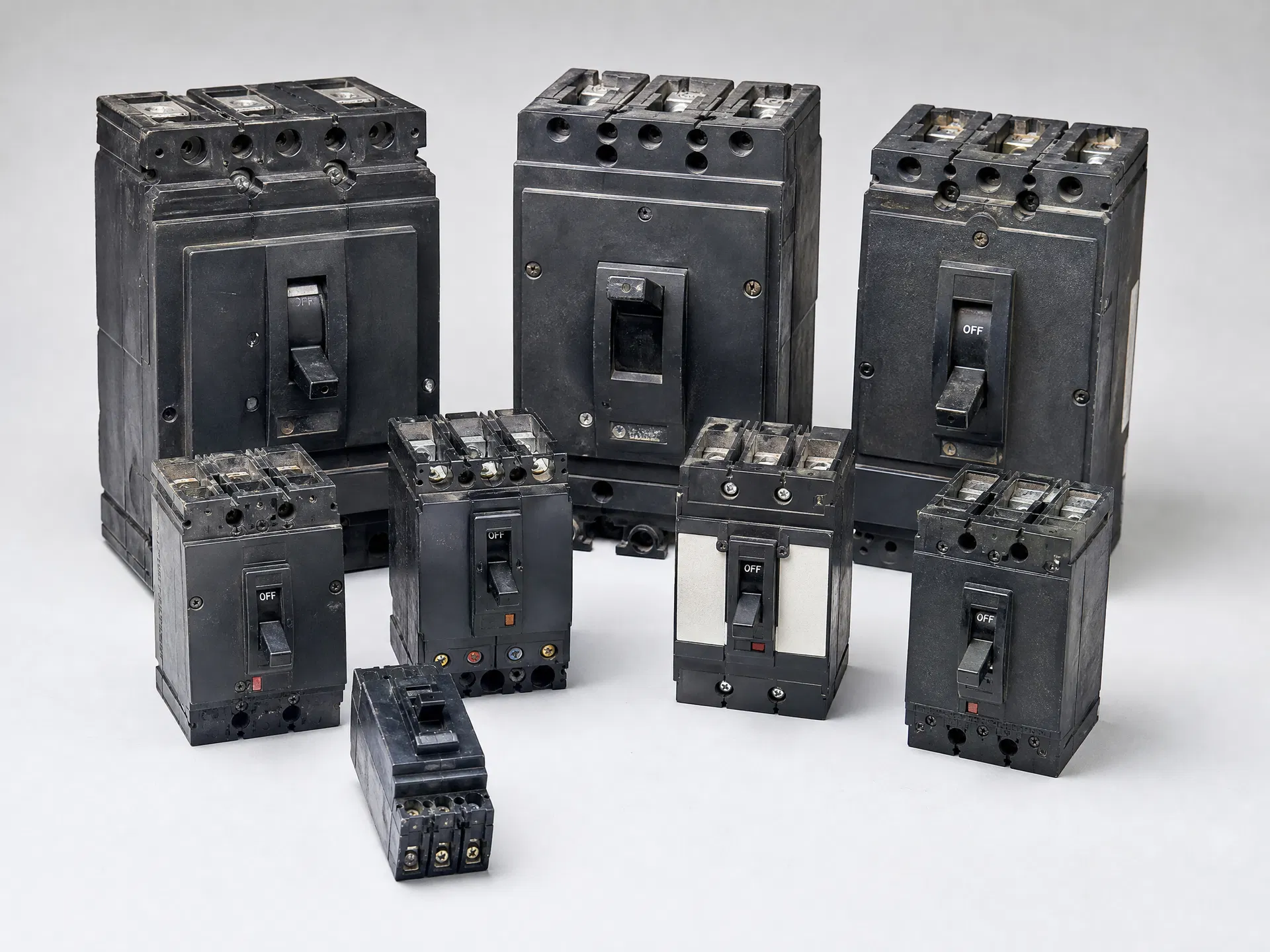
Selling Square D I-Line Panels in Las Vegas Nevada
Las Vegas, Nevada, is a city defined by its constant evolution, where iconic casinos, sprawling resorts, and massive hotel complexes undergo continuous renovations to maintain their world-class appeal. For electrical contractors, facility managers, and demolition experts spearheading these monumental projects, managing the sheer volume of surplus electrical equipment is a significant logistical and financial challenge. Among the most common and valuable assets recovered during these upgrades are Square D I-Line panels. Known for their robust construction, modular flexibility, and unparalleled reliability, these panels have been the backbone of Las Vegas's commercial infrastructure for decades. However, when a facility upgrades its power distribution systems to accommodate new technologies, larger gaming floors, or enhanced hospitality amenities, these existing panels are often decommissioned. Rather than allowing this high-quality equipment to gather dust in a storage yard or, worse, end up in a landfill, contractors have a lucrative opportunity to liquidate these assets. Selling your surplus Square D I-Line panels not only injects unexpected capital back into your project budget but also promotes sustainable practices within the construction industry. Circuit Breaker Buyer USA specializes in purchasing surplus, used, and obsolete electrical equipment directly from job sites across the country. Whether you are dismantling a legacy power room on the Strip or upgrading the electrical grid of an off-Strip resort, understanding the secondary market for these components is crucial. This comprehensive guide is tailored specifically for Las Vegas contractors, providing in-depth insights into the valuation, decommissioning, and selling process of Square D I-Line panels, ensuring you maximize your return on investment while streamlining your project timeline.
The Unique Electrical Demands of Las Vegas Casino and Hotel Renovations
The hospitality and gaming industry in Las Vegas operates on a scale unlike any other in the world. A single mega-resort on the Las Vegas Strip can consume as much electricity as a small city, powering everything from tens of thousands of slot machines and elaborate theatrical lighting to massive HVAC systems and 24/7 culinary operations. Consequently, the electrical infrastructure supporting these facilities is incredibly complex, heavily redundant, and built to handle immense loads without interruption. When these properties undergo renovations—whether it is a complete rebranding, the addition of a new hotel tower, or the modernization of a gaming floor—the electrical upgrades required are staggering in scope. Contractors tasked with these renovations must navigate tight schedules, stringent safety regulations, and the logistical nightmare of working within an operational facility.
During these extensive overhauls, entire electrical rooms are often gutted and replaced. This process yields a massive amount of surplus equipment, including heavy-duty circuit breakers, transformers, motor control centers, and, prominently, power distribution panels. The challenge for contractors is not just installing the new systems but efficiently managing the removal and disposal of the old ones. Traditional demolition practices often treat this decommissioned equipment as scrap metal, selling it by the pound to local recyclers. However, this approach drastically undervalues the equipment. Many of the components removed during these renovations, particularly high-amperage breakers and distribution panels, retain significant functional value and are highly sought after in the secondary market.
Understanding the intrinsic value of this equipment requires a shift in perspective. Instead of viewing decommissioned electrical gear as waste, contractors must recognize it as a recoverable asset. By partnering with specialized buyers who understand the intricacies of commercial electrical systems, contractors can turn a costly disposal process into a profitable liquidation event. This is particularly relevant in Las Vegas, where the sheer volume of high-quality, well-maintained equipment removed during renovations is unparalleled. The dry desert climate also plays a role in preserving the condition of indoor electrical components, meaning that panels and breakers removed from Las Vegas properties are often in excellent working order, further increasing their resale value. For contractors, leveraging our surplus buying services can significantly offset the costs of demolition and provide a competitive edge when bidding on future renovation projects.
Why Square D I-Line Panels Are Prevalent in Las Vegas Commercial Infrastructure
When examining the electrical rooms of Las Vegas's most prominent resorts and casinos, one brand consistently stands out: Square D. Specifically, the Square D I-Line series of power distribution panels has been the industry standard for commercial and industrial applications for decades. The prevalence of these panels in Las Vegas is no coincidence; it is the result of their unique design features that perfectly align with the demanding requirements of large-scale hospitality and gaming facilities.
The defining characteristic of the Square D I-Line panel is its innovative busbar design and plug-on breaker system. Unlike traditional panels that require breakers to be bolted onto the bus, the I-Line system allows breakers to be simply pushed onto the bus stack and secured with a single retaining screw. This modularity is incredibly advantageous in a casino environment, where electrical loads are constantly shifting. If a new bank of slot machines is installed or a restaurant kitchen is expanded, facility engineers can quickly and safely add or swap breakers without the need for extensive downtime or complex rewiring. This flexibility minimizes disruptions to the guest experience, which is paramount in a city that never sleeps.
Furthermore, Square D I-Line panels are renowned for their durability and high fault current ratings. The electrical grids in massive resorts must be capable of handling significant short-circuit currents, and I-Line panels are engineered to provide robust protection under these extreme conditions. The panels are available in a wide range of amperages, typically from 225A up to 1200A, making them suitable for everything from sub-distribution on individual hotel floors to main power distribution in central utility plants.
Because of their widespread adoption, there is a massive installed base of Square D I-Line equipment in Las Vegas. As older properties are renovated or demolished, a steady stream of these panels enters the secondary market. Models such as the HCJ, HCW, and HCP series are frequently encountered during these projects. The demand for these used panels and their associated breakers (such as the FA, KA, LA, and MA frame sizes) remains exceptionally high nationwide. Facilities looking to expand their existing I-Line systems or replace damaged components often prefer to purchase refurbished matching equipment rather than upgrading their entire infrastructure. This sustained demand is what makes your surplus Square D equipment so valuable. By identifying and carefully extracting these panels during your Las Vegas renovation projects, you are tapping into a lucrative market that actively seeks the exact components you are removing.
Identifying and Evaluating Your Surplus Square D Equipment
Before you can effectively monetize the surplus electrical equipment from your Las Vegas renovation project, you must first accurately identify and evaluate what you have. The value of Square D I-Line panels and breakers varies significantly based on several factors, including the specific model, amperage rating, age, and overall condition. For contractors, developing a systematic approach to inventorying this equipment is the first step toward maximizing your return.
The most critical piece of information for any electrical component is its catalog number or part number. On Square D I-Line panels, this information is typically found on the manufacturer's label located on the inside of the panel door or on the interior trim. The catalog number will indicate the panel's maximum amperage, voltage rating, phase, and whether it is designed for indoor (NEMA 1) or outdoor (NEMA 3R) use. For example, a catalog number like HCP32854M indicates a specific configuration of an HCP series panel. Similarly, every circuit breaker installed within the panel will have its own label detailing its frame size, amperage, and interrupting rating. Documenting these numbers accurately is essential, as they allow buyers to determine the exact specifications and market demand for the equipment.
Beyond the catalog numbers, the physical condition of the equipment plays a major role in its valuation. While buyers of surplus equipment expect some signs of wear, severe damage can render a panel or breaker unsellable. When evaluating your inventory, look for signs of water damage, excessive rust, or corrosion, which are rare in Las Vegas but can occur in poorly maintained utility areas. Check for any physical deformities, such as bent busbars, cracked breaker casings, or missing lugs. Additionally, note whether the equipment has been subjected to an electrical fault, as evidence of arcing or severe heat damage will significantly reduce its value.
It is also important to consider the completeness of the panel. An I-Line panel is most valuable when it includes its original interior, deadfront (trim), and enclosure. While the breakers inside the panel are often the most valuable components, a complete, undamaged panel board is highly desirable for facilities looking for a direct replacement. When dismantling the equipment, take care to keep all associated hardware, such as mounting screws and blank filler plates, together with the panel.
To streamline the evaluation process, we recommend taking clear, well-lit photographs of the equipment. Capture wide shots of the entire panel, as well as close-up images of the manufacturer's labels and any visible damage. These photographs, combined with a detailed inventory list of catalog numbers, will allow a specialized buyer to provide a fast and accurate quote. If you are managing a large-scale demolition and do not have the resources to catalog every piece of equipment, our demolition buyback services can provide on-site evaluations, taking the burden of inventory management off your shoulders.
The Financial Impact: Pricing Examples and Market Demand
Understanding the potential financial return from selling surplus Square D I-Line equipment can significantly alter how contractors approach demolition and renovation projects in Las Vegas. The secondary market for electrical components is dynamic, driven by supply chain fluctuations, manufacturing lead times, and the ongoing need for legacy replacement parts. By liquidating these assets, contractors can turn a line-item expense (disposal) into a substantial revenue stream.
To illustrate the potential value, consider the pricing dynamics of common Square D I-Line components. The value of a breaker is generally proportional to its amperage and frame size. For instance, smaller FA or FH frame breakers (15A to 100A) are incredibly common and might yield a modest return, perhaps $10 to $30 each depending on the specific model and condition. However, a single Las Vegas hotel renovation might yield hundreds of these breakers, turning a small individual value into a significant cumulative sum.
The real financial impact is seen with larger, high-amperage breakers. A used Square D LA or LH frame breaker (typically 125A to 400A) can command prices ranging from $100 to $300 or more. Moving up to the MA or MH frames (up to 1000A), the value increases substantially, often reaching $500 to $1,000 per unit. For massive main breakers, such as the PA or PC frames (up to 2500A) often found in the main switchgear of large casinos, the resale value can be several thousand dollars each.
The I-Line panel interiors and enclosures themselves also hold considerable value. A complete, clean HCP or HCW series panel board, even without breakers, can be worth anywhere from $500 to over $2,000, depending on its specifications and condition. When you combine the value of a large distribution panel with the dozens of breakers it contains, a single electrical room can easily yield tens of thousands of dollars in recoverable assets.
The demand for this equipment is robust and nationwide. While you are removing these panels in Las Vegas, a facility manager in another state might be desperately searching for that exact model to replace a failed unit and restore power to their operation. Because new equipment from manufacturers can sometimes have lead times stretching into months, the immediate availability of refurbished secondary market equipment is highly attractive. This urgency drives the value of your surplus gear. By partnering with a national buyer who has a broad customer base, you ensure that your equipment is priced competitively based on national demand, rather than being limited by local scrap values. To see examples of the types of equipment we frequently purchase and the scale of our operations, you can review our recent purchases.
Best Practices for Decommissioning and Removing Electrical Panels
To maximize the resale value of your surplus Square D I-Line panels, the decommissioning and removal process must be executed with care and precision. In the fast-paced environment of a Las Vegas casino renovation, the temptation is often to tear out old equipment as quickly as possible to make way for the new. However, aggressive demolition tactics, such as cutting wires too close to the lugs, dropping panels, or tossing breakers into bins, will cause irreparable damage and destroy the equipment's value. Implementing best practices for removal is essential for preserving your financial return.
The first and most critical step is ensuring that all equipment is completely de-energized and safely locked out and tagged out (LOTO) according to OSHA standards. Safety must always be the primary concern. Once the system is verified dead, the removal process can begin.
When disconnecting the wiring, it is crucial to unbolt the cables from the lugs rather than cutting them. Cutting cables, especially large gauge copper or aluminum, often damages the lugs or leaves short, unmanageable stubs of wire inside the terminals, which the buyer will have to laboriously remove. Taking the extra time to properly unbolt the connections preserves the integrity of the panel and the breakers.
Careful handling of the breakers is also vital. Square D I-Line breakers are designed to be easily removed by loosening the retaining screw and pulling the breaker off the busbar. They should never be pried or forced, as this can crack the molded casing or damage the plug-on jaws. Once removed, breakers should be packed securely in sturdy boxes, ideally with some padding to prevent them from knocking against each other during transport. Do not throw them loosely into a gaylord box or a dumpster, as the physical impact will cause internal damage and break the exterior toggles.
The panel enclosure and interior must also be handled with care. If the panel is being removed entirely, ensure that the deadfront (the inner cover that exposes only the breaker toggles) and the outer door are kept with the unit. These sheet metal components are easily bent or scratched, so they should be protected during transit. If the panel is too large or heavy to move safely as a single unit, it may be necessary to remove the interior bus stack from the enclosure. If you do this, ensure all mounting hardware is saved and bagged. By treating the decommissioned equipment as valuable inventory rather than scrap, your demolition crew can significantly increase the final payout from the surplus buyer.
Navigating the Logistics of Selling Surplus Equipment in Las Vegas
The logistics of removing, storing, and transporting large quantities of heavy electrical equipment can be daunting, especially in the congested environment of the Las Vegas Strip. Casinos and major hotels have strict protocols regarding loading dock access, freight elevator usage, and the hours during which heavy materials can be moved. Navigating these logistical hurdles efficiently is crucial to keeping your renovation project on schedule and ensuring a smooth transaction when selling your surplus Square D I-Line panels.
Space is often at a premium on Las Vegas job sites. Contractors rarely have the luxury of storing decommissioned equipment on-site for extended periods. Therefore, coordinating the timely removal of the surplus gear is essential. When you partner with a professional surplus buyer, they should be able to work within your project timeline, arranging for freight pickup exactly when the equipment is ready to be moved. This eliminates the need for you to transport the equipment to an off-site storage yard, saving you time, labor, and transportation costs.
When preparing the equipment for freight transport, proper palletizing is key. Large I-Line panels should be securely strapped to heavy-duty pallets, ensuring they are balanced and will not tip during transit. Breakers and smaller components should be boxed and shrink-wrapped onto separate pallets. It is important to clearly label each pallet with its contents and ensure that the total weight does not exceed the capacity of the pallet or the handling equipment.
A reputable surplus buyer will handle the complexities of the freight logistics for you. They will arrange for the appropriate type of truck—whether it requires a liftgate for ground-level loading or a standard dry van for loading dock access—and provide the necessary bills of lading. In many cases, the buyer will cover the cost of freight entirely, deducting it from the final purchase price or absorbing it as part of their service. This turnkey approach allows your team to focus on the core tasks of the renovation, rather than getting bogged down in the intricacies of freight shipping. If you are managing projects across multiple locations, we also offer specialized services as a Houston circuit breaker buyer, Dallas circuit breaker buyer, Chicago circuit breaker buyer, and Los Angeles circuit breaker buyer, ensuring consistent logistical support nationwide.
Beyond Square D: Other Valuable Brands in Your Electrical Room
While Square D I-Line panels are incredibly common and highly valuable, they are rarely the only brand of equipment found in the expansive electrical rooms of Las Vegas resorts. Large facilities often have a mix of equipment installed over various phases of construction and renovation. As a contractor, it is important to recognize that the secondary market is not limited to a single manufacturer. Maximizing your return means identifying and liquidating all valuable surplus equipment, regardless of the brand.
Siemens is another major player in the commercial electrical space. Their power distribution panels, motor control centers, and heavy-duty disconnects are frequently encountered during demolition. Siemens breakers, particularly their molded case and insulated case varieties, hold significant value. If your project involves removing Siemens equipment, it should be cataloged and evaluated with the same care as your Square D gear.
Eaton, which encompasses legacy brands like Cutler-Hammer and Westinghouse, also has a massive installed base. Eaton's Pow-R-Way busway systems and Pow-R-Line panelboards are staples in industrial and large commercial applications. The breakers associated with these systems, especially the older Westinghouse models that are no longer manufactured but still in high demand for replacement parts, can be surprisingly valuable. Do not overlook your surplus Eaton equipment when assessing your inventory.
General Electric (GE) and ABB are also prominent names in heavy electrical infrastructure. GE's Spectra series panels and breakers, as well as their legacy A-Line and T-Line equipment, are actively sought by surplus buyers. ABB, known for its advanced switchgear and high-voltage components, produces equipment that commands premium prices on the secondary market. Whether you are dealing with GE distribution boards or ABB variable frequency drives, all of this equipment contributes to the total recoverable value of your demolition project. A comprehensive surplus buyer will be able to evaluate and purchase your entire inventory, providing a single, streamlined solution for all your decommissioned electrical assets.
The Environmental and Sustainability Benefits of Asset Recovery
In today's construction industry, sustainability is no longer just a buzzword; it is a critical component of corporate responsibility and project planning. Major Las Vegas resorts and hotel chains are increasingly committed to reducing their environmental footprint, and they expect their contractors to share this commitment. Selling your surplus Square D I-Line panels and other electrical equipment is not just a financial strategy; it is a powerful way to promote sustainability and contribute to the circular economy.
When decommissioned electrical equipment is treated as scrap, it is typically shredded, and the raw materials—primarily copper, aluminum, and steel—are melted down and recycled. While this is better than sending the equipment to a landfill, the recycling process itself is highly energy-intensive and generates significant greenhouse gas emissions. Furthermore, recycling destroys the functional value of the equipment, requiring new components to be manufactured from scratch to meet market demand.
Asset recovery, on the other hand, preserves the embodied energy of the equipment. By selling your surplus panels and breakers to a specialized buyer, you are ensuring that these components will be refurbished, tested, and returned to service in another facility. This process, known as reuse or repurposing, is the most environmentally friendly way to handle decommissioned equipment. It extends the lifecycle of the products, reduces the demand for new manufacturing, and significantly lowers the carbon footprint associated with electrical infrastructure.
For contractors, participating in asset recovery can also provide a competitive advantage. Many large-scale renovation projects in Las Vegas, particularly those aiming for LEED (Leadership in Energy and Environmental Design) certification, require contractors to demonstrate responsible waste management and diversion practices. By providing documentation that your surplus electrical equipment was sold for reuse rather than scrapped or landfilled, you can help the facility achieve its sustainability goals and strengthen your reputation as an environmentally responsible partner.
Frequently Asked Questions (FAQ)
What types of Square D equipment do you buy? We purchase a wide variety of Square D equipment, with a strong focus on I-Line power distribution panels, molded case circuit breakers (such as FA, KA, LA, MA, and PA frames), insulated case breakers, motor control centers (MCCs), and heavy-duty safety switches. We buy both current models and obsolete or legacy equipment.
Do the panels and breakers need to be in working condition? Ideally, yes. Equipment that is in good working condition and free from severe physical damage or electrical faults holds the highest value. However, we also purchase equipment that may require minor refurbishment. We do not typically buy equipment that has been submerged in water, heavily burned, or physically destroyed during demolition.
How do I get a quote for my surplus equipment? The fastest way to get a quote is to provide us with a list of catalog numbers and clear photographs of the equipment. You can submit this information through our website or contact us directly. For large demolition projects in Las Vegas, we can also arrange for an on-site evaluation to assess the inventory in person.
Who pays for the freight and shipping? In most cases, we cover the cost of freight. Once we agree on a purchase price, we will arrange for the transportation, provide the necessary bills of lading, and schedule the pickup from your Las Vegas job site or storage facility. This ensures a hassle-free transaction for your team.
How quickly can you remove the equipment from our job site? We understand that space is limited on Las Vegas renovation sites. Once an agreement is reached and the equipment is palletized and ready for transport, we can typically arrange for freight pickup within a few business days, helping you keep your project on schedule.
Do you buy equipment from brands other than Square D? Yes, absolutely. While Square D is highly prevalent, we are a comprehensive surplus buyer. We actively purchase equipment from all major manufacturers, including Siemens, Eaton (Cutler-Hammer/Westinghouse), General Electric (GE), and ABB. We can evaluate and purchase your entire electrical room inventory.
Is selling surplus equipment better than scrapping it? Financially and environmentally, selling is vastly superior to scrapping. Scrapping only pays for the raw metal weight, which is a fraction of the equipment's functional value on the secondary market. Selling for reuse maximizes your financial return and promotes sustainability by keeping viable equipment out of the recycling smelter and extending its lifecycle.
Maximize Your Renovation Returns Today
Managing the surplus electrical equipment from a Las Vegas casino or hotel renovation doesn't have to be a logistical headache or a missed financial opportunity. By recognizing the value of your decommissioned Square D I-Line panels and partnering with a specialized buyer, you can transform a costly disposal process into a significant revenue stream. At Circuit Breaker Buyer USA, we have the expertise, the capital, and the logistical capabilities to handle projects of any size, ensuring you receive top dollar for your assets while keeping your job site clear and your project on schedule.
Don't let valuable equipment go to waste or settle for bottom-dollar scrap prices. Let our team of experts evaluate your inventory and provide a competitive, no-obligation quote. Whether you are in the planning stages of a massive Strip resort overhaul or currently dismantling an off-Strip property, we are ready to assist you.
Take the first step toward maximizing your project's profitability. Get a Quote today by submitting your inventory list and photos online, or speak directly with one of our purchasing specialists by calling (951) 903-9804. Turn your surplus electrical gear into working capital with Circuit Breaker Buyer USA.
Ready for a quote?
Call Circuit Breaker Buyer USA for a fast, no-obligation offer on your equipment.