Where to Sell Used Circuit Breakers in Denver Colorado
Denver’s construction and industrial sectors are booming—from multifamily and mixed‑use builds along the Front Range to warehouse, data center, and renewable energy projects across Colorado. With that growth comes a steady flow of electrical change orders, panel upgrades, and decommissions that leave contractors, facility teams, and plant managers sitting on valuable secondary assets—especially molded case and power circuit breakers. If you’re evaluating where to sell used circuit breakers in a way that’s fast, compliant, and profitable, the local market offers more options than many realize.
The used breaker ecosystem in Colorado is mature and quality‑conscious. Legitimate channels expect clear nameplate data, verifiable testing, and traceability—particularly for UL 489 molded case breakers and UL 1066/ANSI power breakers. A reputable Denver circuit breaker buyer will ask for details like frame and trip size, interrupting rating, accessories (LSIG, shunt trip, UVR), vintage/series (e.g., Square D, Siemens, Eaton, GE, ABB), and condition notes. They’ll price based on demand, amperage and AIC, discontinued status, and whether units are new surplus, take‑outs, or professionally reconditioned with test reports. Done right, you recover meaningful value, avoid landfill, and stay aligned with NEC 110 and local AHJ expectations.
This guide will show you exactly where to sell used circuit breakers Denver sellers trust, including:
- Local surplus dealers and certified refurbishers that provide immediate offers, testing, and pickup
- Nationwide buyers with Denver logistics for same‑day payment and palletized freight
- Specialty recyclers for end‑of‑life units, ensuring compliant metals recovery
- Consignment, auction, and marketplace routes when timelines are flexible
We’ll also outline how to document gear for faster quotes (photos of nameplates and lugs, trip unit screenshots, pole resistance/megger data), how removal practices impact resale (torque‑correct lug removal, protecting terminals and accessories), and what not to sell (recalled, visibly damaged, or altered devices). If you want a real‑time sense of what moves in this region, browse our Recent Purchases to see models, quantities, and price drivers that Denver buyers are acting on right now.
Whether you’re a GC clearing a temp power lineup, an OEM backfilling discontinued frames, or a facility engineer after an MCC retrofit, this article will help you select the right Denver circuit breaker buyer, maximize recovery, and move inventory quickly—while staying safe, compliant, and responsive to Colorado’s accelerating project pipeline.
The Thriving Denver Market for Used Electrical Equipment
Denver’s Front Range corridor is in the middle of a sustained build-out that spans ground-up construction, adaptive reuse, and heavy industrial expansion. Population growth, a resilient regional economy, and pro‑innovation policies are accelerating electrical infrastructure upgrades across commercial real estate, advanced manufacturing, logistics, and tech. At the same time, supply chain volatility and long OEM lead times have made used and surplus circuit breakers a strategic lever for keeping projects on schedule. The result is a robust, fast-moving secondary market in the Denver metro for molded case, insulated case, and low-voltage power breakers—as well as panelboards, switchboards, MCC buckets, and protective relays.
Three dynamics make Denver a standout hotspot:
- Compressed timelines and capex discipline: Tenant improvements, office-to-lab conversions, and campus refreshes must turn quickly to capitalize on leasing momentum. Contractors lean on in-stock breakers—Square D, Eaton/Cutler‑Hammer/Westinghouse, Siemens, ABB, GE legacy—to avoid multi‑month factory waits. Surplus gear pulled during demo or right‑sizing immediately circulates back to meet the next TI.
- Electrification and resilience: EV charging rollouts, rooftop and community solar tie‑ins, and battery energy storage systems are pushing facilities to upgrade available fault current, short‑circuit ratings (AIC), coordination schemes, and arc‑flash boundaries. As switchgear is up‑rated or segmented, compliant but lower‑rated frames become prime candidates for resale.
- Altitude and performance margins: At roughly 5,280 feet, Denver’s altitude introduces modest dielectric and interrupting-capacity considerations. Owners often specify higher AIC or vacuum‑interrupting solutions for margin, retiring otherwise serviceable breakers that are perfect for secondary-market applications at equal or lower altitudes.
Industry demand is broad and steady:
- Tech data centers and edge facilities need high-ampacity feeders, selective coordination, and spare breakers on the shelf for uptime. When white space is reconfigured, they release quantities of matching frames and trip units ideal for redeployment.
- Advanced manufacturing—from aerospace and electronics to food and beverage—modernizes MCCs, VFD bypasses, and process lines, generating lots of clean takeouts with documented maintenance histories.
- Commercial real estate—office, medical, hospitality, mixed-use—cycles through tenant buildouts and base-building upgrades, producing a continuous stream of breakers, panel interiors, and switchboard sections as layouts and loads evolve.
Denver’s permitting environment and frequent code updates further catalyze change. As properties adopt contemporary grounding/bonding practices, AFCI/GFCI requirements, and revised selective-coordination goals, owners often standardize on newer trip technologies (Micrologic, Digitrip, Power Defense, ETU) or higher withstand ratings. That leaves backfill opportunities for projects that don’t require the latest firmware or comms modules but still demand UL-listed, test-verified protection.
From a logistics standpoint, the metro’s central location enables same-day pickup and next-day regional delivery. Local buyers and refurbishers can megger, primary-inject, and load-bank test on short notice, validate pole resistance, and document electronic trip settings—capabilities that increase confidence and compress transaction cycles. Inventory that would sit idle in storage can be quickly converted to working capital, while buyers secure proven frames for shutdown windows, storm repairs, and schedule saves.
Sustainability and ESG targets add another tailwind. Reusing breakers and assemblies avoids the embodied carbon and resource intensity of new manufacturing, while compliant metals recovery handles true end-of-life units responsibly. In practice, that means Denver projects can hit both schedule and sustainability metrics by prioritizing qualified secondary equipment.
If you’re aligning a decommission, TI, or capacity upgrade with an aggressive timeline, the Front Range secondary market is built to respond. Share photos of nameplates, trip unit screenshots, and basic test data to accelerate valuation and availability, and tap local expertise to match interrupt ratings, frame sizes, and accessories. Ready to move inventory or source critical breakers? Get a Quote and we’ll mobilize quickly with Denver‑tested options.
Top Circuit Breaker Brands We Buy in Denver
Denver buyers consistently favor proven OEMs with broad installed bases, strong parts availability, and clear testing standards. When you’re selling surplus or sourcing fast, these five brands deliver the best mix of performance, interchangeability, and residual value in the Front Range.
Square D (Schneider Electric)
Square D remains the workhorse across commercial and light industrial facilities, from panelboards to switchboards. We actively purchase:
- QO/QOB branch breakers for service work and TIs, especially bolt-on QOB three-pole units in 20–100A for quick panelboard restores.
- I-Line plug-on frames such as FAL/FHL and LA/LH/LJ series (e.g., FAL36100, LAL36400, LJL36300), prized for speed of changeout in bus-plug panelboards.
- PowerPact H/J/L/P frames with thermal-magnetic or Micrologic electronic trips. High-amp L- and P-frame units with 65kA or 100kA ratings move fastest in data center, healthcare, and industrial projects.
Value indicators:
- I-Line L-frame 400A–600A (e.g., LAL36400, LGL36600) tested with shunt trip and 65kAIC at 480V: typically $1,200–$2,500 depending on vintage and accessories.
- PowerPact P-frame 800A–1200A with Micrologic 5.0/6.0 and LSIG: commonly $4,000–$8,000, with premium for 100kAIC and drawout kits.
Siemens
Siemens Sentron and VL platforms are staples in municipal, higher-ed, and industrial sites throughout the metro. We look for:
- Sentron molded-case models across the ED/FD/JD/LD/MD/ND families (e.g., FXD6, JD6, MD6), with higher AIC ratings favored for 480V distribution.
- VL series breakers and frames (VL250, VL400, VL800, VL1600) with ETU trip units. Retrofit-friendly and broadly supported in switchboards and MCCs.
- Branch-level BQD and QP for panel repairs, with premium on bolt-on BQD in three-pole 20–100A.
Value indicators:
- VL800 800A with ETU trip and 65kAIC: $2,000–$4,000; add $300–$700 for ground-fault, zone-selective interlocking, or communication modules.
- Sentron MD6 600A, tested to NETA with auxiliary/shunt trip: $1,200–$2,200; 100kAIC variants may trend higher.
Eaton (Cutler‑Hammer)
Eaton Series C and legacy Cutler‑Hammer/Westinghouse footprints dominate many Denver industrials and water/wastewater sites. We actively purchase:
- Series C molded-case lines FD, JD, LD, MD, ND (e.g., FDN, JDN, LDN, MDL) in 65kA/100kA ratings. Common pulls include LDN36400 and MDL36800.
- HMCP motor circuit protectors for MCC modernization.
- Larger-frame retrofits paired with Digitrip electronic trips in panelboard or switchboard packages.
Value indicators:
- Series C LD 600A 65kAIC with LSI trip: $1,000–$1,800; factory adders like bell alarms and UVR can add $150–$400.
- ND/MD 800A–1000A with electronic trip: $1,800–$3,500; premium for matching line/load lugs and clean stab wear.
GE
GE Spectra RMS remains ubiquitous in mid-rise commercial and healthcare campuses, with fast swaps into Spectra panelboards and switchboards. We seek:
- Spectra RMS frames SE/SF/SG/SK with adjustable trips (e.g., SE150, SF250, SG600, SK1200). Common catalog patterns include SGHA36 and SKHA36 for high-interrupt applications.
- Power Break I/II drawout units for legacy AKD gear upgrades, especially with MicroVersaTrip or EntelliGuard retrofits.
- THQB/THQC branch breakers for panel maintenance, favoring bolt-on three-pole.
Value indicators:
- Spectra RMS SG 600A 35–65kAIC: $1,200–$2,100; factory Spectra plug-in kits and GF add value.
- SK 1200A 65–100kAIC: $3,500–$7,000; recent production and EntelliGuard upgrades can push higher.
ABB
ABB SACE platforms are increasingly common in process and manufacturing sites, prized for compact frames and advanced protection.
- SACE Tmax T-series and XT-series molded-case breakers: T4/T5/T6/T7 and XT4/XT5/XT7 with PR/ETU electronic trips (e.g., T5N 400, T6H 600, T7L 800). High-interrupt “H/L” variants are especially liquid.
- Emax/Emax 2 low-voltage power breakers for drawout gear replacements with full LSIG and communications.
- IEC/UL dual-rated units that fit global equipment sets in pharma and food & bev plants.
Value indicators:
- SACE T7 800A with PR331/PR332 or ETU trip and 65kAIC: $2,500–$4,500; zone selectivity and comms boost value.
- Emax E1/E2 1600A drawout with LSIG: $5,000–$10,000, condition- and accessory-dependent.
What drives premium pricing across all brands:
- Documented test results (primary injection/secondary current checks), clean cosmetics, intact lugs and covers.
- Higher kAIC ratings (65kA/100kA at 480V), LSIG functionality, and sought-after accessories (UVR, shunt trip, bell alarm, aux contacts).
- Match to Denver’s common gear: I-Line, Spectra, Sentron/Sb switchboards, and MCC form factors.
Have units from these lines ready to sell—or need them fast for a shutdown? Send clear nameplate photos, trip unit screenshots, and any test sheets to accelerate firm offers and rapid deployment.
Types of Circuit Breakers in High Demand
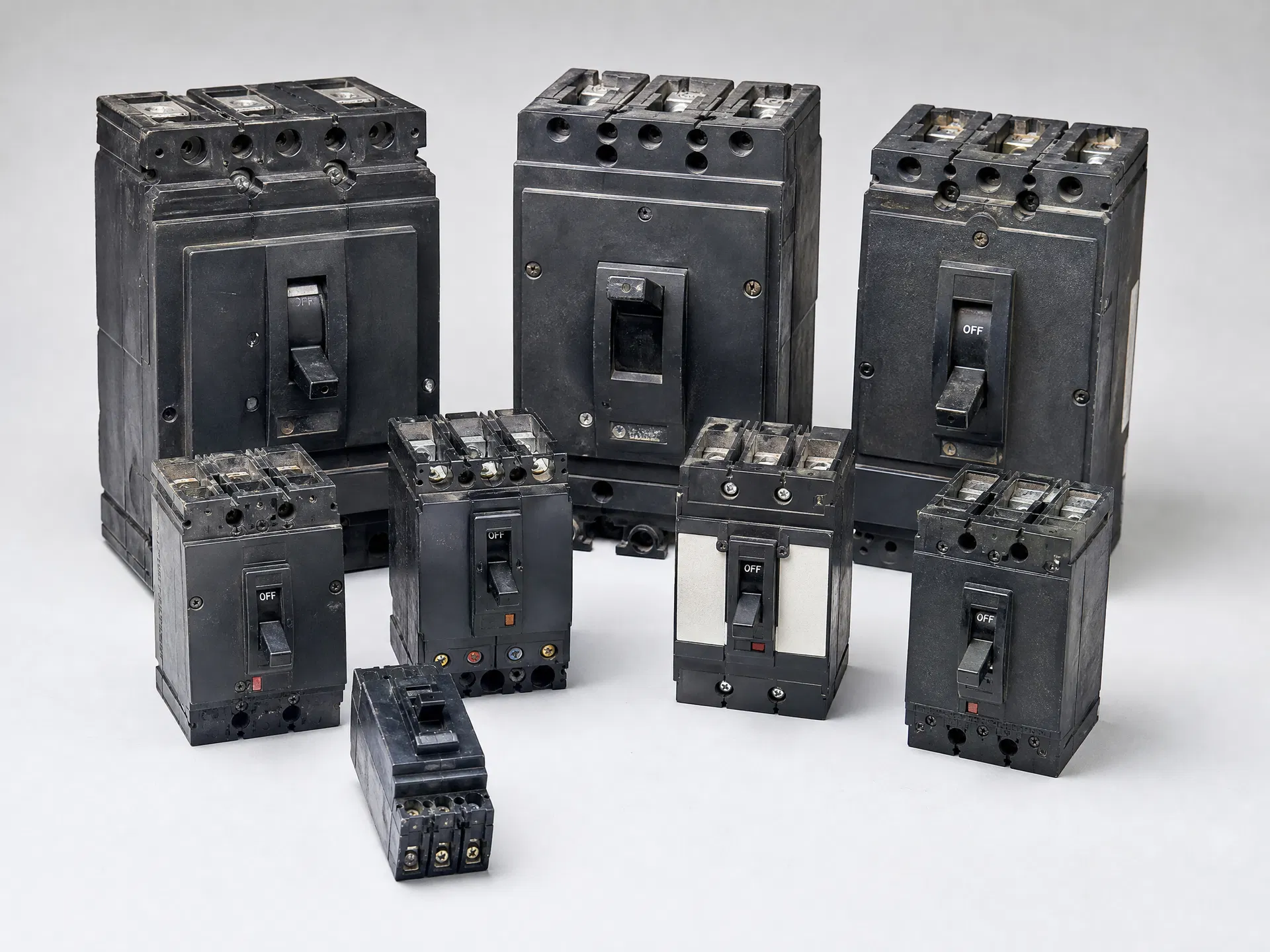
Molded Case Circuit Breakers (MCCB). The workhorse of commercial distribution, MCCBs protect branch and feeder circuits across office towers, hospitals, universities, and light-to-heavy industrial plants. Typical continuous current ratings span 100A to 2500A, with voltage classes at 240V, 480V, and 600V AC (some IEC frames to 690V). Thermal-magnetic trip units are common for cost-effective, fixed-function protection, while electronic trip units add adjustable long-time, short-time, instantaneous, and ground-fault (LSIG) elements for tighter coordination and arc-energy reduction. Interrupting ratings range from 22kA to 65kA at 480V, with premium current-limiting types reaching 100–150kA. MCCBs fit panelboards, switchboards, motor control centers, and process equipment feeders; they’re favored for fast replacements, broad accessory availability (shunt trip, auxiliary contacts), and compact footprints.
Air Circuit Breakers (ACB). ACBs dominate low-voltage power distribution mains and ties in mission-critical commercial and industrial switchgear. They deliver high continuous currents—commonly 800A to 6300A—at 208–690V AC with robust short-time withstand and interrupting capabilities (often 50–100kA at 480V). Drawout construction enables safe racking, isolation, and primary/secondary injection testing without disturbing bus connections. Modern electronic trip units provide full LSIG functionality, zone-selective interlocking, maintenance (arc-flash) reduction settings, and communications for metering and event logging. Applications include data centers, pharmaceutical and food plants, water/wastewater facilities, and heavy manufacturing where selective coordination, service continuity, and maintainability are paramount. ACBs are frequently specified for main service disconnects, generator tie breakers, and large UPS input/output positions.
Vacuum Circuit Breakers (VCB). For medium-voltage distribution, VCBs are the prevalent choice thanks to sealed vacuum interrupters that minimize erosion and maintenance. They typically serve 2.4kV to 15kV systems (with offerings up to 27kV and 38kV) and continuous current ratings from 1200A to 4000A+, with interrupting capabilities commonly 25–50kA symmetrical depending on system voltage and duty class. Unlike low-voltage units, protection is coordinated through microprocessor-based relays that provide phase and ground overcurrent, undervoltage/overvoltage, frequency, and breaker health analytics. Drawout metal-clad or metal-enclosed configurations allow safe isolation and testing. VCBs protect primary feeders, large motors and compressors, unit substations, and cogeneration interfaces in refineries, mines, steel mills, and campus utilities, where medium-voltage reliability and reduced life-cycle maintenance are critical.
Insulated Case Circuit Breakers (ICCB). Bridging the gap between MCCBs and ACBs, ICCBs deliver higher short-circuit performance and advanced protection in a more compact envelope than traditional air breakers. Commonly rated 400A to 4000A at 480/600V (and some to 690V), they feature rugged mechanisms, higher short-time withstands, and electronic trip units with LSIG, event records, and often communication ports for integration into power monitoring systems. Fixed-mount and drawout options support switchboards, switchgear, generator paralleling switchboards, and large automatic transfer switch bypass/isolation schemes. ICCBs are favored where footprint constraints, high kAIC requirements (65–100kA at 480V), and precise coordination are required without the full size of an ACB lineup.
Selecting the right breaker type depends on system voltage, available fault current, continuous load (100A through 4000A+), coordination strategy, maintenance philosophy, and required testing regime. MCCBs excel for compact feeders; ICCBs and ACBs anchor low-voltage mains with LSIG, high interrupting ratings, and serviceable mechanisms; VCBs lead in medium-voltage reliability with relay-based protection and long mechanical life.
How to Identify and Evaluate Your Surplus Breakers
Before requesting quotes or listing surplus breakers, assemble a complete, verifiable data set. Accurate identification shortens the sales cycle, increases buyer confidence, and maximizes recovery value.
- Start with the nameplate. Record the brand, catalog/part number, frame size, poles, voltage class, frequency, and interrupting rating (kAIC). Note the trip unit type (thermal-magnetic, electronic LSIG), rating plug size (if applicable), and any series or family designators. Also document the condition category you will represent to buyers: New In Box, New No Box, Used, Refurbished.
- Capture the rating details precisely. Buyers price differently for the same frame with different rating plugs (e.g., 800A frame with 400A plug) and for higher interrupting ratings (e.g., 65kA vs 100kA at 480V). For medium-voltage breakers, include BIL, vacuum bottle type, and control voltage for spring/charging motors.
- List all accessories and configuration. Identify auxiliary switches, bell alarms, shunt trip, undervoltage release, key interlocks, ground-fault modules, transformers, communication ports (Modbus, Ethernet), and neutral sensors. For drawout units, include cradle compatibility, secondary disconnect style, and cell size. For molded case, specify mounting (bolt-on, plug-in, panelboard), lug type/size, and whether terminals are included.
- Document completeness. Confirm whether covers, escutcheons, rating labels, hardware kits, and communication cables are present. Missing front covers, terminal shields, or cradles materially reduce value and expand lead time for buyers.
- Verify authenticity. Photograph OEM labels, UL/CSA markings, serial numbers, and QR codes. Avoid mixing aftermarket trip units or non-OEM accessories unless clearly disclosed; hybrids command less and may be ineligible for certain listings or UL field evaluations.
- Record provenance. Note removal location, application (feeder, main, generator), date of manufacture, and service environment (clean/dry vs corrosive/dusty). Indoor, climate-controlled storage and recent removal from operating systems typically appraise higher than long-stored or field-weathered items.
- Gather test documentation. Recent primary-injection test results, insulation resistance (megger) readings, contact resistance, and mechanism timing data significantly increase value, especially for Used and Refurbished breakers. Include the test equipment used, calibration date, technician credentials, and pass/fail criteria.
- Inspect and photograph condition. Provide high-resolution photos: nameplate, front, rear/stabs/lugs, arc chutes, contact faces (where visible), mechanism, accessories, and any cosmetic blemishes. Note odors or discoloration from overheating, chipped cases, cracked insulators, and evidence of moisture or corrosion.
- Quantify the lot. State exact quantities, matching catalog numbers, and revision levels/firmware versions for electronic trip units. Matched, identical sets command premiums for projects requiring uniformity.
- Prepare packaging details. Original factory packaging (intact) is ideal. If repacking, use rigid crating, foam-in-place, and desiccants; list weights and dimensions for freight quoting. Poor packaging history is a red flag for buyers of heavy gear.
How condition impacts resale value:
- New In Box (NIB): Highest value. Sealed OEM packaging with intact labels and no signs of installation. Expect strong demand, especially for hard-to-find SKUs.
- New No Box (NNB): Slightly discounted from NIB. Must present as never energized or mounted; flawless line/load terminals and hardware help verify.
- Used: Value varies with verifiable testing and clean cosmetics. “Tested, ready-to-install” with current reports prices substantially higher than “as-is, untested.”
- Refurbished: Market value depends on the refurbisher’s reputation, scope (clean/paint vs full recondition), replaced wear parts, certified testing, and warranty. High-quality refurbishments can outpace Untested Used.
Once you’ve compiled this data, share it along with photos and test sheets to accelerate firm offers. For streamlined evaluation, handling, and immediate bids, see our Surplus Buying service: Surplus Buying.
Our Streamlined Buying Process: From Quote to Cash
Selling surplus or decommissioned breakers shouldn’t slow down your project. Our process is engineered for speed, clarity, and zero surprises—purpose-built for Denver contractors, distributors, and facility managers who need space cleared and cash in hand. From the first message to final payment, you get a single point of contact, transparent pricing, and professional logistics that keep your schedule intact.
- Send us a list/photos Share what you have, the way you have it. A simple phone snapshot of pallet stacks, panel interiors, or breaker faces is enough to start. To accelerate firm pricing, include:
- Manufacturer, catalog/part numbers, frame size, trip unit rating, poles, voltage, and interrupting capacity.
- Condition notes (NIB, NNB, Used, Refurbished), date codes, and any test sheets.
- Close-ups of labels, terminal faces, and accessories (Shunt Trip, UVR, Aux, Bell Alarm).
- Quantities by SKU and where the gear is located (warehouse, jobsite, decommissioned facility). Email, text, or upload—our team normalizes the data, identifies hard-to-find SKUs, and flags any premium items. If you prefer, we’ll provide a quick template you can fill in on your phone. Need help on-site in Denver? We can dispatch a tech to inventory, photograph, and palletize larger lots.
- Receive a competitive quote You’ll get a clear, line-by-line offer based on current market demand, condition, and brand mix (e.g., Square D/Schneider, Eaton/Cutler-Hammer, Siemens, GE/ABB, Allen-Bradley). We explain any value drivers—obsolete catalog numbers, verified test reports, or pristine terminals—that lift pricing. Quotes include:
- Guaranteed purchase price for the stated quantities and condition.
- Any contingencies (e.g., final visual check, serial verification).
- Acceptance window and pickup timeline. Approve electronically and we’ll issue a purchase order immediately. If you have competing bids, send them—we’re happy to sharpen pencils and win your business on both price and execution.
- We arrange shipping/freight We cover 100% of shipping costs and make it hassle-free for Denver sellers. After you accept, our logistics team books the right mode—local courier for small parcels, LTL with liftgate for palletized loads, or dedicated truck for multi-pallet lots and switchgear sections. We provide:
- Prepaid labels, BOLs, pallet tags, and insurance.
- Packing guidance and materials (totes, foam, strap kits), or full-service on-site skidding and banding upon request.
- COIs for building management, dock appointments, after-hours pickups, and jobsite window coordination. We protect value in transit with breaker-specific packing: knobs secured, terminals capped, accessories isolated, and trip units padded. You never pay for freight, fuel surcharges, or accessorials—period. Nationwide? The same white-glove process applies to our markets in Houston, Dallas, Chicago, and Los Angeles, with dedicated pages for local support: Houston, Dallas, Chicago, Los Angeles.
- Get paid quickly Payment is fast and straightforward. For established partners, we can pay on pickup; for new sellers, funds are released within 24 hours of check-in and verification against your approved list. Choose ACH, wire, or company check. You’ll receive an itemized receiving report that matches the PO, with any variances called out before funds move. No delays, no hidden deductions—just prompt settlement and a cleared floor.
From single breakers to truckloads of MCCBs and molded-case frames, Circuit Breaker Buyer USA turns surplus into liquidity with professional rigor and zero friction—especially for Denver sellers who want everything handled end-to-end.
Demolition Buyback and Plant Dismantling Services in Colorado
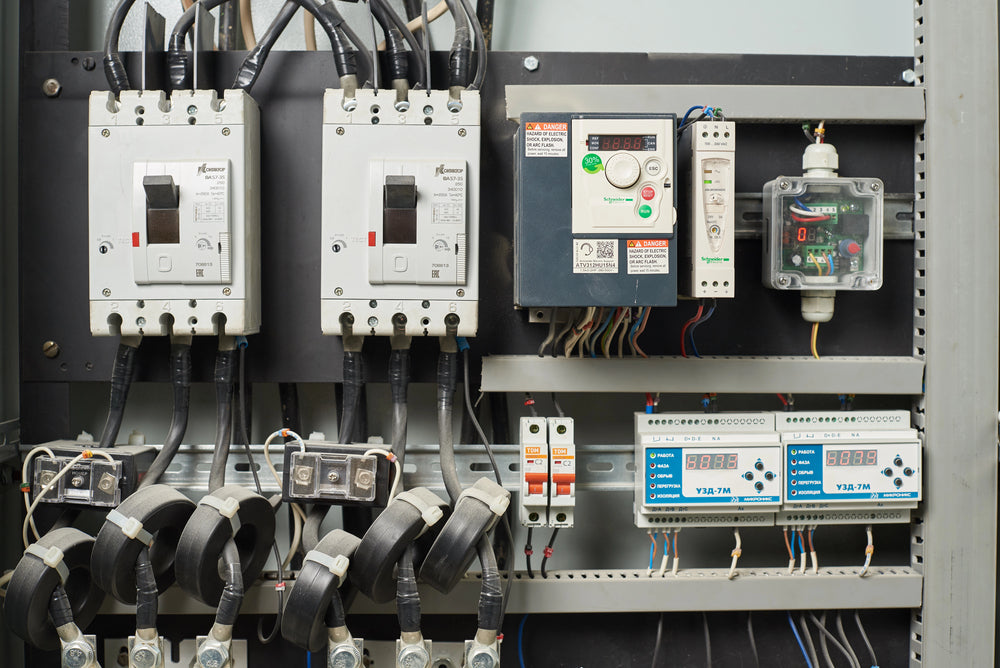
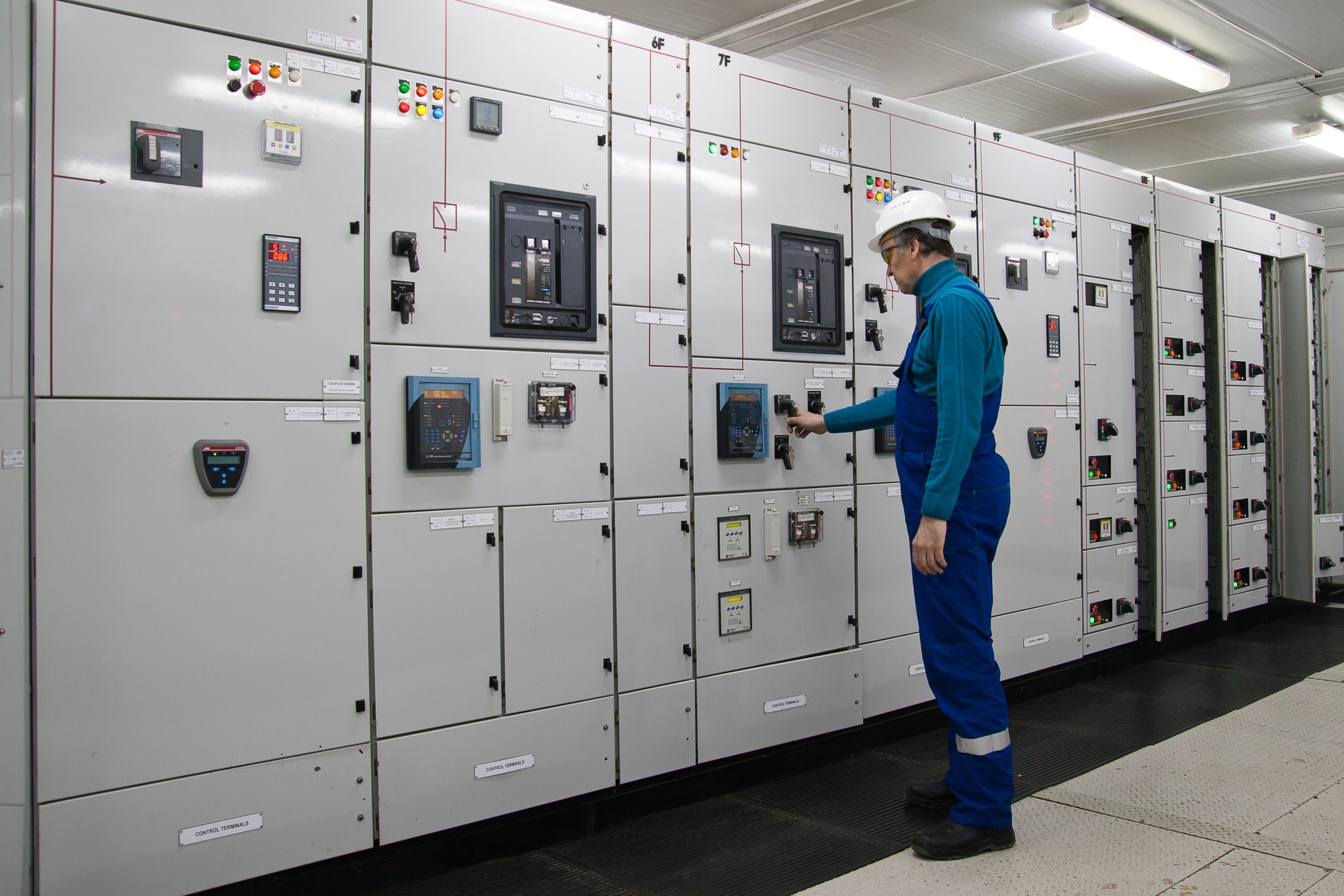
When a facility faces a scheduled shutdown, major upgrade, or full-scale demolition, timelines and safety tolerances are tight. Our Colorado demolition buyback and dismantling program is built for electrical contractors, demolition companies, and facility managers who need a turnkey partner to de-energize, remove, and monetize electrical infrastructure without slowing the critical path. We purchase entire electrical rooms, switchgear lineups, and motor control centers (MCCs) under a single PO, then perform controlled extraction, logistics, and documentation with zero-surprise execution.
What we buy and remove
- Entire electrical rooms and e-houses, including low-voltage and medium-voltage assemblies
- Switchgear (metal-clad and metal-enclosed), main-tie-main lineups, and feeder sections
- MCC structures and buckets, VFD suites, soft starters, and reduced-voltage starters
- Switchboards, panelboards, bus duct/busway, feeder breakers, and protective relays
- Dry-type transformers, transfer switches, UPS/PDU gear, and power quality systems
Our process is engineered for demolition and outage realities:
- Pre-bid asset survey and valuation: We conduct structured walkdowns to capture nameplate data, breaker frames and trip units, bucket counts and ratings, relay inventories, transformer kVA and temperature class, and overall condition. You receive a guaranteed buyback offer tied to an itemized bill of materials, along with alternates for phased removal or partial salvage. This creates a hard-dollar credit you can plug into your demo estimate or shutdown budget.
- Safety and compliance: Our crews work to NFPA 70E and OSHA requirements, with site-specific work plans, LOTO procedures, arc-flash boundary controls, and energized work avoidance. We coordinate utility cutovers and AHJ permits where required. Environmental considerations—such as SF6 handling, oil-filled transformer draining, and universal waste disposal—are managed in concert with your environmental team and documented through manifests and chain-of-custody.
- Selective dismantling and rigging: We perform clean isolation, bus and cable removal, and structural disassembly using cranes, gantries, and low-profile rigging for tight rooms and mezzanines. Dust and debris controls, slab protection, and vibration mitigation protect adjacent operations. Equipment is palletized or crated, moisture-protected, and labeled to the serialized inventory completed during the survey.
- Schedule-driven logistics: Night and weekend mobilizations, multi-crew parallel workstreams, and just-in-time trucking keep critical paths intact. We stage removal to clear demolition fronts and coordinate with other trades to minimize rework and site congestion.
- Documentation and settlement: You receive a photo log, serial-numbered receiving report, and a variance report (if any) matched to the original offer. Payment is issued per agreed milestones—often upon loadout or within 24 hours of check-in—so your project cash flow stays positive.
For electrical contractors, our buyback transforms salvage from a vague allowance into a guaranteed offset, tightening bids and improving margins. Demolition firms benefit from a single accountable counterparty that removes specialty gear, reduces dumpster loads, and shortens schedule durations. Facility managers gain a safe, compliant decommissioning scope that preserves insurance requirements and accommodates operational constraints in hospitals, food and beverage, water/wastewater, mining, data centers, and advanced manufacturing across the Front Range, Western Slope, and mountain corridor.
Whether you are retiring a 480V switchgear lineup in Denver, decommissioning a 5 kV MCC in Pueblo, or clearing an entire electrical room in Colorado Springs, we provide one-call monetization and removal. Learn more about scope, safety protocols, and sample deliverables at our Demolition Buyback page: Demolition Buyback.
Tips for Maximizing the Value of Your Electrical Equipment
Getting top dollar for used breakers and switchgear comes down to condition, completeness, and confidence. Buyers pay premiums for gear that is clean, dry, original, and verifiably intact. The following practices will help you preserve value from decommissioning through sale.
-
Don’t throw away original packaging
- Keep factory cartons, foam inserts, clamshells, bags, desiccant packs, and shipping pins. OEM packaging protects mechanisms from shock and abrasion and signals authenticity. A molded case breaker that travels in its original box with end caps and paperwork will command more than one tossed loose into a bin.
- Retain manuals, wiring diagrams, trip-unit leaflets, calibration stickers, and factory test slips. Documentation reduces buyer risk and accelerates acceptance.
-
Keep accessories and mounting hardware together
- Bag and label all accessories: shunt trips, undervoltage releases, auxiliary/bell alarm contacts, alarm switches, rating plugs, neutral kits, terminal/lug kits, mounting feet, handle ties, interlock keys, drawout rails/cradles, racking handles, and motor charging handles for ACBs.
- Store accessories with the breaker or bucket they belong to. A complete kit can be worth 20–50% more than a “breaker only.”
- Do not cut or discard line/load lugs. If conductors must be removed, loosen set screws rather than cutting flush; damaged or missing lugs materially reduce value.
-
Store in a dry, climate-controlled environment
- Aim for <60% RH, stable 50–77°F (10–25°C). Avoid unconditioned trailers and job boxes where condensation forms. Moisture leads to corrosion on springs, shafts, and contacts, and can damage electronic trip units.
- Keep equipment off concrete floors on pallets with shrink wrap and desiccant. Cap or tape terminals to prevent debris ingress. Avoid UV exposure and ozone sources that embrittle plastics.
- For drawout ACBs, secure mechanisms with OEM shipping pins and store in the cradle when possible to protect alignment.
-
Don’t attempt amateur repairs or “clean-ups”
- Never file or sand contacts, repaint cases, glue broken plastic, swap trip units between frames, or alter nameplates. These actions void listings, mask condition, and can render a breaker unsaleable.
- Avoid harsh solvents and pressure washing. If cleaning is required, use a dry brush or low-lint cloth with isopropyl alcohol on non-printed surfaces only. Do not remove factory grease.
- Leave testing to qualified technicians. Primary/secondary injection, insulation resistance, and contact resistance checks require proper fixtures and standards. Uncontrolled tests can damage trip units or miscalibrate mechanisms.
-
Prioritize careful removal and handling
- Plan de-energization with LOTO and remove conductors by loosening terminals, not by cutting with torches or saws near the case. Heat and vibration crack housings and warp mechanisms.
- Use proper lifting points. Do not lift ACBs by the front escutcheon or trip handle; use side frames or OEM lifting eyes.
- Avoid stacking breakers loose. Use dividers and cushioning to prevent handle and terminal damage during transport.
-
Preserve traceability
- Photograph nameplates, catalog/series numbers, frame size, trip rating, and date codes before removal. Keep any maintenance logs, NETA test reports, or commissioning records with the unit.
- Note known service conditions (environment, duty cycle, fault history). Transparency reduces buyer risk and supports stronger offers.
-
Present a complete, accurate lot
- Provide clear photos (all sides, terminals, label close-ups, accessories) and an itemized list of included hardware. Disclose any chips or cracks. Better information leads to faster, higher bids.
Follow these steps and you’ll convert surplus breakers from scrap-line items into premium, ready-to-redeploy assets that attract serious buyers and higher payouts.
Frequently Asked Questions About Selling Circuit Breakers in Denver
-
Do you buy broken or damaged breakers? Yes. We purchase breakers in a range of conditions—from clean, working pulls to units with cosmetic damage, missing accessories, or known failures. Intact frames, trip units, shutters, secondary disconnects, cradles, and drawout hardware often have strong parts value even if the breaker won’t pass a functional test. Heat discoloration, chipped phenolic, or cracked escutcheons are not automatic deal-breakers; we simply price accordingly. Severe arc damage or melted cases may fall into core/scrap value. Send clear photos and any known history—we’ll give you an honest, no-obligation assessment.
-
Who pays for shipping from Denver? For most lots, we cover standard freight from the Denver metro area and along the I‑25 corridor. Small parcel items ship on our prepaid labels; palletized lots move on our LTL carriers with liftgate options as needed. We can supply pallets, banding, and corner protection or dispatch a crew to pack on-site for larger projects. All shipments are insured under our policy. In the rare case a lot has minimal resale value, we’ll discuss the most economical path (consolidated freight or local pickup). Either way, we coordinate everything to minimize your workload and downtime.
-
How fast can I get paid? Fast. For verified repeat sellers and standard SKUs, we often pay the same day gear is picked up or drops at our dock. Otherwise, payment is typically issued within 24–48 business hours after bench inspection. We support ACH, wire, and company check; wires are available for urgent closings. For time-sensitive decommissions and weekend shutdowns in Denver, we can stage a technician to inspect on-site and release funds immediately upon acceptance. Our purchase orders spell out timelines up front so there are no surprises.
-
Do you buy other electrical equipment besides breakers? Absolutely. In addition to molded-case (MCCB) and air circuit breakers (ACB/drawout), we buy:
- LV switchgear, section doors, cradles, and cell hardware
- MCC buckets, combination starters, and complete MCC lineups
- Panelboards, switchboards, fusible disconnects, safety switches
- Dry-type transformers, CTs/PTs, protective relays, meters
- VFDs, soft starters, contactors, overload relays, power supplies
- Busway/bus duct and plug-in fittings
- Industrial fuses and fuse holders If you’re consolidating a facility in Denver or upgrading a service, send your complete surplus list—bundled lots often earn better overall pricing and single-trip logistics.
-
What if I don’t know the exact model numbers? No problem. Clear photos solve 90% of ID questions. Shoot the nameplate (even partial), front face, terminals, side profile, trip unit, and any accessory labels. Include pole count, frame size or continuous amp rating, voltage class, kAIC if visible, mounting style (plug-in, bolt-on, or drawout), and any cradle or secondary disconnect photos for ACBs. If labels are missing, simple measurements, lug types, and panel labeling help us match catalog families and cross-references. Our team identifies OEMs and series daily—send what you have and we’ll fill in the gaps.
-
What brands, frame sizes, and vintages do you accept? We actively buy Schneider/Square D, Eaton/Cutler‑Hammer/Westinghouse, ABB/GE, Siemens, Allen‑Bradley/Rockwell, Mitsubishi, and other mainstream OEMs. For MCCBs, we typically purchase 15–600 A across common series and interrupting ratings. For ACBs and LV power breakers, we buy 800–6000 A, fixed and drawout, with electronic or solid-state trip units (e.g., Micrologic, Digitrip, EntelliGuard/UR, Siemens ETU). Recent vintages command premiums, but strong demand exists for many legacy frames used in Denver facilities. Even discontinued lines may carry significant parts value—send details for a quick read.
-
How do you determine value and make an offer? We look at five drivers: condition (visual and test data), completeness (lugs, shrouds, cradles, auxiliary switches, trips), demand (regional and national resale velocity), age/series supportability, and quantity. Our process:
- You send photos and basics; we provide a preliminary range.
- For larger lots, we schedule on-site review in Denver to firm pricing.
- After receipt, we perform functional checks and insulation tests as appropriate.
- We issue final PO and fund per agreed terms. We’re transparent: if testing changes the grade, we show findings and options. Need documentation? We can share market comps, grading notes, and test summaries on request.
-
Can you provide on-site pickup or deinstallation support in the Denver area? Yes. We regularly support pickups across the Denver metro, Front Range, and nearby industrial parks. For removal, we coordinate with your electrical contractor or provide a qualified partner to handle lockout/tagout, extraction, and rigging. Our team brings pallets, crates, and protective packaging, and can work off-hours to match outage windows. We carry COI to meet site requirements and follow NFPA 70E safe work practices. Equipment must be de‑energized and released by a licensed electrician before we handle it—once it’s safe, we take it from there efficiently.
Contact Circuit Breaker Buyer USA Today
Ready to turn surplus breakers and switchgear into immediate value with a partner that knows the market and handles the details? Circuit Breaker Buyer USA delivers professional, data-driven offers, streamlined logistics, and safety-first execution for sellers across Denver and nationwide. Whether you’re clearing a warehouse, decommissioning a line, or upgrading a facility, we help you capture maximum recovery while minimizing project time and risk.
Why sellers choose us:
- Market-accurate valuations backed by real comps, brand/model demand, and condition grading.
- Fast responses and firm, written offers once photos, nameplate data, and quantities are confirmed.
- Transparent testing and grading with optional documentation: insulation results, trip-verification, and visual findings.
- Broad buying scope: MCCBs, ICCBs, LVPCBs, fusible disconnects, panels, trip units, busway, and associated switchgear components.
- Turnkey logistics: on-site pickup, packing/crating, liftgate or rigging coordination, and insured transport with COI.
- Safety and compliance focus, coordinating with your electrician and following recognized electrical work practices.
- Fair, flexible payment options—ACH, wire, or company check—aligned to agreed terms and project milestones.
- Responsible disposition: prioritized reuse to extend asset life; recycling pathways for non-reusable items.
When you sell to Circuit Breaker Buyer USA, you get clarity from the first call to final payment: a single point of contact, firm schedules, and documentation on request. Our team understands outage windows, construction timelines, and facility access requirements, and we structure the transaction to keep your operations on track.
Take the next step now. Call (951) 903-9804 to speak with a buyer who can review your list, request any needed details, and outline logistics in minutes. Prefer to start online? Upload photos and part numbers via Get a Quote and receive a prompt, professional response. If you’re in the Denver area, ask about coordinated pickup windows; if you’re outside Colorado, we arrange fast, insured freight from your dock. Let’s convert your surplus electrical equipment into cash—safely, quickly, and at the right price.
Ready for a quote?
Call Circuit Breaker Buyer USA for a fast, no-obligation offer on your equipment.