Who Buys Old Square D QO Panels? (Complete Seller's Guide 2026)
Introduction
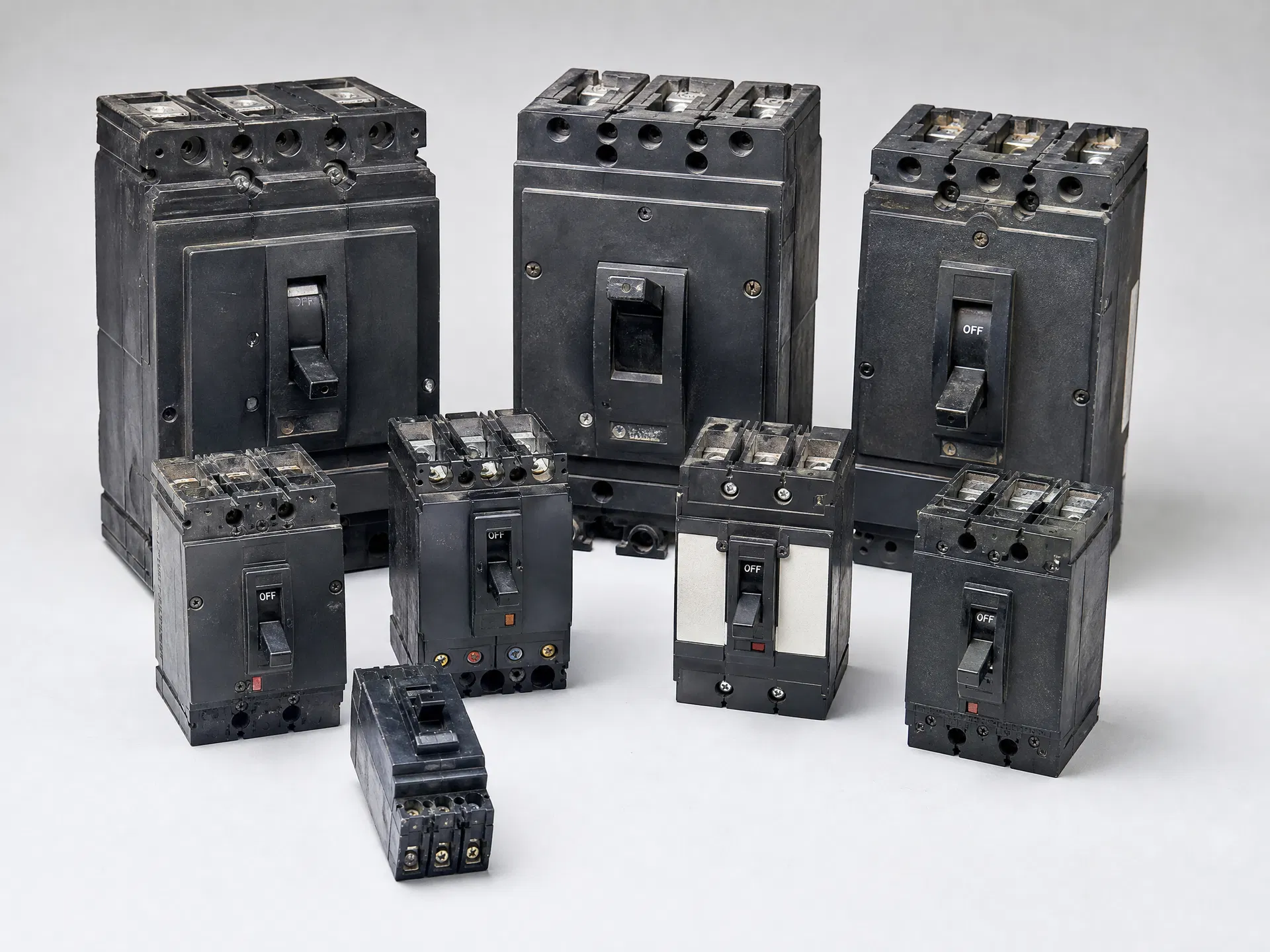
Finding an old Square D QO panel in a remodel, commercial tear-out, or inherited property often sparks the same question: is it worth anything? The short answer is yes — older Square D QO panels can hold significant value. These panels were widely installed for decades because of Square D’s strong reputation for quality and their QO line’s popularity among electricians. That reputation, combined with demand from refurbishers, dealers, and national buyers, means that what might look like scrap can actually be a marketable asset.
Whether you’re a contractor managing multiple demolition projects, a homeowner clearing out a basement, or a facilities manager updating infrastructure, understanding who buys old QO panels and why they pay for them helps you maximize your return and avoid unnecessary disposal costs. National purchasers, including Circuit Breaker Buyer USA, actively purchase Square D panels and associated components such as circuit breakers and replacement parts. These buyers evaluate panels for reuse, parts salvage, and material recovery — not just as scrap metal — which is why working with knowledgeable buyers matters.
This introduction frames what you’ll learn in the rest of the article: the different types of buyers interested in old Square D QO panels; how buyers determine value; the condition and documentation that increase resale potential; options for local vs. national sale and removal; and practical next steps for preparing panels for sale. Along the way we’ll point you to related resources that go deeper into selling used breakers and equipment — for example, our guides on How to Sell Used Circuit Breakers and a focused look at Who Buys Square D Breakers.
You’ll also learn how some buyers differentiate between whole electrical panels that are candidates for refurbishment and panels that are better suited to recycling or parts harvesting. For sellers who want quick payment, options like cash for circuit breakers and national purchasing programs streamline transactions, while local buyers and salvage yards may be an alternative depending on logistics. If you prefer hands-off removal, we’ll cover removal services and logistics so you can choose the best route for your timeline and budget.
By the time you finish this post you’ll understand who the buyers are, what they pay attention to, and how to prepare your Square D QO panels to get the best possible outcome — whether that means resale, parts recovery, or responsible recycling. If you’re ready to explore immediate options, national buyers such as Circuit Breaker Buyer USA are one avenue to consider; we include practical next steps and links throughout the article so you can act on what you learn.
History and legacy of Square D QO panels
The Square D QO series occupies a distinctive place in the history of electrical distribution equipment in the United States. Built on the reputation of the Square D brand, QO panels emerged as part of a broader industry shift toward safer, more compact, and easier-to-service residential and light-commercial electrical gear. Over the decades the QO line became synonymous with high-quality electrical panels and dependable circuit breakers, and that association has persisted even as the overall market expanded to include major competitors such as Siemens and Eaton/Cutler-Hammer. The result is a legacy in which the QO name functions less like a product designation and more like a shorthand for a particular standard of fit, finish, and performance.
Why QO became the industry gold standard
Several design and engineering choices elevated QO panels above many contemporaries. From a manufacturing standpoint, Square D emphasized consistent tolerances, robust bus and stab geometries, and trip mechanisms designed to balance sensitivity with resistance to nuisance trips. These characteristics translated into panels that electricians could rely on to maintain expected performance over long service lives. The QO line also embraced user-oriented features—such as clear trip indicators and straightforward breaker replacement procedures—that reduced installation and service time compared with older or more complex systems. This combination of reliability, maintainability, and thoughtful design helped QO earn a reputation that, for many contractors and maintenance professionals, positioned it as the “go-to” solution when comparing electrical panels across brands.
That reputation is amplified in comparison to other legacy manufacturers like General Electric or Westinghouse, where model evolution and compatibility trends sometimes created more fragmentation. In contrast, Square D’s widespread adoption of QO panels created a large installed base—making QO the de facto reference for many specifiers and service techs.
Durability and long service life
Durability is at the core of why QO panels remain relevant. The materials and construction methods used in QO equipment were selected to withstand common failure modes in service: thermal cycling, mechanical wear at bus connections, and environmental factors encountered in basements, garages, and light commercial spaces. Mechanically robust stabs and consistent torque specifications meant fewer loose connections and less heat buildup over years of use. The thermal-magnetic trip elements used in most QO breakers offered predictable response across a wide range of ambient conditions, which is a key reason these breakers remain in circulation on the secondary market.
Technicians frequently remark that properly maintained QO panels can outlast competing units in similar service. That longevity isn’t just anecdotal: it’s reflected in the continued demand for replacement breakers and for entire used QO panels, which are routinely harvested, tested, and reused. For owners and electricians looking to extend the life of existing systems rather than performing full replacements, QO components present a practical option because they map reliably onto existing wiring and mounting conventions.
Why older QO models are still highly sought after
Older QO models are in demand for several practical reasons. First, compatibility: many homes and businesses still have original QO panels, and original-fit replacement breakers are preferred to aftermarket or cross-branded alternatives. Second, availability: as some original parts become less common at retail, the secondary market becomes the primary source for serviceable units. Third, perceived quality: buyers tending toward resale, refurbishment, or reuse—whether professionals who sell electrical equipment or independent contractors—value the tested performance history and resale potential of QO breakers and panels. For those assessing whether a used unit is worth salvaging, resources such as our piece on Who Buys Square D Breakers and industry guidance around scrap vs resale help frame the economic and safety considerations.
Finally, the sizable installed base creates network effects. Where a property owner in a city such as Houston or Chicago needs an exact replacement, sourcing an older, tested QO breaker can be faster and less disruptive than reconfiguring an entire panel or adapting a different brand. That continued practical utility—rooted in the original engineering and market penetration of the QO series—is what keeps these older models in circulation and highly regarded across the trade.
Why old Square D QO panels retain their value
Old Square D QO panels continue to hold resale value because they occupy a unique intersection of compatibility, durability, and market demand. Many electrical systems in commercial and residential buildings were configured around the QO lineup for decades; when remodels or incremental upgrades occur, facility managers and electricians often prefer replacing only the failed component rather than reworking an entire distribution system. That creates steady demand for used Square D equipment and associated circuit breakers and electrical panels that match the original design and UL listings.
Retrofitting older buildings and the need for exact replacements
A primary reason QO panels retain value is the retrofit reality. In older buildings, rewiring or replacing an entire panel can be expensive, disruptive, and sometimes impossible without significant structural or permitting work. Owners and contractors often choose to swap a failed subpanel or its breakers with an identical model to avoid reconfiguring bus arrangements, feeder sizes, or load calculations. That need for exact replacements keeps salvageable QO panels in circulation; buyers want the same bolt patterns, bus widths, and breaker types so they can drop the used unit back in without engineering changes. This is especially true for legacy installations where mixed-vendor substitutions would require component re-certifications or new labeling.
Robust build quality compared to modern alternatives
Another factor is build quality. Many older Square D QO panels were built with heavier-gauge bus conductors, sturdier enclosures, and mechanical designs that have proven reliable over decades. These physical attributes make them attractive for reuse rather than scrap. Modern panels sometimes prioritize cost, modularity, or new feature sets (like integrated AFCI/GFCI modules) but may not match the mechanical robustness of legacy QO assemblies for certain industrial or heavy-duty applications. For buyers focused on longevity and straightforward electrical connections, an older QO can represent higher value per pound than newer, lightweight alternatives.
Compatibility, parts scarcity, and perceived reliability
Used QO panels also benefit from ecosystem effects: many contractors maintain stock of compatible breakers and accessories, and there remains strong aftermarket availability for spares. However, genuine, well-preserved QO units become scarcer over time. Scarcity increases value, particularly when an exact match avoids rewiring or code complications. The perceived reliability of a known, proven product further incentivizes preservation and resale rather than immediate scrapping.
How this shows up in the market
In practice, these dynamics mean old QO panels are often directed toward resale channels instead of the scrap stream. Buyers range from electrical contractors and HVAC firms to distributors who specialize in reused electrical gear. For guidance on selling these items, resources about selling used breakers and equipment are useful—see pages like How to Sell Used Circuit Breakers and services that accept used equipment such as sell circuit breakers and sell electrical equipment. Understanding the resale-versus-scrap calculus can be helpful; our scrap vs resale overview explains why intact QO panels frequently earn a premium over their metal weight alone. For insight into current valuation, see examples in recent purchases and our approach to pricing on how we price.
In short, old Square D QO panels retain value because they solve practical retrofit problems, offer durable construction that outlives some modern alternatives, and remain in demand for exact-fit replacements—factors that combine to keep them in active reuse markets rather than the immediate scrap pile.
Types of buyers for old Square D QO panels
When you’re ready to move an old Square D QO panel, there are four common buyer categories you’ll run into: scrap yards, eBay and other online marketplaces, local electrical surplus stores, and specialized national buyers. Each has different incentives, valuation methods, and logistical expectations. Understanding those differences helps you choose the route that preserves value and minimizes hassle. For background on the brand and why QO panels remain desirable, see our Square D page (/brands/square-d).
Scrap yards
Scrap yards are the most common option for quick disposal. They pay primarily for metal content — usually aluminum and copper — and price panels by weight. If your QO panel is corroded, missing breakers, or crushed, a scrap yard may be the only practical outlet.
Pros: Speed and simplicity; immediate payout; minimal paperwork in many jurisdictions.
Cons: Low resale value because scrap yards ignore functional components like whole breakers, bus bars, and internal hardware that buyers of used electrical equipment value. Scrap prices fluctuate with commodity markets, and many yards deduct labor to remove non-metal parts. If you’re comparing options, review our explainer on scrap vs resale (/scrap-vs-resale) to see how much additional value can be recovered when components are resold intact.
eBay and other online marketplaces
Selling on eBay, Facebook Marketplace, Craigslist, or specialized auction sites lets you target buyers who need Square D QO panels or breakers for repairs and retrofits. You can often get higher prices than scrap yards because you’re selling functionality and brand recognition rather than raw metal.
Pros: Potentially higher prices; access to a national pool of buyers; you control listing details and can sell individual breakers or whole panels.
Cons: Time-intensive: listings, photography, answering questions, packaging, and arranging shipments. Shipping large panels is costly and risky — damage in transit, disputes, and returns are common. There’s also pricing complexity: many buyers expect low starting prices or will haggle, and predicting final sale value isn’t guaranteed. For those unfamiliar with selling electrical gear, our guide “How to Sell Used Circuit Breakers” (/blog/how-to-sell-used-circuit-breakers-for-top-dollar) covers best practices for maximizing online sale value.
Local surplus stores and electrical recyclers
Local electrical surplus stores, independent wholesalers, and contractor-to-contractor exchanges will often buy intact Square D panels and breakers. These buyers are interested in reusable inventory and can pay more than scrap yards because they resell equipment to electricians or contractors.
Pros: Better prices than scrap; less hassle than shipping online; local pickup may be available.
Cons: Inventory needs to match their demand — a panel model fewer contractors use could go unsold or be discounted. Smaller buyers have limited storage and cash flow, so they may offer lower prices or only buy in quantity. If you have multiple items, a local buyer in cities such as Houston (/houston-circuit-breaker-buyer), Chicago (/chicago-circuit-breaker-buyer), or Los Angeles (/los-angeles-circuit-breaker-buyer) might be a good fit, but availability and offers vary widely.
National buyers (example: Circuit Breaker Buyer USA)
National buyers that specialize in electrical gear evaluate panels based on both scrap and resale value. They identify reusable breakers, assess model demand, and often handle logistics like pickup, insured transport, and proper disposal of non-reusable parts. Circuit Breaker Buyer USA and similar firms typically purchase systems by serial range and model, and they can separate high-value components (individual breakers, transfer switches, bus plugs) from scrap metal to maximize total return.
Pros: Highest combined value — these buyers pay for functional equipment and scrap metal; convenience — they often arrange pickup and removal services; pricing transparency — specialized buyers use standardized valuation methods (see how we price (/how-we-price)); reduced risk — experienced buyers understand shipping, local codes, and safe removal practices; national coverage enables consistent offers across multiple locations, whether you’re in Phoenix (/phoenix-circuit-breaker-buyer), Miami (/miami-circuit-breaker-buyer), Denver (/denver-circuit-breaker-buyer) or other markets (view our locations (/locations)).
Cons: Slightly longer lead time than dumping to a scrap yard, because inspection and logistics are required. Some national buyers set minimum quantities for pickup or require certain condition thresholds. Still, the incremental time is usually worth the improved payout and reduced hassle compared with listing items online yourself.
Why selling to a national buyer typically maximizes value and convenience
The fundamental difference is specialization. A national buyer that focuses on electrical equipment—panels, circuit breakers, switchgear, and other components like bus plugs/busway and transformers—knows how to separate resalable parts from scrap, price each appropriately, and move inventory efficiently. They will evaluate Square D QO panels not just for metal content but for usable breakers, sub-panels, and accessory parts that command significantly higher resale prices than raw copper alone.
National buyers also simplify logistics. Professional pickup and insured transport reduce your exposure to liability and the scheduling headaches of shipping oversized electrical equipment. If removal is needed, many buyers provide or coordinate safe circuit breaker removal services (/circuit-breaker-removal) and can pay cash or quick electronic transfers (/cash-for-circuit-breakers). For sellers who prioritize speed without leaving money on the table, that combination of convenience and higher price is compelling.
Before you sell, check buyer track records and recent deals — our recent purchases page (/recent-purchases) shows examples of the range of equipment we buy. For pricing expectations and to avoid lowball offers, consult transparent pricing guides like our how we price page (/how-we-price). When you’re ready, you can get started through a sales intake workflow such as selling individual breakers or full panels via our sell circuit breakers page (/sell-circuit-breakers) or the broader sell electrical equipment page (/sell-electrical-equipment). If you prefer a local contact, you can find the nearest representative on our locations page (/locations) or reach out directly via contact (/contact).
In short: scrap yards are fast but low-paying, online marketplaces can yield more but require time and risk, local surplus stores are middle-ground, and national specialized buyers deliver the best balance of maximum return and convenience for old Square D QO panels.
Scrap vs. Resale: Why Reselling Intact Square D QO Panels Pays More
Deciding whether to sell an old Square D QO panel for scrap metal weight or to resell it intact is a common dilemma for contractors, facility managers, and homeowners. The financial difference is often dramatic: intact, tested, and marketable panels typically fetch many times the value of the raw metal they contain. For a clear, side-by-side framework on factors to weigh, see our detailed comparison of scrap vs resale (/scrap-vs-resale). Below I explain why reselling intact Square D QO panels usually yields significantly higher returns—and why it’s also better for the environment and the circular economy.
Economic comparison: scrap metal weight versus intact resale
When a panel is sold as scrap, pricing is driven primarily by the weight and grade of metals (copper, aluminum, steel) and current commodity prices. Scrap values fluctuate with market rates and often ignore the functional components and brand value embedded in the unit. In contrast, reselling an intact Square D QO panel takes advantage of multiple value layers: the enclosure, bus bars, breakers, labeling, serial numbers, and the brand reputation. Buyers replacing equipment in commercial buildings, contractors seeking like-for-like replacements, and refurbishers pay premiums for units that are known to meet code, are easy to install, and have identifiable make/model information.
Square D is a recognized name in electrical distribution (/brands/square-d). QO panels, in particular, are sought after because the breaker platform is widely used and breakers themselves often have higher resale value than their metal content. If breakers are functioning, they can be sold individually through channels that buy circuit breakers (/sell-circuit-breakers) or cash for circuit breakers (/cash-for-circuit-breakers). Even a panel destined to be replaced can contain multiple resalable breakers and accessory parts that far exceed scrap value.
Why Square D QO panels retain value
Several practical reasons explain the resale premium:
- Brand and model recognition: Square D QO panels are mainstream, widely specified, and compatible with many breaker types. That reputation translates to higher residual value than anonymous metal.
- Usability and reduced refurbishment cost: An intact panel that has been lightly used requires minimal inspection and refurbishment compared to fabricating a replacement or assembling parts from scrap. Buyers save labor and time, which they are willing to pay for.
- Breaker salvageability: Breakers inside the panel—if undamaged—are individually valuable on the used market. Our guides, such as How to Sell Used Circuit Breakers (/blog/how-to-sell-used-circuit-breakers-for-top-dollar) and Who Buys Square D Breakers (/blog/who-buys-square-d-circuit-breakers), outline markets for these components.
- Traceability and code compliance: Panels with intact labeling, serial numbers, and accessible bus configurations reduce uncertainty for buyers and inspectors, adding to the resale price.
Environmental benefits and the circular economy
Reselling intact panels supports a circular economy: components are reused in new installations rather than being reduced to commodity metal and re-manufactured. That reuse preserves the embodied energy—manufacturing a new electrical panel consumes significant energy and raw materials; keeping a functional unit in service reduces demand for virgin resources and associated greenhouse gas emissions. Salvaging breakers and panels also reduces landfill burden and the environmental risks of improper disposal. Reuse minimizes hazardous waste handling and the energy-intensive processes of melting and reprocessing metals.
Beyond waste reduction, the circular approach encourages repair, refurbishment, and remanufacturing industries, creating jobs and promoting resource efficiency. When you choose resale over scrap, you’re returning a functional asset to the supply chain, not just raw materials. For more on the lifecycle and pricing rationale we use, see how we price equipment (/how-we-price).
Practical considerations when deciding
If a panel is severely corroded, vandalized, or fails safety inspection, scrap may be the only option. However, many installers and buyers in markets across the country—cities where we operate such as Houston (/houston-circuit-breaker-buyer), Chicago (/chicago-circuit-breaker-buyer), and Los Angeles (/los-angeles-circuit-breaker-buyer)—regularly purchase intact panels and breakers. Before you scrap, consider getting a valuation for resale or parting out the panel: sell electrical equipment (/sell-electrical-equipment) services can often arrange collection, testing, and certification that maximizes return. Our recent purchases page (/recent-purchases) shows real examples of how intact panels and their breakers command higher prices than scrap.
In most cases, reselling intact Square D QO panels yields significantly higher returns, reduces environmental impact, and supports a more efficient, circular electrical equipment market. If you’d like an assessment for a panel you have, contact us (/contact) to discuss valuation, pickup, or removal (/circuit-breaker-removal).
Resale pricing guide for old Square D QO panels
The Square D QO line remains one of the most commonly asked-about used electrical panels on the secondary market. Resale values vary widely depending on the exact model, the panel’s condition, whether it includes breakers, and current local demand. Below is a practical guide to estimated resale ranges for common QO models, followed by a detailed discussion of the key factors that push a panel toward the high or low end of these ranges. For context on how we evaluate equipment more broadly, see our notes on how we price and the differences between scrap vs resale.
Estimated resale values by model and condition
| Model | Typical main rating (approx.) | Excellent / Complete (with breakers) | Good / Panel only (no breakers) | For parts / Scrap condition |
|---|---|---|---|---|
| QO120M100 | ~100A | $150 – $275 | $75 – $150 | $20 – $50 |
| QO130M200 | ~200A | $300 – $600 | $150 – $300 | $30 – $75 |
| QO140M200 | ~200A (larger frame/space count) | $350 – $650 | $175 – $325 | $35 – $80 |
| QO142M200 | ~200A (high circuit count) | $400 – $800 | $200 – $400 | $40 – $100 |
| QO160M225 | ~225A (larger commercial/residential) | $500 – $1,000 | $250 – $500 | $50 – $150 |
These ranges are meant to reflect typical secondary-market outcomes for used QO panels in North America. The “Excellent / Complete” column assumes the panel is clean, undamaged, has a working main breaker and most or all branch breakers, and includes door, cover, label, and intact bus stabs. The “Panel only” line assumes the enclosure, bus, and main are present but branch breakers are missing or have been removed. The “For parts / Scrap” column represents panels that are heavily corroded, water-damaged, severely modified, or otherwise only valuable for metal recovery or salvage of usable parts.
How condition drives price
Condition is the single-largest determinant of value. Panels that have clean, legible labeling, no rust or water intrusion, and a functioning main breaker will command the highest prices. Cosmetic wear lowers buyer confidence and reduces the offer quickly; buyers typically discount for evidence of overheating, paint overspray, bent mounting tabs, or missing identification labels. Severe corrosion or water damage can render a panel unsafe for resale and push it into the scrap band even if it otherwise appears complete.
We treat visual inspection, mechanical operation of the main breaker, and evidence of thermal damage as major pricing levers. For explanation of our valuation process across different equipment types, see how we price.
Completeness: with breakers vs without
Completeness matters. A QO panel offered with its original QO breakers intact is substantially more valuable than the same chassis sold empty. QO breakers themselves have independent resale value — see our page about sell circuit breakers — and when panels include matched breakers buyers save time and reduce risk, so they pay a premium.
Panels without breakers are still marketable but at a lower rate; buyers factor in the cost and effort to source compatible QO breakers, and whether the bus and stabs show signs of arc wear. In many transactions, buyers will ask for photos of the interior, door labels, and the breaker part numbers to verify compatibility with replacement breakers.
If you plan to sell both breakers and the panel, consider listing them together or separately depending on demand — sometimes selling high-value breakers independently yields more overall return. For guidance on selling a range of equipment, see sell electrical equipment and circuit breaker removal for decommission logistics.
Market demand and timing
Local market demand and buyer specialization matter. Square D is a widely recognized brand, and many contractors, electrical recyclers, and equipment brokers specifically seek QO gear; see our Square D brand page for brand-specific trends. Demand can vary by region — metropolitan areas with construction, renovation, or high-density retrofit activity (for example, Houston, Dallas, Los Angeles, or Chicago) typically produce more buyers and higher offers. You can review our locations and recent purchases to see activity patterns.
Seasonality and supply also influence offers. When contractors are actively retrofitting older homes or when supply chains constrain new inventory, used QO panels climb in value. Conversely, when surplus panels flood the market or scrap copper prices spike, offers may skew lower. For sellers deciding between scrap and resale, our scrap vs resale page explains the trade-offs.
If you want an appraisal or a pickup, check sell circuit breakers and contact us for a quote. We process many used panels and breakers and can offer guidance specific to your model and condition.
Copper vs. Aluminum Busbars in Square D QO Panels
When evaluating used Square D QO electrical panels, one of the most important distinctions is the busbar material: copper or aluminum. Copper busbars are made from pure or nearly pure copper and have a characteristic reddish-brown color. Aluminum busbars are silver-gray and lighter in appearance. The choice of metal affects electrical performance, mechanical behavior under thermal cycling, long-term reliability, and ultimately resale value. Copper has substantially higher electrical conductivity than aluminum (copper is roughly 50–60% more conductive by cross-sectional area), which means a copper busbar can carry the same current in a smaller cross section with lower resistive loss. Copper is also denser and mechanically tougher; it resists creep and loosening under repeated heating and cooling cycles far better than aluminum. Aluminum, while cheaper and lighter, expands and contracts more with temperature changes and forms a thin oxide layer that is electrically insulating unless treated with antioxidants and proper lugs. Those material properties are why copper-bus QO panels are generally preferred for reuse and refurbishment.
How to identify copper vs aluminum busbars in QO panels
Identification is straightforward if you know what to look for. First, visual inspection: copper busbars show a reddish-brown metallic surface where visible, whereas aluminum looks silvery or light gray. Look at the busbar edges behind the breakers or where the main lug connects to the bus; panels will often reveal the underlying metal with minimal disassembly. Second, check the door label or interior stamping—Square D often includes model and material information on the inside of the panel door or on the bus itself; consult the Square D product label and compare to the panel’s datasheet if available. Third, weight and feel: copper components are heavier and feel denser. Avoid relying on a magnet test—neither copper nor aluminum is ferromagnetic. If the bus is heavily painted or plated, photographing the panel and sharing model numbers with a buyer or appraiser will speed identification; when selling panels or related parts like circuit breakers or complete electrical panels, accurate photos and model info are critical.
Why copper panels often command a higher resale value
Buyers who refurbish and resell switchgear, panels, and breakers consistently pay a premium for copper-bus equipment. There are two main reasons. First, electrical performance: copper’s higher conductivity results in lower I2R losses and better thermal performance under load, which is attractive for buyers who expect the panel to be reinstalled in a building. Second, longevity and serviceability: copper’s resistance to thermal creep and its better mechanical stability mean fewer long-term failures at lug connections, fewer torque issues, and less need for replacement parts. From a valuation perspective, buyers treat copper-bus panels as higher-grade inventory—suitable for refurbishment and resale—whereas aluminum-bus panels may be discounted or routed to recycling. For insight into how buyers translate these material differences into dollar values, see our explanation of how we price and the tradeoffs in scrap vs resale. If you plan to sell, packaging accurate material identification, clear photos of the bus and nameplate, and documentation will help you get top dollar when selling used electrical equipment or panels through services like sell electrical equipment or when listing individual breakers via sell circuit breakers.
Discontinued Square D QO Models: what they are and why they matter
Square D’s QO line has evolved over decades, and many early or specialized QO breaker designs have been discontinued as panelboard designs and safety standards changed. Discontinued QO models commonly include legacy thermal-magnetic branch breakers, older tandem (skinny) designs that were intended for now-obsolete panel bussing, and specialized trip curves or accessory-equipped units that were built for particular commercial or industrial panels. Even when a breaker carries the familiar “QO” badge, internal mechanisms, mounting clips, and bus-stab geometry can differ across generations, which is why identifying the exact model and manufacturing date is crucial. For more background on the QO family and how buyers evaluate Square D gear, see our brand page on Square D and the companion post on Who Buys Square D Breakers.
Compatibility requirements and the role of UL listings
Compatibility between a breaker and a panel is not simply about size — it’s a matter of certified safety. Panelboards and breakers are each evaluated and listed by Underwriters Laboratories (UL) under different standards: panelboards are typically listed to UL 67, and branch-circuit circuit breakers are commonly evaluated under UL 489. A breaker is UL-listed as suitable for use in specific panel types or as a “classified” breaker for use in a range of panels; if a breaker isn’t listed or classified for a particular panelboard, installing it can void the panel’s listing, fail inspection, and create real safety and liability risks. Matching means more than the plug-on face — it requires checking the panel’s label for acceptable breaker catalog numbers or consulting the manufacturer’s compatibility matrix. Physical fit issues such as bus-stab shape, clip positions, handle clearance, and the presence or absence of a factory-applied handle tie can prevent a seemingly identical breaker from being a permissible replacement. For field guidance on accepted replacements and the consequences of mismatches, our electrical panels and circuit breakers pages explain how buyers and installers verify acceptable combinations.
Why discontinued QO models can be more valuable
Scarcity drives demand in the resale market. When a panel remains in service but the OEM replacement part is discontinued, facility owners, contractors, and refurbishers need original-spec breakers to preserve a safe, listed installation. That creates a premium for certain discontinued QO units: they may be the only UL-listed option for older load centers, they may have unique trip characteristics sought by industrial users, or they may offer mechanical features (bus clip style, specific amperage ratings, or factory-produced tandem configurations) no longer produced. In addition, genuinely rebuildable, low-cycle discontinued breakers can fetch higher prices than generic scrap because they restore a usable, code-compliant panel instead of being melted down — see our discussion on scrap vs resale. If you’re trying to monetize discontinued Square D QO equipment, resources like our blog post How to Sell Used Circuit Breakers and our sell circuit breakers service explain how buyers price scarcity and compatibility. For appraisal or to move larger lots of legacy QO panels and breakers, contact our team or review how we price used electrical gear.
Step-by-step guide to prepare and sell Square D QO panels
Selling used Square D QO panels for best value starts with careful documentation, clear photos, an honest condition assessment, and contacting a reputable buyer. Follow these steps to make the process smooth and to maximize resale value while minimizing delays.
1. Safety first — de-energize and plan removal
Before doing any inspection or photo work that requires opening a panel, ensure the panel is de-energized. If you are not a licensed electrician, hire one. Proper lockout/tagout and following local code is essential. For large jobs or panels attached to active switchgear or meter mains, consider a professional removal service; see our circuit breaker removal page for guidance on logistics and safety.
2. Locate and record model, catalog, and serial numbers
Open the panel door and record every visible identifier. On Square D QO panels these are often on the inside of the door, on the trim, or on a metal dataplate behind the breakers. Note:
- Panel model or catalog number (e.g., QO112L125M or similar)
- Serial or manufacturing code/date code
- Main breaker type and ratings (amperage/voltage)
- Any aftermarket modifications or replaced parts (different bus, retrofit kits)
Accurate model numbers let buyers verify compatibility and resale value. If you need general orientation on Square D products, reference our Square D brand page.
3. Assess and document condition
Make a systematic condition checklist and write short notes for each panel:
- Exterior cosmetic condition: dents, rust, paint peeling
- Interior condition: corrosion on bus, pitted studs, water stains
- Breaker condition: presence of QO breakers, missing handles, evidence of burning or arcing
- Completeness: covers, deadfront, labels, feeders, ground/neutral bars
- Code or recall issues: any visible modifications that may impact resale Functionally, do not attempt live testing unless you’re qualified. Buyers will generally accept visual condition plus any maintenance records or test reports you can provide.
For pricing expectations and a breakdown of resale vs. scrap value, consult our how we price and scrap vs resale pages to understand what affects offers.
4. Take clear, persuasive photos
High-quality photos are the primary factor buyers use to pre-qualify equipment. Follow these tips:
- Use a high-resolution camera or smartphone; avoid blurry images.
- Photograph in daylight or with bright, even artificial lighting to show detail—avoid harsh shadows.
- Capture a series: full exterior front, both sides, interior with door open, close-ups of the data plate/model number, close-ups of bus and breaker areas, any damage or unique identifiers.
- Include wide shots that show the panel’s mounting context (wall, raceway connections), and photos of included accessories (covers, subpanels, bus plugs).
- If wiring is still attached, take photos of termination points and any labeling to demonstrate how the item was used.
Label your photos in a folder (e.g., QO_Panel_123_front.jpg, QO_Panel_123_plate.jpg) to make them easy to reference in communications.
5. Prepare paperwork and extra details
Gather any available documentation: installation manuals, original spec sheets, maintenance records, or manufacturer cut sheets. Note the location for pickup and whether disconnection is included or buyer must arrange removal. If you have previously sold similar items, a record can speed offers—see recent purchases for examples of what buyers commonly accept.
6. Contact reputable buyers and compare offers
Reach out to multiple buyers. Good questions to ask:
- Do you buy complete panels for resale or only for scrap?
- Will you provide an on-site inspection and immediate pickup?
- Do you require the item de-energized before removal, or provide removal services?
- How do you handle price adjustments for corrosion, missing parts, or recalled components?
Use established equipment buyers who handle electrical panels, switchgear, and breakers; look for businesses that list electrical panels, circuit breakers, and related equipment on their site. If you intend to sell a mixed lot (panels plus breakers or transformers), mention that up front. Check buyer credibility via references, online reviews, or their locations and contact pages.
If you prefer a single-stop solution, explore our sell electrical equipment and sell circuit breakers pages for how buyers typically evaluate offers and logistics. When comparing offers, take into account pickup cost, removal safety, and whether the buyer pays for transportation. For questions about valuation approach, review our how we price page.
7. Close the sale and arrange removal or shipping
Once you accept an offer, confirm written terms: price, pickup date, payment method, and liability transfer. Provide photographs and the documentation you collected. If the buyer will remove the panel, confirm they carry insurance and understand any site constraints.
Following these steps—accurate model documentation, clear photos, honest condition assessment, and choosing a reputable buyer—will make selling Square D QO panels faster and more profitable. If you’re ready to get offers or need help with logistics, use our contact page to reach buyers who specialize in panels and associated equipment.
Frequently Asked Questions about Selling Square D QO Panels
Do you buy Square D QO panels with missing covers?
Yes — missing covers do not automatically disqualify a Square D QO panel from resale, but they usually reduce what buyers will pay. A panel cover is important both cosmetically and for code-compliant re-installation; without it the unit requires parts or fabrication to be returned to service, which lowers resale value. For accurate pricing we need clear photos of the interior bus bars, breaker mounting areas, and any remaining identification labels. If you’re unsure whether a panel is worth selling, consult our guidance on selling electrical equipment (/sell-electrical-equipment) or reach out to discuss a photo-based evaluation.
How do I find the model number on a QO panel?
Most Square D model and catalog numbers are printed on a label inside the panel door or on the inner flange of the enclosure. Look for a combination of letters and numbers that may begin with “QO” or a Square D part number; the label often lists the catalog number, voltage, enclosure type, and UL listings. If the label is missing, a clear set of photographs showing the interior layout, bus configuration, and any remaining markings can often be used to identify the model. For tips on documenting and preparing breakers and panels for sale, see our blog post How to Sell Used Circuit Breakers for Top Dollar (/blog/how-to-sell-used-circuit-breakers-for-top-dollar).
Do you pay for shipping, or do I need to ship at my expense?
Shipping policies vary by item value, size, and location. For high-value panels or larger lot purchases we frequently arrange prepaid shipping or local pickup; for lower-value single panels sellers may be asked to ship with a carrier of their choice and deducted from the final payout. If you need on-site removal, our circuit breaker removal service (/circuit-breaker-removal) can often include logistics and pickup in the quote. Before you ship, request a formal quote that specifies who pays shipping and what packing is required.
What condition must the panels be in to be accepted?
Buyers accept a wide range of conditions, from fully functional and cosmetically clean to units that are only suitable for parts or scrap. Factors that most affect acceptance and price include whether the bus and breaker stabs are intact, presence of original labeling, absence of severe corrosion or fire damage, and whether the enclosure is warped or compromised. We evaluate panels both for direct resale and for parts recovery — see our scrap vs resale overview (/scrap-vs-resale) for how condition influences valuation. Be transparent about defects and provide multiple photos to speed up the quoting process.
How do you price Square D QO panels?
Pricing is based on model rarity, condition, included components (breakers, covers, meters), market demand, and quantity. Commercial panels and switchgear items command different pricing than residential load centers. We outline our methodology in detail on our how we price page (/how-we-price). Larger lots or repeat sellers may receive better per-unit pricing because buyers can amortize refurbishment and testing costs.
Can I sell other brands or only Square D?
We buy a wide range of electrical equipment beyond Square D, including breakers and panels from brands like Siemens (/brands/siemens), Eaton/Cutler-Hammer (/brands/eaton-cutler-hammer), General Electric (/brands/general-electric), ABB (/brands/abb), and legacy Westinghouse (/brands/westinghouse). If you have mixed-brand panels, breakers, or related equipment such as switchgear (/equipment/switchgear), transformers (/equipment/transformers), or bus plugs (/equipment/bus-plugs-busway), include that information in your inquiry for an accurate consolidated quote. You can also use our sell circuit breakers service (/sell-circuit-breakers) for individual breaker lines.
What documentation or paperwork do you need for commercial or surplus lots?
For commercial sellers and contractors, we typically request an itemized list, serial numbers when available, clear photos of nameplates and overall assemblies, and any decommissioning records if equipment was removed from an industrial or critical facility. Environmental compliance and manifesting may be required for certain installations; if you need assistance with safe de-energization or removal, see circuit breaker removal (/circuit-breaker-removal). For questions about a specific lot or to get a fast quote, contact us directly through our contact page (/contact).
Conclusion
Old Square D QO panels remain marketable to a variety of buyers because they combine a well-known brand pedigree with widely compatible components. Typical buyers include electrical contractors and facility managers who need replacement panels or spare parts, independent refurbishers and dealers who recondition panels and breakers for resale, and exporters who demand reliable, recognized brands like Square D. Panels in good condition that include matching circuit breakers, intact bus assemblies, and clear model/serial information fetch the highest resale value, while heavily rusted or damaged enclosures often shift a sale toward recycling or scrap channels—see our discussion on scrap vs resale for details.
When you evaluate selling old QO panels, focus on documenting panel model numbers, breaker compatibility, ampere ratings, and physical condition; these details materially affect offers and are explained in our guide How to Sell Used Circuit Breakers. If you decide to sell, reputable buyers—whether local buyers in markets like Houston or national buyers—will ask for photos and inventories and may offer removal services; learn more about typical valuation with our how we price page. For sellers with multiple items or mixed equipment, bundling old QO panels with other assets such as electrical panels or breakers can improve offers; start the process through our sell circuit breakers or sell electrical equipment pages to get straightforward next steps and a no-obligation quote.
Ready to Sell? Get Your Free Quote Today
Circuit Breaker Buyer USA purchases electrical equipment from sellers in all 50 states. We pay top dollar, provide free on-site pickup, and issue same-day payment. Call (951) 903-9804 or submit your equipment online for a free, no-obligation quote within 24 hours. See real examples of what we pay on our recent purchases page.
Ready for a quote?
Call Circuit Breaker Buyer USA for a fast, no-obligation offer on your equipment.