Who Buys Siemens ITE Breakers? (Seller's Guide to Maximum Value)
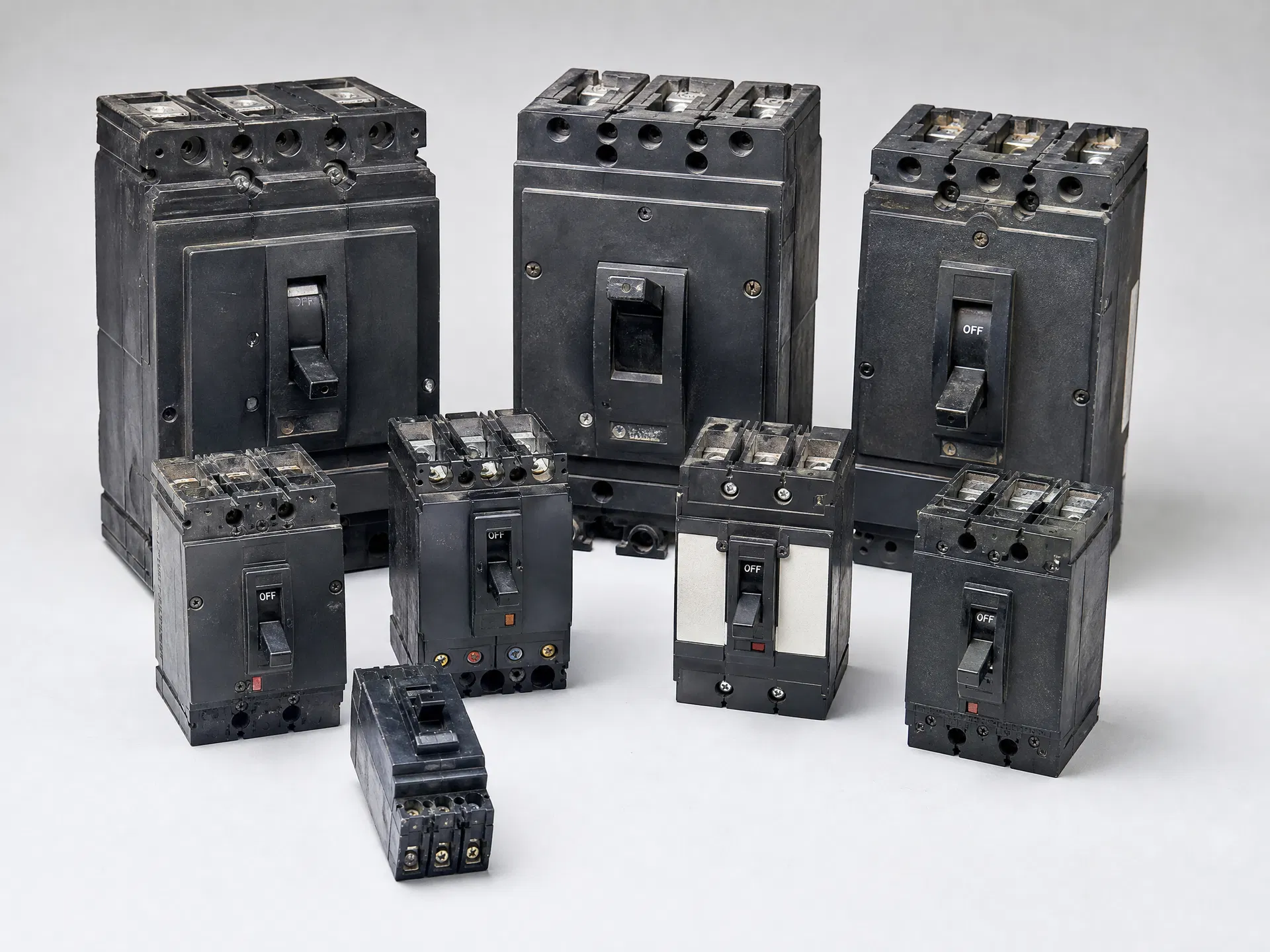
Siemens ITE circuit breakers have long been a cornerstone of electrical distribution in residential, commercial, and industrial settings across the United States. As a legacy product line, Siemens ITE breakers were manufactured and installed extensively from the mid-20th century until Siemens phased out the brand in the early 2000s, transitioning to newer product lines under the Siemens name. Despite being discontinued, these breakers remain in use in countless buildings nationwide due to their proven reliability and compatibility with legacy electrical panels. This widespread installed base makes Siemens ITE breakers a unique asset in the electrical equipment market, particularly for those looking to sell used or surplus breakers.
The value of Siemens ITE breakers today stems from their combination of rarity and necessity. While modern electrical codes and newer breaker technologies have evolved, many existing facilities still rely on legacy panels equipped with Siemens ITE breakers for primary circuit protection. For electricians, contractors, and facility managers tasked with maintaining or upgrading these older systems, sourcing the exact replacement breakers is often critical. Since Siemens no longer manufactures the ITE series, finding authentic and compatible breakers can be challenging. This scarcity drives demand among buyers who specialize in maintaining older installations or who refurbish and resell legacy equipment.
Understanding who buys Siemens ITE breakers involves examining the various segments of the electrical market that require these legacy components. Electrical contractors servicing older residential neighborhoods or commercial buildings often need specific Siemens ITE breakers to ensure safe and code-compliant repairs. Maintenance departments in industrial plants with legacy Siemens panels also seek these breakers to avoid costly panel replacements. Additionally, electrical supply distributors and equipment brokers who specialize in legacy and surplus electrical gear represent a significant portion of the buyers. These intermediaries acquire Siemens ITE breakers from sellers and channel them to end-users or refurbish them for resale.
For those interested in selling Siemens ITE breakers, recognizing the product’s value in the secondhand market is essential. Sellers ranging from contractors with leftover inventory, electrical wholesalers with surplus stock, or facility managers with decommissioned equipment can leverage the demand for these breakers to maximize returns. However, successfully selling these breakers requires knowledge of the product’s specifications, condition criteria, and the right buyer networks. Sellers must also be aware of the importance of proper documentation, including model numbers, trip ratings, and compatibility information to present their breakers effectively.
At Circuit Breaker Buyer USA, we understand the nuances of the legacy electrical equipment market, including the unique position of Siemens ITE breakers. Our resources guide sellers through the process of evaluating their breakers, identifying potential buyers, and navigating the logistics of selling circuit breakers efficiently and safely. Whether you have a single breaker or a large inventory, knowing who buys Siemens ITE breakers and how to position your equipment can substantially influence the value you receive.
To explore more about Siemens and their broad range of electrical products, including the legacy ITE series, visit our detailed Siemens brand page. If you want to deepen your understanding of different types of circuit breakers and their applications, our circuit breakers resource section provides comprehensive information. For those ready to convert their surplus or used breakers into cash, our sell circuit breakers guide offers practical steps and considerations to maximize your sale’s success.
In summary, Siemens ITE breakers are more than just discontinued electrical components; they represent a vital link in the continuity of electrical infrastructure across the country. Their massive installed base coupled with limited production makes them highly sought after in niche markets. For sellers, this translates into an opportunity to unlock significant value by connecting with the right buyers and understanding the market dynamics surrounding legacy Siemens ITE circuit breakers.
The Legacy of Siemens ITE Breakers
The History of the ITE Brand
ITE, originally an independent company known as Industrial Terminal Equipment, made a significant mark in the electrical industry through its development of circuit breakers, electrical panels, and other critical switchgear components. Founded in the early 20th century, ITE specialized in producing reliable, durable circuit breakers that became a staple in residential, commercial, and industrial applications. Models such as the ITE Type BR and Type CH breakers earned a reputation for robust performance and ease of maintenance, which made them a popular choice among electricians and facility managers alike.
ITE’s product line was particularly notable for its modular design and compatibility with a wide range of electrical panels. This flexibility allowed electricians to retrofit older installations with updated breakers without completely overhauling switchgear systems, providing cost-effective solutions for ongoing electrical maintenance and upgrades. The company’s commitment to safety and compliance with evolving electrical codes helped solidify its position as a trusted name in circuit protection.
Siemens Acquisition and Integration of ITE
In 1990, Siemens AG, a global powerhouse in electrification, automation, and digitalization, acquired the ITE brand as part of its strategy to expand its footprint in the North American electrical market. The acquisition allowed Siemens to integrate ITE’s well-regarded circuit breaker technology into its broader range of electrical equipment, including advanced switchgear and electrical panels.
Following the acquisition, Siemens continued to manufacture many of the ITE breaker models but gradually transitioned the product lines to align with Siemens’ own design philosophies and manufacturing standards. Despite this, the ITE brand name was retained for some time, particularly in legacy applications where compatibility with existing equipment was critical. Siemens’ stewardship ensured that ITE products met stringent quality and safety standards, reinforcing their reliability within the industry.
Why Discontinued ITE Breakers Remain in High Demand
Although Siemens officially discontinued many ITE breaker models in favor of newer product lines such as the Siemens QP and QT series, the demand for ITE breakers remains remarkably strong. Several key factors contribute to this ongoing need:
Compatibility with Existing Electrical Panels and Switchgear
Many commercial and industrial facilities still operate electrical panels designed specifically for ITE breakers. These panels often form part of larger switchgear assemblies that are costly and disruptive to replace entirely. For example, an older building in Houston might have an ITE Load Center or a 100-amp ITE breaker panel servicing critical systems. When a breaker fails, finding an exact replacement—such as an ITE Type BR 20-amp single-pole breaker—is essential to maintain operational continuity and safety.
The modular design of ITE breakers also means that substitutes from other brands are often incompatible, making original ITE breakers the preferred or even the only viable option for repair and maintenance.
Proven Reliability and Safety Record
ITE breakers have a long-standing reputation for durability and consistent trip characteristics. Facilities with legacy ITE equipment are often managed by maintenance personnel who prefer to use the same brand and model of breakers to ensure predictable performance under fault conditions. This is particularly important in high-stakes environments such as manufacturing plants or healthcare facilities, where maintaining electrical integrity is critical.
Regulatory and Code Compliance
Certain electrical codes and insurance requirements may mandate the use of original equipment manufacturer (OEM) breakers in existing panels. Using non-ITE breakers in an ITE panel might void warranties or violate local electrical codes, especially in regulated commercial environments. This regulatory compliance drives the continued sourcing and stocking of discontinued ITE breakers.
Conclusion
The legacy of Siemens ITE breakers is a testament to the durability and engineering excellence of the original ITE brand, as well as Siemens’ successful integration of this technology into its wider electrical equipment portfolio. Although many ITE breakers have been discontinued, their relevance remains undiminished due to their compatibility with legacy switchgear, proven reliability, and regulatory considerations.
For those managing electrical infrastructure with ITE components, understanding the history and ongoing demand for these breakers is crucial. Whether you’re seeking replacement breakers for an electrical panel or upgrading your facility’s switchgear, sourcing authentic ITE breakers can be vital. If you’re located in Houston or other regions with older electrical installations, the importance of maintaining legacy equipment with proper breakers cannot be overstated.
Identifying ITE vs Modern Siemens Breakers
When working with electrical panels, correctly identifying circuit breakers is crucial for maintenance, replacement, or upgrades. Siemens has a long history of manufacturing breakers, evolving from legacy ITE (Industrial Terminal Equipment) designs to modern, code-compliant models. Understanding the differences between these two categories helps ensure safety, compatibility, and adherence to electrical standards.
Legacy ITE Breakers: Characteristics and Identification
The ITE brand was acquired by Siemens in the 1980s, and many of these legacy breakers are still found in older panels. ITE breakers are recognizable by several distinctive features:
- Model Series: Common legacy ITE breakers include the Type WB, Type WBH, and Type BQ. These models were widely used from the 1960s through the early 1990s.
- Physical Appearance: ITE breakers often have a more squared-off handle and a slightly bulkier design compared to modern Siemens models. The breaker body is typically black with a white or gray toggle.
- Labeling: ITE breakers are usually labeled simply “ITE” or “Industrial Terminal Equipment” on the breaker face, along with the model type and amperage rating. The labeling may be engraved or printed.
- Trip Mechanism: Many ITE breakers use a thermal-magnetic trip mechanism similar to modern breakers but with older calibration standards. This can affect trip curves and coordination.
- Ampere Ratings: ITE breakers generally come in common ratings such as 15A, 20A, 30A, 40A, 60A, and 100A. Higher amperage breakers were often larger physically.
Safety Note: Because ITE breakers were manufactured to older UL standards and electrical codes, they may not meet current NEC (National Electrical Code) requirements. They should be replaced with modern breakers when upgrading or repairing panels.
Modern Siemens Breakers: Features and Identification
Siemens modern breakers have evolved significantly, incorporating updated materials, improved trip units, and enhanced safety features. Key identifiers include:
- Model Series: Modern Siemens breakers include the QP, QPH, QPR, and ED series. For example, the Siemens QP series is a popular residential and commercial breaker line with ratings from 15A to 125A.
- Physical Design: Modern Siemens breakers feature a sleeker, more compact design with rounded toggles and molded plastic housings. The breaker toggles are often black or red and have a slightly curved ergonomic shape.
- Labeling: Modern Siemens breakers are clearly marked with the Siemens logo, model number (e.g., Q215, Q220), and amperage. They also include UL listing marks and sometimes QR codes for identification.
- Trip Mechanism: Siemens now uses advanced thermal-magnetic trip technology with precise trip curves calibrated for modern electrical loads. Some models include electronic trip units for enhanced protection.
- Additional Features: Modern breakers often have features like tandem configurations (Q215T), AFCI (Arc Fault Circuit Interrupter), and GFCI (Ground Fault Circuit Interrupter) options integrated.
- Ampere Ratings: Siemens modern breakers cover a wide range from 15A to 125A for residential applications, with larger industrial breakers available in the ED series.
Practical Example: Comparing ITE WBH vs Siemens QP
- ITE WBH 20A: A legacy ITE breaker with a bulky rectangular toggle, black body, and simple mechanical trip. Often found in panels manufactured before 1990.
- Siemens QP 20A (Q220): Modern breaker with a rounded toggle, compact profile, and enhanced thermal-magnetic trip unit. Designed for plug-on compatibility with Siemens load centers.
Why Correct Identification Matters
Properly distinguishing between ITE and Siemens breakers ensures:
- Compatibility: Modern Siemens breakers are not always compatible with legacy ITE panels due to differing bus bar designs or mounting clips.
- Safety: Using breakers that meet current UL and NEC standards reduces the risk of electrical fires and malfunctions.
- Code Compliance: Replacing legacy breakers with modern Siemens models helps bring electrical systems up to code.
Further Resources
For comparison with other major breaker brands, you may find these helpful:
- Square D breakers offer industry-standard QO and Homeline series with distinct color coding and labeling.
- Eaton/Cutler-Hammer breakers are known for their CH and BR series, each with unique mechanical and electrical characteristics.
- For region-specific replacement options and detailed breaker identification, see our Dallas Circuit Breaker Buyer guide.
In summary, identifying legacy ITE breakers versus modern Siemens models requires attention to model numbers, physical design, labeling, and trip mechanisms. Understanding these differences is essential for safe and code-compliant electrical system maintenance.
Pricing by Frame Size for Siemens ITE Breakers
When evaluating the pricing and value of Siemens ITE circuit breakers, understanding the impact of frame size is crucial. Siemens ITE breakers come in a variety of frame sizes, each designed to accommodate specific current ratings, interrupting capacities, and application scenarios. The most commonly encountered frame sizes include ED, FD, JD, LD, MD, ND, and PD. Each frame size offers distinct characteristics that influence not only their operational utility but also their resale value on the secondary market.
Understanding Siemens ITE Frame Sizes
Siemens frame sizes are designated by letter codes that correspond to their physical dimensions and electrical specifications. These frames serve as the housing for the breaker’s internal components and dictate the maximum ampere ratings the breaker can support. For instance:
- ED Frame: Typically supports up to 60 amps.
- FD Frame: Supports up to 100 amps.
- JD Frame: Supports up to 225 amps.
- LD Frame: Supports up to 400 amps.
- MD Frame: Supports up to 600 amps.
- ND Frame: Supports up to 1200 amps.
- PD Frame: Supports up to 1600 amps.
Each frame size also varies in terms of interrupting rating, physical size, and intended application, which collectively impact their market demand and pricing.
Pricing Considerations by Frame Size
Pricing for Siemens ITE breakers is influenced by multiple factors including frame size, breaker condition, model number, amperage rating within that frame, and market demand. Larger frame sizes, such as ND and PD, generally command higher prices due to their capability to handle higher loads and their use in industrial or commercial applications.
ED and FD Frames
The ED and FD frame breakers are often found in residential and light commercial settings. These breakers are smaller, handle lower amperages, and are more readily available in the used market. Because of their widespread use and availability, resale values for these frames tend to be on the lower end.
For example, an ED frame breaker like the Siemens ED63B060 (60A, 3-pole) may resell between $50 and $100 depending on condition. Similarly, an FD frame breaker such as the Siemens FD63B100 (100A, 3-pole) typically ranges from $100 to $200.
JD and LD Frames
The JD and LD frames represent a mid-range class often used in commercial buildings and light industrial applications. These frames accommodate higher amperages and interrupting capacities, which increases their value and utility.
A Siemens JD63B225 breaker (225A, 3-pole) can fetch between $250 and $500 on the resale market. Meanwhile, an LD frame breaker like the Siemens LD63B400 (400A, 3-pole) may range from $400 to $800 depending on condition and model specifics.
MD, ND, and PD Frames
The MD, ND, and PD frames are typically used in heavy industrial and utility-scale applications. These breakers support very high amperages and interrupting ratings, making them more specialized and less common in smaller installations.
For instance, an MD frame breaker such as the Siemens MD63B600 (600A, 3-pole) can command resale values between $700 and $1,200. ND frame breakers like the Siemens ND63B1200 (1200A, 3-pole) often sell for $1,200 to $2,500, reflecting their heavy-duty capabilities. PD frame breakers, which handle up to 1600 amps or more, can exceed $2,500, with some models reaching upwards of $4,000 in excellent condition.
Market Trends and Resale Value
The resale value of Siemens ITE breakers is also influenced by regional demand, availability of replacement parts, and compatibility with existing equipment. For example, breakers compatible with widely used Siemens switchgear or those suitable for integration with related equipment, such as certain transformers, can attract premium pricing. Additionally, markets in industrial hubs like Chicago often see higher demand, which can elevate prices.
Summary of Estimated Resale Values by Frame Size
| Frame Size | Typical Ampere Range | Typical Use Case | Estimated Resale Value Range (USD) |
|---|---|---|---|
| ED | Up to 60A | Residential/Light Comm. | $50 - $100 |
| FD | Up to 100A | Light Commercial | $100 - $200 |
| JD | Up to 225A | Commercial | $250 - $500 |
| LD | Up to 400A | Commercial/Light Industrial | $400 - $800 |
| MD | Up to 600A | Industrial | $700 - $1,200 |
| ND | Up to 1200A | Heavy Industrial | $1,200 - $2,500 |
| PD | Up to 1600A+ | Utility/Heavy Industry | $2,500 - $4,000+ |
For a comprehensive understanding of how these prices are determined, including considerations like breaker condition, model rarity, and market dynamics, please refer to our detailed guide on how we price.
By considering frame size alongside specific model numbers and usage scenarios, buyers and sellers can better gauge the true value of Siemens ITE breakers in the current market. This detailed approach ensures realistic pricing expectations and informed purchasing decisions, especially when integrating breakers with other electrical infrastructure components such as transformers or when sourcing equipment in specialized markets like Chicago.
Condition Requirements for Selling Siemens ITE Breakers
When selling Siemens ITE breakers, understanding the condition requirements is crucial to attracting serious buyers and securing the best possible value. Buyers in the electrical equipment market are highly discerning, typically prioritizing product integrity, operational reliability, and compliance with safety standards. These factors directly influence whether a breaker is suitable for resale, refurbishment, or only as scrap. This section explores the various condition categories—new in box, used, refurbished, and broken—while clarifying the important distinction between scrap and resale value.
New in Box Siemens ITE Breakers
The highest demand and value come from Siemens ITE breakers that are new in original packaging. Buyers, including industrial maintenance teams and electrical contractors, prefer these units because they guarantee factory-fresh condition, no prior wear, and complete warranty coverage. For example, a Siemens QP or QP-CAF series circuit breaker in unopened packaging assures end users of full compliance with UL listings and manufacturer specifications.
Because new breakers have not been exposed to electrical loads or environmental stress, buyers often pay a premium for them. Sellers should ensure that original labels, manuals, and packaging are intact to maximize trustworthiness. These breakers are typically purchased for immediate installation in new construction or major retrofit projects.
Used Siemens ITE Breakers: Condition and Considerations
Used Siemens breakers may be accepted for resale if they meet certain criteria. Buyers look for breakers that have been well-maintained, show minimal signs of wear, and pass operational testing. Key condition indicators include:
- No visible physical damage such as cracked housings, broken toggle switches, or corroded terminals.
- Functional trip mechanisms verified by specialized test equipment.
- Clear model and rating markings that match buyer requirements.
Common models like the Siemens QP or QEH series breakers often enter the secondary market through facility upgrades or decommissioning. Buyers may use these breakers as cost-effective replacements or spares, provided they function reliably.
However, breakers showing significant wear, compromised trip units, or signs of overheating are generally rejected for resale due to safety concerns. In these cases, sellers should consider refurbishment or scrapping options.
Refurbished Siemens ITE Breakers
Refurbishment involves restoring breakers to near-new condition through cleaning, replacement of worn components, and comprehensive testing. Buyers seeking refurbished breakers expect:
- Certification that the breaker has been calibrated and tested according to Siemens or industry standards.
- Replacement of critical parts such as trip units, contacts, or toggle assemblies.
- Documentation of refurbishment processes and performance verification.
Refurbished breakers can serve as reliable, cost-effective alternatives to new breakers in maintenance and repair operations. For instance, a refurbished Siemens QP-CAF breaker may be sought after by electrical distributors or service companies aiming to stock tested inventory without the premium of new units.
Broken and Non-Operational Breakers: Scrap vs Resale
Breakers that are broken, non-functional, or missing parts typically fall into the scrap category rather than resale. Buyers generally avoid purchasing broken Siemens ITE breakers for reuse due to the risks of failure and liability. However, scrap breakers retain value for their metal content (copper, steel, and other alloys) and recyclable components.
Scrap Value
- Scrap breakers are sold primarily for their raw material content.
- The value depends on current metal prices and the weight of the breaker.
- Sellers should separate breakers with hazardous materials (like PCBs) or environmental contaminants to comply with disposal regulations.
Resale Value
- Resale requires breakers to be fully functional or refurbishable.
- Buyers verify condition through visual inspection and functional testing.
- Breakers unsuitable for repair or testing are excluded from resale offers.
For sellers handling multiple brands, it is useful to understand condition standards across manufacturers. For example, buyers of General Electric or ABB breakers apply similar criteria regarding operational integrity and packaging. Additionally, sellers focusing on regional markets, such as the Atlanta area, can explore specialized buyers like Atlanta Circuit Breaker Buyer, who are experienced in evaluating condition and offering competitive prices.
In summary, the condition of Siemens ITE breakers determines their marketability and price. New in box units command the highest value, followed by well-maintained used and professionally refurbished breakers. Broken or non-functional breakers generally only have scrap value. Sellers should carefully evaluate the condition, document the status, and target appropriate buyers to optimize the sale of Siemens ITE breakers.
Bulk vs Individual Selling Strategies
When it comes to selling electrical circuit breakers, deciding whether to sell units individually or in bulk can significantly impact your overall return, turnaround time, and buyer pool. This decision is often influenced by the nature of your inventory, project timelines, and the specific circumstances under which you are selling breakers—such as facility upgrades, plant tear-downs, or inventory liquidations. Below, we explore the advantages and disadvantages of both selling strategies to help you make an informed choice.
Selling Breakers Individually
Pros of Individual Sales
-
Higher Price Per Unit: Selling breakers individually, especially popular models like the Square D QO120CP or Siemens Q120, can often yield a higher price per unit. Buyers looking for specific replacements or upgrades may be willing to pay a premium for single breakers that match their exact needs.
-
Broader Buyer Base: Individual sales open up your market to electricians, contractors, and smaller businesses that may only require one or a few breakers for maintenance or minor facility upgrades. This is particularly useful if your inventory includes rare or hard-to-find models.
-
Reduced Inventory Holding Costs: By selling units as needed, you can reduce storage and handling costs, especially if your breakers have been sitting idle for some time and are susceptible to obsolescence or environmental degradation.
-
Flexibility in Negotiations: Individual sales allow for more tailored negotiations based on the condition, model, and demand for each breaker, which can be beneficial in fluctuating markets.
Cons of Individual Sales
-
Time-Consuming: Listing, marketing, and shipping individual breakers can be labor-intensive and slow, potentially delaying the liquidation of your inventory.
-
Higher Transaction Costs: Packaging and shipping multiple small orders can increase costs, reducing overall profitability.
-
Inconsistent Cash Flow: Individual sales might generate sporadic income rather than a lump sum, which may not align with the financial goals of larger projects like plant tear-downs.
Selling Breakers in Bulk
Pros of Bulk Sales
-
Faster Liquidation: Bulk selling is ideal for scenarios like plant tear-downs or inventory liquidations where rapid disposal is necessary. For example, a facility upgrading from older Siemens ED circuit breakers to newer models might seek to offload hundreds of units quickly.
-
Lower Transaction Costs: Packaging and shipping breakers in bulk reduce per-unit handling costs, making it more cost-effective for both the seller and buyer.
-
Attracts Larger Buyers: Bulk sales attract industrial buyers, electrical contractors managing large projects, and companies specializing in refurbishing or reselling electrical equipment. For instance, electrical contractors in Los Angeles often purchase bulk breakers for large-scale construction projects.
-
Simplified Negotiations: Negotiating a single bulk deal is often more straightforward than managing multiple individual transactions, saving time and administrative effort.
Cons of Bulk Sales
-
Lower Price Per Unit: Buyers expect bulk discounts, which means the per-unit price is often significantly lower than individual sales.
-
Limited Buyer Pool: The market for bulk breakers is smaller and usually limited to companies with the capacity to store, test, and resell or reuse large quantities.
-
Requires Accurate Inventory Management: Selling in bulk mandates precise inventory records and condition reports to avoid disputes or returns.
Real-World Scenarios
-
Facility Upgrades: When a manufacturing plant upgrades its electrical systems, it may want to sell surplus breakers individually to contractors who need specific units for ongoing maintenance. However, if the upgrade involves complete system replacements, selling breakers in bulk to equipment resellers or refurbishers may be more practical.
-
Plant Tear-Downs: In plant closures or tear-downs, speed is critical. Bulk sales facilitate rapid removal of assets, including breakers, bus plugs, and busway components, allowing for quicker site clearance and cash recovery.
-
Inventory Liquidations: Distributors or suppliers clearing out old stock might favor bulk sales to quickly reduce inventory levels, even if it means accepting lower prices per unit.
Conclusion
Choosing between bulk and individual selling strategies depends on your specific goals, inventory size, and market conditions. Individual sales might bring higher unit prices and appeal to a broader buyer base but require more time and effort. Bulk sales, conversely, enable rapid liquidation with lower transaction costs, suitable for large-scale projects and closures.
For businesses interested in exploring options for their electrical equipment, including breakers, it is advisable to consult specialized buyers who understand market demand and can offer tailored solutions. To learn more about selling options and find reputable buyers, visit our sell electrical equipment page or connect with local buyers in regions like Los Angeles.
Frequently Asked Questions About Selling Siemens ITE Breakers
What is the best way to identify Siemens ITE breaker models for selling?
Identifying the correct model number on Siemens ITE breakers is crucial for accurate valuation and smooth transaction processes. Siemens ITE breakers typically have a model or catalog number printed or stamped on the front face or side of the breaker. Common model series include QP, QPH, and QRS, often followed by numeric values indicating amperage and pole configuration—for example, QP115 (a single-pole 15-amp breaker) or QPH230 (a two-pole 30-amp breaker). Additionally, you can find information such as voltage ratings, interrupting capacity (kAIC), and trip characteristics (standard or GFCI/AFCI). If the labeling is worn or unclear, using a magnifying glass or photographing the breaker under good lighting can help. For more detailed guidance on breaker identification and removal, consider reviewing our circuit breaker removal resource.
How can I test Siemens ITE breakers before selling them?
Testing Siemens ITE breakers before selling ensures you receive the best possible price and helps avoid disputes regarding condition. While professional testing involves specialized equipment like insulation resistance testers and trip units, you can perform basic functional tests safely at home or on-site. First, visually inspect the breaker for physical damage such as cracks, corrosion, or burnt marks. Next, manually toggle the handle to ensure smooth operation without stiffness or looseness. If you have access to a multimeter, test for continuity in the closed position and ensure it opens when toggled off. However, comprehensive trip testing requires calibrated breaker testers, often available at electrical service centers. Sellers aiming for precise testing outcomes might consult a licensed electrician. For more information on testing protocols and standards, you can reach out to industry-specific forums or check Siemens technical documentation.
What payment methods are typically offered when selling Siemens ITE breakers?
Buyers of Siemens ITE breakers generally offer several payment methods to accommodate sellers’ preferences. Common options include bank wire transfers, PayPal, certified checks, and sometimes electronic payment platforms like Venmo or Zelle. Wire transfers are favored for higher-value transactions due to security and speed, often clearing within 24-48 hours. PayPal and other online services provide convenience and faster turnaround but may incur transaction fees. Certified checks are reliable but can delay funds availability due to bank processing times. Some buyers also provide cash payments, especially in local transactions, which can be beneficial for immediate settlement. To explore trusted buyers and payment options, sellers can visit our cash for circuit breakers page for more detailed insights.
How should I package and ship Siemens ITE breakers to ensure safe delivery?
Proper packaging and shipping methods are essential to protect Siemens ITE breakers during transit. Breakers contain delicate internal components that can be damaged by shocks or moisture. Use anti-static bubble wrap or foam padding to wrap each breaker individually. Place the wrapped breakers in a sturdy corrugated cardboard box, ensuring minimal movement inside by filling voids with packing peanuts or crumpled paper. Label the box as “Fragile” and “Electrical Equipment” to alert handlers. For added protection, especially for high-value breakers, consider double-boxing. When selecting a shipping carrier, services like UPS, FedEx, or USPS Priority Mail offer tracking and insurance options, which are highly recommended. For sellers located near the Denver area, local pick-up arrangements can sometimes be made; see our Denver page for more information.
Are there specific Siemens ITE breaker models that are more valuable or in higher demand?
Certain Siemens ITE breaker models command higher prices due to factors like amperage rating, interrupting capacity, and rarity. For example, breakers with high interrupting ratings (such as 10kA or 22kAIC) or specialized types like GFCI (ground fault circuit interrupter) or AFCI (arc fault circuit interrupter) tend to be more valuable. Models such as QP or QPH series rated at 60 amps or above are often sought after for industrial or commercial applications. Additionally, breakers compatible with older Siemens panels that are no longer in production can be in higher demand among contractors and electricians needing replacements. Sellers should carefully research or consult buyers to understand current market values. Our cash for circuit breakers page provides updated information on model demand and pricing trends.
Can I sell Siemens ITE breakers if they are used or previously installed?
Yes, used or previously installed Siemens ITE breakers can be sold, provided they are in functional condition and meet safety requirements. Many buyers accept breakers that have been removed from service, especially if they have been tested or inspected. It is important to disclose any known issues such as physical damage, tripping anomalies, or modifications. Breakers that show excessive wear or internal damage may have reduced value or may be rejected. To ensure safe removal and handling, refer to proper procedures outlined in our circuit breaker removal guide. Proper documentation and photographs of the breakers’ condition can also facilitate quicker transactions.
How long does it typically take to receive payment after selling Siemens ITE breakers?
The payment turnaround time varies depending on the buyer’s policies, payment method, and shipping arrangements. For local transactions or cash sales, payment is immediate upon inspection and acceptance. For remote sales involving shipping, payment is usually processed after the breakers arrive and pass inspection. Wire transfers typically take 1-3 business days after confirmation of receipt. PayPal and other electronic payments can be instantaneous upon acceptance but may hold funds temporarily based on account status. Certified checks may require several business days to clear. To minimize delays, sellers should provide accurate descriptions, model information, and test results upfront. For more detailed payment processing information, visit our cash for circuit breakers page.
This FAQ section aims to provide comprehensive guidance for anyone looking to sell Siemens ITE breakers, covering essential topics from identification and testing to shipping and payment. For more localized assistance, especially in the Denver area, please refer to our dedicated Denver resource.
In conclusion, selecting the right electrical equipment and understanding the nuances of circuit breaker purchases are critical for both residential and commercial applications. Throughout this blog post, we have examined key factors such as identifying reliable brands, understanding model specifications, and recognizing market trends that impact pricing and demand. For instance, Westinghouse remains a trusted name in the industry, known for models like the Westinghouse QO series, which is widely used in both new installations and retrofit projects due to its durability and compatibility. For those located in regions like Miami or Seattle, it’s important to be aware of local market dynamics and regulations. Our dedicated guides for Miami circuit breaker buyers and Seattle circuit breaker buyers provide region-specific insights that can help sellers and buyers make informed decisions.
Additionally, understanding the condition and specifications of equipment—such as amperage ratings, interrupting capacity, and panel compatibility—can significantly influence resale value and operational safety. For example, a lightly used Westinghouse QO 20-amp circuit breaker with a 10,000-amp interrupting rating can fetch a higher price than older or damaged units. Moreover, knowing where to sell or source equipment, such as through reputable buyers or specialized outlets, ensures a smooth transaction process. Our internal resources, including detailed brand profiles like Westinghouse, offer further technical details and buyer tips that are useful for both novices and seasoned professionals.
By synthesizing these insights, this post aims to empower you with a comprehensive understanding of the electrical equipment market, helping you maximize value whether you are buying or selling. For customized advice tailored to your specific location or equipment type, exploring our linked pages and expert resources is highly recommended.
Ready to Sell? Get Your Free Quote Today
Circuit Breaker Buyer USA purchases electrical equipment from sellers in all 50 states. We pay top dollar, provide free on-site pickup, and issue same-day payment. Call (951) 903-9804 or submit your equipment online for a free, no-obligation quote within 24 hours. See real examples of what we pay on our recent purchases page.
Ready for a quote?
Call Circuit Breaker Buyer USA for a fast, no-obligation offer on your equipment.