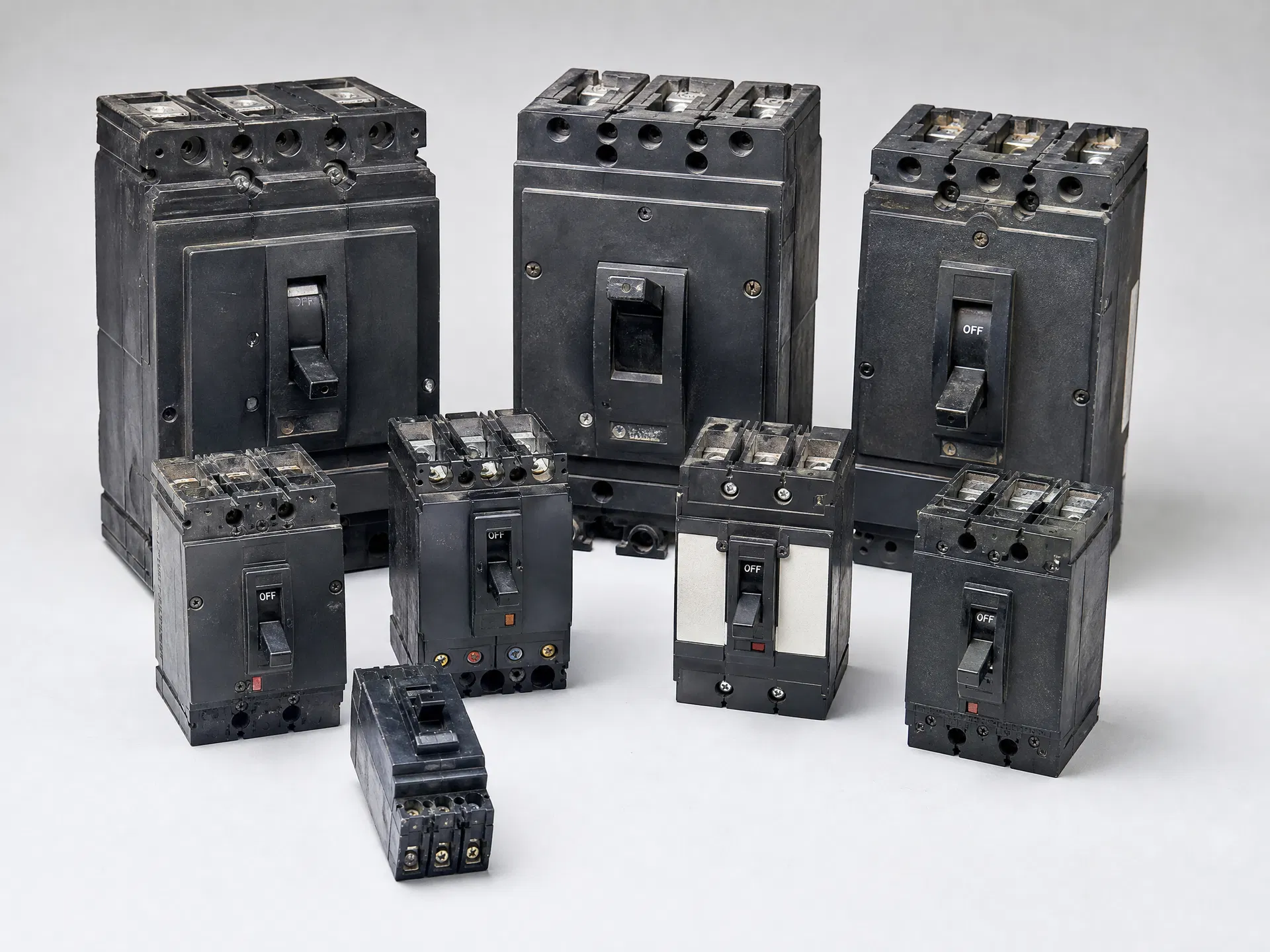
Are Old Federal Pacific Breakers Worth Anything? (Honest Answer)
Federal Pacific Electric (FPE) circuit breakers have long been a subject of intense debate among electricians, home inspectors, and homeowners alike. Once a dominant player in the mid-20th century electrical equipment market, FPE breakers were installed in millions of homes and commercial buildings across the United States. Today, the question frequently arises: are old Federal Pacific breakers worth anything? This question is not simply about monetary value but also encompasses concerns about safety, reliability, and practical usability. Understanding the true worth of these breakers requires delving into their manufacturing history, technical performance, and the evolving standards of electrical safety.
Federal Pacific Electric first gained widespread acceptance for their circuit breakers and electrical panels in the 1950s through the 1980s, supplying equipment that was perceived as innovative and cost-effective at the time. However, as electrical safety standards advanced and more rigorous testing protocols were developed, significant problems with FPE breakers came to light. Numerous studies and real-world incidents revealed that many FPE breakers failed to trip under overload or short circuit conditions, posing a serious fire hazard. This critical safety issue has led to Federal Pacific breakers being widely regarded as obsolete and unsafe by modern electrical professionals.
Despite these safety concerns, some homeowners and sellers of vintage electrical equipment wonder if old FPE breakers still hold any resale value. Collectors of antique electrical gear or contractors specializing in retrofits occasionally express interest in these breakers, but the market is niche and fraught with caveats. The resale value is heavily influenced by the breaker’s condition, model number, and whether it’s paired with the original FPE electrical panels, which are also scrutinized for safety. For a broader understanding of the available options and alternatives, it’s useful to explore current industry-standard circuit breakers and electrical panels, which offer far superior safety and performance features.
In this post, we’ll explore the full story behind Federal Pacific breakers—from their rise and fall to the real risks associated with their continued use. We’ll also analyze their place in today’s resale market, helping you make an informed decision about whether these vintage circuit breakers have any practical or financial value in 2024. Whether you’re a homeowner, electrician, or equipment buyer, gaining a clear picture of Federal Pacific’s legacy is essential for navigating the complex landscape of electrical safety and equipment investment. For more on reliable modern equipment alternatives, check out our detailed guides on circuit breakers and electrical panels.
The History of Federal Pacific Electric (FPE) and Stab-Lok
Federal Pacific Electric (FPE) was a prominent player in the electrical equipment industry, particularly during the mid-20th century, and its legacy is most closely associated with the Stab-Lok circuit breaker design. Founded in 1901, FPE rose to national prominence after World War II, capitalizing on the post-war housing boom and the surge in demand for residential and commercial electrical components. By the 1950s and 1960s, FPE had established itself as one of the leading manufacturers of electrical panels, with its Stab-Lok line becoming a common fixture in American homes and businesses.
The Stab-Lok design was innovative for its time, featuring circuit breakers that “stabbed” directly into the bus bars of the panel, allowing for quick installation and replacement. This design was marketed as a space-saving, user-friendly solution that simplified electrical panel servicing and upgrades. The Stab-Lok breakers and panels were promoted for their compactness and ease of use, which contributed significantly to their widespread adoption. Builders and electricians favored FPE panels for new construction during this period because they were often less expensive than competing brands, which helped to accelerate their market penetration.
By the 1970s, FPE Stab-Lok panels were installed in millions of residential and commercial buildings across the United States. Their prevalence was especially notable in suburban developments and multi-family housing units, where rapid installation and cost efficiency were paramount. However, despite their popularity, FPE panels began to face scrutiny as concerns about their performance and safety emerged. Reports of circuit breakers failing to trip during overloads or short circuits raised alarms within the electrical industry and among safety regulators.
The rise of FPE and the Stab-Lok design must be understood in the context of the broader electrical panel market, which included established competitors like Square D and General Electric. Square D, a brand well-known for its QO and Homeline breaker lines, was recognized for its robust engineering and consistent quality, often favored in both residential and industrial applications. General Electric (GE) also commanded a significant share of the market with its reliable breakers and panels that had been staples in American electrical systems for decades. Compared to these brands, FPE initially gained traction by offering lower-cost alternatives, but concerns about its breaker reliability eventually caused many electricians and inspectors to recommend other manufacturers.
During the late 1970s and into the 1980s, Federal Pacific Electric underwent ownership changes and eventually ceased manufacturing Stab-Lok breakers. This period marked a transition in the electrical equipment industry, with increased emphasis on safety certifications and compliance with updated National Electrical Code (NEC) standards. Today, FPE Stab-Lok panels are often identified as legacy equipment that requires careful assessment. Their historical significance is undeniable, but their safety record has led to widespread recommendations for replacement in many homes and businesses, especially when compared to modern panels from Square D, GE, and other reputable manufacturers.
In summary, Federal Pacific Electric and its Stab-Lok design played a critical role in shaping mid-century American electrical infrastructure. Their initial popularity was driven by affordability and ease of use, but evolving safety expectations and performance issues ultimately limited their long-term viability in the competitive landscape dominated by brands like Square D and General Electric. For anyone managing older properties, understanding the history of FPE is essential when evaluating the safety and reliability of existing electrical panels.
The Safety Controversy and Recall
Federal Pacific Electric (FPE) Stab-Lok circuit breakers have been at the center of one of the most significant safety controversies in the electrical industry for decades. Originally manufactured from the 1950s through the 1980s, these breakers were installed in millions of homes and commercial buildings across the United States. However, over time, it became evident that many FPE Stab-Lok breakers failed to perform their primary safety function: reliably tripping under overload or short circuit conditions. This failure has raised serious concerns about the risk of electrical fires and the overall safety of these widely installed panels.
Failure to Trip Under Overload Conditions
Circuit breakers are designed to protect electrical circuits by automatically interrupting the flow of electricity when current exceeds safe levels. In the case of FPE Stab-Lok breakers, multiple independent laboratory tests have demonstrated a troubling tendency for these breakers to fail to trip when overloaded. For example, a typical 20-amp Stab-Lok breaker might continue to allow current flow even when subjected to currents well above its rated capacity. This failure can lead to overheating of wiring, insulation breakdown, and ultimately, electrical fires.
The technical cause of these failures is often attributed to the breaker’s internal mechanism, which is prone to mechanical binding, poor contact pressure, and degradation over time. Unlike modern breakers that incorporate more reliable trip units and enhanced materials, the Stab-Lok design has inherent flaws that compromise its protective function. This problem is not limited to a single model but spans the entire Stab-Lok product line, including popular models like the FPE 20-amp 2-pole breakers used in residential applications.
Fire Hazards and Real-World Incidents
The inability of FPE Stab-Lok breakers to trip under fault conditions significantly increases the risk of electrical fires. Overloaded circuits generate excessive heat, which can melt insulation and ignite surrounding materials such as wood framing or drywall. According to fire investigation reports and anecdotal evidence from electricians and homeowners, homes equipped with FPE panels have experienced electrical fires that may have been preventable had the breakers functioned correctly.
The Consumer Product Safety Commission (CPSC) has reported approximately 2,800 fire-related incidents associated with FPE Stab-Lok breakers, resulting in several injuries and fatalities. Despite these alarming statistics, the problem remains widespread due to the large number of these breakers still in service.
Investigations by the Consumer Product Safety Commission (CPSC)
Recognizing the severity of the situation, the CPSC conducted extensive investigations into FPE Stab-Lok breakers during the 1980s and 1990s. Test results confirmed that a significant percentage of these breakers failed to meet the minimum safety standards required for residential circuit protection. In laboratory settings, up to 25% of the breakers tested failed to trip under overload conditions, a failure rate far exceeding acceptable industry norms.
In 1983, the CPSC issued a warning to the public and recommended replacement of FPE Stab-Lok panels. However, despite the overwhelming evidence of safety risks, the commission stopped short of issuing an official recall, citing legal and logistical challenges. This decision has been a source of ongoing debate and frustration among safety advocates, electricians, and homeowners.
The Controversy: No Official Recall
The absence of an official recall on FPE Stab-Lok breakers is one of the most contentious aspects of this controversy. Recall actions typically mandate manufacturers to repair, replace, or refund defective products, but in this case, no such nationwide mandate was ever enforced. The reasons for this include the dissolution of Federal Pacific Electric’s circuit breaker division, the complexity of tracking down and replacing millions of breakers, and legal hurdles related to product liability.
This lack of a formal recall leaves homeowners and electricians in a difficult position. Many electricians strongly recommend the complete replacement of FPE panels due to the documented risks. Insurance companies may also refuse coverage or increase premiums for homes with these panels. Yet, some homeowners are reluctant to undertake the costly process of panel replacement, especially if they have not experienced any known problems.
Implications for Homeowners and Electricians
For homeowners, the presence of an FPE Stab-Lok panel represents a latent fire hazard that should not be ignored. While breakers may appear to function normally, their failure to trip under fault conditions means a fire could start without warning. Homeowners should consider having their electrical panels inspected by a licensed electrician who is familiar with the issues surrounding Stab-Lok breakers.
Electricians face challenges as well, including educating clients about the risks and navigating the potential costs of panel replacement. When replacing these breakers or panels, electricians must follow best practices to ensure that the new equipment complies with current National Electrical Code (NEC) standards and provides reliable protection. Additionally, careful circuit breaker removal procedures are essential to avoid damaging the panel or wiring during replacement.
Ultimately, the safety controversy surrounding FPE Stab-Lok breakers underscores the importance of proactive electrical safety management. Replacing these outdated panels with modern, tested circuit breakers can significantly reduce fire risks and provide peace of mind. While the lack of an official recall complicates matters, the known hazards make it clear that upgrading from FPE Stab-Lok breakers is a prudent and necessary step for any property owner concerned with electrical safety.
How to Identify FPE Panels and Breakers
Identifying Federal Pacific Electric (FPE) panels and their associated Stab-Lok breakers is crucial for homeowners, electricians, and inspectors alike, especially given the known safety concerns surrounding these products. The process involves carefully examining visual cues, labels, and unique mechanical features that differentiate FPE equipment from other manufacturers such as Siemens or Eaton/Cutler-Hammer.
Visual Cues and Labeling on FPE Panels
The most straightforward way to identify an FPE panel is by locating the manufacturer’s label, which is typically found on the inside of the panel door or on the panel cover itself. This label will clearly state “Federal Pacific Electric” or simply “FPE.” The label might also include the model number, voltage rating, and the panel’s amperage capacity—usually ranging from 60 to 200 amps. For example, you may see models such as the FPE Stab-Lok 100 amp panel, which was a popular residential option in the mid-20th century.
The panel enclosure itself often has a distinctive, somewhat plain and utilitarian look, with minimal branding on the exterior. Unlike Siemens or Eaton panels, which often feature prominent brand logos embossed or printed on the cover, FPE panels are more understated, making the label inside the door the most reliable identifier.
Recognizing FPE Stab-Lok Breakers
The breakers themselves are easier to spot due to their unique design elements. The hallmark of FPE breakers is the red stripe running along the breaker handle. This red stripe is not just decorative; it serves as a visual warning and is unique to the Stab-Lok series. If you flip the breaker handle up, you will notice this bright red strip extending along the length of the handle, which is rarely found on breakers from other manufacturers.
Another distinctive feature is the breaker’s Stab-Lok connection mechanism. Unlike most breakers that use a hook-and-lug mounting system, FPE breakers simply “stab” directly into the bus bars inside the panel—hence the name “Stab-Lok.” This means that the breaker snaps directly onto the bus bar without the need for a separate lug or clip. This design can be confirmed by removing the panel cover (only if you are qualified and it is safe to do so) and observing how the breakers are mounted.
Comparing FPE to Siemens and Eaton/Cutler-Hammer Panels
When compared to Siemens panels, FPE panels are easier to distinguish because Siemens breakers typically lack the red stripe on the handle, and Siemens panels feature more modern, robust branding and labeling both externally and internally. Siemens breakers generally use a lug-and-hook mounting system rather than the stab-in design of FPE.
Eaton/Cutler-Hammer panels, on the other hand, are often clearly marked with the Eaton or Cutler-Hammer logo on the panel cover and inside the door. Their breakers have a more conventional design, with handles that do not feature the red stripe and employ a clip-on mounting system rather than the Stab-Lok stab-in style.
In summary, to identify an FPE panel and breakers:
- Look for the Federal Pacific Electric label inside the panel door.
- Check for breakers with red stripes on their handles.
- Observe the Stab-Lok mounting mechanism where breakers stab directly onto bus bars.
- Contrast these features with Siemens and Eaton/Cutler-Hammer panels, which have distinct branding, breaker handle designs, and mounting systems.
For more detailed comparisons and guidance on panel identification, you can explore our dedicated Siemens and Eaton/Cutler-Hammer sections, which provide comprehensive breakdowns of their products and identification tips. Understanding these differences is vital for ensuring the safety and reliability of your electrical system.
Are Old Federal Pacific Breakers Worth Anything?
When it comes to old Federal Pacific Electric (FPE) breakers, the question of value is complex and depends heavily on perspective, condition, and intended use. For most electricians and safety experts, these breakers are often regarded as liabilities rather than assets due to well-documented safety concerns. However, from a market standpoint, there remains a niche and sometimes lucrative demand for these breakers, especially in the context of replacement parts for existing FPE panels that are still operational.
Federal Pacific breakers have been widely criticized since the 1980s for their high failure rates and tendency to not trip when overloaded, which poses significant fire hazards. Numerous safety studies and regulatory agencies have advised against their continued use, leading many homeowners and professionals to replace these breakers with modern, safer alternatives. This history has understandably tainted the reputation of FPE breakers, causing many to view them as junk or scrap rather than valuable components.
Despite these concerns, the reality is that millions of Federal Pacific panels remain in service across the United States, particularly in older residential and commercial buildings. These panels often require replacement breakers that match the original specifications due to compatibility issues with newer models. Modern breakers from other manufacturers typically do not fit or function correctly in FPE panels, creating a steady demand for original FPE breakers on the secondary market. This demand sustains a niche but active marketplace where used FPE breakers can fetch prices well above scrap value.
The supply and demand dynamics in this market are influenced by several factors. On the supply side, many breakers have been removed and discarded during panel upgrades or replacements, increasing the number of breakers available for resale. However, because of safety concerns, not all breakers are in desirable condition or meet resale criteria, which limits the available supply of high-quality units. On the demand side, electricians and homeowners looking to maintain or repair existing FPE panels without replacing the entire panel seek out these breakers. The scarcity of compatible replacements from other manufacturers keeps prices relatively stable and sometimes surprisingly high.
At Circuit Breaker Buyer USA, we carefully evaluate Federal Pacific breakers based on condition, functionality, and market demand. We refer to our detailed process on how we price breakers to ensure fair and competitive offers. Our pricing takes into account the breaker’s amperage rating, model number, and physical condition, as well as the current market trends for FPE components. For example, a 20-amp FPE Stab-Lok breaker in good working order will typically command a higher price than a heavily corroded or damaged unit.
It’s also essential to differentiate between breakers that have resale potential and those that are better suited for scrap. Many FPE breakers, especially those that are damaged, non-functional, or obsolete models, have little to no resale value and are best sold for their metal content. Understanding this distinction is crucial to maximizing value and making informed decisions. Our guide on scrap vs resale provides an in-depth look at how to determine the best route for selling your breakers, emphasizing safety and market realities.
In summary, while old Federal Pacific breakers are not universally “worth” something in the traditional sense due to inherent safety issues, they do hold monetary value within a specialized segment of the market. Their worth depends on the specific breaker model, condition, and the presence of a compatible FPE panel requiring replacement parts. For those managing or upgrading older electrical systems, sourcing authentic FPE breakers can be a practical necessity, sustaining demand that keeps these breakers relevant in the resale market. However, sellers should proceed cautiously, fully understanding the safety implications and market nuances, and consult expert resources like ours to navigate the pricing and sales process effectively.
Which FPE Breakers Have Resale Value?
Federal Pacific Electric (FPE) breakers have long been scrutinized for safety concerns, yet certain models and types retain notable resale value in the secondary market. Understanding which FPE breakers maintain value helps sellers and buyers make informed decisions, particularly when dealing with replacement parts or collector’s items. The resale value is largely influenced by the breaker’s design type, amperage rating, pole configuration, and model number.
One of the key distinctions in FPE breakers is between the thick and thin Stab-Lok breakers. Thick Stab-Lok breakers generally refer to the original, bulkier breakers designed for older FPE panels, while thin Stab-Lok breakers were introduced later as a more compact alternative. Among these, thick Stab-Lok breakers tend to have higher resale value due to their compatibility with a broader range of legacy panels, which are still encountered in older homes and commercial buildings. Thin Stab-Lok breakers, while more modern, do not command the same level of demand, primarily because they are less common and often replaced by other brands in retrofit scenarios.
Specific Models and Their Market Standing
Certain FPE models are more sought after, especially those with designations like NA, NC, NA-A, and NC-A. The NA and NC series are classic single-pole breakers, with the "A" suffix indicating an updated or improved internal mechanism. These models are prized for their historical compatibility and availability of replacement parts. For example, the NA-A 20-amp single-pole breaker remains a common and valuable model because it fits many FPE panels that are still in service.
For multi-pole breakers, 2-pole and 3-pole breakers are often in demand, especially in commercial applications where three-phase power is used. A notable example is the NC-A 2-pole 30-amp breaker, which is frequently sought after by electricians needing exact replacements in older electrical systems. Similarly, some 3-pole breakers—though rarer—can fetch a higher resale price due to their limited availability and specialized use in three-phase systems.
Amperage Ratings and Their Impact
Higher amperage FPE breakers, such as those rated at 50 amps, 60 amps, or even 100 amps, often have greater resale value compared to low amperage breakers. This is because these breakers are typically used in circuits for major appliances like electric ranges, water heaters, and air conditioning units, which require robust protection. For example, the NC 60-amp 2-pole breaker is a commonly replaced component in older residential and commercial panels, making it a valuable item in the resale market.
Conversely, very low amperage breakers (e.g., 15 amps) are abundant and relatively inexpensive, reducing their resale value. Mid-range breakers, especially in the 20-30 amp range, strike a balance between demand and availability, often maintaining moderate resale value.
Selling Your FPE Breakers
If you have FPE breakers that fall into these categories and are considering selling them, it’s important to understand their current market value and demand. For those interested in converting unused or surplus FPE breakers into cash, exploring options like cash for circuit breakers can be a practical route. This service can help you get a fair price for breakers that may otherwise be difficult to sell privately.
In summary, the FPE breakers with the highest resale value tend to be thick Stab-Lok models, particularly the NA, NC, NA-A, and NC-A series, with 2-pole and 3-pole configurations, and amperages in the 30-100 amp range. These breakers remain essential for maintaining and repairing legacy FPE electrical panels, ensuring steady demand in the replacement market.
Which FPE Breakers Have Zero Value?
When evaluating Federal Pacific Electric (FPE) breakers for resale or recycling, it’s important to understand that not all breakers hold value. Certain FPE breakers are essentially considered worthless by buyers due to safety concerns, poor condition, or their limited reuse potential. Among these, the most commonly rejected are single-pole 15A and 20A breakers, damaged units, and any breakers showing signs of arcing, overheating, or other forms of electrical distress.
First, common single-pole 15A and 20A FPE breakers often have very low or zero value in the resale market. These breakers were widely produced and installed in large numbers, leading to a saturated market where supply exceeds demand. Because they are standard and relatively low-amperage breakers, there is less incentive for buyers to pay for used units when new breakers with updated safety features are readily available at low cost. Additionally, many electricians and contractors avoid using older FPE breakers in renovations or repairs due to their notorious history of reliability issues, further diminishing demand.
More critically, any FPE breaker with physical damage or visible signs of electrical failure is rejected outright. Breakers that exhibit cracks in their casing, broken terminals, or missing components cannot be safely reinstalled and serve no practical purpose beyond scrap. Even more serious are breakers that show evidence of arcing or overheating—such as burn marks, melted plastic, or discoloration. These defects indicate that the breaker has failed to interrupt electrical faults properly, posing a significant fire hazard. Buyers, especially those in the resale or refurbishment business, refuse to accept such units because they cannot guarantee their reliability or safety.
Moreover, breakers from the notorious Stab-Lok series, which FPE manufactured, are often scrutinized heavily. Many of these breakers have been found to fail under fault conditions, and as a result, their resale value is severely limited or nonexistent, particularly if the breakers are older or have any signs of wear. Buyers prefer breakers that can pass electrical testing and show no signs of internal damage, which many FPE units fail to meet.
If you are looking to dispose of or monetize your collection of FPE breakers, it’s crucial to separate those with no value from those that are still sellable. For units deemed worthless, recycling for scrap metal might be the only viable option. For those with potential value, consider exploring options to sell electrical equipment through specialized channels that evaluate and verify breaker condition. Properly sorting your inventory upfront saves time and ensures you receive fair offers only for breakers that meet safety and functionality standards.
Alternatives for Sellers: What to Do with FPE Equipment
Federal Pacific Electric (FPE) equipment, once a common brand in residential and commercial electrical systems, has become a significant concern due to its documented safety hazards, including frequent breaker failures and fire risks. For electricians and facility managers holding FPE panels or circuit breakers they cannot sell, it’s crucial to understand the safest and most responsible options for handling this equipment.
First and foremost, proper disposal of FPE components is essential. Due to the potential safety risks associated with these breakers, reselling or repurposing FPE gear is generally discouraged unless the buyer is fully informed and consents to the risks. Instead, electricians should consider removing FPE panels and breakers from service and taking them to certified electronic waste recycling centers. These facilities are equipped to handle the hazardous metals and components found in circuit breakers, reducing environmental impact and preventing unsafe reuse. It’s important to verify that your local recycling center accepts electrical switchgear; many municipalities offer specialized e-waste programs that can safely process these materials.
Additionally, many electrical contractors and facility managers find that upgrading to modern, safer systems is the best long-term solution. Brands like ABB and Westinghouse offer advanced circuit breakers and panels that meet current safety standards, including improved arc fault detection and better thermal protection. These manufacturers provide products that are UL-listed and designed to reduce the risk of electrical fires, offering peace of mind to building owners and occupants.
In practical terms, upgrading involves a comprehensive evaluation of the existing electrical system, followed by the installation of new panels and breakers that comply with the latest National Electrical Code (NEC) requirements. For facility managers, this is also an opportunity to enhance overall electrical capacity and integrate smart breaker technology, which can offer real-time monitoring and remote management capabilities.
In regions like Houston and Dallas, where many older buildings still contain FPE equipment, upgrades have become increasingly common. These metropolitan areas have seen a growing demand for safer electrical infrastructure due to urban development and stricter code enforcement. Local electricians often recommend complete replacement rather than repair or resale of FPE components, emphasizing safety and reliability.
In summary, for those holding FPE equipment that cannot be sold, the best practice is to prioritize safe disposal through certified recycling and to advocate for system upgrades using trusted brands such as ABB and Westinghouse. This approach not only mitigates safety hazards but also aligns with industry standards and local regulations, ensuring that electrical systems remain robust and secure for years to come.
What We Buy vs. What We Don't Buy from FPE
When it comes to Federal Pacific Electric (FPE) equipment, Circuit Breaker Buyer USA maintains a discerning purchasing policy grounded in safety, market demand, and quality. While FPE gear has a notorious reputation for reliability issues—particularly in residential settings—there are select components that continue to hold value and utility in the electrical equipment resale market. Understanding exactly which FPE products we buy, and which we avoid, is crucial for sellers looking to maximize their returns and ensure compliance with industry standards.
What We Buy from FPE
Circuit Breaker Buyer USA actively purchases certain high-demand FPE replacement breakers, especially those that are rare or no longer manufactured. For example, FPE Stab-Lok breakers in specific amperages like the 20A and 30A single-pole breakers often command attention from collectors and maintenance technicians who require exact replacements for legacy equipment. Additionally, FPE tandem breakers and some specialty types, such as GFCI breakers, may be accepted if they meet our functionality and safety criteria.
Beyond breakers, we also buy FPE switchgear, transformers, and bus plugs/busway equipment. These components are often found in commercial or industrial settings where FPE equipment remains in use. Our expertise in evaluating and refurbishing these parts allows us to offer competitive prices for units in good condition. If you have FPE switchgear, transformers, or bus plugs/busway available, we encourage you to explore our dedicated sections on switchgear, transformers, and bus plugs/busway to better understand what types of gear we accept.
What We Don’t Buy from FPE
Circuit Breaker Buyer USA does not purchase common FPE residential breakers that are widely regarded as junk or unsafe. The infamous FPE Stab-Lok residential panels and breakers have been linked to failure modes that pose fire hazards, and as such, these units have little to no resale value in the professional market. We also avoid purchasing outdated or damaged FPE breakers that fail to meet safety certifications or show signs of wear that could compromise their operation.
This selective approach ensures our inventory holds only equipment that professionals can rely on for maintenance, repair, or replacement purposes. Sellers with questionable or low-demand FPE residential breakers are encouraged to seek alternative disposal methods rather than attempt to sell such items through our platform.
For a more detailed overview of the types of circuit breakers and electrical equipment we purchase, please visit our sell circuit breakers page. Also, feel free to review our recent purchases to see real-world examples of the FPE equipment and other brands we have successfully acquired. This transparency helps set clear expectations and fosters trust with our clients.
In summary, Circuit Breaker Buyer USA offers a focused buying policy on FPE products: we welcome high-demand replacement breakers and industrial-grade equipment such as switchgear and transformers but reject the common, problematic residential breakers that have earned a poor reputation. By adhering to these guidelines, we maintain the highest standards of safety and value for all parties involved.
Pricing Table and Market Value Estimates
When evaluating Federal Pacific Electric (FPE) circuit breakers for resale or replacement, understanding the current market value is essential for making informed purchasing or selling decisions. FPE breakers, notorious for their questionable safety record yet still widely found in many older electrical panels, vary in value depending on their type, amperage rating, and condition. Below is a detailed pricing table reflecting typical resale values based on recent market trends and transaction data from various regions, including major metropolitan areas such as Chicago and Atlanta.
| Breaker Category | Model Examples | Estimated Resale Value (USD) |
|---|---|---|
| 1-Pole 15-20A | FPE BR115, BR120 | $15 - $30 |
| 2-Pole 20-50A | FPE BR220, BR250 | $40 - $70 |
| 2-Pole 60-100A | FPE BR260, BR280 | $80 - $130 |
| 3-Pole Breakers | FPE BR320, BR350 | $120 - $180 |
| Main Breakers (single & multi-pole) | FPE BR3100, BR3200 | $150 - $250 |
These values represent typical resale prices for breakers in good working condition with intact labeling and no visible damage. The fluctuating prices are influenced by factors such as regional demand, availability of replacement parts, and the growing awareness of FPE breakers’ safety issues. For example, in a city like Chicago, where many vintage homes still utilize FPE panels, demand for breakers can increase during renovation seasons, temporarily driving prices upward. Similarly, in Atlanta, local market dynamics and the prevalence of older housing stock affect pricing trends.
Buyers should also consider that breakers with signs of wear, corrosion, or missing components often command lower prices or may be unsuitable for safe reuse. Conversely, breakers in near-mint condition, particularly rare 3-pole models or main breakers, can fetch premium prices among collectors or specialty contractors. Given this variability, consulting regional experts or buyers can help ensure accurate pricing aligned with current market conditions.
Frequently Asked Questions (FAQ)
Is it illegal to sell Federal Pacific Electric (FPE) breakers?
While it is not outright illegal to sell FPE breakers, it is strongly discouraged due to significant safety concerns. FPE Stab-Lok breakers, produced primarily from the 1950s to the 1980s, have a documented history of failing to trip during overload or short-circuit conditions, which can lead to electrical fires. Because of these risks, many electricians, inspectors, and industry professionals advise against their continued use. Selling FPE breakers may also violate local electrical codes or insurance requirements in some jurisdictions. If you are considering selling your FPE breakers, it’s essential to verify local regulations and ensure that any transaction is transparent about the breaker’s limitations and risks. For more information on selling breakers and specific local guidelines, check our dedicated pages for Phoenix and Los Angeles.
How do I know if my FPE breaker is bad or failing?
Determining whether an FPE breaker is faulty can be challenging because the most dangerous failure mode is when the breaker does not trip as it should during an overload or short circuit. Common signs of a bad FPE breaker include breakers that frequently trip without apparent cause, breakers that feel loose or don’t switch fully to the “off” position, and breakers that show signs of burning or scorching inside the panel. Another indicator is the panel itself—FPE Stab-Lok panels are often recalled or flagged by inspectors. If you suspect your breaker is failing, a qualified electrician should perform a thorough inspection and testing. For those in areas such as Denver or Nashville, local professionals experienced with FPE panels can offer reliable diagnostics.
Will homeowners insurance cover the replacement of an FPE panel?
Many homeowners find that their insurance policies do not cover damage resulting from known defective equipment like FPE panels or breakers. Insurance companies are aware of the fire hazards associated with FPE Stab-Lok breakers, and some explicitly exclude coverage for claims related to their failure. However, coverage can vary widely depending on the insurer, policy details, and local regulations. Homeowners should review their insurance policies carefully and consult their agents about coverage specifics regarding electrical panel replacements. If you’re in Miami or Seattle, it’s advisable to speak with insurance representatives familiar with regional electrical codes and risks. Proactively replacing FPE panels can also help avoid future insurance complications.
Can I replace just the breakers in an FPE panel, or do I need to replace the entire panel?
While it is technically possible to replace individual breakers in an FPE panel, it is generally not recommended. Replacement breakers for FPE Stab-Lok panels are difficult to source, and many available replacement breakers are refurbished or of questionable quality. Moreover, because the panel itself is prone to failure, simply swapping breakers does not address the underlying risk. The safest course of action is to replace the entire FPE panel with a modern, UL-listed panel from a reputable manufacturer. This ensures compatibility, safety, and compliance with current electrical codes. For guidance on panel replacement and breaker procurement, check our resources tailored for Phoenix and Los Angeles.
How can I safely sell or dispose of my used FPE breakers?
If you have used FPE breakers that are no longer needed, it is important to handle their sale or disposal responsibly. Due to their safety issues, selling FPE breakers should only be done to knowledgeable buyers who understand the risks—often for parts, recycling, or refurbishment. Many electrical equipment buyers specialize in handling these breakers safely, ensuring they do not enter unsafe installations. Contacting professional buyers in your region, such as those serving Denver or Nashville, can help you get a fair price while adhering to safe practices. For disposal, check with local hazardous waste programs or recycling centers that accept electrical components.
Are there safer alternatives to FPE breakers for residential use?
Yes, there are many safer and more reliable circuit breaker brands and panels available today. Leading manufacturers such as Square D (models like QO and Homeline series), Siemens, Eaton, and GE produce breakers that meet current UL standards and undergo rigorous testing to ensure proper trip functions and durability. Upgrading from an FPE panel to one of these modern alternatives reduces fire risk, improves electrical safety, and often adds features like arc-fault and ground-fault protection. When planning an upgrade, it’s critical to work with a licensed electrician familiar with your local code requirements. If you’re located in areas such as Miami or Seattle, you’ll find qualified professionals to assist with selecting and installing safer breaker systems.
What should I do if my home inspector flags my FPE panel?
If your home inspector identifies an FPE panel, it’s a serious red flag. Given the well-documented failure rates of these panels, most inspectors recommend replacement before proceeding with a purchase or renovation. The best course of action is to consult a licensed electrician for a full evaluation and to obtain an estimate for replacement. Replacing the FPE panel with a modern panel enhances safety and can improve home resale value. If you’re buying or selling a home in Phoenix or Los Angeles, addressing this issue upfront is critical to avoid delays or insurance complications.
How much does it typically cost to replace an FPE panel?
The cost to replace an FPE panel varies depending on the size of the panel, the complexity of the installation, and local labor rates. On average, homeowners can expect to pay between $1,200 and $3,000 for a complete replacement, including a new panel, breakers, labor, and permits. Larger homes or panels with higher amperage ratings, such as 200-amp service, may cost more. While this is a significant investment, it is essential for safety and compliance. For detailed cost estimates and service options, you can contact certified electrical service providers in your area, including experts serving Denver and Nashville.
By understanding these common questions about FPE breakers, homeowners and professionals alike can make informed decisions regarding safety, replacement, and selling options. For more detailed assistance or to connect with buyers and electricians in your region, visit our local pages for Phoenix, Los Angeles, Denver, Nashville, Miami, and Seattle.
Conclusion: Navigating the FPE Breaker Market
When dealing with Federal Pacific Electric (FPE) breakers, understanding both their historical context and current market dynamics is essential. FPE breakers, particularly the Stab-Lok series, have been widely scrutinized for safety issues and are often replaced in modern electrical systems. However, these breakers still hold value in the resale and recycling markets due to demand from collectors, electricians seeking parts for legacy equipment, and specialized facilities maintaining older infrastructure. Knowing the exact model numbers, such as the FPE Stab-Lok 15A 1-pole or 20A 2-pole breakers, can significantly impact the price you receive when selling.
Given the growing regulatory scrutiny and homeowner concerns about FPE breakers' safety record, many sellers are cautious. That said, buyers like Circuit Breaker Buyer USA offer a reliable avenue for liquidating these breakers, offering competitive prices while ensuring responsible handling and recycling. Whether you have a few breakers left over from a teardown or an entire panel of FPE equipment, understanding the value and market demand helps you maximize your return. Additionally, being aware of your local laws and disposal options in your location ensures compliance and safety.
If you’re considering selling your FPE breakers or other electrical equipment, it’s crucial to partner with a knowledgeable buyer who can provide transparent pricing, quick payment, and convenient pickup options. For any questions or to get started, don’t hesitate to reach out through our contact page.
Ready to Sell? Get Your Free Quote Today
Circuit Breaker Buyer USA purchases electrical equipment from sellers in all 50 states. We pay top dollar, provide free on-site pickup, and issue same-day payment.
Call (951) 903-9804 or submit your equipment online for a free, no-obligation quote within 24 hours.
See real examples of what we pay on our recent purchases page.
Related Posts
Ready for a quote?
Call Circuit Breaker Buyer USA for a fast, no-obligation offer on your equipment.