Contractor Overstock? How to Sell Surplus Breakers for Cash
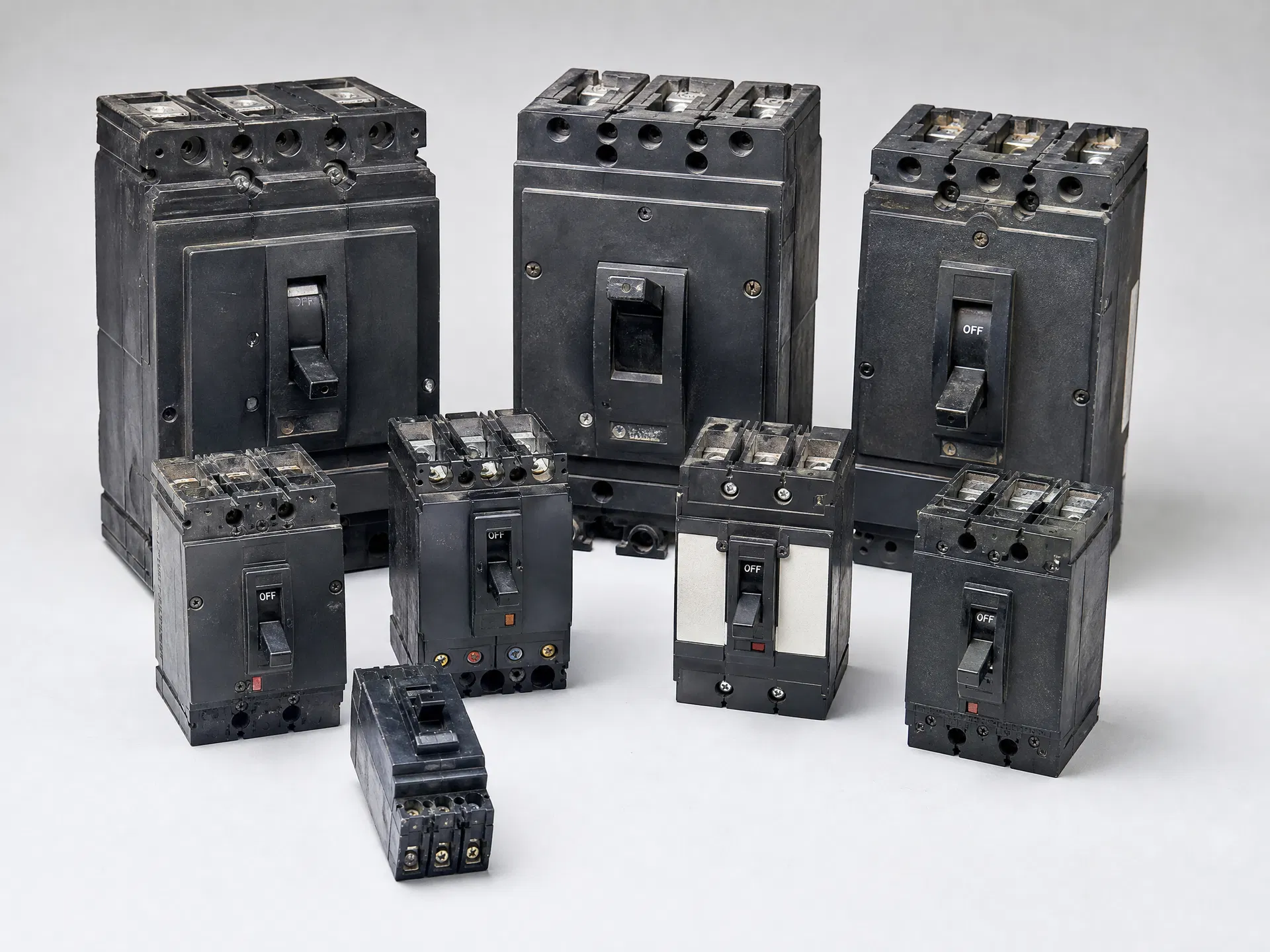
Electrical contractors often find themselves grappling with a common yet costly dilemma: accumulating surplus inventory of circuit breakers, switchgear, and electrical panels that remain unused for months or even years. Whether it’s over-ordering to meet tight project deadlines, last-minute design changes, or cancellations, this idle stock tends to pile up in warehouses, storage units, or even on job sites. While having extra equipment on hand might initially seem like a safety net, the reality is that these surplus breakers and panels quickly become financial deadweight, tying up valuable capital that could otherwise be reinvested in active projects or operational growth.
Consider a mid-sized electrical contractor based in Houston who recently completed a multi-story commercial project. During procurement, the team ordered an excess of Square D QO circuit breakers to ensure they had enough on-site for last-minute adjustments. However, changes in the project scope led to many of these breakers never being installed. Months later, the contractor’s warehouse is cluttered with dozens of these unused breakers, including high-amperage models like the QO250, which alone cost upwards of $70 each. Not only do these surplus items consume precious warehouse space, but they also represent a sunk cost that doesn’t generate any return. The same scenario often plays out with electrical panels and switchgear, where unused large-scale components such as Siemens or Eaton panels can occupy significant floor area and require specialized storage conditions.
For contractors in bustling markets like Dallas or Houston, the challenge is even more pronounced. These regions have dynamic construction environments where project requirements shift rapidly, leading to frequent overstock situations. Without a strategic plan to manage or liquidate this surplus inventory, contractors risk not only cash flow issues but also operational inefficiencies from navigating cluttered storage spaces.
Fortunately, there is a pragmatic solution that allows contractors to convert their excess inventory into working capital: selling surplus breakers for cash. Many specialized buyers and recycling programs offer competitive rates, providing an opportunity to reclaim substantial funds from otherwise dormant assets. Whether you have a few dozen Siemens breakers or pallets of Eaton panels, understanding how to effectively sell your surplus inventory can boost your bottom line and free up crucial warehouse space. In this blog post, we’ll explore actionable strategies to help contractors turn overstocked electrical equipment into cash quickly and efficiently, helping you streamline operations and maintain financial agility in a competitive market.
Why Electrical Contractors Accumulate Surplus Inventory
Electrical contractors frequently find themselves carrying surplus inventory, a phenomenon that is often misunderstood outside the industry. This surplus is not simply the result of poor planning or inefficiency; rather, it arises from a combination of strategic decisions, project dynamics, and unforeseen circumstances that are inherent to the nature of commercial and industrial electrical work. Understanding why contractors accumulate surplus equipment like transformers, bus plugs, and other critical components requires an in-depth look at the operational realities they face.
One of the primary reasons contractors accumulate surplus inventory is over-ordering driven by the need for safety margins. In complex commercial projects—such as the construction of a multi-story office building or a manufacturing facility—delays caused by missing parts can be costly and cause cascading schedule setbacks. As a precaution, contractors often order more equipment than the exact calculated requirement. For instance, a contractor installing a medium-voltage electrical distribution system might order additional transformers beyond the initially specified quantity. This approach acts as a buffer against potential damage during installation or late-stage design changes. It is not uncommon for contractors to purchase extra units of high-demand components from reputable manufacturers like Square D or Siemens, ensuring that they have immediate replacements on hand. While this strategy mitigates risk, it inevitably leads to surplus inventory once the project concludes, especially if the safety margin was more conservative than necessary.
Another significant factor contributing to surplus inventory is the frequent occurrence of change orders and scope creep during the lifecycle of a project. Commercial and industrial projects are notorious for evolving specifications as engineers and project managers respond to new requirements or challenges discovered during construction. For example, in a large industrial plant upgrade, initial plans might call for a certain number of bus plugs/busway units to connect electrical panels. Midway through the project, engineers might revise the electrical distribution layout due to new equipment installations or regulatory compliance changes, reducing the number of bus plugs needed or substituting them with alternative configurations. This forces contractors to retain the previously ordered bus plugs, which are often custom-sized or specialized, resulting in surplus stock. Such scenarios are common with contractors working in regions like Atlanta, where industrial growth and retrofits lead to dynamic project scopes. The financial impact of these changes can be significant, as surplus components may be costly, and their resale or reuse depends on finding matching projects or buyers.
Cancelled projects and abandoned jobs also play an outsized role in the accumulation of surplus inventory. Economic downturns, permitting issues, or client-side budget reevaluations can abruptly halt construction projects. Imagine a contractor working on a new commercial high-rise that requires an array of equipment, including transformers and busway systems from trusted brands such as Square D and Siemens. If the project is cancelled after equipment has been ordered and delivered, the contractor is left holding expensive, specialized inventory with limited immediate use. This is particularly impactful in industrial settings where equipment specifications are highly tailored. For example, a contractor may have procured a batch of custom-rated transformers designed for a specific voltage and load profile. With the project abandoned, these units become surplus. Moreover, storage and maintenance costs for such large, heavy equipment further compound the financial burden on contractors.
The interplay of these factors—over-ordering for safety, evolving project scopes, and project cancellations—creates a complex inventory management challenge. Contractors must balance the need to avoid costly downtime against the risk of ending up with surplus equipment that ties up capital and storage resources. This surplus inventory often includes premium equipment from leading manufacturers like Square D and Siemens, whose products are integral to reliable electrical system performance. For instance, contractors might accumulate surplus Square D circuit breakers or Siemens transformers that are perfectly functional but no longer required due to project changes.
In many cases, contractors attempt to mitigate these risks by establishing resale relationships or partnering with specialized buyers who understand the value and specifications of surplus electrical equipment. Locations with high industrial activity, such as Atlanta, often support a secondary market where contractors can offload surplus transformers, bus plugs, and other equipment efficiently. This secondary market helps contractors recoup some of their investment and frees up valuable warehouse space.
In conclusion, surplus inventory accumulation by electrical contractors is a multifaceted issue rooted in the practical necessities of managing large-scale commercial and industrial projects. Over-ordering for safety margins, ongoing design changes, and project cancellations each contribute significantly to the surplus of critical equipment such as transformers and bus plugs. Recognizing these underlying causes helps stakeholders appreciate the complexities contractors face and underscores the importance of effective surplus equipment management and resale strategies in the electrical contracting industry.
Understanding the Types of Surplus Electrical Equipment
When sourcing surplus electrical equipment, particularly circuit breakers and switchgear, understanding the distinctions between different conditions of surplus stock is critical for making informed purchasing decisions. Surplus electrical equipment typically falls into three primary categories: New-in-Box (NIB), New-out-of-Box (NOB), and Pulled or Used equipment. Each condition impacts the equipment’s value, reliability, and suitability for various applications, and buyers must carefully evaluate these factors based on their specific project needs.
New-in-Box (NIB) Surplus represents the highest tier of surplus electrical equipment. These items are factory sealed, never removed from their original packaging, and have not been energized or installed. Because NIB stock comes directly from the manufacturer without any prior use or exposure, it carries the full warranty and retains maximum resale value. For instance, a Square D QO 20 Amp 1-Pole circuit breaker in NIB condition is identical to brand-new equipment you’d purchase from a distributor. Buyers seeking absolute reliability and factory-backed certification gravitate toward NIB surplus, especially for critical applications in industrial or commercial settings. This category is prevalent among premium brands such as Eaton/Cutler-Hammer, General Electric, and Siemens. The NIB condition also simplifies compliance with warranty and inspection requirements, a vital consideration for engineers and contractors working on projects in regions like Chicago or Los Angeles, where stringent electrical codes are enforced.
In contrast, New-out-of-Box (NOB) Surplus refers to equipment that is technically new and unused but is no longer in its original packaging. This can occur due to bulk unpacking, repackaging, or partial handling during storage. While NOB breakers and switchgear have never been energized or installed, the absence of factory seals and original packaging means they typically carry slightly less value than NIB. For example, a Siemens BQD 3-Pole 100 Amp breaker in NOB condition will function identically to NIB stock but might lack the factory seal or documentation. Buyers must exercise due diligence to verify the equipment’s authenticity and ensure it has not been tampered with or damaged. In many cases, sellers will provide test certifications or visual inspections to confirm the unit’s pristine condition. NOB surplus often appeals to buyers looking to balance cost savings with reliability, especially in budget-sensitive projects where new equipment is desired but strict packaging requirements are relaxed.
The final and most complex category is Pulled Equipment and Used Breakers. These are breakers and switchgear removed from service during upgrades, retrofits, or demolitions — processes often termed as circuit breaker removal. Pulled equipment spans a broad spectrum of conditions, from relatively lightly used to heavily worn or obsolete units. For instance, a GE Spectra 15 Amp 1-Pole breaker pulled from an office building retrofit may still have significant life left but will not have factory warranties. Buyers must carefully assess the operational history, visual wear, and any signs of damage or corrosion. Testing and refurbishment are frequently necessary to ensure reliability. While used breakers offer substantial cost savings, they present risks if purchased without proper inspection and certification. In real-world scenarios, contractors replacing switchboards in Chicago or Los Angeles frequently rely on trusted surplus dealers who specialize in refurbishing and certifying pulled breakers from reputable brands like Square D, Siemens, and Eaton/Cutler-Hammer.
Evaluating these different surplus conditions requires a nuanced understanding of both technical and logistical factors. Buyers typically start by identifying the brand and model compatibility for their existing electrical systems. For example, if a facility uses Square D QO panels, sourcing compatible QO breakers—even in surplus form—is essential to maintain system integrity. Next, understanding the intended application helps determine the acceptable condition: mission-critical environments often necessitate NIB or at least NOB equipment, while non-critical or temporary installations may permit used breakers. Verification methods include physical inspection, operational testing, and reviewing certification documents. Buyers also consider the lead times and availability; NIB stock can be scarce and expensive, while pulled or used equipment is more readily available and cost-effective but requires additional vetting.
In sum, distinguishing between NIB, NOB, and used surplus electrical equipment is fundamental for electrical contractors, facility managers, and procurement specialists seeking optimal balance between cost, reliability, and compliance. Brands like General Electric, Eaton/Cutler-Hammer, Square D, Siemens, and GE Spectra dominate the surplus market, but the condition and provenance of each item dictate its suitability. Working with reputable surplus suppliers who provide detailed condition reports and testing results ensures buyers in major markets such as Chicago and Los Angeles can confidently acquire the right equipment for their projects.
How to Sell Contractor Overstock for Maximum Cash
Contractors frequently accumulate surplus electrical equipment and circuit breakers due to project changes, order overages, or cancellations. While this excess inventory can quickly become a storage headache, it also represents untapped cash flow if sold properly. Maximizing the returns from your contractor overstock requires a strategic approach—from detailed inventory to finding the right buyer and understanding logistics. Here’s a comprehensive, step-by-step guide designed to help contractors sell their surplus efficiently and profitably.
1. Inventorying Your Surplus
The first and arguably most important step in selling contractor overstock is creating a meticulous inventory list. Start by gathering all the surplus items in one place. This includes circuit breakers, panelboards, transformers, switches, and any other electrical equipment left over from projects. Each item should be cataloged with specific part numbers, manufacturer details, model numbers, amperage ratings, and voltage specifications. For example, if you have Square D QO circuit breakers, note down the exact model such as QO120CP or QO230CP to provide precise identification for buyers.
Equally important is assessing the condition of each item. Are they brand new, unopened in the original packaging? Or are they used but fully functional? Documenting the condition helps buyers assess value and enables you to set realistic price expectations. Photographs, especially close-ups of serial and model numbers, can also speed up the quoting process.
This detailed inventory not only streamlines your sale but also prevents undervaluing your items. When you decide to sell circuit breakers or other electrical equipment, having an exact list ensures you get accurate quotes and fair market value. Contractors who skip this step often receive lower offers or waste time negotiating because of unclear or incomplete information.
2. Finding the Right Buyer
Once your inventory is ready, the next critical step is finding the right buyer. Many contractors initially consider local scrap yards or online marketplaces like eBay or Craigslist to offload surplus. While these options may seem convenient, they often yield significantly lower returns. Scrap yards primarily pay for metal content, disregarding the functional value of electrical components, which is why understanding the difference between scrap vs resale is crucial.
Instead, selling to a specialized, nationwide buyer who focuses exclusively on electrical equipment is a smarter move. These buyers have extensive networks and the technical knowledge to value your surplus correctly. They often deal in large volumes and can offer competitive pricing that local buyers simply cannot match. Additionally, specialized buyers understand industry standards and can handle a wide range of equipment brands and models, from Siemens to GE and Eaton.
For contractors located in major markets like Denver or Nashville, working with a local branch of a nationwide buyer ensures personalized service combined with efficient logistics. For example, if you’re in Denver, partnering with a Denver circuit breaker buyer means quicker turnaround times and local expertise in handling your inventory. Similarly, Nashville contractors can benefit from a Nashville circuit breaker buyer who understands regional demand and can expedite the sale process.
3. The Quoting and Shipping Process
After identifying a reputable buyer, the quoting process typically begins with submitting your detailed inventory list along with photos. Specialized buyers often provide free, no-obligation quotes usually within 24 to 48 hours. Because they understand the market, their offers reflect current demand and equipment condition. For example, if you want to sell circuit breakers from brands like Square D or Cutler-Hammer, expect a fair market price that reflects their resale value rather than scrap metal value.
Once you accept the quote, the logistics process kicks in. Many specialized buyers offer free pickup services, which is a significant advantage for contractors dealing with bulky or heavy electrical equipment. This service eliminates the need for you to arrange transportation, saving time and money. The buyer’s logistics teams handle everything from loading to shipping, ensuring your surplus arrives safely at their facility.
Payment terms are another critical advantage. Reputable buyers often provide same-day payment or payment within 24 hours of receiving your shipment. This rapid turnaround helps contractors maintain cash flow and reinvest in new projects or inventory without delay.
By following these steps—starting with a comprehensive inventory, selecting a specialized nationwide buyer, and leveraging streamlined logistics and payment processes—contractors can maximize cash returns from their overstock. Whether you want to sell circuit breakers or broader electrical equipment, working with professionals ensures a smooth experience and the best financial outcome. For additional information on selling surplus inventory or to get started, consider visiting resources on how to sell circuit breakers or sell electrical equipment. Understanding the nuances of scrap vs resale will also empower you to make informed decisions that benefit your bottom line.
Pricing Dynamics: New Surplus vs. Used Equipment
When evaluating the pricing of surplus circuit breakers, several critical factors come into play that determine the overall value and resale potential of the equipment. Unlike brand-new breakers purchased directly from manufacturers or authorized distributors, surplus equipment—whether new old stock (NOS), new in box (NIB), or used—commands a pricing structure influenced by brand reputation, amperage rating, frame size, current market demand, and the physical and operational condition of the breaker.
One of the most significant determinants of value is the brand itself. High-quality and widely recognized manufacturers like ABB and Westinghouse consistently retain higher resale values in the secondary market. The reason lies in their proven reliability, availability of replacement parts, and extensive service networks. For instance, ABB breakers with specific certifications for industrial applications or those designed for high-interrupting capacities often maintain a premium price even in surplus conditions. Conversely, lesser-known or discontinued brands may face depreciation due to limited market demand and difficulty in sourcing compatible accessories or spares.
The amperage rating and frame size of the breaker also heavily influence pricing. Breakers with higher amperage ratings, such as 800A or above, tend to command higher prices due to their specialized use in commercial or industrial power distribution systems. These larger frame sizes are generally less common on the secondary market, making them more valuable when available. However, smaller breakers like 100A or 250A models, while more abundant, may have fluctuating prices based on supply and demand dynamics in specific regional markets. For example, a 250A breaker in a city like Miami, where there is significant construction and industrial activity, might fetch a better price compared to less active markets.
Market demand fluctuates based on economic cycles, construction trends, and replacement needs. When new construction projects boom or when industrial plants upgrade their electrical infrastructure, the demand for both new surplus and used breakers can spike. In such scenarios, breakers that are NIB or NOS can sell close to new retail prices, especially if they are for popular models or brands. Conversely, in a slow market or during economic downturns, pricing pressures increase for used breakers, and sellers may have to accept lower offers to move inventory.
The condition of the breaker is another critical factor. New In Box (NIB) breakers usually come with full manufacturer warranties and certifications, which drives up their value. New Old Stock (NOS) breakers may be decades old but unused; their value depends on how well they have been stored and whether they meet current electrical codes. Used breakers are the most variable in pricing because their condition can range from lightly used and fully functional to heavily worn or even damaged. Buyers often require detailed testing or certification reports before committing to purchase used breakers, which can affect price negotiations.
The following table summarizes estimated resale value factors for some common breaker models across different conditions. These values are indicative and can vary based on specific market trends and geographic locations such as Seattle or Miami.
Estimated Resale Value Factors for Common Breakers
| Model (Amperage / Frame Size) | Condition | Approximate Resale Value (% of New Retail) |
|---|---|---|
| 100A / Frame Size 1 | NIB | 85% - 95% |
| NOS | 70% - 85% | |
| Used | 40% - 65% | |
| 250A / Frame Size 2 | NIB | 80% - 90% |
| NOS | 65% - 80% | |
| Used | 35% - 60% | |
| 800A / Frame Size 4 | NIB | 90% - 98% |
| NOS | 75% - 90% | |
| Used | 50% - 70% |
These percentages reflect general market tendencies and can be affected by other factors such as technological obsolescence or changes in electrical standards. For example, a 100A breaker that is NIB from a brand like ABB might command closer to 95% of the retail price if it matches current industry specs. On the other hand, a used 250A Westinghouse breaker might sell for as low as 35% of new retail if it shows considerable wear or lacks certification.
Understanding these pricing dynamics is essential for both buyers and sellers of surplus breakers. If you want more detailed insights into the methodology behind these valuations, you can explore how we price circuit breakers based on market intelligence and testing data. Whether you are located in Miami, Seattle, or any other industrial hub, grasping the nuances of surplus breaker valuation ensures you make informed purchasing or selling decisions that optimize value without compromising safety or performance.
Tax Implications of Selling Surplus Inventory
For businesses holding surplus or obsolete electrical equipment such as outdated switchgear or excess circuit breakers, liquidating this inventory can have significant financial and tax benefits. One of the primary advantages is the ability to convert dead stock into working capital, which can be reinvested into more current and profitable product lines. From a tax perspective, selling surplus inventory may impact your financial statements and tax liabilities in several ways, including capital gains recognition, inventory write-downs, and cost recovery strategies.
When you sell surplus inventory, the proceeds are generally treated as ordinary income. However, if the items have been held for an extended period, the sale may trigger capital gains or losses depending on the original purchase cost versus the liquidation price. For example, if you acquired a batch of Phoenix circuit breakers several years ago at a premium price but can only sell them at a discount today, the difference between the sale price and the adjusted basis in your books may be recognized as a capital loss. This loss can offset other taxable gains, potentially reducing your overall tax burden. Conversely, if you sell the inventory for a price higher than the book value—perhaps due to increased demand for certain vintage switchgear models—the resulting capital gain will need to be reported as taxable income.
Another important consideration is the option to write down inventory values before selling. Accounting for obsolete or excess stock through an inventory write-down allows you to adjust the carrying value on your balance sheet to reflect the lower market value. This write-down reduces taxable income in the current fiscal year, providing an immediate tax benefit. When the inventory is eventually sold, the sale proceeds are offset against the written-down value, ensuring that you do not pay tax twice on the same inventory value.
Beyond tax accounting, liquidating surplus inventory offers operational advantages. Excess equipment occupies valuable warehouse space that could otherwise be used for faster-moving items or new product lines, such as the latest circuit breakers featured in our guide on How to Sell Used Circuit Breakers. By freeing up this space, businesses can reduce storage costs and improve inventory turnover ratios, further enhancing financial health.
While these general principles apply broadly, tax laws and regulations can vary significantly based on location and specific business circumstances. It is highly advisable to consult a qualified tax professional to develop a tailored strategy that maximizes your financial benefits while ensuring compliance. If you are considering liquidating your surplus electrical inventory, including specialized equipment like switchgear or Phoenix breakers, partnering with an experienced buyer can also streamline the process and help you achieve the best possible return.
Building a Long-Term Relationship with a Surplus Buyer
For contractors and electrical professionals, maintaining an ongoing relationship with a reliable surplus buyer is not merely a convenience—it’s a strategic asset that can significantly streamline business operations. When handling surplus inventory, especially specialized equipment such as Square D or Siemens circuit breakers, having a trusted buyer means you avoid the time-consuming and often unpredictable process of finding new purchasers for each batch of excess stock. Instead, you establish a consistent, dependable channel for liquidation, allowing you to focus on your core business activities: project management, installation, and client service.
One of the primary benefits of a long-term partnership with a surplus buyer is operational efficiency. Contractors frequently face rapid project turnover and shifting demand for specific electrical components. Surplus inventory, if not managed properly, can clutter storage spaces, tie up capital, and create logistical headaches. By working regularly with a surplus buyer who understands the nuances of electrical equipment, such as the Square D QO series or Siemens ITE breakers, you ensure that your excess materials are promptly and properly evaluated. This reduces downtime and administrative overhead, freeing your team to prioritize ongoing contracts and growth initiatives rather than inventory sales. For example, a contractor completing a large retrofit project might have hundreds of Square D breakers leftover; selling them through a repeat buyer familiar with these models can expedite the process and maximize return.
Moreover, these buyers often provide fair market valuations based on current demand trends, helping you avoid the pitfalls of undervaluing or overestimating the worth of your surplus stock. Whether you have older Siemens breakers like the Siemens QP series or more recent models, a reputable buyer will have the expertise to assess their condition and marketability accurately. This ensures that you receive competitive offers regularly, creating a predictable revenue stream from materials that would otherwise sit idle.
Additionally, geographic reach also matters when establishing a long-term surplus buyer relationship. Many buyers operate across multiple locations, enabling contractors from various regions to access consistent service and support. Whether you are based in a metropolitan area or a more remote location, partnering with a buyer that offers extensive locations coverage ensures you can coordinate shipments and pickups efficiently without the hassle of finding new buyers in each area.
For contractors looking to streamline surplus liquidation, it’s worth exploring resources such as Who Buys Square D Breakers and Who Buys Siemens Breakers. These guides provide insights into market demand and reputable buyers specializing in these popular brands, reinforcing the value of establishing enduring partnerships. Ultimately, building a long-term relationship with a surplus buyer transforms surplus management from a burdensome task into a strategic advantage that supports sustained business growth.
Tips for Organizing Inventory for Quick Quoting
For contractors who regularly handle surplus electrical equipment such as circuit breakers, transformers, and panelboards, organizing inventory efficiently is crucial to streamlining the quoting process. When you need to provide fast, accurate quotes to clients or suppliers, the way you store and catalog your surplus can make a significant difference. Taking the time to implement a few strategic organizational practices not only saves time but also minimizes errors and improves overall workflow.
One of the most effective ways to simplify quoting is to maintain clear, high-quality photographs of each item’s nameplate or label. The nameplate typically contains essential information such as the manufacturer, model number, voltage rating, interrupting capacity, and other technical specifications. When these details are clearly documented, you can quickly reference or send them to potential buyers without physically searching through your entire inventory. For instance, a Square D QO 3-pole, 100A circuit breaker will have very specific specs that need to be confirmed, and a clear photo of the nameplate eliminates guesswork. Consider creating a digital catalog where each photograph is linked to a detailed description and any relevant purchase or maintenance records.
In addition to photographing nameplates, preserving the original packaging and keeping boxes intact can greatly aid in the quoting process. Boxes often contain barcodes, additional labels, and manufacturer information that may not be evident on the equipment itself. When the original packaging is available, it adds an extra layer of verification and often reassures buyers about the condition and authenticity of the equipment. For example, if you have surplus Siemens ED43B circuit breakers, having the original box with its barcode and part number visible can expedite the quoting and sale process by providing immediate confirmation of the product's identity.
Grouping similar items together is another fundamental organizational strategy. By categorizing inventory based on manufacturer, type, amperage rating, or application, you create a logical system that reduces the time spent locating specific components. For example, all GE THQL breakers rated at 20A can be stored in the same section or shelving unit, while higher-amperage or different series breakers are grouped separately. This approach is especially helpful when preparing quotes that involve multiple items, as it allows quick counting and verification of quantities, eliminating the need to sift through mixed piles.
Utilizing inventory management software tailored for electrical equipment can further enhance this process by integrating your photographs, descriptions, and stock levels into a searchable database. This digital approach complements physical organization and ensures that your quoting process is both fast and reliable.
If you need personalized advice on managing your surplus inventory or have questions about specific equipment types, don’t hesitate to contact our team. Reviewing your recent purchases can also help in maintaining accurate records and identifying items that are prime candidates for resale or reuse. An organized inventory not only speeds up quoting but also maximizes the value you get from your surplus electrical equipment.
Frequently Asked Questions About Selling Contractor Overstock
Do you buy obsolete or discontinued breakers?
Yes, we do purchase obsolete or discontinued circuit breakers, provided they are in good condition and meet safety standards. Many contractors and electrical distributors accumulate surplus stock of breakers that are no longer manufactured or supported by the original equipment manufacturers (OEMs). Although these breakers may be out of production, there is still significant demand for them in maintenance, retrofit, and repair projects where replacement parts must match existing equipment exactly. For example, vintage Square D QO or Siemens MG breakers, even if discontinued, often have a market among contractors servicing older commercial or industrial installations. When selling such breakers, it is important to provide detailed information, including model numbers, amperage ratings, and any certification labels, to enable accurate assessment and pricing. Our evaluation process includes verifying the breaker’s compatibility and condition to ensure it can be safely resold or recycled.
How fast can I get paid?
Payment speed depends on several factors, such as the quantity of equipment, condition, and your preferred payment method. Typically, once we receive and inspect the overstock items, payments can be processed within 3 to 7 business days. For smaller lots or commonly stocked breakers, payment may be expedited even faster. If you provide detailed and accurate information upfront, including photos and serial numbers, this can accelerate the evaluation and offer process. We offer various payment options including wire transfer, check, or direct deposit, allowing you to choose the most convenient method. In cases involving large switchgear or complex equipment, additional inspection time may be required, but we strive to maintain transparency and timely communication throughout the transaction.
Do I need to test the breakers before selling?
While it is not always mandatory for sellers to test circuit breakers prior to sale, having proof of functional testing can significantly improve the resale value and buyer confidence. Many buyers prefer breakers that have been tested for proper trip functionality, insulation resistance, and mechanical operation, especially for surplus equipment intended for reuse rather than scrap. If you possess test reports from a certified technician or testing facility, providing these documents at the time of sale can streamline the evaluation and increase the offer price. However, if testing is not feasible for your overstock, we still accept breakers “as-is” and will make offers based on visual inspection and model specifications. For safety and liability reasons, breakers showing signs of damage, corrosion, or tampering are generally not accepted unless intended for scrap or parts.
Will you pick up the equipment from my job site?
Yes, for larger inventories or bulky equipment such as large switchgear, transformers, or pallets of breakers, we often coordinate on-site pickup or arrange for professional freight services. We understand that contractors may have limited time and resources for logistics, so our team works closely with you to schedule pickups that minimize disruption to your job site operations. Typically, we require the equipment to be safely accessible and properly packaged to ensure secure transportation. For smaller quantities or individual breakers, sellers usually ship the items to our facility using standard carriers. If you need assistance with packaging or shipping, we provide guidance and can recommend trusted freight partners experienced in handling electrical equipment.
What if I don't have the original packaging?
Not having the original manufacturer’s packaging is not a barrier to selling your surplus breakers. While original packaging can help protect the breakers during shipping and may increase buyer confidence, many breakers are sold and shipped without their original boxes, especially when they come from large overstock or discontinued lines. We advise sellers to ensure breakers are securely wrapped or placed in sturdy containers to prevent damage during transit. Using anti-static materials, bubble wrap, or foam padding can help protect sensitive components such as trip units and terminals. When sending breakers without original packaging, providing clear photos and detailed descriptions of condition becomes even more important to facilitate accurate evaluation.
Do you buy large switchgear and transformers?
Absolutely. We regularly purchase large electrical equipment including switchgear assemblies, transformers, motor control centers (MCCs), and panelboards from contractors and electrical distributors. These items often represent significant value even as surplus, due to their high cost and demand for reliable used equipment in industrial, commercial, and utility sectors. When selling large switchgear or transformers, providing detailed specifications such as voltage ratings, amperage, manufacturer, model numbers, and any recent maintenance or testing records will help us provide an accurate quote. Because of their size and weight, logistics are a key consideration, so we coordinate closely to facilitate pickup or delivery arrangements. We also assess the condition of insulation, bushings, and mechanical components to determine market viability and resale potential.
Can I sell breakers that have been previously installed but never energized?
Yes, breakers that were previously installed but never energized can often be sold as surplus, provided they have not suffered any damage or excessive wear during installation or removal. These breakers are typically valued higher than used breakers since they have not undergone electrical stress and may still be considered as “like-new” or lightly used. It is important to disclose any signs of physical damage, missing parts, or modifications since such factors affect safety and resale price. If you have breakers removed from a canceled project or over-ordered for a job, ensure they have been stored in a clean, dry environment to prevent corrosion. We recommend supplying photographs and any documentation regarding installation history to support your sale.
How do you ensure the breakers you buy meet safety standards?
Safety is paramount when dealing with electrical equipment resale. We perform a rigorous screening process to confirm that breakers meet applicable UL, IEC, or other regional safety certifications before resale. Our inspection includes verifying the integrity of trip units, mechanical operation, and absence of physical defects such as cracks or corrosion. We also review any available test reports or manufacturer documentation. Breakers that do not meet safety requirements are typically either returned to the seller or recycled responsibly. By maintaining strict quality control, we protect end users and uphold our reputation as a trusted source for surplus electrical equipment. This commitment also ensures compliance with industry regulations and helps contractors safely recoup value from their overstock.
Maximizing the value of your surplus electrical equipment not only frees up valuable space but also turns unused assets into immediate cash flow for your business. Whether you’re upgrading your facility, downsizing, or simply clearing out obsolete inventory, selling surplus breakers, transformers, switchgear, and other electrical components can provide significant financial benefits. By partnering with a trusted buyer who understands the technical specifications and market demand, you ensure a smooth transaction that respects the value of your equipment. From industrial-grade Siemens 3VA molded case breakers to vintage General Electric circuit breakers, every piece matters when it comes to recouping costs and supporting sustainable reuse. Don’t let your surplus equipment gather dust or depreciate further when you can convert it into working capital quickly and efficiently. Taking prompt action is the smartest choice for your business’s bottom line and operational efficiency.
Ready to Sell? Get Your Free Quote Today
Circuit Breaker Buyer USA purchases electrical equipment from sellers in all 50 states. We pay top dollar, provide free on-site pickup, and issue same-day payment.
Call (951) 903-9804 or submit your equipment online for a free, no-obligation quote within 24 hours.
See real examples of what we pay on our recent purchases page.
Ready for a quote?
Call Circuit Breaker Buyer USA for a fast, no-obligation offer on your equipment.