Selling to a Breaker Buyer vs. Scrapping: What Pays More? (Real Numbers)
When electrical contractors, facility managers, and demolition crews find themselves with surplus or used electrical equipment, a common dilemma arises: is it more profitable to sell their equipment directly to a breaker buyer or simply scrap it for its metal content? This decision can significantly impact the bottom line, yet many professionals lack the detailed financial insight necessary to make an informed choice. Understanding the relative value of selling versus scrapping requires a nuanced examination of several factors, including the current scrap market rates, the condition and type of the equipment, and the demand within the resale market.
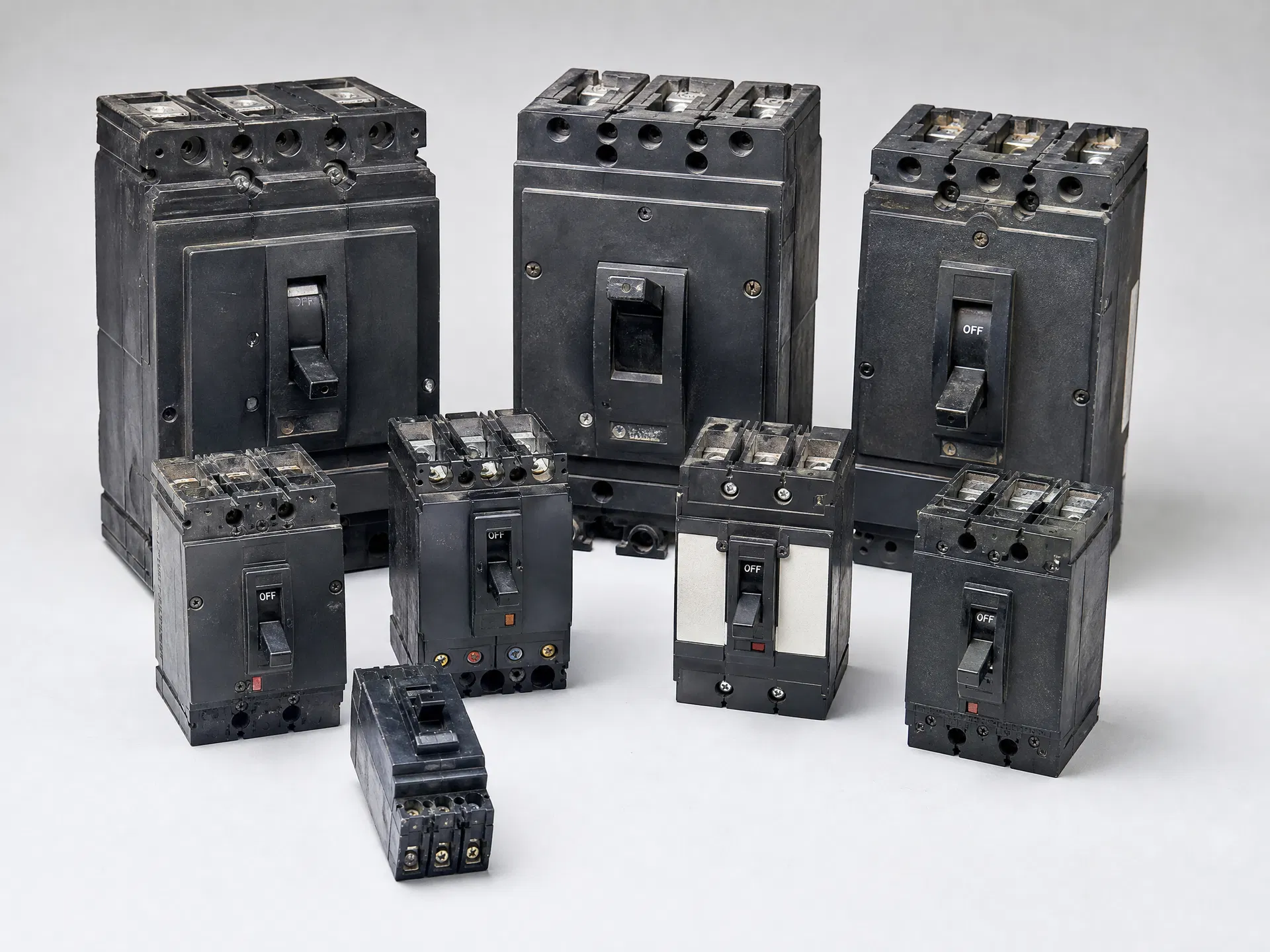
Electrical equipment such as circuit breakers and switchgear often contain valuable components that extend well beyond their raw material content. While scrapping typically accounts for the weight of metals like copper, aluminum, and steel, selling to a dedicated breaker buyer can tap into the equipment’s intrinsic operational and replacement value. For instance, a well-maintained 400A molded case circuit breaker may fetch several times its scrap metal price simply because it remains serviceable and can be reconditioned or resold to other contractors seeking cost-effective alternatives to new units.
In this blog post, we will dive deep into the financial comparisons between selling electrical equipment to a breaker buyer and scrapping it. We will break down real-world scrap value calculations based on today’s commodity prices, highlighting how much you can expect to receive by weight for copper, aluminum, and steel content. Then, we will contrast these figures with actual resale value examples from the secondary market, where equipment is valued not only for its metal but also for its make, model, condition, and manufacturer support.
Additionally, we’ll explore scenarios commonly faced by electrical contractors and facility managers—including equipment from decommissioned industrial plants, office buildings, and data centers—to illustrate how the nature of the equipment and market demand influence profitability. By the end of this analysis, readers will have a clear, data-driven understanding of when it makes better financial sense to sell their used electrical gear versus scrapping it, empowering them to maximize returns and make smarter asset disposition decisions.
The Core Difference: Resale Value vs. Material Value
When it comes to selling electrical equipment, understanding the distinction between resale value and material value is crucial for maximizing returns. These two valuation approaches serve entirely different markets and purposes, and knowing which applies to your equipment can significantly impact your selling strategy.
Resale Value: The Functional Worth of Electrical Equipment
Resale value refers to the price an item commands based on its operational condition, brand reputation, market demand, and remaining useful life. Buyers like Circuit Breaker Buyer USA specialize in evaluating electrical equipment for its functional value. Their assessment goes beyond mere physical components to consider:
- Condition: Is the equipment fully operational or in need of repair? Equipment that is tested, certified, or recently serviced naturally commands higher resale prices.
- Brand and Model: High-quality, reputable brands such as Siemens, Schneider Electric, or ABB tend to retain value better due to their reliability and industry trust.
- Market Demand: Circuit breakers, transformers, switchgear, and other electrical components that are sought after for retrofit projects, maintenance, or expansions often fetch higher prices.
- Compliance and Certifications: Equipment with up-to-date certifications (UL, IEC, ANSI) increases buyer confidence, impacting resale value positively.
In real-world scenarios, companies upgrading their facilities often prefer buying used, but fully functional equipment to save on capital expenses without compromising safety and reliability. This demand supports a thriving market where equipment is valued for what it can do, not just what it's made of.
Material Value: The Scrap or Salvage Perspective
On the other hand, scrap yards and metal recyclers focus exclusively on the material content of the equipment, primarily the quantity of valuable metals such as copper, aluminum, and steel. For these buyers:
- The operational status of the equipment is irrelevant.
- The brand and model do not influence the price.
- The equipment is typically dismantled, shredded, or melted down to extract raw materials.
For example, a circuit breaker with a high copper content will be priced according to the current market rate per pound of copper, irrespective of whether the breaker functions or not. This approach often yields significantly lower returns compared to resale, especially for equipment that still has life left.
Why This Difference Matters
Choosing between selling your equipment based on resale value or material value depends on your priorities, timeline, and the equipment’s condition. If you want to maximize returns and have equipment in good working order, selling to specialized buyers like Circuit Breaker Buyer USA is the better choice. However, if the equipment is obsolete, damaged beyond repair, or you need quick disposal, selling for scrap might be more practical.
To learn more about how to maximize your returns and decide the best route, check our detailed guides on selling electrical equipment and the nuances of scrap vs resale. Understanding these differences empowers you to make informed decisions and get the best value for your electrical assets.
Scrap Value Calculations: The Math Behind the Metal
When evaluating the scrap value of electrical equipment such as circuit breakers, transformers, and electrical panels, understanding the intricate math behind metal content is essential. Scrap value is fundamentally a function of the weight of recoverable metals multiplied by their current market price per pound. Yet, the real-world profitability hinges on several nuanced factors — from the type of metal inside to the labor required for dismantling and separation. Below, we break down these aspects with detailed examples and practical considerations.
Copper vs. Aluminum Content
Copper and aluminum are the predominant metals recovered from electrical equipment scrap, each with vastly different market values and physical properties that affect their salvageability.
Copper is highly prized in the scrap market due to its excellent electrical conductivity, durability, and scarcity relative to aluminum. Scrap copper categories are often classified by purity and condition:
-
Bare Bright Copper: This is the highest grade of copper scrap, consisting of clean, uncoated, unalloyed copper wire or pieces. It commands the highest price, typically ranging from $3.50 to $4.50 per pound depending on market fluctuations.
-
#1 Copper: Slightly lower grade than bare bright, #1 copper includes clean copper wire with some minor insulation or oxidation. Prices usually fall between $3.00 and $3.75 per pound.
-
#2 Copper: Contains more impurities or insulation and commands lower prices, often $2.00 to $3.00 per pound.
By contrast, Aluminum is lighter and less valuable per pound, generally trading between $0.30 and $0.75 per pound depending on the alloy and market demand. However, aluminum is abundant in electrical equipment, especially in transformers and certain breaker components, making it a significant contributor to scrap weight.
Example Calculation:
Suppose you dismantle a transformer weighing 50 pounds. The metal content analysis reveals:
- 20 lbs of bare bright copper
- 15 lbs of aluminum
- 15 lbs of steel (usually scrap steel is much less valuable, around $0.10 to $0.15/lb)
Using current average scrap prices:
- Copper: 20 lbs × $4.00 = $80.00
- Aluminum: 15 lbs × $0.50 = $7.50
- Steel: 15 lbs × $0.12 = $1.80
Total scrap value = $89.30
This simple multiplication shows the raw potential value, but it doesn’t yet factor in the labor and time required to separate these metals.
Labor Costs of Stripping
While the metal content is the core driver of scrap value, the labor-intensive nature of stripping down breakers, transformers, or electrical panels significantly impacts net profits. The separation process is often meticulous, requiring specialized tools, protective gear, and skilled labor to avoid damage and ensure maximum metal recovery.
Breaking Down Transformers and Breakers
Transformers, for instance, are complex assemblies of copper windings, aluminum cases, steel cores, and insulating materials. Recovering copper wire involves:
- Removing the outer casing and insulating layers
- Carefully pulling or cutting the copper windings without contamination
- Sorting copper from aluminum parts such as bushings or cooling fins
Similarly, circuit breakers contain copper contacts and aluminum housings interspersed with plastics and other composites. Manually dismantling these to isolate pure metal components can take 30 minutes to over an hour per unit, depending on size and complexity.
Labor Time vs. Profitability
Let’s consider a realistic scenario:
- You pay a worker $15/hour to strip scrap.
- It takes 45 minutes to dismantle one transformer yielding $89.30 in scrap.
- Labor cost per transformer = 0.75 hours × $15 = $11.25
- Gross profit before overhead = $89.30 - $11.25 = $78.05
At scale, these labor costs add up. Additionally, factors such as wear on tools, disposal of non-metallic waste, and transportation costs further reduce margins.
Efficiency Considerations
Some buyers opt for semi-automated wire-stripping machines or contract out labor-intensive processes to salvage yards specializing in metal separation. Others prioritize larger equipment with higher metal content to justify labor investments.
For detailed insights on the types of equipment and their metal compositions, see our sections on transformers and electrical panels.
In summary, scrap value calculations start with the straightforward math of weight times price per pound but are complicated by the labor and time required to extract pure metals from complex electrical equipment. Understanding these dynamics helps buyers and sellers make informed decisions about equipment sourcing, processing, and profitability.
Resale Value Examples: Real Numbers for Specific Breaker Models
When evaluating circuit breakers, understanding the financial implications between their resale value and scrap value is crucial for buyers, sellers, and asset managers. Circuit breakers are not only essential electrical safety devices but also valuable assets that can retain significant worth after their initial installation period. This section dives into real-world financial comparisons for ten specific circuit breaker models, illustrating how resale values often far exceed scrap values and why.
Financial Comparison of Scrap vs. Resale Values
Circuit breakers are typically composed of copper, steel, and other metals, giving them a baseline scrap value based on their raw material content. However, their operational integrity, brand reputation, and rarity often contribute to a much higher resale value. Let's examine ten popular models from leading manufacturers:
| Model | Estimated Scrap Value (USD) | Estimated Resale Value (USD) |
|---|---|---|
| Square D HL | $75 | $350 |
| Siemens FXD | $65 | $300 |
| General Electric Spectra | $80 | $400 |
| Eaton/Cutler-Hammer Magnum DS | $70 | $320 |
| ABB SACE | $85 | $380 |
| Westinghouse SPB | $60 | $280 |
| Square D QO | $50 | $220 |
| Siemens VL | $75 | $350 |
| Eaton Cutler-Hammer HFD | $70 | $330 |
| GE THQB | $55 | $250 |
Why Resale Value is Significantly Higher
-
Operational Integrity and Certification
Unlike scrap metal, which is valued solely for its raw materials, circuit breakers retain intrinsic value due to their mechanical and electrical functionality. Before resale, breakers are often tested, serviced, and recertified to meet stringent safety standards. For example, a Square D HL breaker that has been factory-tested and recalibrated can command a resale price multiple times its scrap value. -
Brand Reputation and Reliability
Well-known brands such as Siemens, Eaton/Cutler-Hammer, and General Electric have earned reputations for durability and performance. This reliability means that buyers are willing to pay a premium for breakers from these manufacturers, especially when they are difficult to source new or are compatible with legacy systems. -
Compatibility and Application-Specific Breakers
Certain breakers, like the ABB SACE or Westinghouse SPB, fit specific panelboards or switchgear. In industrial or commercial settings, replacing an incompatible breaker with a new model can mean costly equipment upgrades. The availability of these breakers on the resale market provides cost-effective options for maintenance and expansion, enhancing their resale value. -
Market Demand for Obsolete or Discontinued Models
Some breakers, such as the GE Spectra or Eaton Magnum DS, are no longer manufactured but remain functional in many facilities. The scarcity of replacements elevates their resale value significantly over scrap. Facility managers often prefer buying a tested used breaker rather than retrofitting entire electrical assemblies. -
Cost Savings for Users
Purchasing a breaker with a resale value of $300 instead of a new one priced at $700 to $1,000 represents substantial savings. This cost-effectiveness drives demand in secondary markets, especially for quality breakers from trusted brands like ABB or Westinghouse.
Real-World Scenario: Industrial Plant Breaker Replacement
Consider an industrial plant needing to replace a Siemens FXD breaker that controls a critical 480V motor circuit. A brand-new Siemens breaker of this type may cost between $800 and $1,200. However, sourcing a certified used Siemens FXD breaker at an estimated resale value of $300 provides a cost-efficient solution without compromising reliability. The scrap value, in this case, is only around $65, representing less than 10% of the new breaker price.
If the plant opted to scrap the old breaker, the cost of replacement would be substantial. Instead, purchasing the used unit delivers operational continuity at a fraction of the cost, while the breaker’s tested condition and warranty ensure safety compliance.
Summary
The resale value of circuit breakers is consistently much higher than their scrap value due to their functional integrity, brand prestige, and market demand. Brands like Square D, Siemens, Eaton/Cutler-Hammer, General Electric, ABB, and Westinghouse maintain high resale values due to their proven performance and industry trust. For buyers and asset managers, understanding these financial dynamics helps optimize procurement strategies and maximize asset utilization.
For more detailed brand-specific information and current pricing trends, visit our dedicated brand pages linked above.
Time Investment Comparison: The Hidden Costs
When managing electrical equipment, especially circuit breakers and other heavy-duty components, the decision to scrap old units or sell them to a specialized buyer can significantly impact your operational efficiency. While at first glance scrapping may seem like a straightforward way to dispose of unwanted equipment, the hidden time costs involved often outweigh the perceived benefits. For contractors and facility managers, where every minute counts, understanding this time investment is crucial.
Scrapping Equipment: A Time-Consuming Process
Scrapping electrical equipment involves multiple labor-intensive steps:
-
Disassembly and Sorting
Circuit breakers and related equipment are often bulky and complex. Disassembling them to separate metal types (copper, steel, aluminum) can take hours or even days depending on volume. Sorting is essential because scrap yards pay different rates for various metals, and improper sorting can lead to lower payouts. -
Transport to Scrap Yard
After preparation, the equipment must be loaded onto trucks or trailers and transported to the nearest scrap yard. This step introduces logistical challenges, especially if the facility is located far from recycling centers. Travel time, fuel costs, and vehicle wear add indirect expenses. -
Waiting in Line and Processing Delays
Upon arrival, there’s often a wait time for the scrap yard to process your delivery. This wait can be unpredictable, sometimes extending to hours during peak times. Additionally, scrap yards require paperwork, weight verification, and sometimes inspections, further prolonging the process.
In total, scrapping can consume an entire workday or more, diverting valuable labor away from core business activities. For contractors with tight project timelines or facility managers responsible for ongoing operations, these delays translate directly into lost productivity and revenue.
Selling to Specialized Buyers: Streamlined and Efficient
In contrast, selling to specialized buyers of electrical equipment offers a markedly more efficient alternative:
- Minimal Preparation: Instead of disassembling, sellers simply take clear photos of the equipment. This saves countless hours otherwise spent on sorting and dismantling.
- Instant Quotes: Many specialized buyers provide rapid online or phone quotes based on photos and specifications, removing the need for in-person appraisals.
- Free Pickup Services: Perhaps the biggest time saver is free pickup. Specialized buyers coordinate transportation, arriving on-site to collect equipment without disrupting your schedule.
These streamlined steps drastically reduce the time investment from days to potentially just a few hours, including communication and coordination. For contractors, this means more time on billable jobs, and for facility managers, less disruption to critical maintenance schedules.
Why Time is Money for Contractors and Facility Managers
In the electrical industry, time equates directly to money. Labor costs, project deadlines, and operational uptime all hinge on efficient workflows. Spending excessive time on scrapping equipment not only delays other tasks but can also incur overtime wages and extend project timelines.
By choosing to sell to specialized buyers, professionals can optimize their resource allocation, reduce downtime, and improve cash flow through timely payments. This approach supports smarter project management and facility maintenance, ultimately enhancing profitability.
For more on efficiently removing old equipment, see our guide on circuit breaker removal. To explore how you can get competitive offers quickly, visit our cash for circuit breakers page. Making informed decisions about equipment disposition is key to maximizing both time and financial returns.
Environmental Comparison: Sustainability in Electrical Equipment
In today’s push towards sustainable industrial practices, the electrical equipment sector plays a crucial role in reducing environmental impact. One of the most effective ways to enhance sustainability is through the reuse and refurbishment of electrical equipment, such as circuit breakers, rather than recycling them solely for scrap. This approach not only conserves valuable materials but also significantly lowers the carbon footprint associated with the manufacturing and disposal processes.
Benefits of Reuse and Refurbishment
When electrical equipment is reused or refurbished, its operational life is extended, often by several years. Refurbishment involves a detailed inspection, cleaning, replacement of worn components, and rigorous testing to ensure equipment meets or exceeds original specifications. This process avoids the need for manufacturing new units from raw materials, which is highly energy-intensive.
For example, manufacturing a new circuit breaker requires mining and processing metals like copper and steel, consuming large amounts of energy and producing greenhouse gas emissions. By contrast, refurbishing an existing breaker utilizes fewer resources, reduces waste, and minimizes landfill use. This contributes directly to lower carbon emissions and less environmental degradation.
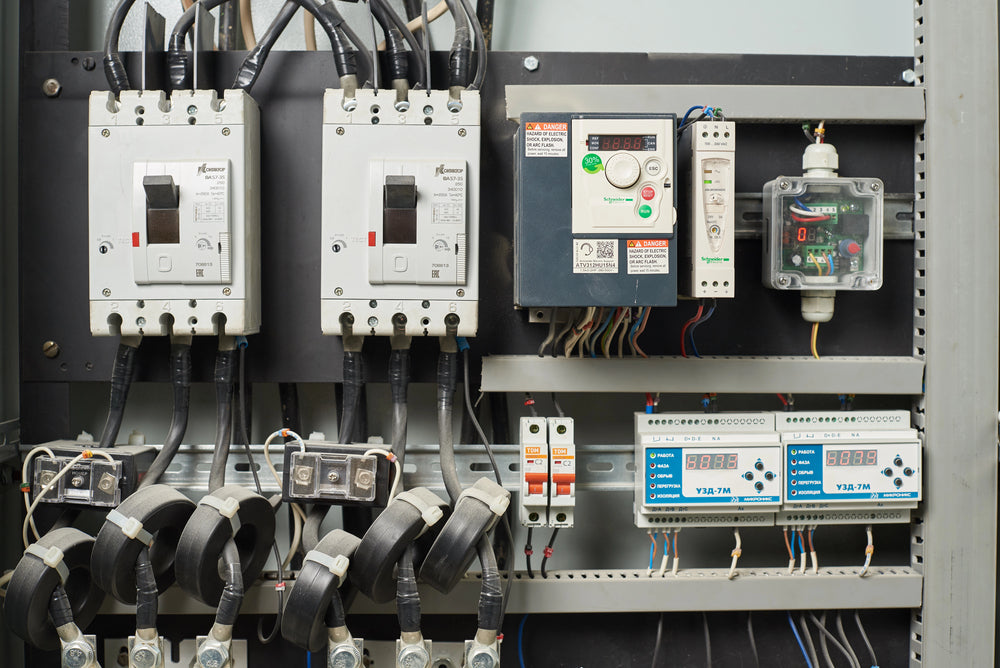
In real-world industrial applications, companies utilizing refurbished breakers and components often see cost savings alongside environmental benefits. For instance, electrical distribution systems employing refurbished breakers connected to bus plugs/busway can maintain operational reliability without the environmental cost of new equipment procurement. This is especially important in large-scale facilities where hundreds of breakers may be in operation.
Carbon Footprint Reduction
Extending the lifecycle of a breaker reduces the embodied energy—the total energy consumed during extraction, manufacturing, transportation, and installation of a new unit. Studies show that refurbishing electrical equipment can cut the embodied energy by 50% or more compared to producing new equipment. This translates into a substantial reduction in CO2 emissions over the equipment’s life.
Moreover, refurbishing supports a circular economy by keeping equipment in use longer, reducing the demand for virgin materials, and promoting energy efficiency. This aligns with corporate sustainability goals and regulatory pressures to lower environmental impact.
For buyers interested in understanding the financial and environmental value of refurbished equipment, our how we price page details the cost benefits and quality assurance processes that support sustainable purchasing decisions.
In summary, choosing to reuse and refurbish electrical equipment rather than recycling it for scrap offers significant environmental advantages. It reduces waste, conserves resources, and lowers carbon emissions—making it a smart, sustainable choice for businesses aiming to minimize their ecological footprint while maintaining reliable electrical infrastructure.
When Scrapping DOES Make Sense
While the electrical equipment market often rewards refurbishment and resale, scrapping certain circuit breakers and related components is not only practical but sometimes the safest and most cost-effective choice. Understanding when scrapping makes sense is crucial for facility managers, electrical contractors, and equipment buyers who want to optimize asset management without compromising safety or compliance.
Scenarios Where Scrapping is the Best Option
-
Severely Damaged Equipment
Circuit breakers that have suffered physical trauma—such as bent or broken mechanical parts, cracked insulating components, or warped housings—often cannot be reliably repaired. For example, a circuit breaker dropped from a significant height or crushed during transport is likely compromised beyond safe reuse. In such cases, scrapping the device prevents hazardous failures and costly liability. -
Water Damage and Corrosion
Electrical equipment exposed to water, humidity, or flood conditions can experience internal corrosion, short circuits, and insulation breakdown. Even if the breaker appears functional after drying out, hidden moisture can cause intermittent faults or premature failure. Scrapping water-damaged circuit breakers removes the risk of unpredictable operation and ensures system integrity. -
Catastrophic Electrical Faults
Equipment that has undergone catastrophic faults—such as internal arcing, explosion, or severe overheating—should be scrapped due to irreversible damage. These failures often leave components brittle, conductive paths compromised, and protective features unreliable. Attempting to refurbish such breakers is both unsafe and typically uneconomical. -
Completely Obsolete Models with Zero Market Demand
Older circuit breakers that are no longer supported by manufacturers, lack replacement parts, or have no resale market may also warrant scrapping. For instance, certain early-generation breakers with outdated trip units or mounting designs may not meet current safety standards or system requirements. Holding onto obsolete stock can incur storage costs and complicate inventory management.
How to Identify When to Scrap
- Visual Inspection: Look for cracks, rust, discoloration, or deformation.
- Operational Testing: If the breaker fails mechanical or electrical tests, scrapping should be considered.
- Manufacturer Guidelines: Check if the model is still supported or if recall notices are in place.
- Market Research: Assess resale value or demand via industry contacts or local buyers.
For businesses located in Texas, trusted local buyers can assist in evaluating whether equipment should be refurbished or scrapped. Consider reaching out to our Houston or Dallas circuit breaker buyers for professional assessments and fair offers.
In summary, although refurbishment often adds value, scrapping severely damaged, water-affected, faulted, or obsolete circuit breakers is a responsible decision that safeguards electrical systems and optimizes resource allocation.
ROI Analysis and Decision Framework for Sellers
For sellers of electrical equipment, particularly circuit breakers, determining whether to scrap or sell your inventory is crucial to maximizing return on investment (ROI). Making an informed choice depends on a careful analysis of several factors—quantity, condition, brand, and geographic location. This framework provides a step-by-step approach to guide sellers through this decision-making process.
Step 1: Assess Quantity and Inventory Volume
The volume of circuit breakers you have plays a significant role in your ROI potential. Larger quantities often attract bulk buyers who can offer better prices per unit, whereas smaller inventories may be more suited for scrapping or selling piecemeal. High-volume sellers should explore nationwide buyers who specialize in bulk purchases to leverage economies of scale.
- Bulk Inventory: Engage with buyers who operate nationwide and have the infrastructure for handling large shipments.
- Small Lots: Consider local or regional buyers to minimize shipping costs or evaluate scrapping if transportation exceeds value.
Step 2: Evaluate Equipment Condition and Testing Status
Condition is paramount. Circuit breakers in good working order or those recently tested and certified hold significantly higher value than untested or damaged units. Buyers prioritize equipment that meets industry safety standards and can be immediately deployed or resold.
- Like-New or Certified Units: These command premium prices and attract end-users or refurbishers.
- Used But Functional: Can still be sold but at reduced rates.
- Non-Functional or Damaged: Usually destined for scrapping unless valuable for parts.
Step 3: Brand and Model Considerations
Brand reputation and model popularity heavily influence resale value. Industry-leading brands such as Siemens, Square D, Eaton, or ABB have established demand due to reliability and widespread compatibility.
- High-Demand Brands: Sellers can expect higher offers.
- Obsolete or Niche Models: May require specialized buyers or scrap consideration.
Step 4: Factor in Geographic Location and Logistics
Although buyers in the circuit breaker market operate nationwide—including hubs in Phoenix, Atlanta, Chicago, and Los Angeles—local logistics impact cost-effectiveness.
- Proximity to Major Buyers: Reduces shipping expenses and turnaround time.
- Remote Locations: May incur higher freight costs, affecting ROI.
- Regional Market Demand: Some circuits breakers have higher demand in specific regions due to industrial concentration or climate factors.
Step 5: Calculate Potential ROI and Make an Informed Decision
Using the data collected:
- Estimate resale value based on condition, brand, and quantity.
- Subtract logistics and handling costs.
- Compare against scrap metal value and disposal fees.
If resale value minus costs exceeds scrap value by a comfortable margin, selling is financially advantageous. Otherwise, scrapping may be the pragmatic choice.
Real-World Scenario
A manufacturing plant in Chicago has 500 Siemens circuit breakers recently decommissioned but fully functional and tested. Given the quantity, brand prestige, and proximity to a Chicago circuit breaker buyer, selling offers a high ROI. Conversely, a small facility in a rural area with 20 older, untested breakers might find scrapping more cost-effective after accounting for shipping.
By systematically applying this ROI analysis and decision framework, sellers can maximize profits while minimizing risk and overhead. Partnering with reputable, nationwide buyers ensures access to competitive offers and streamlined transaction processes.
Frequently Asked Questions (FAQ)
1. Should I sell or scrap my old circuit breakers?
Selling your circuit breakers is generally more profitable than scrapping them. While scrapping involves selling breakers for their raw metal content, typically copper and steel, the payout is often minimal. In contrast, selling breakers to a specialized buyer can fetch significantly higher prices because many breakers retain value due to their components, brand, and functionality. Even if a breaker is used or no longer needed, buyers often refurbish or recycle them responsibly. For equipment owners in areas like Denver or Seattle, selling is a cost-effective way to recover investment and promote sustainable practices.
2. What types of circuit breakers do buyers typically purchase?
Buyers commonly accept a wide range of circuit breakers, including:
- Molded Case Circuit Breakers (MCCB): Used in residential, commercial, and industrial applications, MCCBs are widely sought after.
- Air Circuit Breakers (ACB): Larger breakers used in industrial settings.
- Miniature Circuit Breakers (MCB): Smaller breakers typically found in residential panels.
- Vacuum and SF6 Circuit Breakers: Specialized breakers used in high-voltage applications.
- Busway Breakers and Panelboards: Often included in bulk purchases.
Buyers in markets such as Miami and Nashville actively seek these types due to demand in construction, renovation, and equipment recycling. Specialized breakers from brands like Square D, Siemens, Eaton, and GE are especially valuable.
3. How do I get a quote for selling my circuit breakers?
The quoting process is straightforward. Most circuit breaker buyers offer free, no-obligation quotes based on the breaker’s make, model, condition, and quantity. You can typically submit this information online through their website, by email, or over the phone. It helps to provide photos and serial numbers to get the most accurate quote.
For example, sellers in Denver can visit local buyer websites to upload their inventory details and receive instant or same-day pricing. Some buyers may request an in-person inspection or ask for you to ship the breakers for evaluation before finalizing the offer.
4. Are there shipping costs involved when selling circuit breakers?
Shipping costs depend on the buyer’s location and the volume/weight of your breakers. Some buyers offer free local pickup or pay shipping fees as an incentive, especially for larger lots. This is common in markets like Seattle and Miami, where logistics can be a factor.
If you are shipping breakers to a buyer, packing must be done securely to prevent damage during transit, and you may be responsible for shipping fees unless otherwise agreed. Always clarify shipping arrangements upfront to avoid surprises.
5. How fast can I expect payment after selling circuit breakers?
Payment speed varies by buyer but typically ranges from same-day to within one week after the breakers are received and inspected. Electronic payment methods such as ACH transfer, PayPal, or wire transfer are common for speedy transactions. Some buyers even offer immediate payment upon pickup for local sellers.
For instance, sellers in Nashville have reported receiving payments within 24-48 hours of equipment pickup, which is ideal for companies needing quick cash flow.
6. Can circuit breakers with cosmetic damage or missing parts still be sold?
Yes, many buyers purchase breakers even with cosmetic damage, missing handles, or partial components. While these factors may affect the price, breakers often contain valuable materials or can be refurbished. It is best to disclose these issues when requesting a quote to get an accurate offer.
In real-world scenarios, electrical contractors or facilities managers often sell mixed-condition breakers in bulk, saving costs on disposal and recouping value.
7. Is it environmentally better to sell rather than scrap circuit breakers?
Absolutely. Selling breakers extends their lifecycle by enabling reuse or responsible recycling. This reduces landfill waste and the environmental impact of mining raw materials. Buyers in environmentally conscious regions such as Denver and Seattle often emphasize sustainable handling and refurbishing processes.
8. What should I prepare before contacting a circuit breaker buyer?
Prepare detailed information about your breakers, including:
- Brand and model numbers
- Quantity and amperage ratings
- Condition (new, used, damaged)
- Photos
- Location for pickup or shipping
This information helps buyers provide accurate quotes and streamline the transaction. For sellers in Miami or Nashville, having this data ready can speed up the entire process from quote to payment.
By understanding these key aspects, you can make an informed decision between selling and scrapping your circuit breakers, maximizing returns while minimizing hassle. For city-specific services and offers, explore our dedicated pages for Denver, Nashville, Miami, and Seattle.
Conclusion: Maximizing Your Return on Surplus Equipment
Navigating the resale of surplus electrical equipment requires a strategic approach to unlock maximum value. Whether you’re dealing with unused circuit breakers, outdated switchgear, or excess transformers, understanding the market demand and equipment condition is paramount. Buyers such as Circuit Breaker Buyer USA specialize in purchasing high-quality, surplus electrical components, ensuring sellers receive top dollar for their assets.
Key factors in maximizing your return include proper equipment identification, verification of functionality, and selecting a reputable buyer with a nationwide reach. By partnering with a company experienced in purchasing from all 50 states, you minimize logistical hurdles and expedite the selling process. Free on-site pickup and same-day payment options further streamline your experience, saving time and reducing costs associated with storage and handling.
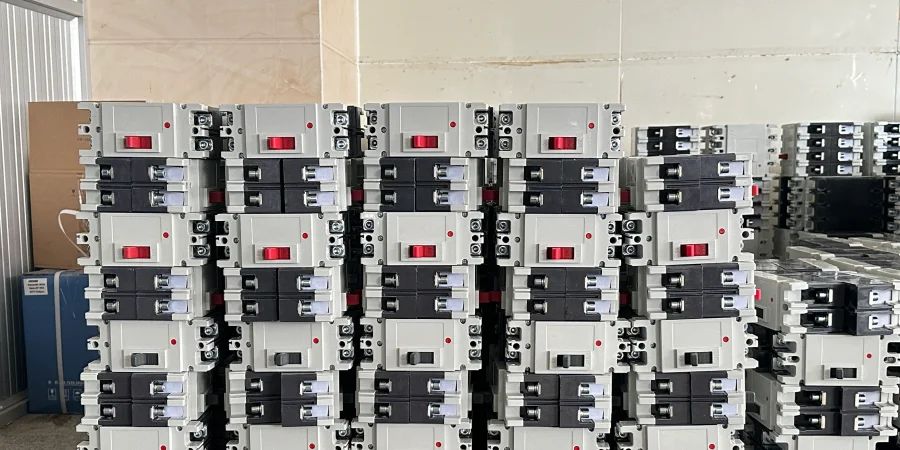
Real-world scenarios highlight how companies with surplus breaker inventory—from large industrial facilities to electrical contractors—have successfully liquidated assets to free up valuable floor space and improve cash flow. Leveraging platforms that specialize in buying and selling equipment, such as Circuit Breaker Buyer USA, offers a seamless pathway to monetize your unused inventory.
For businesses looking to sell circuit breakers and other electrical equipment, utilizing trusted buyers with extensive market knowledge and transparent pricing can significantly enhance profitability. Explore our locations to confirm service availability in your area and visit our dedicated page on how to sell circuit breakers to learn detailed steps for preparing your equipment for sale.
Ready to Sell? Get Your Free Quote Today
Circuit Breaker Buyer USA purchases electrical equipment from sellers in all 50 states. We pay top dollar, provide free on-site pickup, and issue same-day payment.
Call (951) 903-9804 or submit your equipment online for a free, no-obligation quote within 24 hours.
See real examples of what we pay on our recent purchases page.
Related Reading
Ready for a quote?
Call Circuit Breaker Buyer USA for a fast, no-obligation offer on your equipment.