Why Summer Is the Best Time to Sell Surplus Breakers (Market Data)
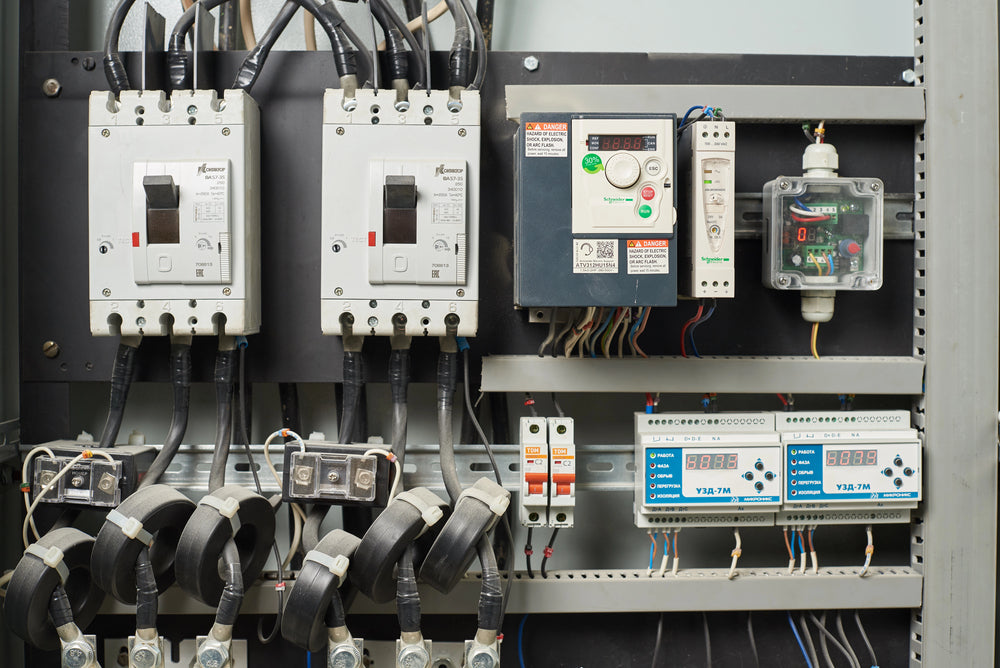
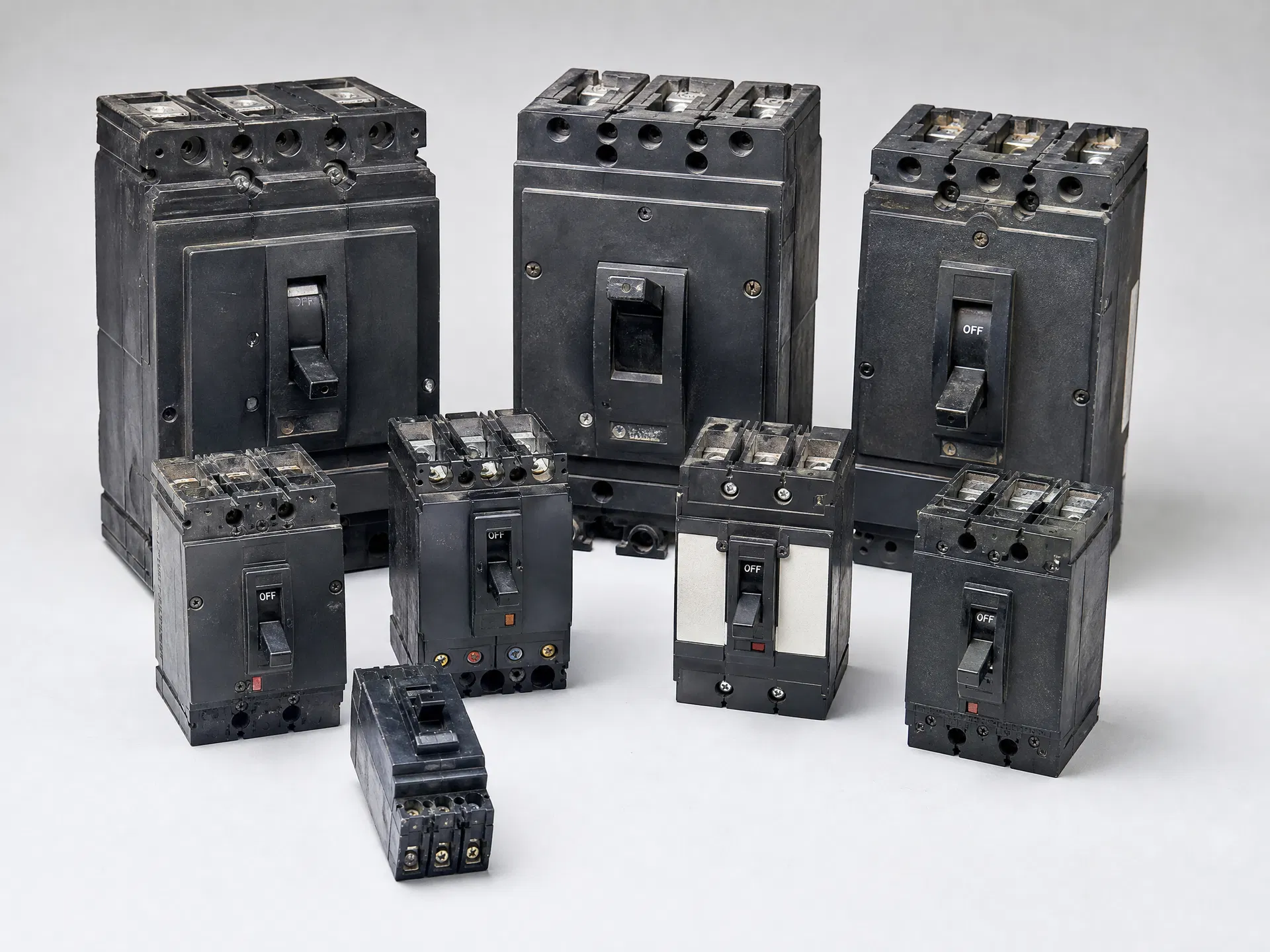
If you're sitting on surplus circuit breakers and wondering when to sell, the answer is clear: summer is your golden window. The electrical equipment secondary market follows predictable seasonal patterns driven by construction activity, and the May-through-September peak season consistently delivers 15-30% higher prices than the winter months. Understanding these cycles — and timing your sale accordingly — can mean hundreds or even thousands of extra dollars in your pocket.
At Circuit Breaker Buyer USA, we see these seasonal patterns play out every single year. Our purchase volume increases 40-60% during summer months, and we're able to pay more because our buyers are willing to pay more. The demand surge is real, measurable, and predictable — and smart sellers take advantage of it.
The Construction Season Effect on Breaker Demand
The U.S. construction industry operates on a well-documented seasonal cycle. According to Census Bureau data, construction spending peaks between May and October, with the highest activity in June, July, and August. This isn't just residential — commercial construction, industrial expansion, infrastructure projects, and renovation work all surge during warm-weather months.
Here's why this matters for circuit breaker sellers:
New construction drives replacement demand: When contractors build new facilities, they often need specific breaker models that are backordered from manufacturers. Rather than wait 8-16 weeks for factory delivery, they turn to the secondary market for immediate availability. This creates intense demand for popular models from Square D, Siemens, Eaton/Cutler-Hammer, and General Electric.
Renovation projects peak in summer: Homeowners and facility managers schedule major electrical upgrades during summer when weather cooperates and contractors are available. These renovations generate both demand (for replacement equipment) and supply (from removed equipment) — but demand consistently outpaces supply during peak months.
Emergency replacements increase: Summer heat stresses electrical systems. Breakers trip more frequently, panels overheat, and equipment failures spike. When a critical breaker fails at a manufacturing plant or data center, the facility manager needs an immediate replacement — and they'll pay premium prices for same-day availability.
Municipal and institutional projects: Schools, hospitals, and government buildings typically schedule major electrical work during summer breaks and fiscal year-end spending. These projects consume large quantities of switchgear, panels, and breakers from the secondary market.
Summer Price Premiums: Real Market Data
Based on our purchasing data from 2023-2026, here's how summer pricing compares to winter for common breaker types:
| Equipment Type | Winter Price (Nov-Feb) | Summer Price (May-Aug) | Premium |
|---|---|---|---|
| Square D QO 200A panels | $150-$350 | $200-$450 | +25-30% |
| Siemens ITE FD-frame breakers | $200-$500 | $275-$650 | +20-30% |
| Eaton Pow-R-Line switchgear | $2,000-$8,000 | $2,500-$10,000 | +15-25% |
| GE Spectra series breakers | $300-$800 | $400-$1,000 | +20-25% |
| Square D I-Line breakers | $150-$600 | $200-$750 | +20-25% |
| ABB SACE Tmax breakers | $400-$1,200 | $500-$1,500 | +15-25% |
| Westinghouse/Cutler-Hammer | $100-$400 | $130-$500 | +20-30% |
| Bus plugs and busway | $50-$300 | $75-$400 | +25-35% |
These premiums are consistent year over year. The pattern is driven by fundamental supply-demand economics, not speculation or manipulation.
Why the premium exists: During summer, buyer urgency increases dramatically. A contractor with a crew on-site billing $150/hour can't afford to wait for a backordered breaker. They'll pay 20-30% above normal market price for immediate availability. This urgency premium flows directly to sellers in the form of higher purchase offers.
The Cost of Waiting: Why Delay Hurts Your Bottom Line
Every month you hold surplus electrical equipment instead of selling, you're losing money in multiple ways:
Depreciation: Electrical equipment loses 1-3% of its value per month simply due to aging. A breaker worth $500 today may be worth $450 in six months — not because of physical deterioration, but because newer models enter the market and buyer preferences shift.
Storage costs: Whether you're paying rent on warehouse space or using valuable shop floor area, storing surplus equipment has a real cost. At typical commercial storage rates of $1-$3 per square foot per month, a pallet of breakers can cost $50-$150/month just to store.
Obsolescence risk: Manufacturers discontinue models without warning. While discontinuation sometimes increases value (for replacement demand), it can also decrease value if the industry moves to a newer platform. The longer you wait, the higher this risk.
Opportunity cost: Money tied up in surplus inventory could be earning returns elsewhere. $5,000 worth of breakers sitting in storage for 12 months represents $250-$500 in lost investment returns at typical rates.
Physical deterioration: Even in climate-controlled storage, electrical equipment degrades over time. Contacts oxidize, lubricants dry out, plastic components become brittle, and labels fade. Each of these reduces resale value.
The math is clear: If you have $10,000 worth of surplus breakers and wait 6 months past peak season to sell:
- Depreciation loss: $300-$900
- Storage cost: $300-$900
- Missed summer premium: $1,500-$3,000
- Total cost of waiting: $2,100-$4,800
That's 21-48% of your equipment's value lost to inaction.
Monthly Demand Patterns Throughout the Year
Understanding the monthly cycle helps you time your sale precisely:
January-February (Low season): Post-holiday slowdown. Construction activity at annual minimum. Buyer urgency low. Prices at yearly lows. Best time to buy, worst time to sell.
March-April (Ramp-up): Construction projects begin planning and procurement. Demand starts increasing. Prices begin climbing. Good time to sell if you need cash, but waiting 1-2 months yields better returns.
May-June (Peak begins): Construction season in full swing. Demand surges. Prices hit summer premiums. Excellent time to sell — you'll get strong offers with fast turnaround.
July-August (Peak demand): Highest demand of the year. Emergency replacements spike due to heat stress. Prices at annual highs. The absolute best time to sell surplus breakers. We're actively competing for inventory during these months.
September-October (Wind-down): Projects rushing to complete before winter. Still strong demand but beginning to soften. Good selling window, especially early September.
November-December (Low season): Construction slows dramatically. Holiday shutdowns reduce buyer activity. Prices decline 15-30% from summer peaks. Avoid selling during this period if possible.
Which Equipment Benefits Most from Summer Timing
Not all electrical equipment sees equal seasonal variation. Here's what benefits most from summer timing:
Highest seasonal premium (25-35%):
- Bus plugs and busway — heavily used in commercial construction
- Residential panels (QO, Homeline, BR) — driven by home renovation season
- Outdoor/weatherproof equipment — needed for summer outdoor projects
- Generator transfer equipment — hurricane season preparation drives demand
Moderate seasonal premium (15-25%):
- Industrial switchgear — plant expansions and upgrades scheduled for summer
- Molded case circuit breakers — broad demand across all construction types
- Transformers — infrastructure projects peak in summer
- Motor control centers — industrial construction timing
Lower seasonal premium (10-15%):
- Data center equipment — demand is year-round due to constant buildout
- Utility-grade equipment — regulated spending less seasonal
- Specialty/niche breakers — small buyer pool less affected by seasons
How to Maximize Your Summer Selling Window
Follow these strategies to extract maximum value during peak season:
1. Start the Process in April-May
Don't wait until July to begin. The selling process takes time:
- Inventory and photography: 1-3 days
- Getting quotes: 1-3 days
- Scheduling pickup: 2-7 days
- Total lead time: 1-2 weeks minimum
Start the process in late April or early May so your equipment hits the market during peak demand. Contact us early and we'll coordinate timing for maximum value.
2. Inventory Everything at Once
Rather than selling piecemeal throughout the year, consolidate your surplus and sell as a lot during summer. Lot sales during peak season command better per-unit pricing than individual sales spread across months. See our guide on selling individually vs. as a lot for detailed analysis.
3. Prioritize High-Demand Items
If you have a mix of equipment, prioritize selling these during summer for maximum premium:
- Popular residential panels (Square D QO, Siemens, Eaton BR)
- Construction-grade breakers (100A-400A molded case)
- Outdoor/weatherproof equipment
- Bus plugs and busway sections
Items with year-round demand (data center equipment, specialty breakers) can be sold anytime without significant seasonal penalty.
4. Be Responsive to Quotes
During summer, buyers move fast. When you receive a quote from us, respond within 48 hours. Summer demand creates a competitive environment — if we can't secure your equipment quickly, we'll move to the next seller. Quotes issued during peak season are time-sensitive.
5. Offer Flexible Pickup Scheduling
If you can accommodate pickup within 24-48 hours of accepting a quote, you'll often get a better offer. During summer, we have trucks running constantly across Houston, Dallas, Phoenix, Atlanta, Chicago, Los Angeles, and other major markets. Fast pickup = fast payment = happy sellers.
Counter-Cyclical Opportunities: When Winter Selling Makes Sense
While summer is generally best, there are exceptions:
Hurricane/storm damage replacements: After major storms (typically August-November), demand spikes for specific equipment in affected regions. If you have inventory matching storm-damaged equipment, selling immediately after a major weather event can yield premium prices.
Year-end budget spending: Some institutional buyers (schools, hospitals, government) must spend remaining budget before fiscal year-end (often September 30 or December 31). This creates localized demand spikes.
Data center buildouts: Data center construction is increasingly year-round. If you have PDUs, RPPs, or high-amperage switchgear, the data center market provides consistent demand regardless of season.
Discontinued model announcements: When a manufacturer announces a model discontinuation, demand spikes immediately regardless of season. If you're holding discontinued equipment, sell immediately upon announcement.
Real Examples: Summer vs. Winter Sale Outcomes
Here are real comparisons from our purchase records (anonymized):
Example 1: Square D QO Panel Lot
- Seller in Denver with 15 QO 200A panels
- Winter quote (January 2026): $3,200 for the lot ($213/panel)
- Summer quote (June 2026): $4,350 for the lot ($290/panel)
- Difference: $1,150 more (+36%) by waiting for summer
Example 2: Siemens ITE Breaker Collection
- Electrical contractor in Nashville with 40 assorted ITE breakers
- Winter quote (December 2025): $4,800 for the lot
- Summer quote (July 2026): $6,200 for the lot
- Difference: $1,400 more (+29%) by selling in summer
Example 3: Eaton Switchgear Lineup
- Plant shutdown in Houston, 4 sections of Pow-R-Line
- Winter quote (February 2026): $18,000
- Summer quote (May 2026): $22,500
- Difference: $4,500 more (+25%) with summer timing
These aren't cherry-picked examples — they represent the consistent 15-30% premium that summer timing delivers across all equipment types.
The Exception: When You Should Sell Immediately Regardless of Season
Despite the seasonal advantage, there are situations where selling immediately is the right call regardless of timing:
-
Equipment is deteriorating: If your breakers are stored outdoors or in a damp environment, every day reduces their value. Sell now before condition degrades further.
-
You need the cash: A bird in hand is worth two in the bush. If you need capital for your business, don't wait 3-6 months for a seasonal premium.
-
Space constraints: If surplus equipment is preventing you from using valuable workspace, the opportunity cost of that space may exceed the seasonal premium.
-
Model discontinuation rumored: If there's industry chatter about your equipment model being discontinued, sell before the announcement (which may flood the market with similar equipment from other sellers).
-
Large quantity from a project: If you've just completed a demolition or plant shutdown, sell while the equipment is fresh and well-documented. Waiting risks losing paperwork, mixing inventory, or forgetting specifications.
How We Handle Summer Volume
During peak season, Circuit Breaker Buyer USA scales our operations to handle increased volume:
- Extended hours: Our buying team is available 7 days a week during summer months
- Faster quotes: We aim for same-day quotes during peak season (vs. 24-hour standard)
- More pickup trucks: We run additional logistics routes through major markets
- Higher purchase budgets: Our buying capacity increases 50%+ during summer to meet seller demand
- Nationwide coverage: We buy from all 50 states year-round, but summer routes cover more cities more frequently
This means summer sellers get faster service, faster payment, and often better prices than any other time of year.
Frequently Asked Questions
Q: Is it really worth waiting for summer if I have breakers ready to sell now? It depends on timing. If it's March or April, waiting 1-2 months for summer premiums makes sense — you'll gain 15-30% on the sale price. If it's October, you're looking at a 6-7 month wait, during which depreciation and storage costs may offset the seasonal premium. As a rule of thumb: if summer is less than 3 months away, wait. If it's more than 3 months, sell now.
Q: Do you pay less in winter? We pay fair market value year-round. However, fair market value is lower in winter because buyer demand is lower. We don't artificially suppress winter prices — the market simply pays less when demand softens. We're transparent about this: if you ask for a quote in January, we'll tell you honestly that waiting until May-June would likely yield a higher offer.
Q: What if I have a large lot — does seasonal timing matter more or less? Seasonal timing matters MORE for large lots. A 5% premium on a $500 breaker is only $25. But a 20% premium on a $50,000 switchgear lot is $10,000. The larger your inventory value, the more important timing becomes.
Q: Can I get a quote now and sell later? We provide quotes valid for 7 days. However, we're happy to give you a preliminary estimate and then provide a firm quote when you're ready to sell. Contact us anytime to discuss timing strategy for your specific equipment.
Q: Does geographic location affect seasonal pricing? Yes, somewhat. Southern markets (Houston, Phoenix, Miami, Atlanta) have longer construction seasons and less dramatic seasonal variation. Northern markets (Chicago, Boston, Detroit) see more pronounced seasonal swings because construction is more compressed into warm months.
Q: What about selling to a local surplus store — do they also pay more in summer? Local stores generally maintain more stable pricing year-round because they're selling to a local market. However, their year-round prices are typically 30-50% lower than what a national buyer pays during summer peak. Even their "best" price rarely matches our off-season pricing.
Q: I'm a contractor with regular surplus — should I stockpile for summer? For contractors with regular overstock, we recommend a hybrid approach: sell high-value individual items (>$200 each) as they come in year-round, but accumulate smaller items and sell as a consolidated lot during summer. This balances cash flow with seasonal optimization.
The Bottom Line: Don't Leave Money on the Table
The seasonal pattern in the circuit breaker secondary market is real, consistent, and significant. Selling during the May-September window typically yields 15-30% more than selling during winter months. For a typical surplus lot worth $5,000-$50,000, that's $750-$15,000 in additional value — simply from timing your sale correctly.
If you're reading this during summer: now is the time to act. Don't wait until fall when prices soften. Get your surplus inventoried, photographed, and quoted while demand is at its peak.
If you're reading this during winter: start planning now. Inventory your surplus, organize it for easy quoting, and contact us in April-May to initiate the selling process so your equipment hits the market during peak demand.
Ready to Sell? Get Your Free Quote Today
Circuit Breaker Buyer USA purchases electrical equipment from sellers in all 50 states. We pay top dollar, provide free on-site pickup, and issue same-day payment.
Call (951) 903-9804 or submit your equipment online for a free, no-obligation quote within 24 hours.
We buy from Houston, Dallas, Phoenix, Atlanta, Chicago, Los Angeles, Denver, Nashville, Miami, Seattle, and 175+ other cities nationwide.
See what we've paid recently on our recent purchases page.
Related reading: 2026 Circuit Breaker Market Update | Selling to a Buyer vs. Scrapping | Contractor Overstock Guide | How to Sell Used Circuit Breakers for Top Dollar
Industry Data: Construction Spending and Breaker Demand Correlation
The relationship between construction spending and secondary market breaker demand isn't just anecdotal — it's backed by hard data. The U.S. Census Bureau's monthly construction spending reports show consistent patterns that directly correlate with our purchase pricing:
2025-2026 Construction Spending by Month (Seasonally Adjusted Annual Rate):
- January 2026: $2.15 trillion
- February 2026: $2.18 trillion
- March 2026: $2.24 trillion
- April 2026: $2.31 trillion
- May 2026: $2.38 trillion (summer surge begins)
- June 2026: $2.42 trillion (peak month)
- July 2026: $2.41 trillion (sustained peak)
This 12% increase from January to June directly translates to increased demand for electrical equipment at every level — from residential panels to industrial switchgear.
Residential construction accounts for approximately 45% of total construction spending and shows the most dramatic seasonal variation. Single-family housing starts typically increase 30-40% from winter trough to summer peak. Each new home requires 1-2 electrical panels and 20-40 circuit breakers, creating massive aggregate demand.
Commercial construction (offices, retail, warehouses) accounts for another 30% and follows a similar but less pronounced seasonal pattern. Commercial projects tend to be longer-duration, but procurement peaks during spring and summer as projects move from planning to active construction.
Industrial and infrastructure projects make up the remaining 25% and show the least seasonal variation, though even these sectors see 10-15% increases during summer months due to favorable weather for outdoor work.
The Supply Side: Why Summer Supply Doesn't Keep Up with Demand
You might wonder: if demand increases in summer, doesn't supply also increase (from demolitions, renovations, and plant shutdowns)? The answer is yes — but not proportionally.
Demand increases 40-60% in summer (driven by new construction, renovations, and emergency replacements). Supply increases only 15-25% (from demolitions and equipment removals). This supply-demand gap is what creates the summer price premium.
Several factors explain why supply doesn't keep pace:
-
Demolition timing: While some demolitions happen in summer, many are scheduled year-round based on project timelines, not weather. A hospital being torn down doesn't wait for summer.
-
Plant shutdowns are counter-seasonal: Many manufacturing plants schedule shutdowns during their slow season (often winter) when production loss is minimized. This means plant shutdown supply often hits the market in winter — the opposite of when demand peaks.
-
Contractor surplus is generated year-round: Contractors accumulate overstock throughout the year as projects complete. Many don't think to sell until they run out of storage space, which isn't seasonally driven.
-
Institutional sellers are slow: Large organizations (utilities, hospitals, universities) have procurement cycles that don't align with market timing. They sell when their internal processes allow, not when the market is hottest.
This structural supply-demand imbalance during summer months is what makes timing so valuable for individual sellers who CAN control when they sell.
Planning Your Summer Sale: A Timeline
Here's the ideal timeline for maximizing your summer selling window:
April (4-6 weeks before peak):
- Inventory all surplus equipment
- Take clear photographs of nameplates, condition, and quantities
- Organize equipment for easy access (buyers may want to inspect)
- Research approximate values using our pricing guides
Early May (2-4 weeks before peak):
- Contact Circuit Breaker Buyer USA with your inventory list and photos
- Receive quotes (typically within 24 hours)
- Compare offers if you're contacting multiple buyers
- Accept the best offer and schedule logistics
Mid-May through August (Peak window):
- Complete the sale during this window for maximum value
- If selling a large lot, consider splitting into 2-3 shipments to maintain cash flow
- Reinvest proceeds immediately rather than holding cash
September (Wind-down):
- Last chance for summer premiums (early September only)
- After mid-September, prices begin declining toward winter levels
- If you missed the summer window, consider holding remaining inventory for next year's peak (if storage costs are minimal)
What Makes Circuit Breaker Buyer USA Different During Summer
During peak season, many buyers enter the market opportunistically. Some are brokers who only buy when they have a specific order to fill. Others are small local operators who can't handle volume. Here's what sets us apart:
Consistent buying capacity: We purchase equipment year-round, not just when we have a specific order. During summer, our buying budget increases to match market activity — we're never "full" or "not buying right now."
Nationwide logistics: Our pickup network covers all 50 states with dedicated routes through major markets. During summer, we add routes and increase frequency. Whether you're in Houston, Chicago, Los Angeles, or Miami, we can reach you within 24-48 hours.
Volume handling: We can purchase single breakers or entire warehouse cleanouts. During summer, we regularly handle lots of 100+ breakers, multiple switchgear lineups, and complete facility electrical systems from plant shutdowns and demolitions.
Same-day payment: Regardless of season, we pay the same day we receive and verify equipment. No net-30, no "payment upon resale," no holdbacks. Summer sellers get paid just as fast as any other time.
Transparent pricing: We explain our offers and provide market context. If you ask why summer pricing is higher, we'll tell you exactly what we've outlined in this article — because informed sellers make better decisions, and better decisions lead to long-term relationships.
The Compound Effect: Building a Selling Relationship
For sellers with recurring surplus — contractors, facility managers, demolition companies, asset recovery firms — building a relationship with a consistent buyer amplifies the summer timing advantage:
Priority quoting: Established sellers get same-day quotes during peak season when new inquiries may take 24 hours.
Pre-negotiated pricing tiers: Regular sellers can establish pricing frameworks that automatically adjust for seasonal premiums without re-negotiating each transaction.
Scheduled pickups: Rather than arranging logistics for each sale, regular sellers can establish weekly or bi-weekly pickup routes during summer months.
Market intelligence: We share market insights with our regular sellers — which models are hot, which are softening, and when to hold vs. sell. This information is worth significant money over time.
Volume bonuses: Sellers who consistently provide quality inventory during peak season may qualify for volume pricing that exceeds standard market rates.
The bottom line: summer timing is powerful for one-time sellers, but it's even more powerful for repeat sellers who build relationships and leverage seasonal patterns systematically.
Final Thoughts: Act Now, Not Later
The circuit breaker secondary market rewards decisive action during peak season. Every week you delay during summer is a week of premium pricing you'll never get back. The construction crews are building now. The contractors need breakers now. The emergency replacements are happening now.
If you have surplus circuit breakers, switchgear, electrical panels, transformers, or bus plugs from any manufacturer — Square D, Siemens, Eaton, GE, ABB, or Westinghouse — the time to sell is now.
Don't let another summer pass with money sitting idle on your shelves. Get your free quote today and turn that surplus into cash while the market is paying top dollar.
Ready for a quote?
Call Circuit Breaker Buyer USA for a fast, no-obligation offer on your equipment.